Page Summary
Parkinson's Disease Treatment In India At A Glance
Ayurveda recognises Parkinson's as Kampavata, driven by a severe aggravation of Vata, and focuses on restoring the nervous tissue (Majja Dhatu), clearing obstructive toxins and calming erratic Vata to support physical mobility. Treatment moves through three phases: Vata pacification (Shodhana), deep nourishment with Basti and Nasya (Brimhana), and stabilisation with Rasayana herbs such as Kapikachhu and Ashwagandha. Programmes run 14, 21 or 28 days at about ₹1,25,000 to ₹3,50,000. MyVaidyam helps you choose the right centre, dates and package for your condition and budget.
Kampavata: More Than Just a Neurological Condition
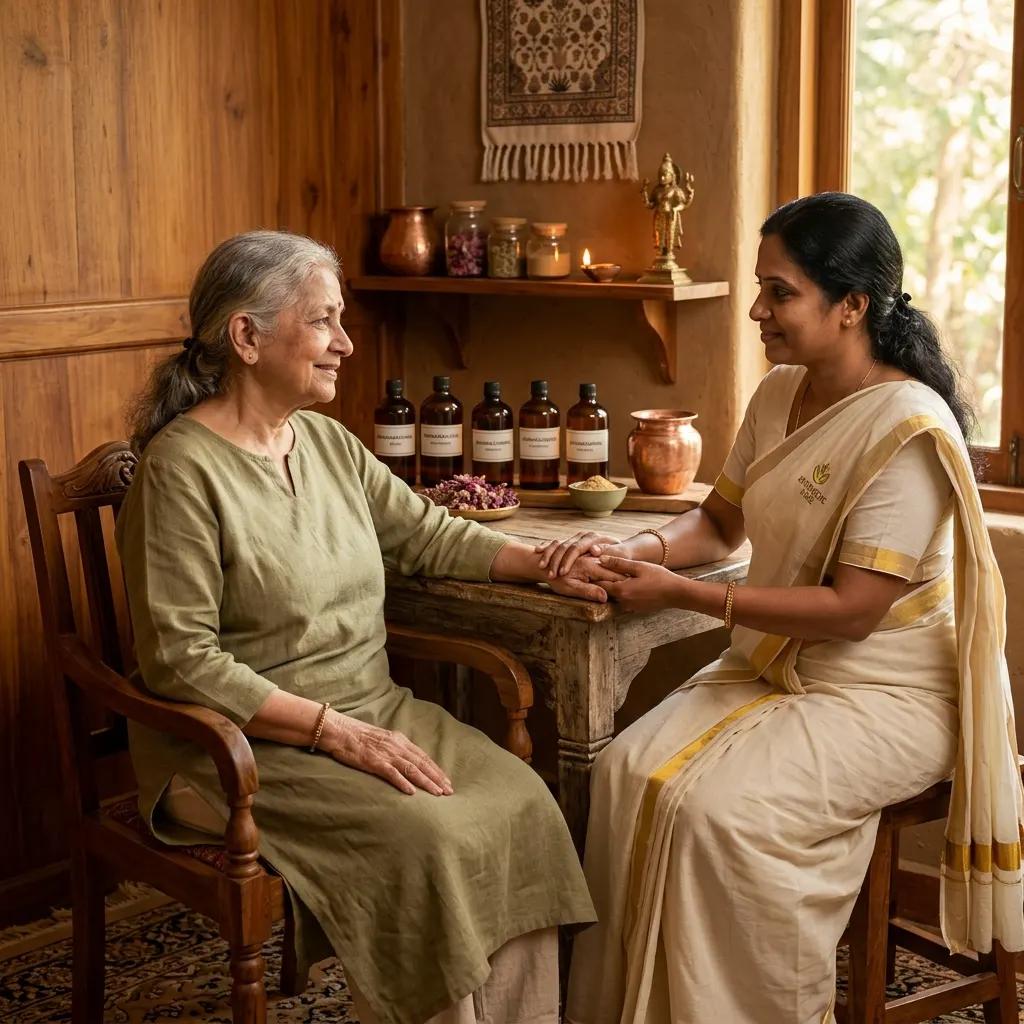
In Ayurveda, Parkinson's is recognized as Kampavata — a condition primarily driven by a severe aggravation of the Vata dosha. Vata, the energy governing all movement and nerve impulses, becomes erratic, leading to the characteristic tremors and rigidity.
Our treatment approach focuses on restoring the Majja Dhatu (nervous tissue) and clearing obstructive toxins (Ama). By calming the erratic Vata energy and nourishing the brain, we aim to slow the condition's progression and significantly enhance physical mobility.
Key Facts – Parkinson's Disease Treatment In India For International Ayurveda Guests
Everything an international patient usually asks, on one screen.
- Condition
- Parkinson's disease (Kampavata)
- Ayurvedic View
- Severely aggravated Vata, the energy of movement and nerve impulses, becomes erratic
- Core Therapies
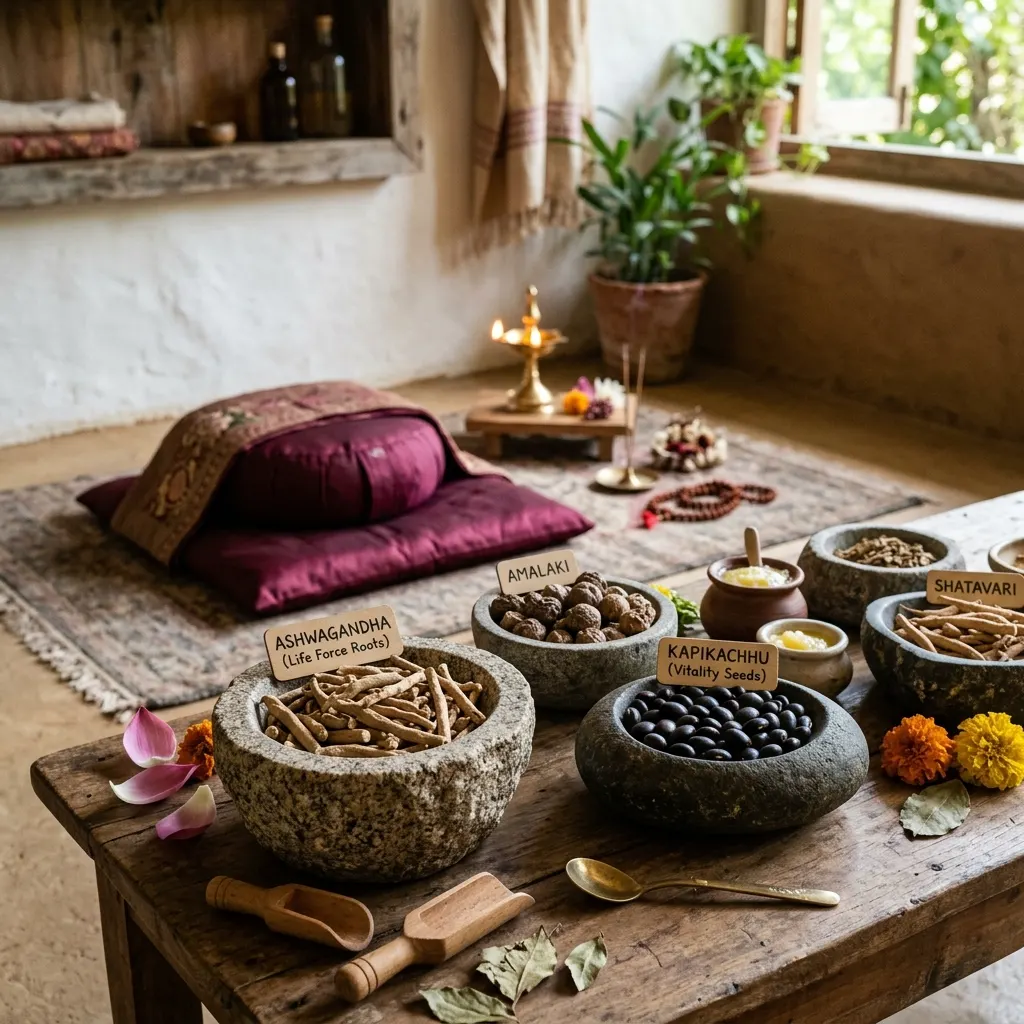
- Vata pacification (Shodhana), Basti and Nasya for deep nourishment (Brimhana), Rasayana herbs such as Kapikachhu and Ashwagandha
- Programme Length
- 14 · 21 · 28 days
- Cost In India
- ₹1,25,000 – ₹3,50,000
- Suggested Packages
- Stability & Balance Program · Neurological Recovery Program · Intensive Rejuvenation Program
Holistic Neurological Benefits
A multi-faceted approach to restore neurological balance and improve your quality of life.
Pacifies aggravated Vata dosha, the root cause of tremors and rigidity.
Nourishes the Majja Dhatu (nervous tissue) and strengthens the brain-muscle connection.
Eliminates Ama (metabolic toxins) and clears neurological pathways.
Supports natural dopamine production through traditional herbs like Kapikachhu.
Improves motor coordination, balance, and overall physical mobility.
Reduces stress and promotes deep relaxation for the central nervous system.
The Therapeutic Journey
Our structured management plan moves through three critical phases of detoxification and nourishment.
Vata Pacification (Shodhana)
Eliminating Toxins & Calming Vata
The initial phase focuses on clearing Ama (toxins) and pacifying the erratic Vata energy through gentle therapies and digestive support.
Key Therapies
Deep Nourishment (Brimhana)
Nervous Tissue Rejuvenation
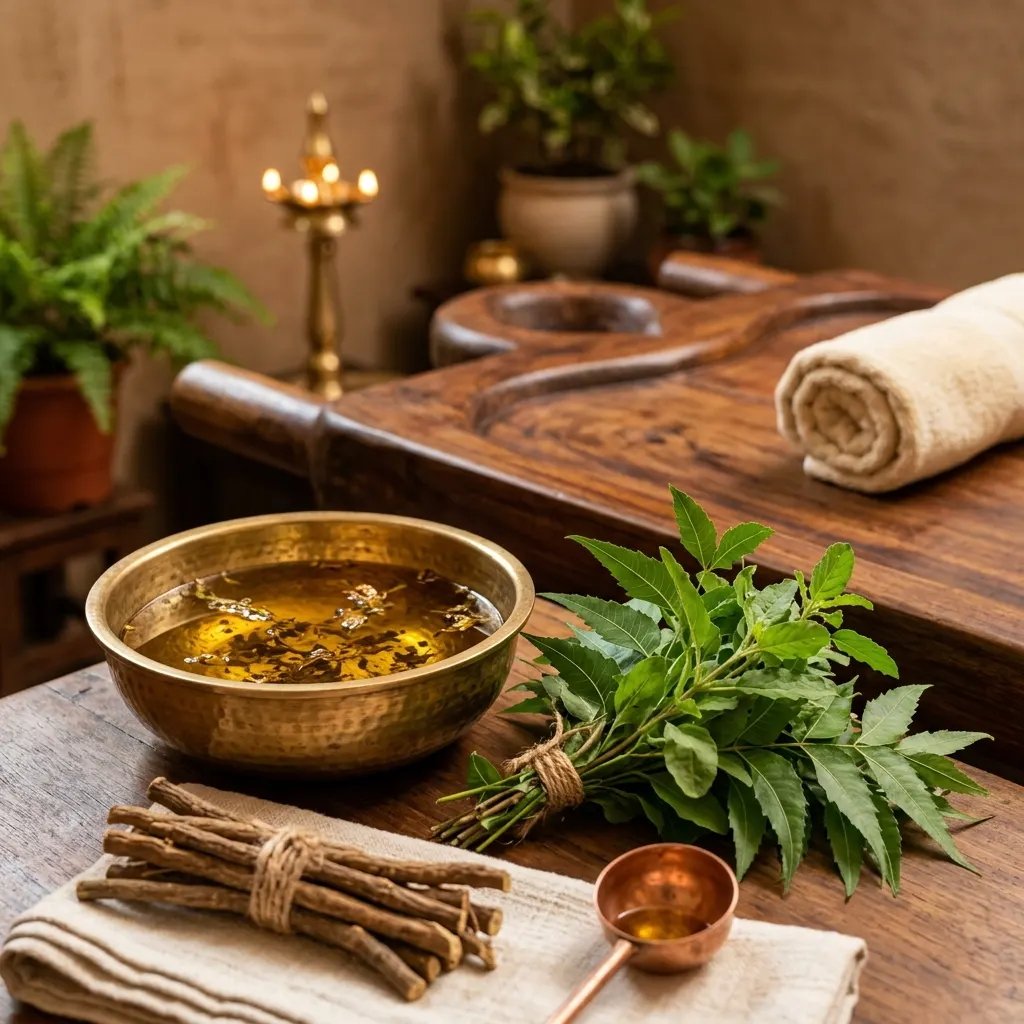
Focused on Basti (medicated enemas) and Nasya to directly nourish the brain and nervous system (Majja Dhatu).
Key Therapies
Stabilization (Rasayana)
Long-term Management & Vitality
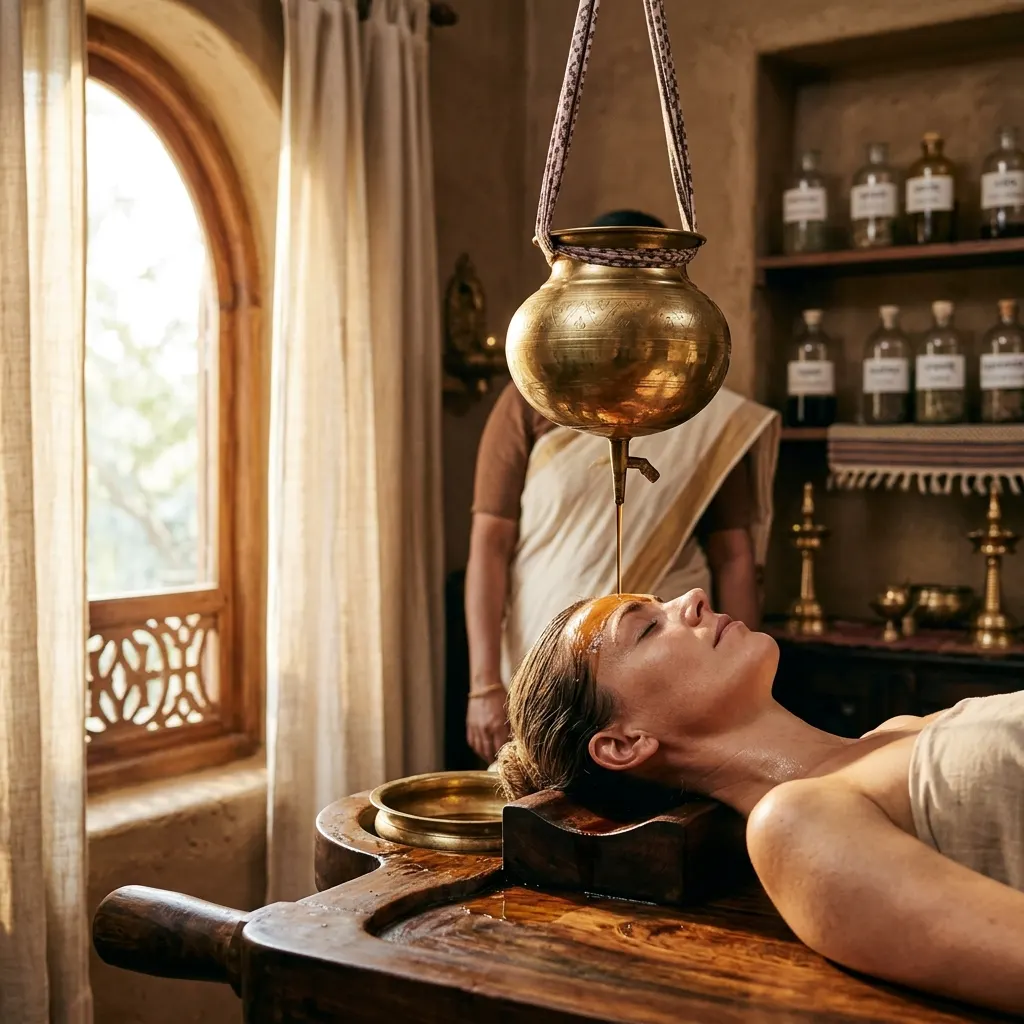
The final phase uses intensive Rasayana (rejuvenating) herbs like Kapikachhu and Ashwagandha to sustain neurological health.
Key Therapies
Suggested Packages, Cost & Duration For Parkinson's Disease Treatment in India
Comprehensive programs tailored to the severity of symptoms and individual goals.
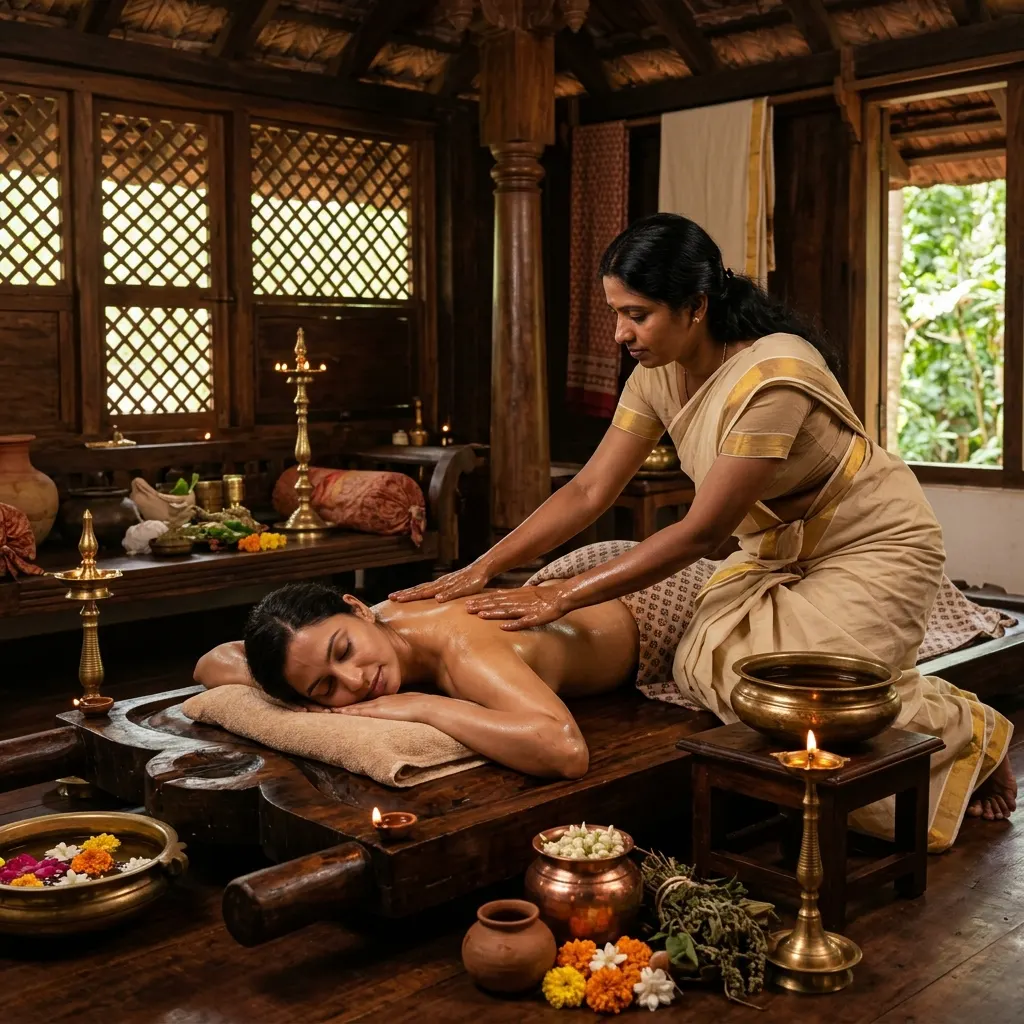
Stability & Balance Program
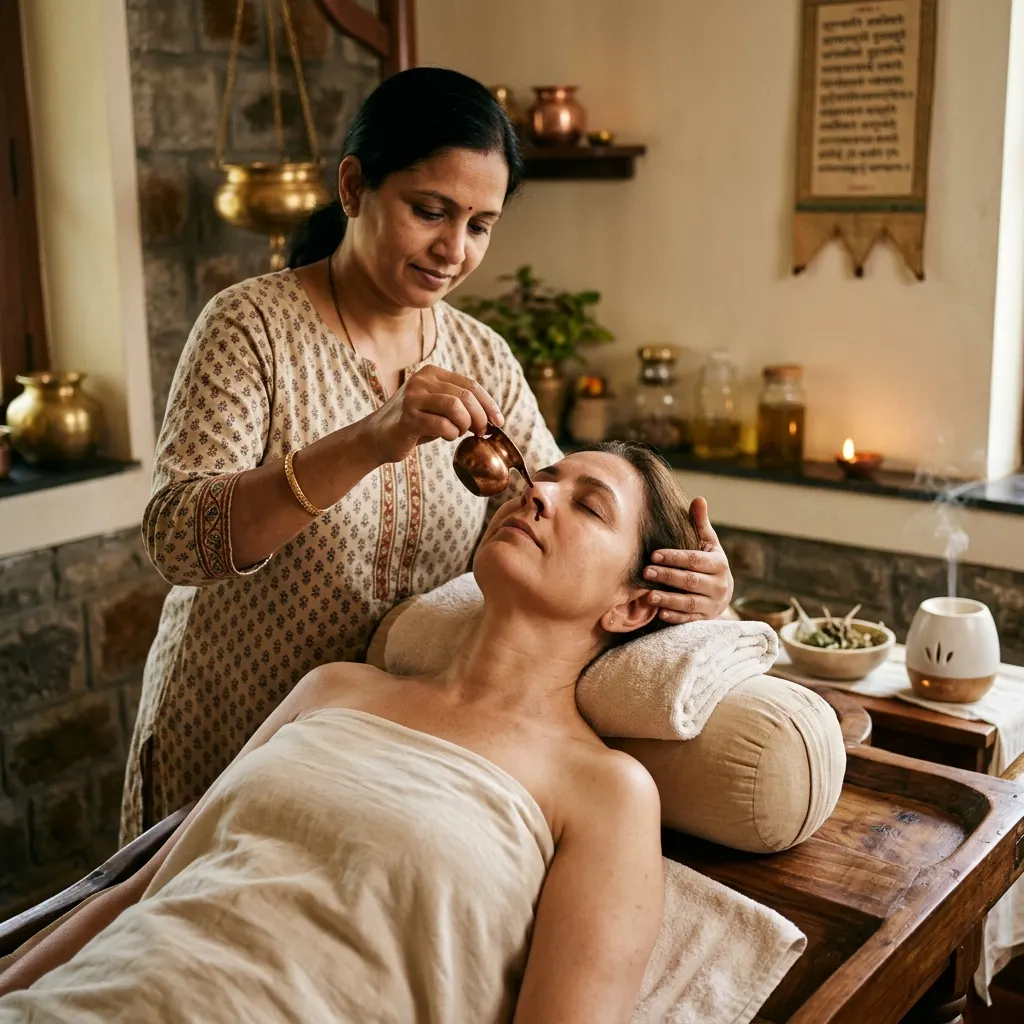
Neurological Recovery Program