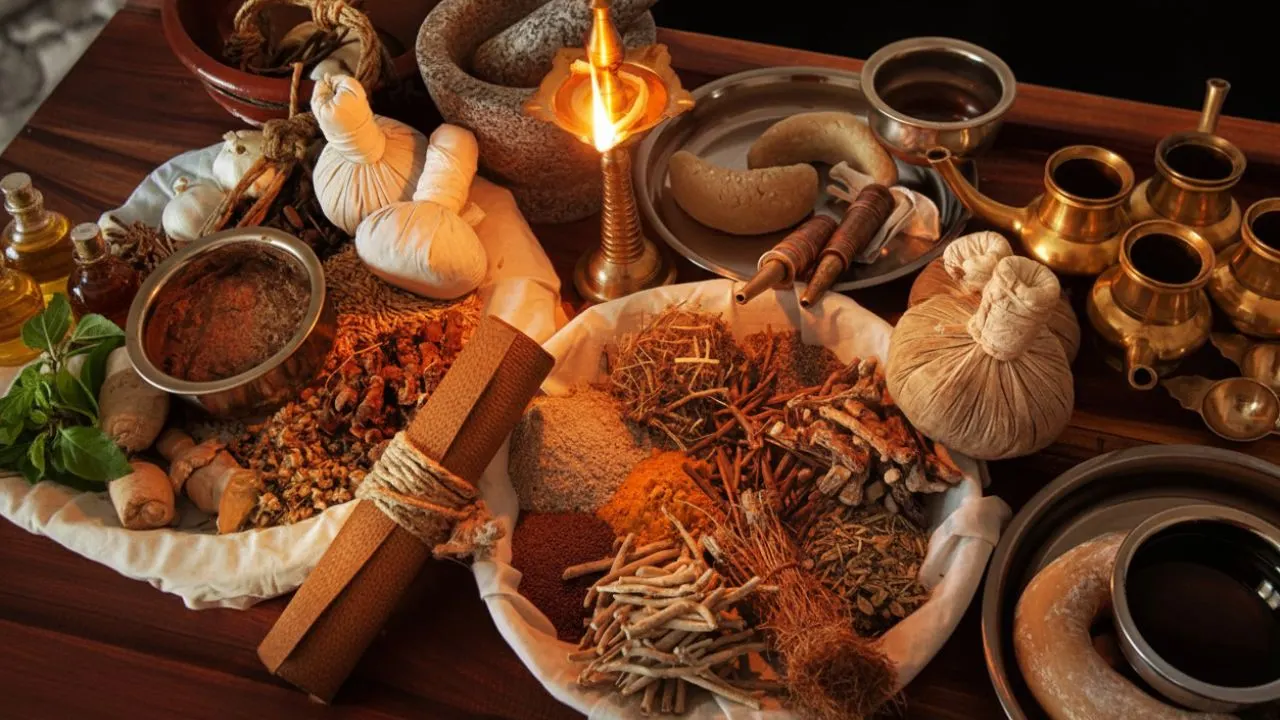
If you are from Germany and are considering Ayurveda treatment, Panchakarma, Ayurvedic wellness or a traditional Indian health programme, India offers a wide range of Ayurveda centres and residential programmes for international visitors.
MyVaidyam helps international patients from Germany explore suitable Ayurveda treatment and wellness options in India, understand programme details, compare available facilities, estimate costs and plan their journey from Germany to India.
This guide explains what German patients should know before choosing Ayurveda in India, including treatment options, programme duration, destinations, visa information, travel planning, safety considerations and international patient support.
Why Are German Patients Interested in Ayurveda in India?
Ayurveda is a traditional Indian system of medicine and wellness with a long history in India. International visitors may choose India when they want to experience Ayurveda in a setting where Ayurvedic consultations, traditional therapies, diet, yoga, meditation and wellness programmes can be combined into a structured stay. For German patients, travelling to India for Ayurveda may provide access to:
- Yoga and meditation
- Panchakarma programmes
- Residential Ayurveda programmes
- Personalised treatment planning
- International patient assistance
- Ayurvedic rejuvenation programmes
- Wellness and relaxation programmes
- Traditional Ayurvedic consultations
- Ayurvedic diet and lifestyle guidance
- Ayurveda and wellness experiences in destinations such as Kerala and Goa
The right programme depends on the individual's goals, health history, current medication and the recommendation of a qualified practitioner.
Why Choose India for Ayurveda Treatment?
India is the historical home of Ayurveda and has a large network of Ayurvedic institutions, clinics, hospitals, wellness centres and residential retreats. A German patient choosing India may find programmes that combine:
Traditional Ayurveda
Patients can experience traditional Ayurvedic consultations and therapies under qualified practitioners.
Residential Programmes
Some centres provide accommodation, meals, therapies and daily activities as part of one programme.
Panchakarma
Panchakarma is a traditional Ayurvedic therapeutic programme that may involve several stages and therapies depending on the individual's assessment.
Yoga and Meditation
Many Ayurveda centres integrate yoga, breathing practices and meditation into wellness programmes.
Ayurvedic Diet
Meals may be planned according to the individual's programme and Ayurvedic recommendations.
International Patient Support
International patients may receive assistance with accommodation, airport transfers, treatment coordination and communication.
Ayurveda Treatments Available for German Patients in India
The exact programme should be selected after consultation with an Ayurvedic practitioner. Common programme categories include:
| Ayurveda Programme | General Focus |
|---|---|
| Panchakarma | Traditional multi-stage Ayurvedic programme |
| Ayurvedic Rejuvenation | Traditional rejuvenation and wellness |
| Stress & Relaxation | Relaxation, lifestyle, yoga and traditional therapies |
| Ayurvedic Weight Management | Diet, lifestyle and wellness support |
| Joint Wellness | Traditional therapies and lifestyle support |
| Back & Neck Wellness | Traditional therapies, yoga and lifestyle |
| Sleep & Relaxation | Lifestyle and relaxation-focused programme |
| Skin & Hair Wellness | Traditional Ayurvedic approaches |
| Women's Wellness | Individualised wellness programme |
| Men's Wellness | Lifestyle and traditional wellness |
| Healthy Ageing | Rejuvenation and lifestyle programme |
| General Wellness | Ayurveda, diet, yoga and relaxation |
All-Inclusive Ayurveda Packages in India for German Patients
Structured programmes you can tailor with your physician — slide to see all six.
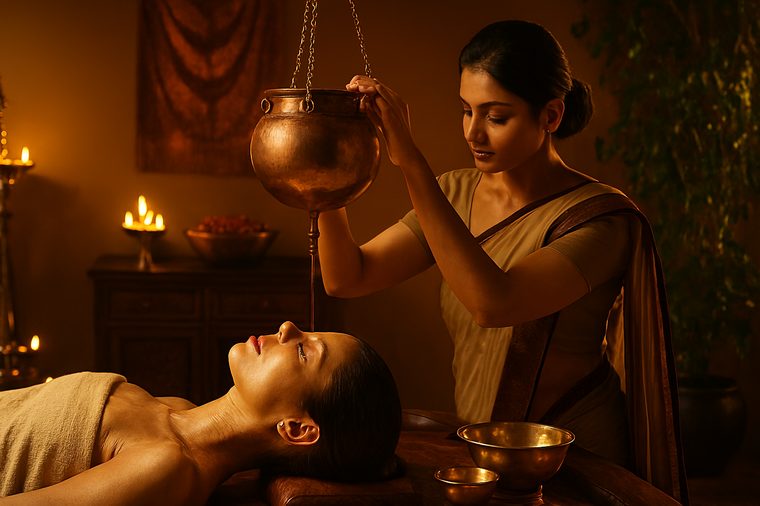 DetoxProgram FrameworkPanchakarma & DetoxClassical cleansing and reset programmes, the core of residential Ayurveda.Learn more
 Condition-specificProgram FrameworkDisease-Specific ProgramsTargeted programmes built around a specific chronic condition.Learn more
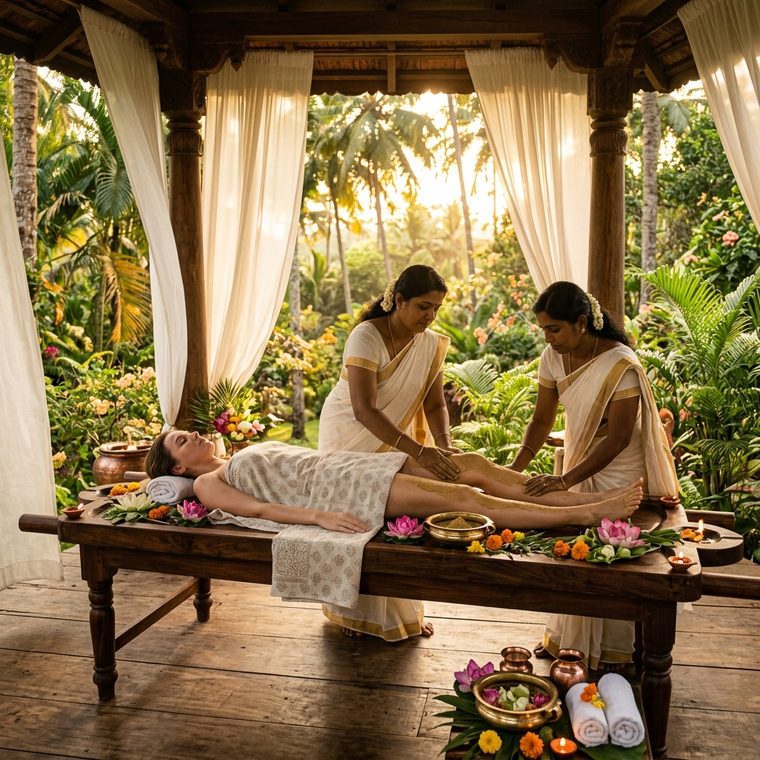 RejuvenationProgram FrameworkBeauty & RejuvenationRejuvenation and natural beauty programmes to restore glow and energy.Learn more
 WellnessProgram FrameworkLifestyle & WellnessPreventive lifestyle, diet and stress programmes for everyday wellbeing.Learn more
 RetreatProgram FrameworkIntegrated RetreatAll-inclusive residential retreats blending therapy, yoga and rest.Learn more
 RecoveryProgram FrameworkRecovery & RehabilitationSupportive recovery and rehabilitation after illness or surgery.Learn more
Key Facts at a Glance
- Target Patients
- German Patients
- Destination
- India
- Traditional System
- Ayurveda
- Popular Programme
- Panchakarma
- Major Ayurveda Destination
- Kerala
- Other Destinations
- Goa, Karnataka, Tamil Nadu, Delhi, Mumbai
- Programme Duration
- Depends on individual programme
- Accommodation
- Ayurveda centre, hospital or wellness facility
- Consultation
- Ayurvedic Practitioner
- Diet
- Programme-specific Ayurvedic meals
- Yoga & Meditation
- Available at selected centres
- Visa
- Applicable Indian visa / e-Ayush route
- Travel Insurance
- Recommended for German patients travelling overseas
- Travel Support
- Available according to selected MyVaidyam services
- Airport Transfer
- Available according to selected programme
- International Patient
- Assistance MyVaidyam
- Follow-Up
- According to the selected service and centre
Panchakarma in India for German Patients
Panchakarma is one of the most recognised Ayurvedic therapeutic programmes for international visitors. A Panchakarma programme may involve several stages depending on the practitioner's assessment and the selected centre. A typical programme may include:
- Preparation phase
- Lifestyle guidance
- Rest and relaxation
- Individual assessment
- Special Ayurvedic diet
- Initial Ayurvedic consultation
- Selected traditional therapies
- Post-treatment recommendations
- Yoga or meditation where appropriate
How Long Does Panchakarma Take?
The duration varies according to the individual's programme. Some centres offer:
- Short programmes
- 7–14 day programmes
- 14–21 day programmes
- 21–28 day programmes
- Longer residential programmes
German patients should not select a Panchakarma duration solely from an online article. The appropriate duration should be discussed with the Ayurvedic practitioner.
How Long Should a German Patient Stay in India?
The recommended stay depends on the selected programme. As a general planning guide:
Short Wellness Programme
Approximately 5–7 days
Rejuvenation Programme
Approximately 7–14 days
Panchakarma Programme
Approximately 14–21 days
Extended Ayurveda Programme
Approximately 21–28 days or longer
The final duration should be determined by the Ayurvedic practitioner and the patient's individual programme.
Patients should also allow additional time for international travel, arrival, consultation and departure.
Best Places in India for German Patients Seeking Ayurveda
India has Ayurveda centres in several states and cities.
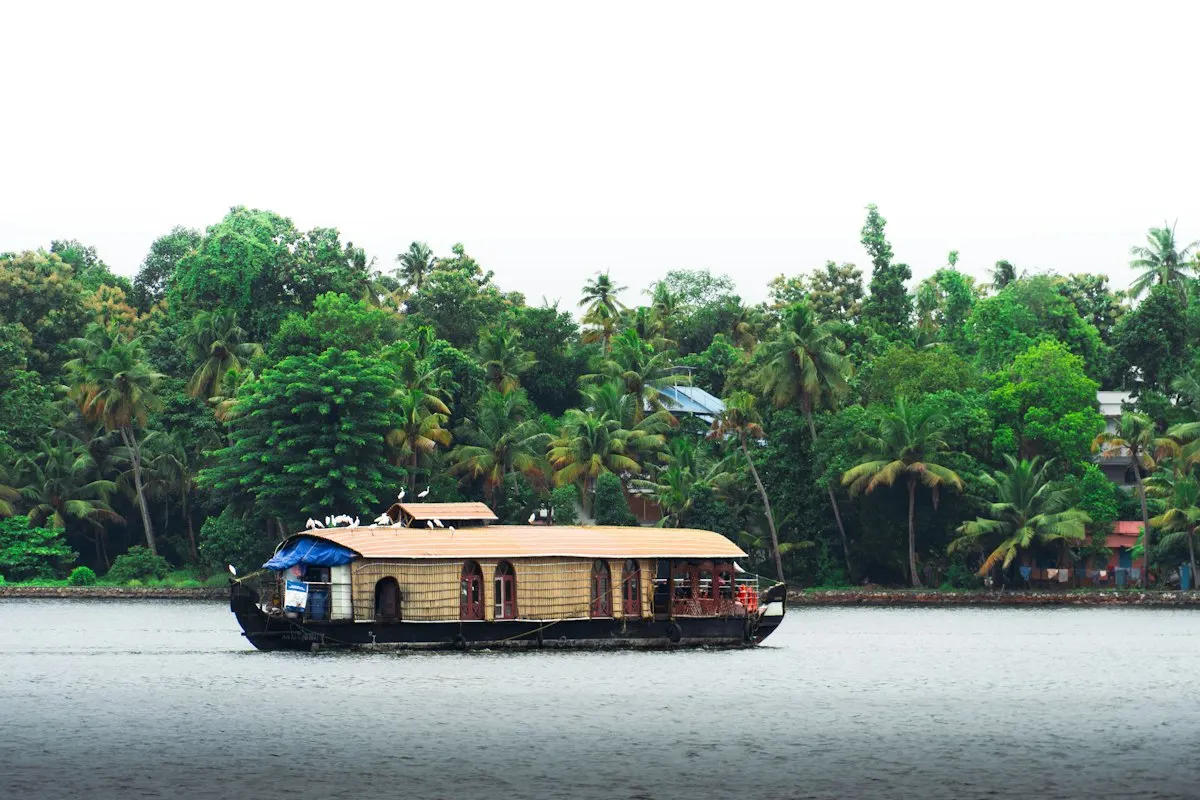
Kerala
Kerala is particularly associated with Ayurveda and offers a wide range of Ayurvedic hospitals, centres, retreats and residential wellness programmes. Kerala has three international airports — Thiruvananthapuram, Kochi and Kozhikode — so most centres are within a few hours of arrival. The monsoon months, and Karkidakam in particular (mid-July to mid-August), are traditionally regarded in Kerala as a favourable time for rejuvenation programmes, and many centres run a dedicated monsoon schedule. German visitors may consider Kerala when they want:
- Panchakarma
- Ayurveda resorts
- Yoga and meditation
- Traditional Ayurveda
- Longer wellness stays
- Residential programmes
- A relaxing natural environment

Goa
Goa may appeal to international visitors interested in combining Ayurveda with:
- Yoga
- Wellness
- Relaxation
- Beach surroundings
- Shorter wellness programmes
Goa is served by two airports, Dabolim and Manohar International at Mopa, with direct and connecting flights from several countries. Centres are spread between the quieter beaches of South Goa and the busier north, and programmes here are often shorter than a full residential stay.
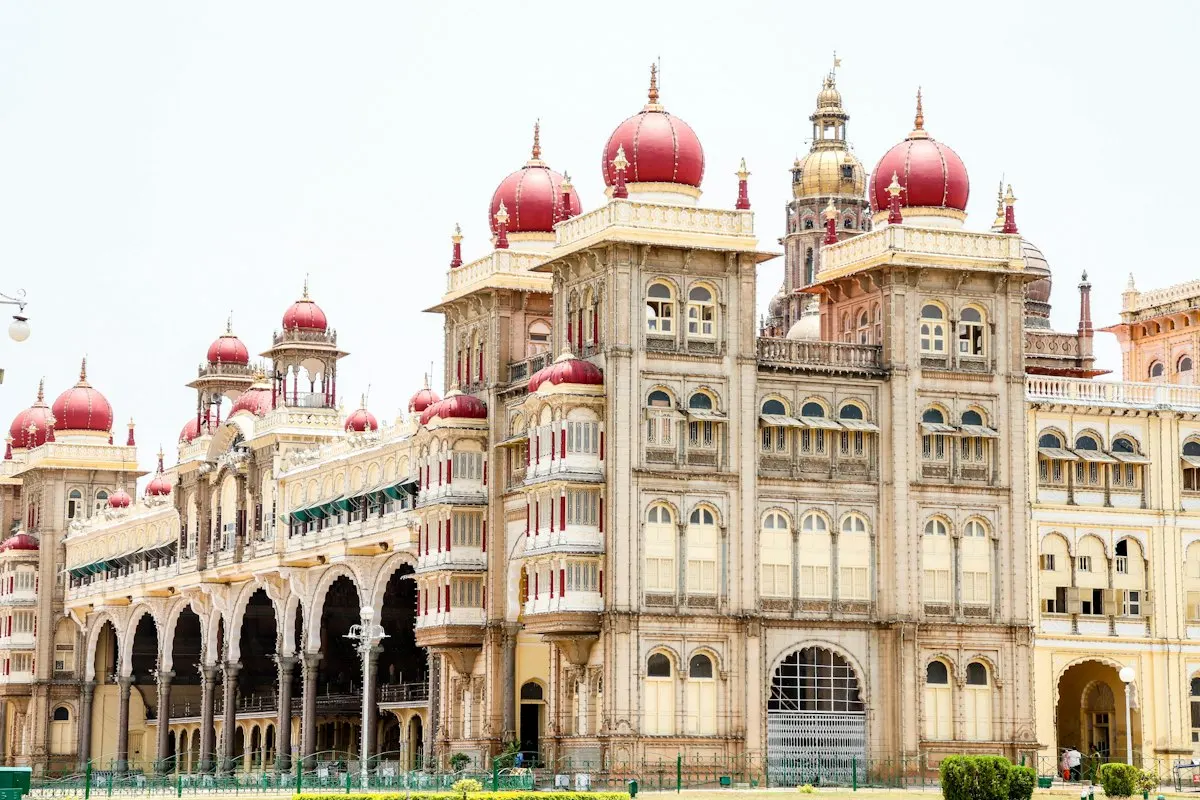
Karnataka
Karnataka offers Ayurveda and wellness facilities along with good international connectivity through Bengaluru. Bengaluru's Kempegowda International Airport is one of India's busiest, which makes Karnataka straightforward to reach and to combine with onward travel. Options range from city clinics in Bengaluru to residential retreats around Mysuru and the Western Ghats.

Tamil Nadu
Tamil Nadu has traditional medicine and wellness facilities and can be considered by international visitors looking for Ayurveda programmes in southern India. Chennai and Coimbatore both have international airports, and Coimbatore in particular has long-established Ayurveda hospitals and residential retreats. Tamil Nadu also has its own traditional system, Siddha, which some centres offer alongside Ayurveda.
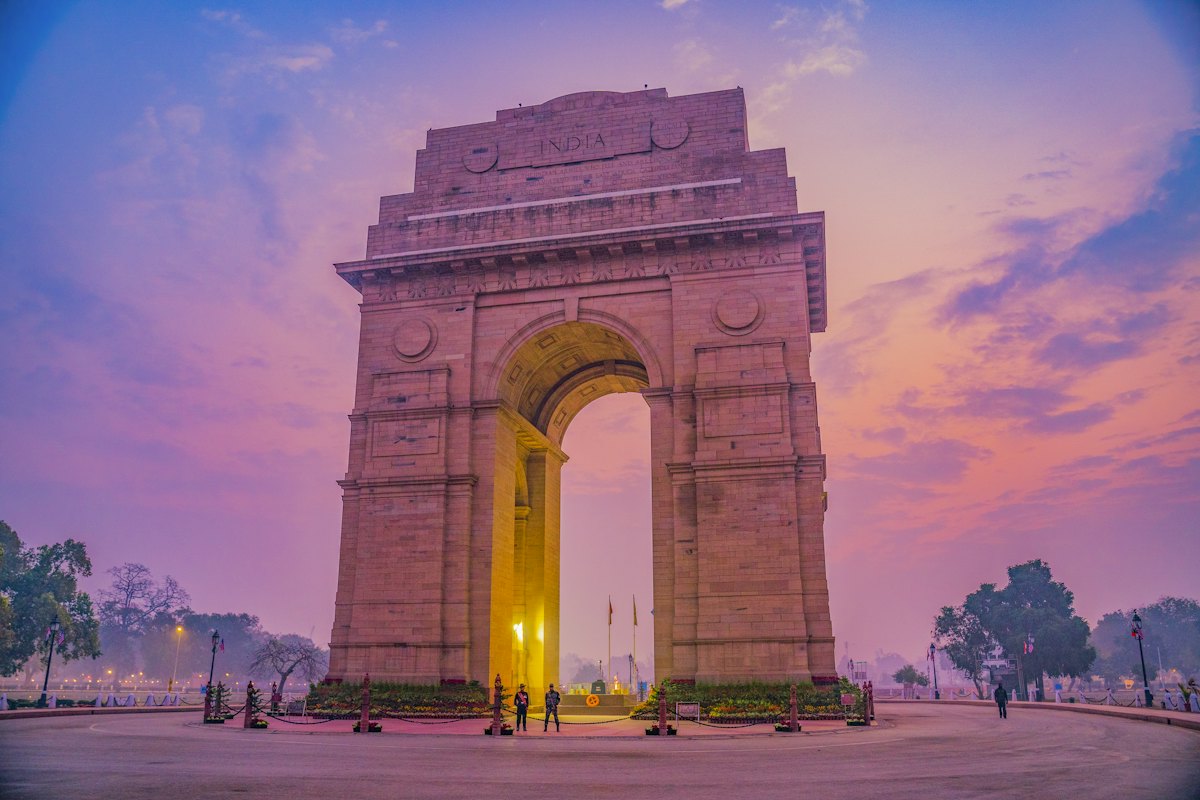
Delhi
Delhi can be convenient for international visitors who prefer:
- Urban facilities
- Access to healthcare services
- Ayurveda and wellness options
- Major international connectivity
Indira Gandhi International Airport is India's largest hub, with direct flights from most regions, so Delhi suits patients who want to begin or end their journey in a major city. The wider NCR area has both urban Ayurveda clinics and countryside retreats within a few hours' drive.
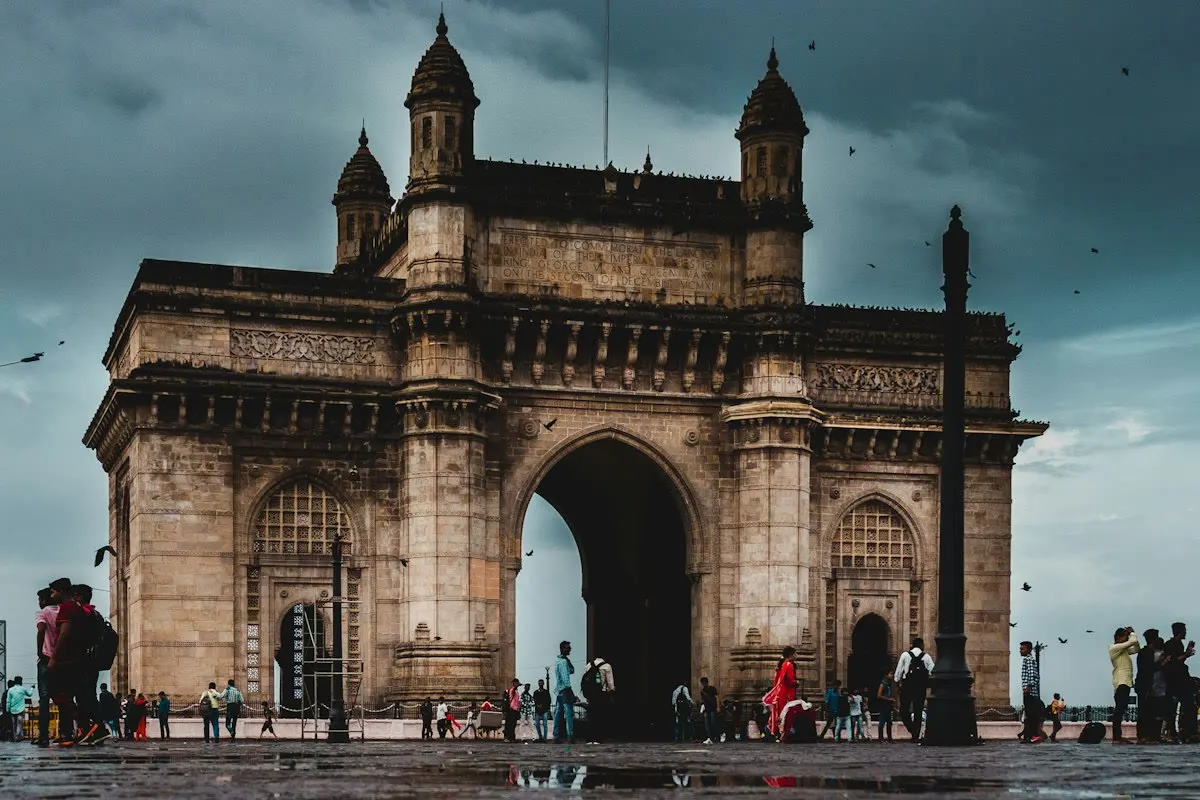
Mumbai
Mumbai provides strong international connectivity and can be considered for patients who prefer a major metropolitan destination. Chhatrapati Shivaji Maharaj International Airport connects Mumbai to most major cities worldwide, and the city has a wide range of private hospitals should conventional care be needed. Several residential Ayurveda centres sit two to three hours away, around Panvel, Lonavala and the hills near Pune.
How Should German Patients Choose an Ayurveda Centre in India?
Choosing the right centre is an important part of medical and wellness travel. Before booking, German patients should check:
Practitioner Qualifications
Ask about the qualifications and experience of the Ayurvedic practitioner who will supervise the programme.
Treatment Plan
Request details of the proposed programme before travelling.
Total Cost
Ask for a written estimate showing what is included and excluded.
Accommodation
Check:
- Food
- Room type
- Housekeeping
- Accessibility
- Internet access
- Air conditioning
- Bathroom facilities
Safety Arrangements
Ask how the centre handles medical emergencies and whether conventional medical support is accessible when required. The German Federal Foreign Office advises travellers to India to maintain adequate travel health insurance and notes that medical care can vary considerably across India. In some areas, medical facilities may not meet European standards, while major cities generally have better private healthcare facilities.
Medicines
Ask what medicines or herbal preparations may be recommended and disclose all current prescription medicines. German patients should carry their required medication and appropriate medical documentation and check current requirements concerning medicines before travelling. The German Foreign Office specifically advises travellers to take their regular medicines with them and, where necessary, carry documentation in English confirming the medical necessity of the medication.
International Patient Support
International patients should know who will assist them if they experience a travel, communication or accommodation problem.
Ayurveda Hospitals & Wellness Centres in India for German Patients
A selection of the destinations we work with — use the arrows to explore. Each links to its full profile.
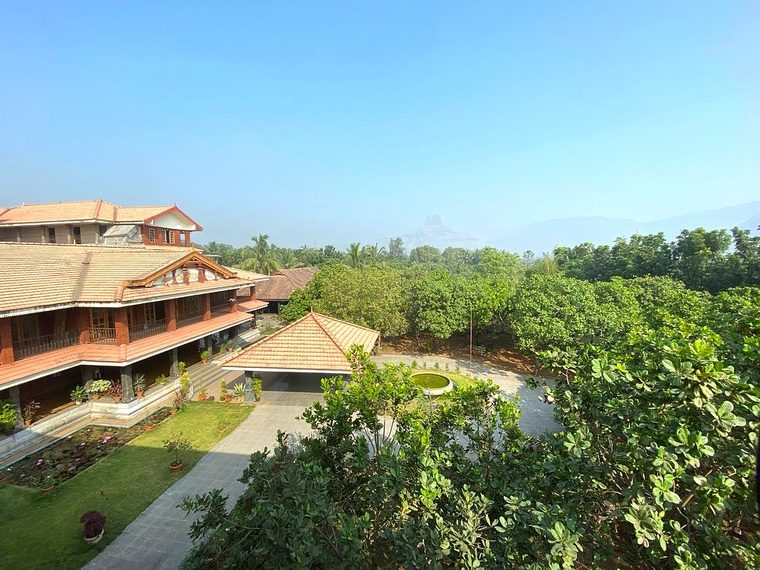 KeralaAyurvedic Village ResortAgni Ayurvedic VillageA dedicated Ayurvedic village resort in Kerala for immersive, residential Panchakarma.Learn more
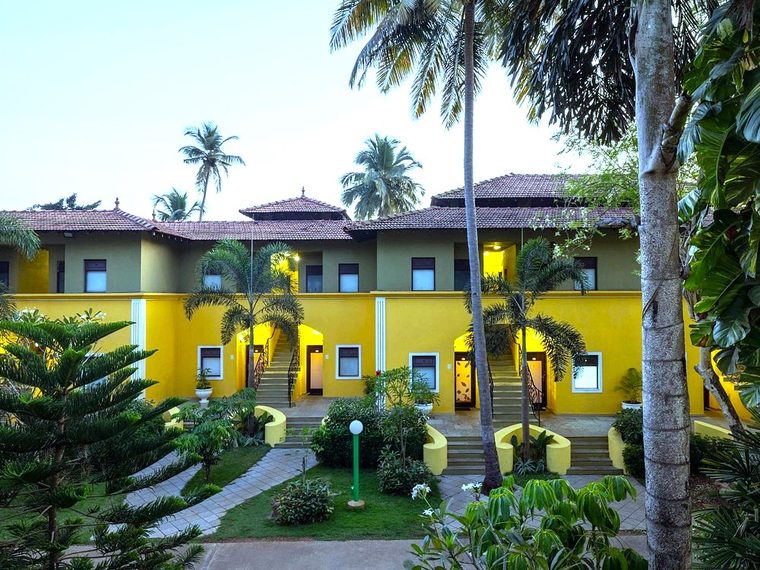 GoaAyurveda Wellness ResortMercure Goa DevaayaAn Ayurveda wellness resort in Goa combining classical therapies with a relaxed coastal setting.Learn more
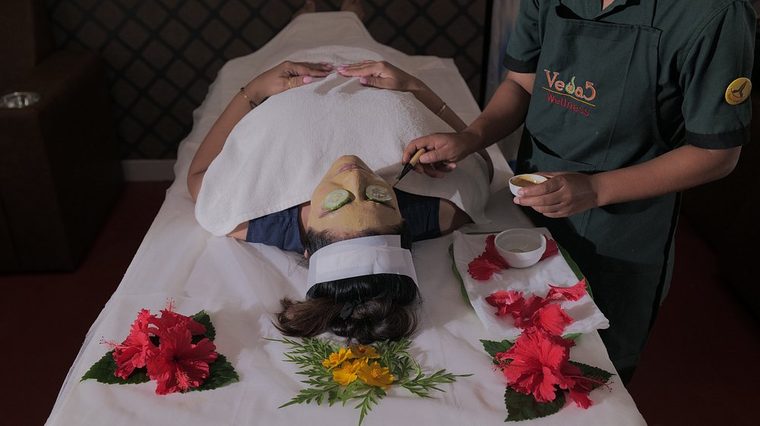 RishikeshLuxury Ayurveda & YogaVeda5 RetreatA luxury Ayurveda & yoga retreat in Rishikesh, blending classical therapy with the Himalayas.Learn more
 BengaluruIntegrative Holistic HealthSoukya InternationalA globally recognised centre for classical Ayurveda and integrative holistic care in Bengaluru.Learn more
 Delhi NCRCountryside Wellness RetreatNamaste DwaarA countryside wellness retreat near Delhi offering restful, doctor-led Ayurveda programmes.Learn more
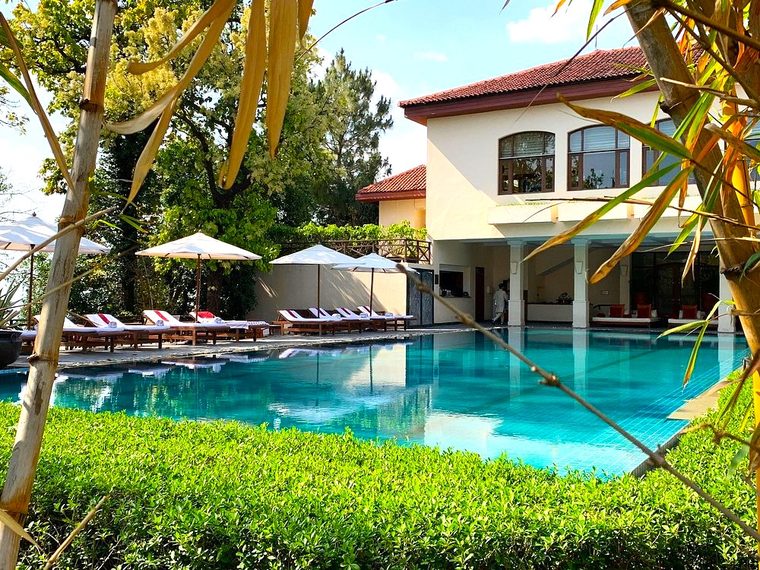 UttarakhandLuxury Himalayan RetreatAnanda in the HimalayasAn award-winning luxury wellness retreat in the Himalayas with dedicated Ayurveda programmes.Learn more
Ayurveda Visa for German Patients Travelling to India
German citizens are currently eligible to apply for India's e-Visa, subject to the applicable requirements. Germany is listed among the countries eligible for India's e-Visa system. The official Indian e-Visa system permits medical treatment, including treatment under Indian systems of medicine. The Government of India also provides an e-Medical Visa for e-Ayush purposes. For an e-Ayush application, the official requirements include a scanned passport bio page and a letter from the hospital concerned in India containing the proposed or tentative admission/treatment date. The Government of India's current fee schedule also includes Germany for e-Ayush visa services. Visa requirements, documentation, permitted duration and application procedures can change. German patients should therefore verify the latest requirements through the official Government of India visa system before travelling.
MyVaidyam can assist patients in understanding the general travel and documentation process, but visa approval is determined by the relevant Indian authorities.
What Documents Should German Patients Prepare?
Before travelling, keep copies of:
- Passport
- Visa documents
- Medical reports
- Flight itinerary
- Travel insurance
- Prescription list
- Medication details
- Allergy information
- Important phone numbers
- Emergency contact details
- Accommodation confirmation
- Ayurveda programme confirmation
- Doctor's letter where appropriate
It is useful to keep both digital and printed copies of important documents.
What Should German Patients Pack for Ayurveda Treatment?
Comfortable clothing is particularly useful for residential Ayurveda programmes. Consider packing:
- Sunscreen
- Medical reports
- Travel documents
- Insurance documents
- Comfortable footwear
- Loose cotton clothing
- Comfortable nightwear
- Prescription medicines
- Mobile phone and charger
- Personal hygiene products
- Copies of important documents
For oil-based Ayurvedic therapies, patients may also wish to bring older or comfortable clothing that can be used during treatment.
Food and Diet for German Patients
Food is an important part of many Ayurvedic programmes. Before travelling, tell the centre about:
- Diabetes
- Food allergies
- Food preferences
- Vegan requirements
- Gluten intolerance
- Lactose intolerance
- Vegetarian requirements
- Religious or personal dietary restrictions
Patients should ask the Ayurveda centre whether suitable meals can be provided before booking. International centres may have experience accommodating international dietary preferences, but this should always be confirmed in advance.
Travel Insurance for German Patients
Travel insurance is particularly important when travelling from Germany to India. The German Federal Foreign Office recommends adequate travel health insurance for travel to India and specifically advises checking whether the insurance covers medical evacuation or repatriation where required. Before travelling, German patients should check:
- Medical expenses
- Emergency evacuation
- Repatriation to Germany
- Whether India is covered
- Treatment-related exclusions
- Pre-existing medical conditions
- Cancellation and interruption cover
- Whether the entire journey is covered
- Any exclusions relating to planned treatment
Patients should carefully read their policy before travelling and understand whether planned medical or wellness treatment is covered.
How MyVaidyam Helps German Patients Plan Ayurveda in India
Travelling to another country for a longer Ayurveda programme involves more than selecting a treatment. MyVaidyam can assist German patients with the planning process.
- 1Understand Your RequirementsPatients can share their Ayurveda and wellness goals with MyVaidyam.
- 2Explore Suitable OptionsMyVaidyam can help identify Ayurveda centres and programme options that may match the patient's requirements.
- 3Understand Treatment ProgrammesPatients can request information about:
- Food
- Therapies
- Accommodation
- Programme duration
- Additional services
- Practitioner consultation
- 4Compare CostsPatients can request programme estimates and understand what is included.
- 5Plan TravelMyVaidyam can assist with relevant travel coordination according to the services selected.
- 6Airport TransferAirport pickup and transfer arrangements may be available depending on the selected programme.
- 7International Patient SupportPatients can receive assistance with communication and coordination during the planning process.
- 8Post-Treatment GuidanceWhere available, MyVaidyam can help maintain communication after the patient returns to Germany.
What Should German Patients Ask Before Booking?
Before paying for an Ayurveda programme, ask:
- 1.Are meals included?
- 2.What should I bring?
- 3.What is the total cost?
- 4.Are medicines included?
- 5.How long is the programme?
- 6.Is accommodation included?
- 7.What therapies are included?
- 8.Are airport transfers included?
- 9.Is English-speaking support available?
- 10.Who will conduct my Ayurvedic consultation?
- 11.What qualifications does the practitioner have?
- 12.Can my accompanying family member stay with me?
- 13.What happens if I need to cancel or change my dates?
- 14.What happens if I need conventional medical attention?
- 15.What medical information should I provide before arrival?
Ayurveda for German Patients: What to Consider Before You Travel
Travelling to India for Ayurveda is a significant decision. Before making arrangements:
- Check accommodation
- Understand the programme
- Bring your medical records
- Research the Ayurveda centre
- Understand visa requirements
- Check practitioner credentials
- Request a written cost estimate
- Ask about emergency arrangements
- Arrange appropriate travel insurance
- Tell the practitioner about your medicines
- Check medication requirements for travel to India
- Check insurance coverage for pre-existing conditions
- Discuss your travel plans with your doctor if appropriate
- Review current German Federal Foreign Office travel advice
- Check current health and vaccination advice before travelling
- Avoid making decisions based solely on testimonials or online claims
The German Federal Foreign Office recommends seeking travel-medical advice before travelling to India, reviewing vaccinations and taking appropriate travel health and evacuation insurance. A well-planned journey can make the experience more organised and comfortable.
What International Patients Say
9 stories from our patient records
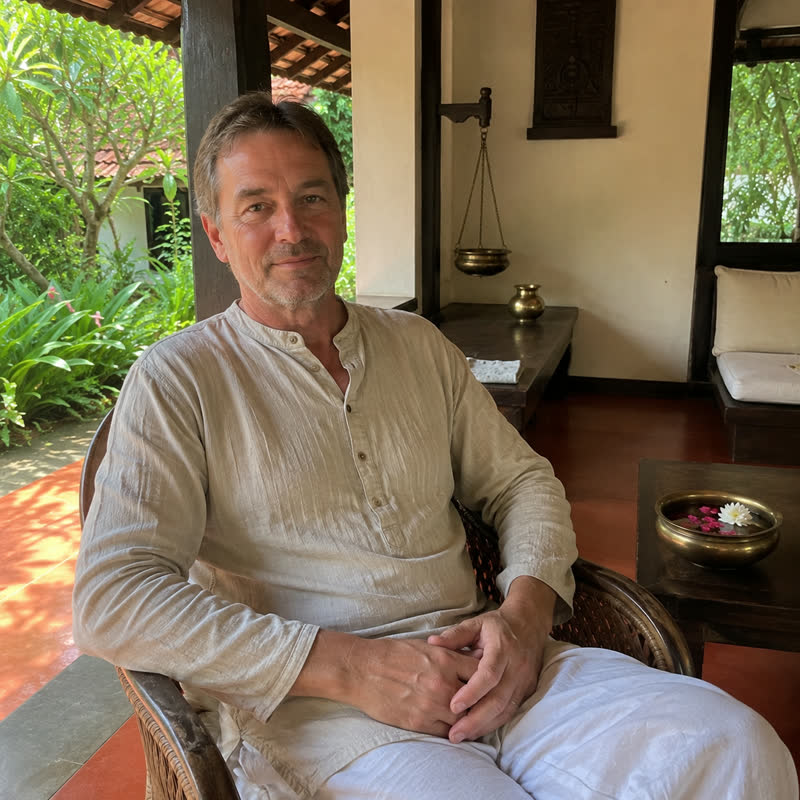 Hans Muller, 5521-Day Panchakarma Detox Program in IndiaArriving with professional scepticism and leaving with something he could not easily quantify, Mr. Hans Muller, 55, from Germany completed the 21-Day Panchakarma Detox Program in India with MyVaidyam Team. His sleep and energy shifted in ways years of conventional care had not achieved. “I would not have believed this outcome before I experienced it,” he shared.Read Full Story
 Michael Weber, 36Ulcerative Colitis Treatment in IndiaAfter six years of unpredictable ulcerative colitis flares, Michael Weber, 36, from Germany sought complementary support with MyVaidyam Team's Ulcerative Colitis Treatment in India. The careful, honest care brought steadier digestion. “I genuinely feel more in control of my condition now,” he shared.Read Full Story
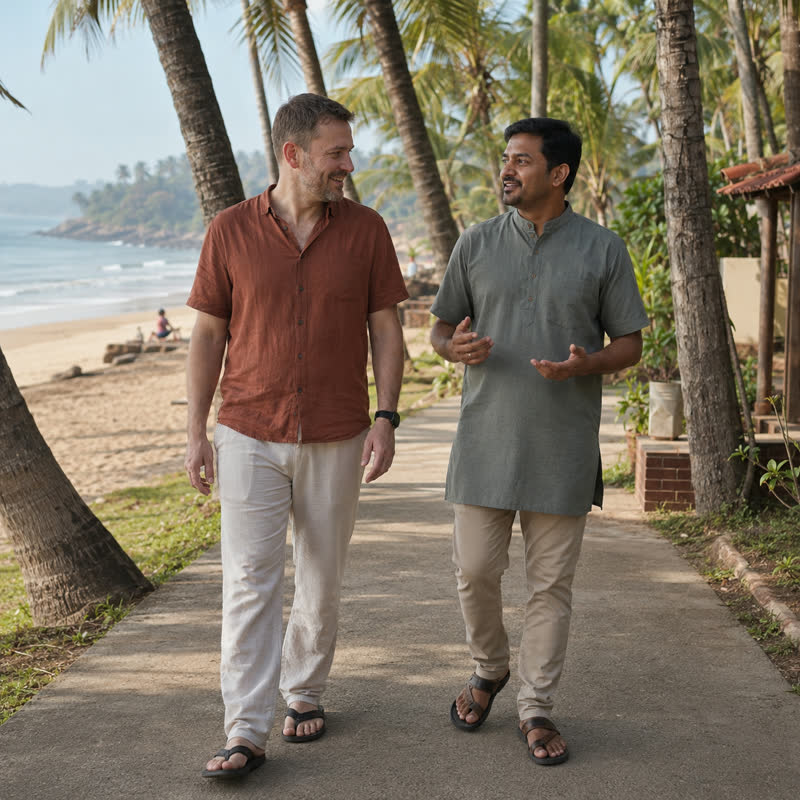 Thomas Schmidt, 41Cervical Spondylosis Treatment in IndiaAfter his daughter noticed him constantly rubbing his neck, Thomas Schmidt, 41, from Germany chose MyVaidyam Team's Cervical Spondylosis Treatment in India. The practical, honest care brought real, lasting relief. “I'm turning my head with far less discomfort now,” he shared.Read Full Story
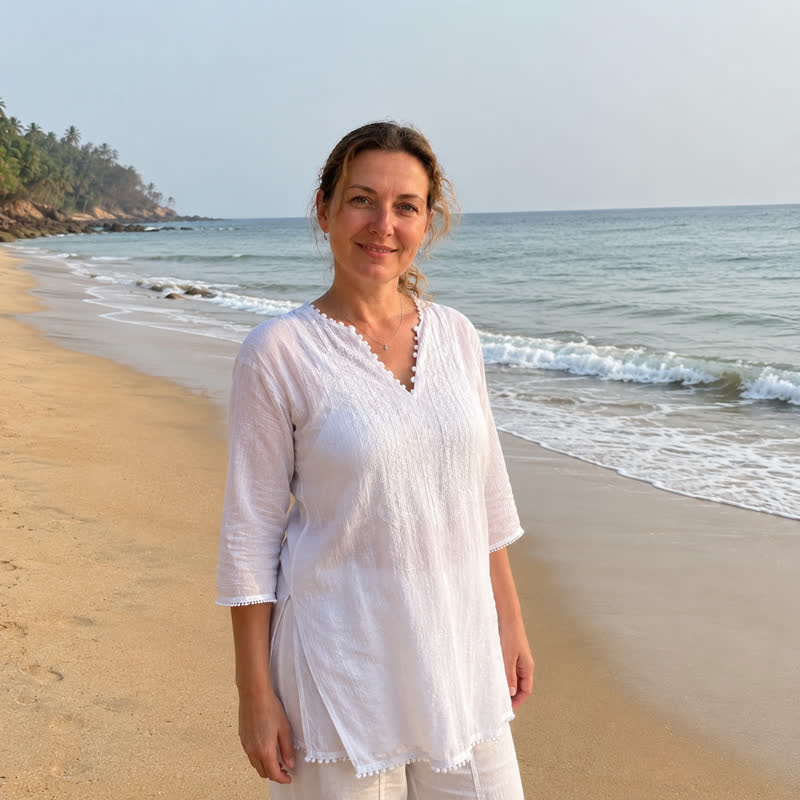 Ekaterina Ivanova, 38Ayurveda Treatment for Migraine in IndiaWhen one more cancelled weekend made the pattern impossible to ignore, Ekaterina Ivanova, 38, from Russia decided to try MyVaidyam Team's Ayurveda Treatment for Migraine in India. The honest, personalised care brought noticeably fewer, milder episodes. “My migraines are far less frequent now, and they pass faster,” she shared.Read Full Story
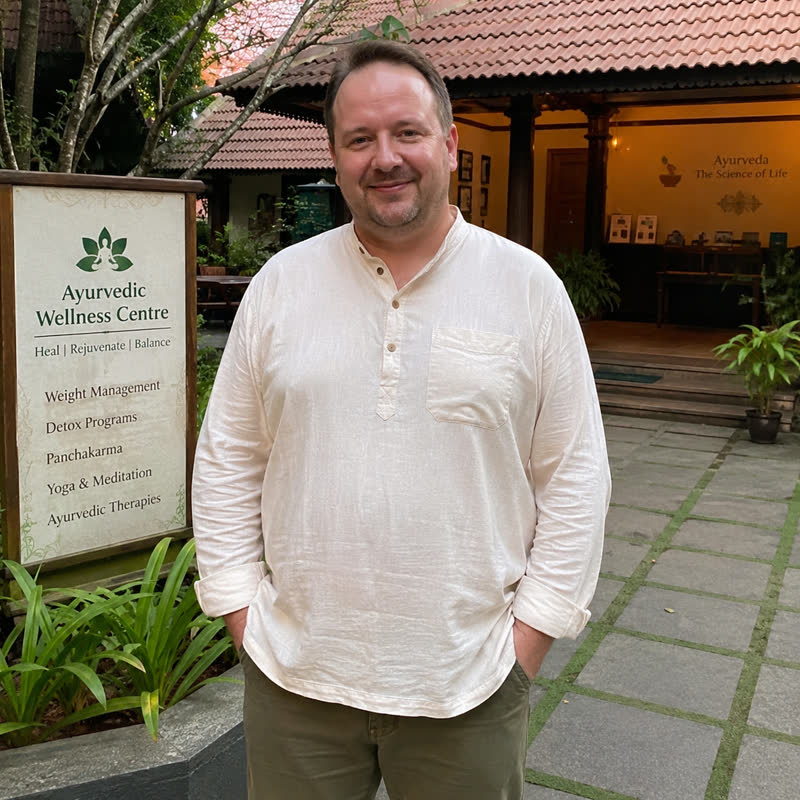 Daniel Meier, 39Ayurvedic Weight Loss Program in IndiaWhen his daughter asked why he was always too tired after dinner, Daniel Meier, 39, from Switzerland chose MyVaidyam Team's Ayurvedic Weight Loss Program in India. The honest, sustainable approach gave him real, lasting energy. “I have real energy in the evenings now,” he shared.Read Full Story
 Camille Dubois, 37Disc Bulge Protrusion Treatment in IndiaAfter three years of recurring numbness from a disc bulge, Camille Dubois, 37, from France chose MyVaidyam Team's Disc Bulge Protrusion Treatment in India. The targeted, honest care brought real, lasting relief. “I'm moving with far less guardedness now,” she shared.Read Full Story
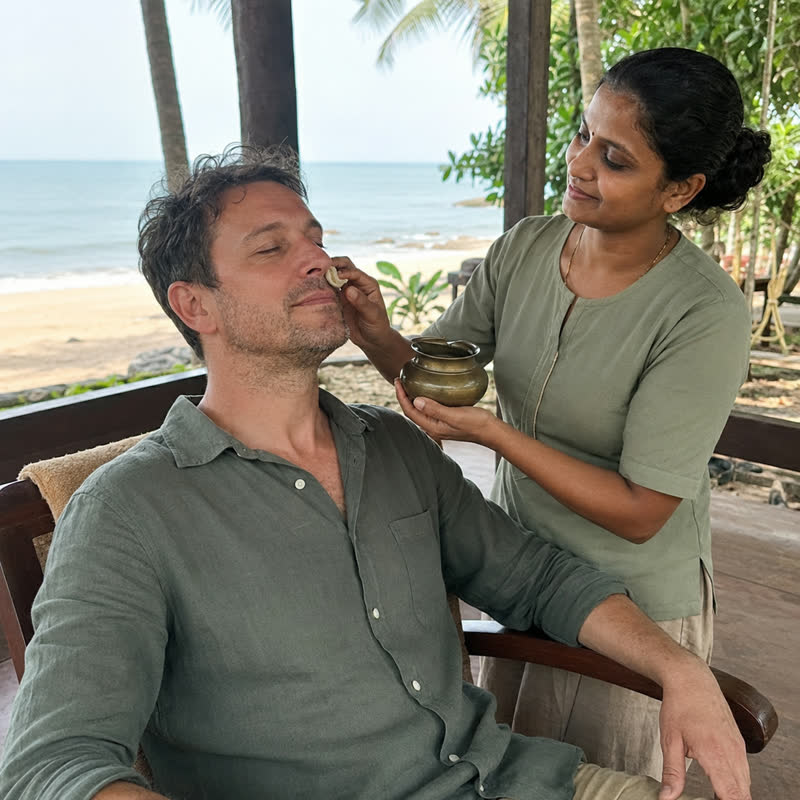 Felix Gruber, 39Sinusitis Treatment in IndiaAfter nearly five years of recurring sinusitis and repeated antibiotics, Felix Gruber, 39, from Austria finally chose MyVaidyam Team's Sinusitis Treatment in India. The honest, Nasya-based approach brought real, lasting relief and easier breathing. “My congestion has eased significantly,” he shared.Read Full Story
 Ivan Ivanov, 44Immunity Boosting Detox Program in IndiaTired of falling ill every winter, Ivan Ivanov, 44, from Bulgaria turned to MyVaidyam Team's Immunity Boosting Detox Program in India. The tailored, honest approach left him noticeably stronger and more resilient. “I feel stronger heading into this winter than I have in years,” he shared.Read Full Story
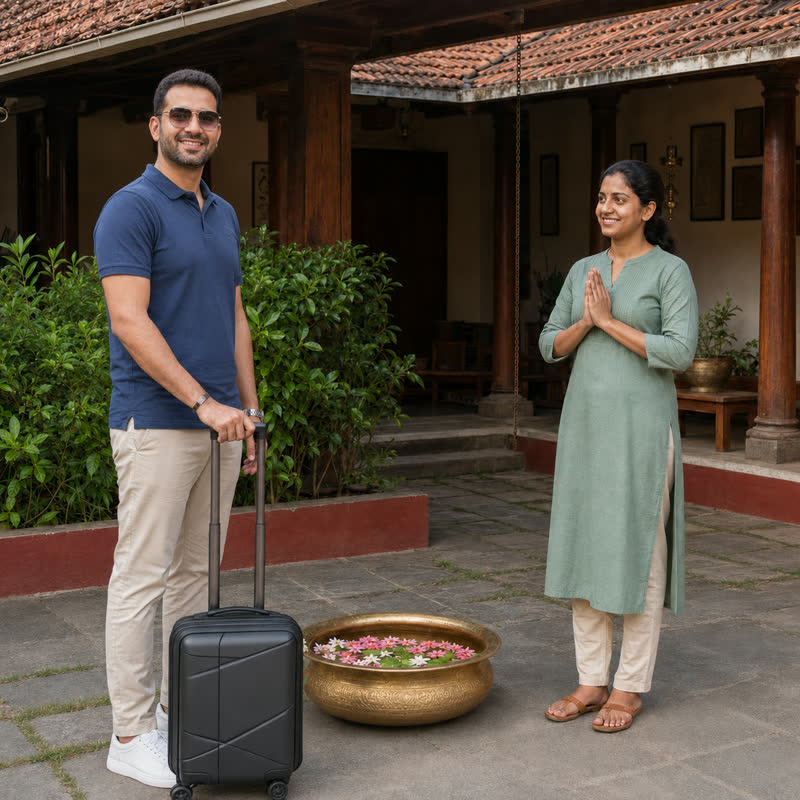 Mohammed Al Mansoori, 42Fatty Liver & Liver Detox Program in IndiaAfter a routine check-up flagged early fatty liver disease, Mohammed Al Mansoori, 42, from the UAE chose MyVaidyam Team's Fatty Liver & Liver Detox Program in India to support his lifestyle changes alongside his doctor's care. “It's given me a real, sustainable starting point,” he shared.Read Full Story
Ayurveda Treatment in India — Planned From Your City
Every city reaches India differently. Pick yours for flights, the time difference, visa and the best season to travel.
 Germany20 city guides
- Berlin3.5–4.5 hrs
- Bonn3.5–4.5 hrs
- Bremen3.5–4.5 hrs
- Cologne3.5–4.5 hrs
- Dortmund3.5–4.5 hrs
- Dresden3.5–4.5 hrs
- Düsseldorf3.5–4.5 hrs
- Essen3.5–4.5 hrs
- Frankfurt3.5–4.5 hrs
- Freiburg3.5–4.5 hrs
- Hamburg3.5–4.5 hrs
- Hanover3.5–4.5 hrs
- Heidelberg3.5–4.5 hrs
- Karlsruhe3.5–4.5 hrs
- Leipzig3.5–4.5 hrs
- Mannheim3.5–4.5 hrs
- Munich3.5–4.5 hrs
- Münster3.5–4.5 hrs
- Nuremberg3.5–4.5 hrs
- Stuttgart3.5–4.5 hrs
Frequently Asked Questions About Ayurveda in India for German Patients
1. What visa do I need from Germany?
German passport holders can apply online for India's e-Ayush Visa, the category created for treatment under Indian systems of medicine such as Ayurveda. A family member travelling with you can apply for the e-Ayush Attendant Visa. We help with the centre's treatment letter.
2. Is Ayurveda treatment in India safe for German patients?
Yes, when you choose a qualified, doctor-led centre. MyVaidyam recommends only centres with registered Ayurvedic physicians and reliable medicine-quality practices, and we review your reports before recommending anything.
3. How much does Ayurveda treatment in India cost for German patients?
A residential programme in India - with accommodation, meals, doctor consultations and daily therapies - usually costs less than a much shorter private wellness stay closer to home. You receive a full written quote before booking.
4. Will my German health insurance cover Ayurveda treatment in India?
Most German health plans do not cover Ayurvedic treatment abroad. Check with your insurer, and consider travel insurance for the trip.
5. When is the best time to travel from Germany to India for Ayurveda?
October-March (dry, settled weather across South India, and a mild escape from the German winter) or June-August (Kerala's classical monsoon therapy season).
6. Can German citizens travel to India for Ayurveda treatment?
Eligible German citizens can apply for India's e-Visa, and the official Indian e-Visa system permits medical treatment, including treatment under Indian systems of medicine. Patients should verify the current visa requirements before travelling.
7. What is the best place in India for Ayurveda for German patients?
Kerala is one of the major destinations associated with Ayurveda, but suitable centres are also available in other Indian states. The right location depends on the programme, practitioner, accommodation and patient's requirements.
8. How long should I stay in India for Ayurveda?
The duration depends on the programme. Wellness programmes may be shorter, while Panchakarma and extended programmes may require several weeks.
9. What is Panchakarma?
Panchakarma is a traditional Ayurvedic therapeutic programme involving different stages and therapies selected according to an individual's Ayurvedic assessment.
10. Can I come to India alone for Ayurveda?
Yes, international patients may travel independently, although some patients prefer assistance with airport transfers, accommodation and treatment coordination.