Ayurveda in India for Mauritian Patients
Introduction
MyVaidyam helps international patients from Mauritius explore suitable Ayurveda treatment and wellness options in India. If you are considering travelling from Mauritius to India for Ayurveda, it is important to understand the available programmes, treatment duration, accommodation, expected costs, travel arrangements, visa requirements and practical considerations before making a decision. MyVaidyam can help Mauritian patients explore suitable Ayurveda centres, understand programme details, compare available options and plan their journey to India.
Why Are Mauritian Patients Interested in Ayurveda in India?
Ayurveda is a traditional Indian system of health and wellness that has been practised for centuries. Mauritian patients may consider Ayurveda in India when they are looking for:
- Lifestyle and dietary guidance
- Yoga and meditation alongside Ayurveda
- Longer residential wellness programmes
- Panchakarma and rejuvenation programmes
- Traditional Ayurvedic wellness programmes
- Stress-management and relaxation experiences
- A structured wellness experience in a traditional Ayurveda setting
Mauritius also has strong cultural and historical connections with India, making India a familiar and accessible destination for many Mauritian travellers interested in Indian traditions and wellness.
Why Choose India for Ayurveda Treatment?
India is the origin of Ayurveda and has a wide range of Ayurveda hospitals, centres, wellness resorts and residential treatment facilities. Mauritian patients can explore different locations and programme styles depending on their goals, preferred accommodation, treatment duration and budget. Potential advantages include:
- Residential treatment programmes
- Different accommodation categories
- Ayurvedic diet and lifestyle programmes
- Access to traditional Ayurvedic therapies
- Qualified Ayurveda practitioners and therapists
- Yoga and meditation facilities at selected centres
- International patient assistance at selected facilities
- Options ranging from short wellness stays to longer programmes
The appropriate programme should be selected according to the individual's goals, health history, current medicines and assessment by a qualified Ayurvedic practitioner.
Key Facts at a Glance
- Country
- Mauritius
- Destination
- India
- Main wellness systems
- Ayurveda, Yoga & Meditation
- Popular programmes
- Panchakarma, Rejuvenation, Wellness
- Typical short stay
- 5–7 days
- Typical rejuvenation stay
- 7–14 days
- Typical Panchakarma stay
- 14–21 days
- Longer programmes
- 21–28 days or longer
- Popular destinations
- Kerala, Goa, Karnataka, Tamil Nadu, Delhi, Mumbai
- Visa
- Indian visa/e-Visa required according to the applicable purpose
- Ayurveda visa route
- e-Ayush Visa is available under the e-Medical Visa framework
- Attendant option
- e-Ayush Attendant Visa
- Travel insurance
- Recommended
- Passport
- Check current Indian visa requirements before applying
Ayurveda Treatments Available for Mauritian Patients in India
MyVaidyam can help Mauritian patients explore different types of Ayurveda programmes, including:
| Ayurveda Programme | General Focus |
|---|---|
| Panchakarma | A structured traditional Ayurvedic therapeutic programme generally involving consultation, preparation, selected therapies, diet, rest and post-treatment guidance |
| Ayurvedic Rejuvenation | Designed around traditional Ayurvedic approaches to relaxation, nourishment, recovery and general wellbeing |
| Stress & Relaxation | Programmes focused on relaxation, restorative therapies, yoga, meditation and lifestyle support |
| Ayurvedic Weight Management | Programmes combining Ayurvedic dietary guidance, therapies, activity and lifestyle recommendations |
| Joint Wellness | Traditional Ayurvedic therapies and wellness approaches intended to support mobility, comfort and general joint wellbeing |
| Back & Neck Wellness | Programmes focused on traditional therapies, relaxation and lifestyle practices for back and neck wellness |
| Sleep & Relaxation | Wellness programmes incorporating relaxation therapies, lifestyle guidance, yoga or meditation where appropriate |
| Skin & Hair Wellness | Traditional Ayurvedic treatments and wellness routines focused on skin and hair care |
| Women's Wellness | Ayurvedic wellness programmes designed around women's health and general wellbeing needs |
| Men's Wellness | Wellness programmes incorporating traditional Ayurvedic therapies, lifestyle guidance and rejuvenation practices |
| Healthy Ageing | Programmes focused on maintaining general wellbeing, mobility, relaxation and healthy lifestyle practices |
| General Wellness | Suitable for patients looking for a broader Ayurvedic wellness experience without focusing on one particular concern |
All-Inclusive Ayurveda Packages in India for Mauritian Patients
Structured programmes you can tailor with your physician — slide to see all six.
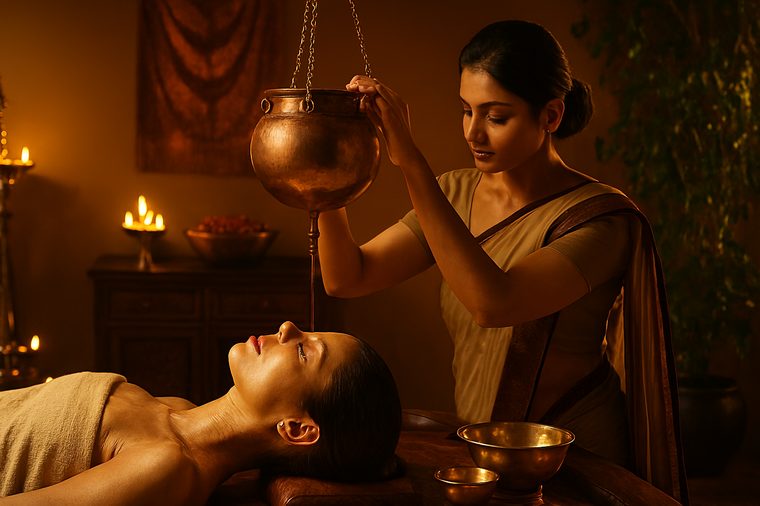 DetoxProgram FrameworkPanchakarma & DetoxClassical cleansing and reset programmes, the core of residential Ayurveda.Learn more
 Condition-specificProgram FrameworkDisease-Specific ProgramsTargeted programmes built around a specific chronic condition.Learn more
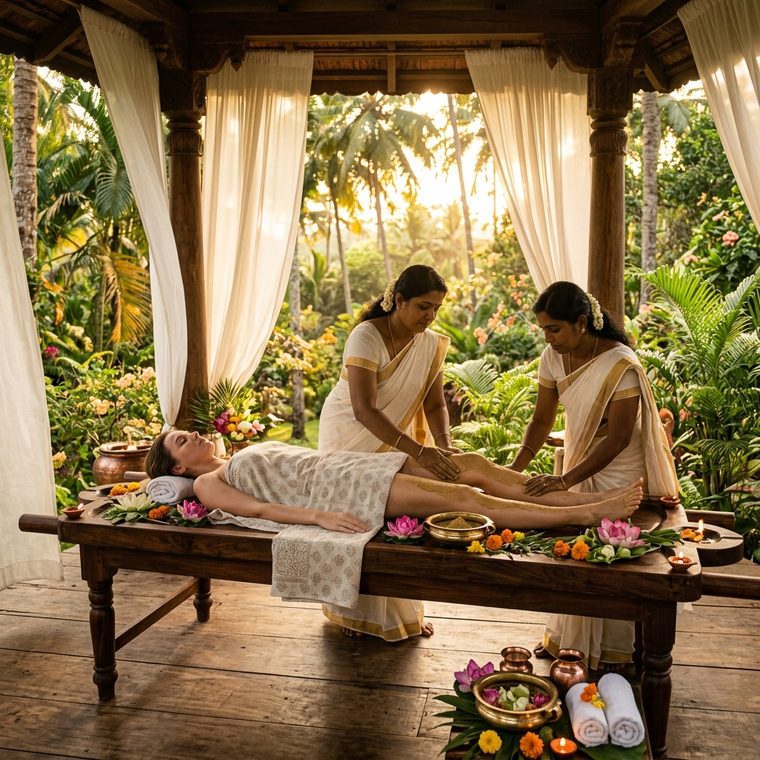 RejuvenationProgram FrameworkBeauty & RejuvenationRejuvenation and natural beauty programmes to restore glow and energy.Learn more
 WellnessProgram FrameworkLifestyle & WellnessPreventive lifestyle, diet and stress programmes for everyday wellbeing.Learn more
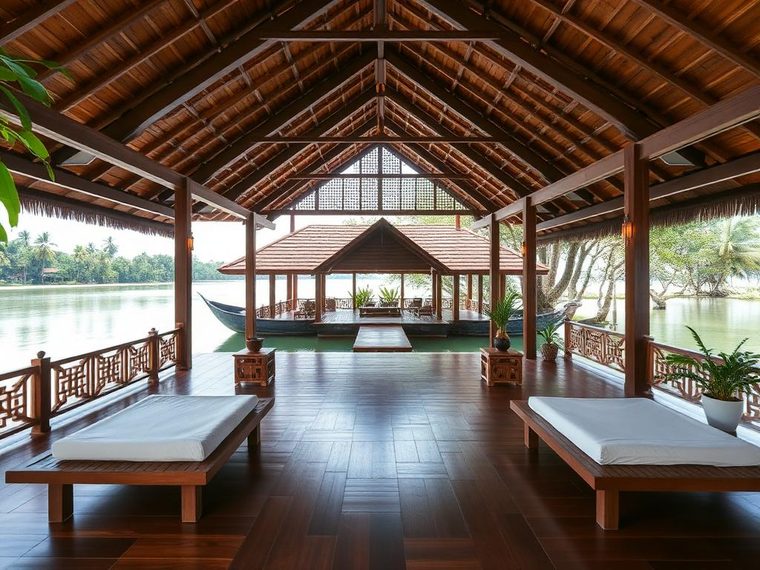 RetreatProgram FrameworkIntegrated RetreatAll-inclusive residential retreats blending therapy, yoga and rest.Learn more
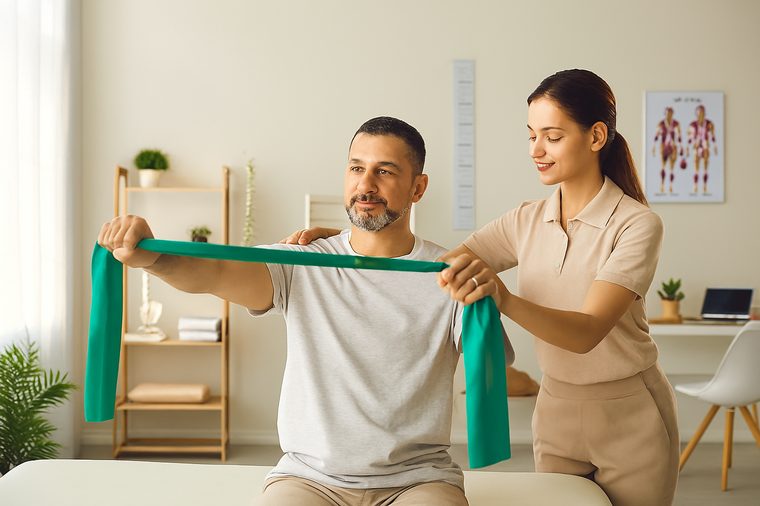 RecoveryProgram FrameworkRecovery & RehabilitationSupportive recovery and rehabilitation after illness or surgery.Learn more
Panchakarma in India for Mauritian Patients
Panchakarma is one of the most well-known traditional Ayurvedic therapeutic programmes. A typical programme may include:
- 1.Initial Ayurvedic consultation
- 2.Individual assessment
- 3.Preparation phase
- 4.Selected traditional therapies
- 5.Special Ayurvedic diet
- 6.Rest and relaxation
- 7.Yoga or meditation where appropriate
- 8.Post-treatment recommendations
- 9.Lifestyle guidance
The exact programme varies between patients and centres. Panchakarma duration may range from shorter programmes to approximately 14–21 days or longer residential programmes. Mauritian patients should not select a Panchakarma duration solely from information available online. The final programme should be decided after consultation and assessment by a qualified practitioner.
How Long Should a Mauritian Patient Stay in India?
The appropriate duration depends on the purpose of the visit and the selected programme.
Short Wellness Programme
Approximately 5–7 days. Suitable for patients looking for a shorter introduction to Ayurveda, relaxation or general wellness.
Rejuvenation Programme
Approximately 7–14 days. A longer stay allows more time for structured Ayurvedic therapies and lifestyle routines.
Panchakarma
Approximately 14–21 days. Traditional Panchakarma programmes commonly require a longer residential stay.
Extended Programme
Approximately 21–28 days or longer. Some patients may prefer a longer stay for a more comprehensive wellness programme. The recommended duration should ultimately be determined after consultation with the Ayurveda practitioner.
Best Places in India for Mauritian Patients Seeking Ayurveda
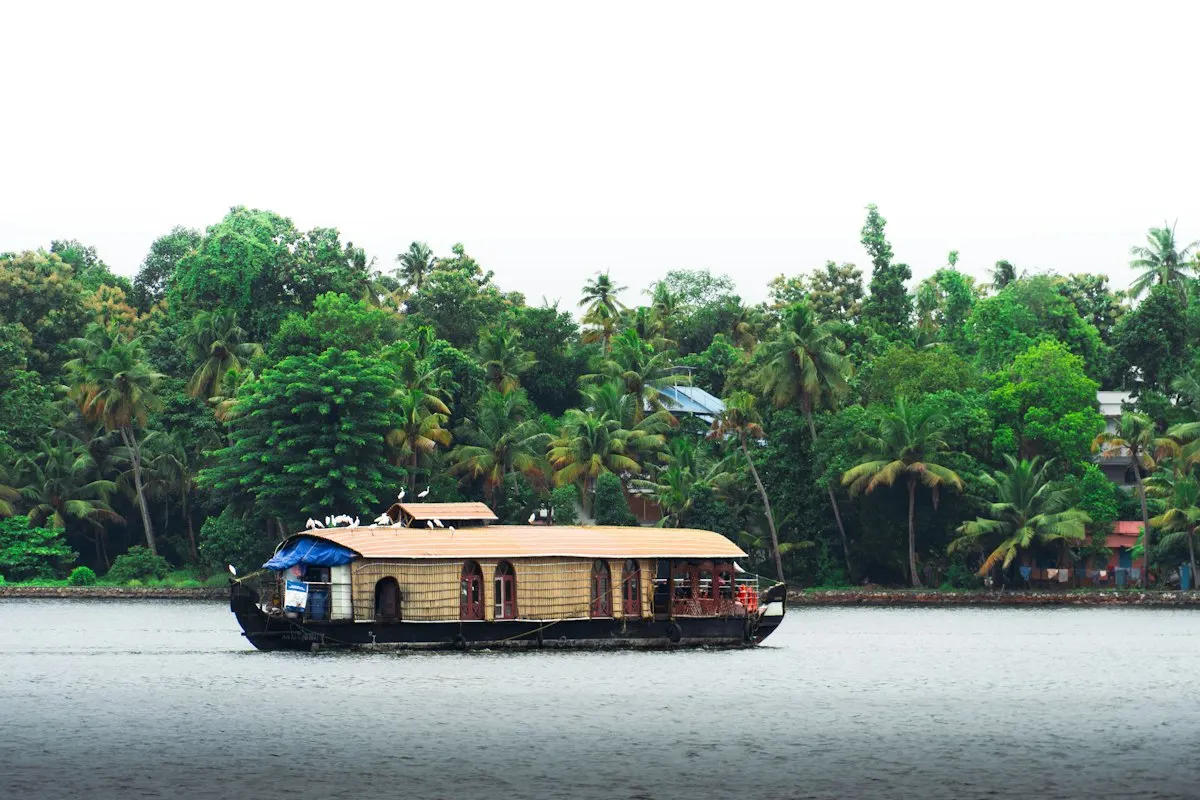
Kerala
Kerala is one of India's most recognised destinations for Ayurveda and offers a wide variety of Ayurveda hospitals, centres and wellness resorts. Kerala has three international airports — Thiruvananthapuram, Kochi and Kozhikode — so most centres are within a few hours of arrival. The monsoon months, and Karkidakam in particular (mid-July to mid-August), are traditionally regarded in Kerala as a favourable time for rejuvenation programmes, and many centres run a dedicated monsoon schedule.
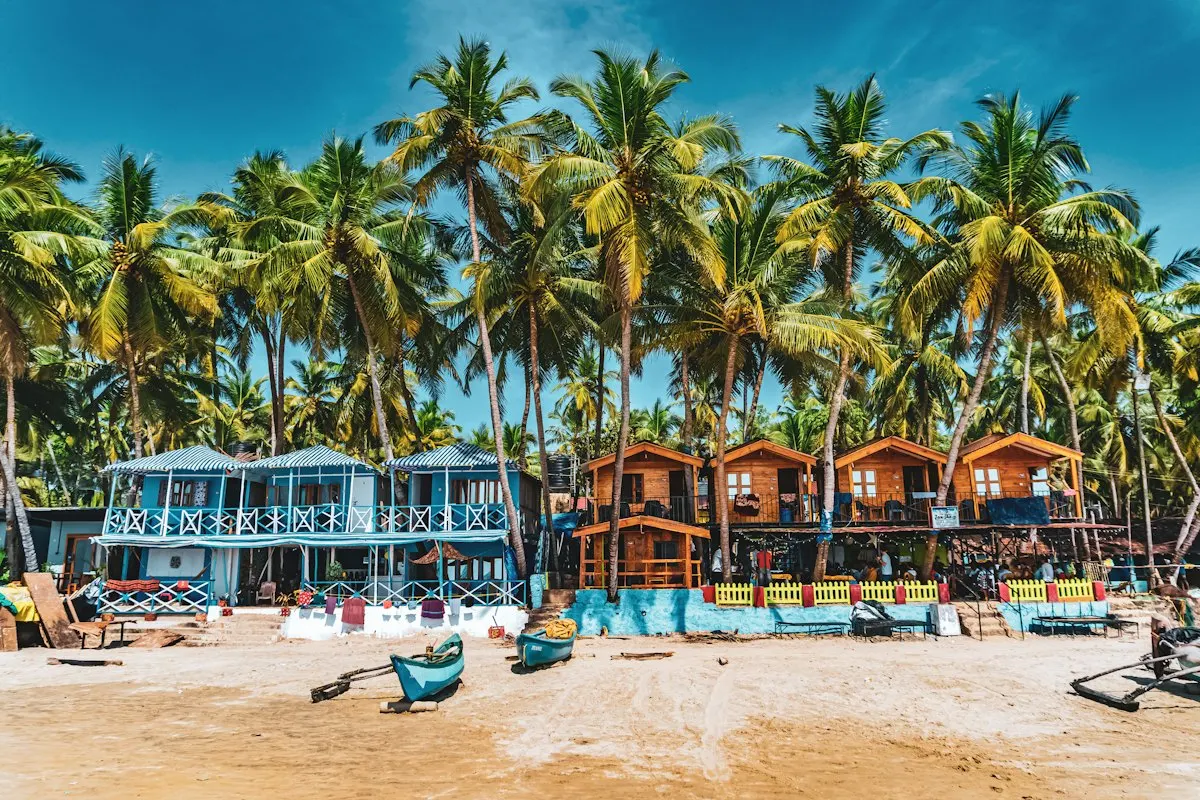
Goa
Goa combines Ayurveda and wellness with a relaxed coastal environment and offers a variety of residential wellness centres. Goa is served by two airports, Dabolim and Manohar International at Mopa, with direct and connecting flights from several countries. Centres are spread between the quieter beaches of South Goa and the busier north, and programmes here are often shorter than a full residential stay.
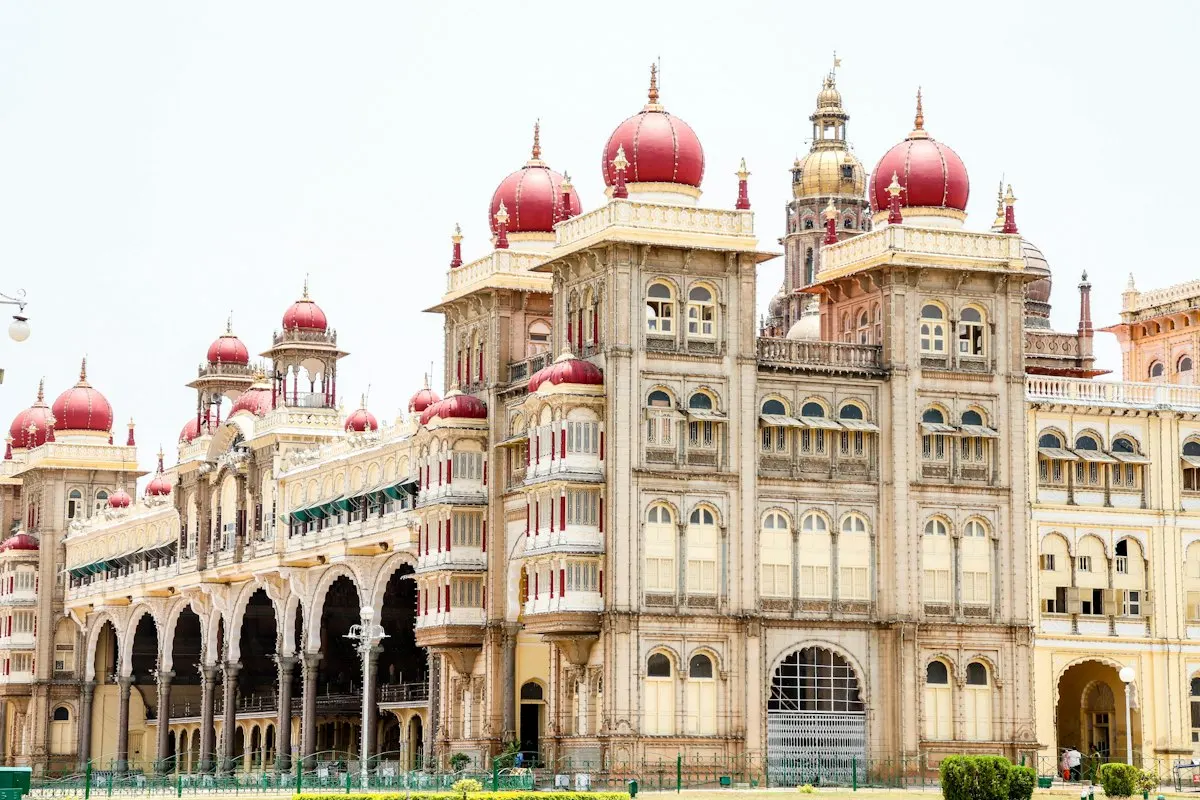
Karnataka
Karnataka has Ayurveda hospitals and wellness centres in several cities and destinations. Bengaluru's Kempegowda International Airport is one of India's busiest, which makes Karnataka straightforward to reach and to combine with onward travel. Options range from city clinics in Bengaluru to residential retreats around Mysuru and the Western Ghats.
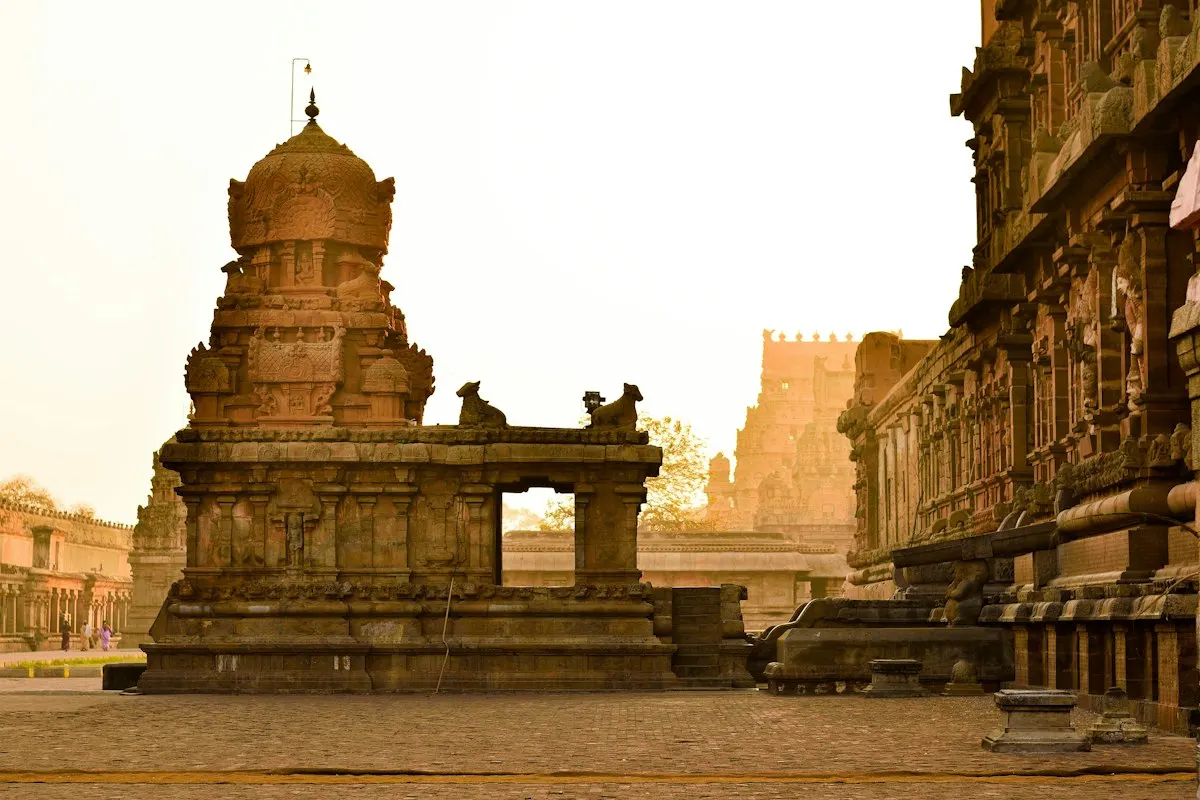
Tamil Nadu
Tamil Nadu offers Ayurveda and traditional Indian wellness facilities alongside its cultural and historical attractions. Chennai and Coimbatore both have international airports, and Coimbatore in particular has long-established Ayurveda hospitals and residential retreats. Tamil Nadu also has its own traditional system, Siddha, which some centres offer alongside Ayurveda.
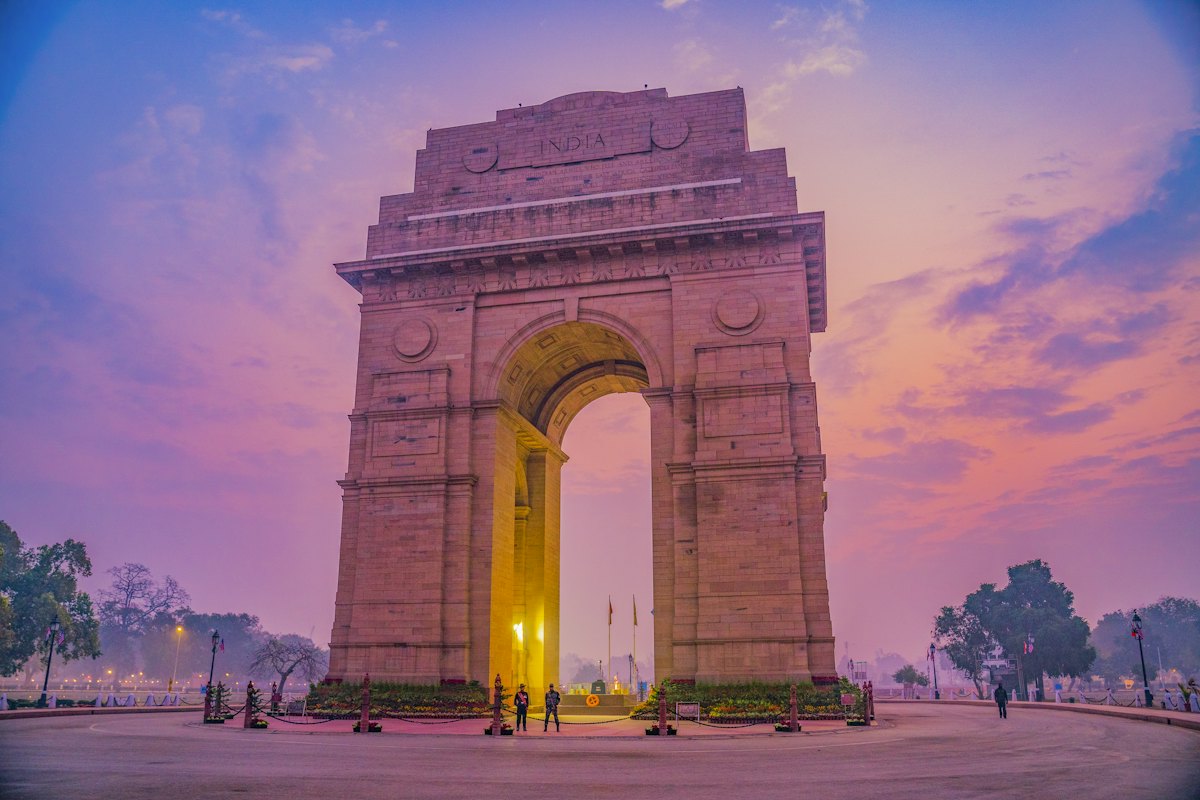
Delhi
Delhi can be convenient for international travellers looking for Ayurveda facilities in and around India's capital region. Indira Gandhi International Airport is India's largest hub, with direct flights from most regions, so Delhi suits patients who want to begin or end their journey in a major city. The wider NCR area has both urban Ayurveda clinics and countryside retreats within a few hours' drive.
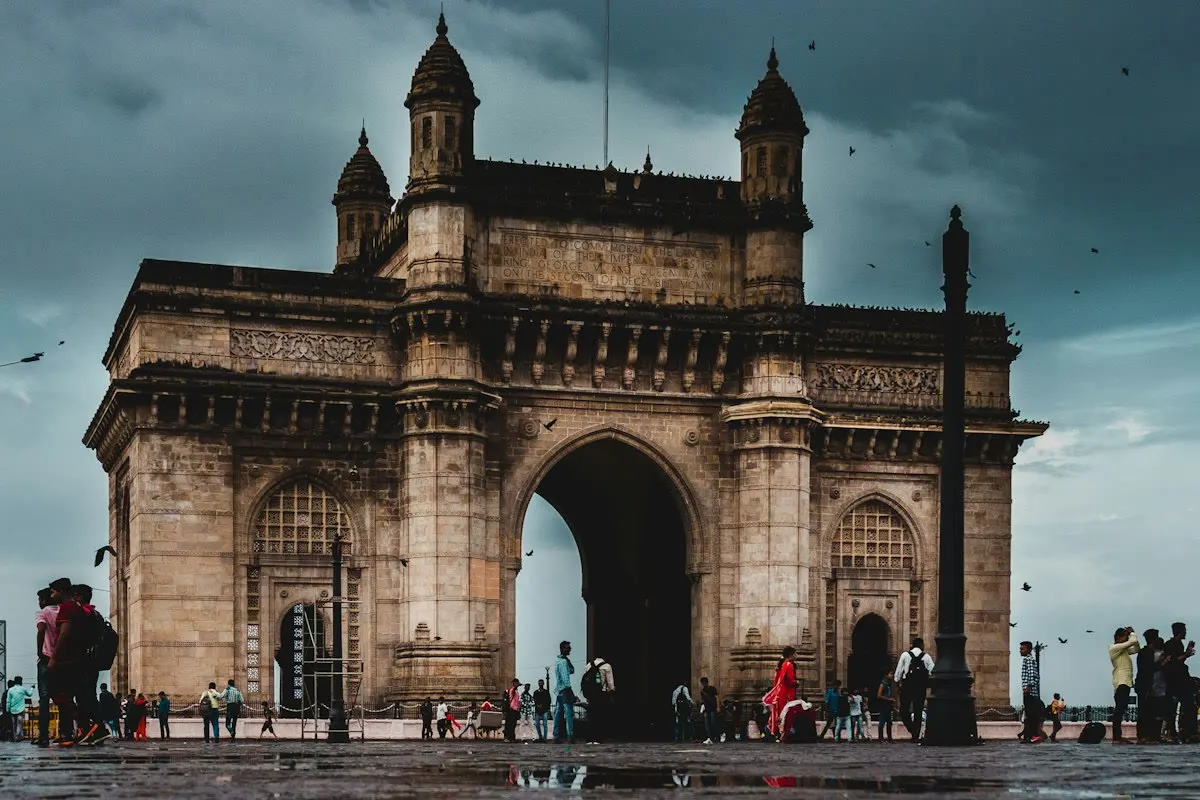
Mumbai
Mumbai offers access to Ayurveda and wellness facilities while also serving as a major international travel hub. The best destination depends on the programme, centre, accommodation preferences, airport connectivity and overall travel plan. Chhatrapati Shivaji Maharaj International Airport connects Mumbai to most major cities worldwide, and the city has a wide range of private hospitals should conventional care be needed. Several residential Ayurveda centres sit two to three hours away, around Panvel, Lonavala and the hills near Pune.
How Should Mauritian Patients Choose an Ayurveda Centre in India?
Before booking, Mauritian patients should consider:
Practitioner Qualifications
Check the qualifications and experience of the Ayurveda practitioners responsible for the programme.
Treatment Plan
Ask for a clear explanation of the proposed programme, therapies and expected duration.
Total Cost
Confirm the complete cost, including treatment, accommodation, meals, medicines and additional services.
Accommodation
Ask about room type, facilities, hygiene, accessibility and whether accommodation is located within the treatment facility.
Safety Arrangements
Understand what medical or emergency support is available if required.
Medicines
Ask whether medicines are included in the programme price and how they will be provided.
International Patient Support
For international patients, airport transfer, communication assistance and travel coordination can make the experience easier.
Ayurveda Hospitals & Wellness Centres in India for Mauritian Patients
A selection of the destinations we work with — use the arrows to explore. Each links to its full profile.
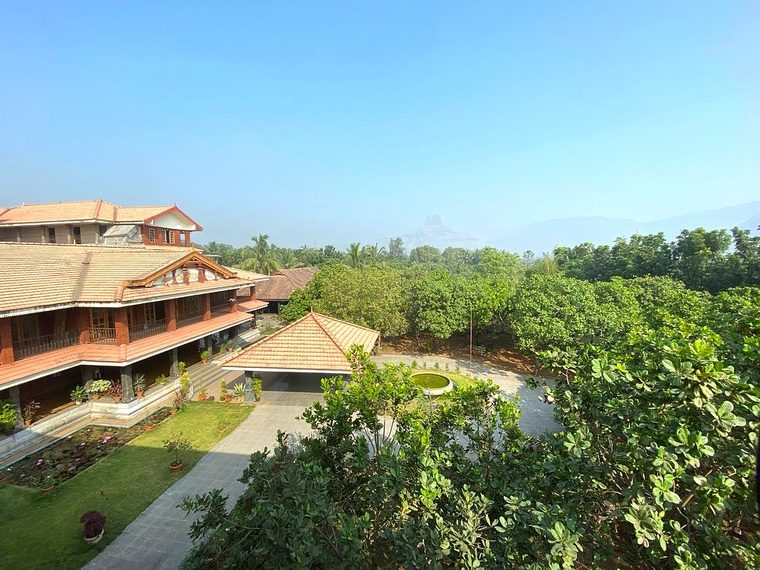 KeralaAyurvedic Village ResortAgni Ayurvedic VillageA dedicated Ayurvedic village resort in Kerala for immersive, residential Panchakarma.Learn more
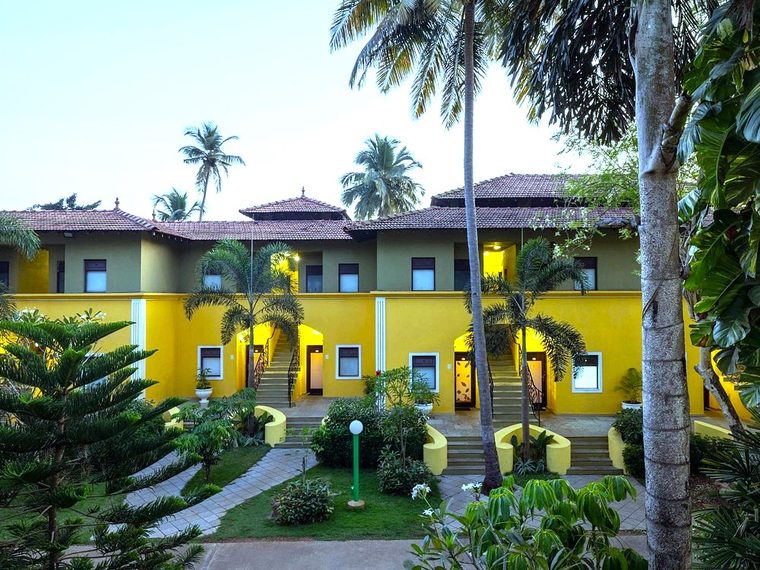 GoaAyurveda Wellness ResortMercure Goa DevaayaAn Ayurveda wellness resort in Goa combining classical therapies with a relaxed coastal setting.Learn more
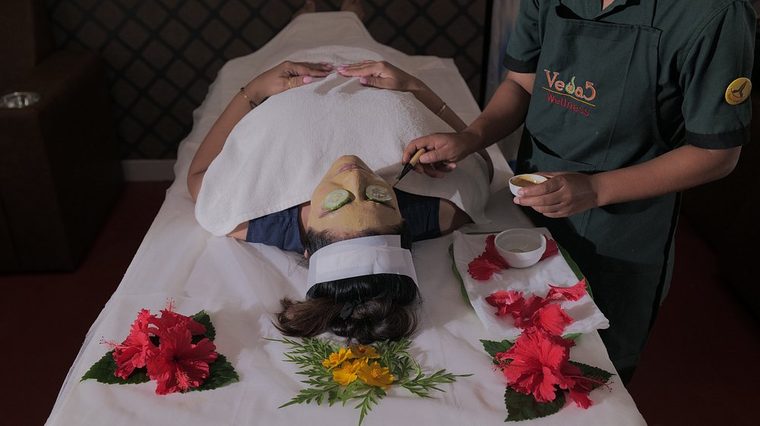 RishikeshLuxury Ayurveda & YogaVeda5 RetreatA luxury Ayurveda & yoga retreat in Rishikesh, blending classical therapy with the Himalayas.Learn more
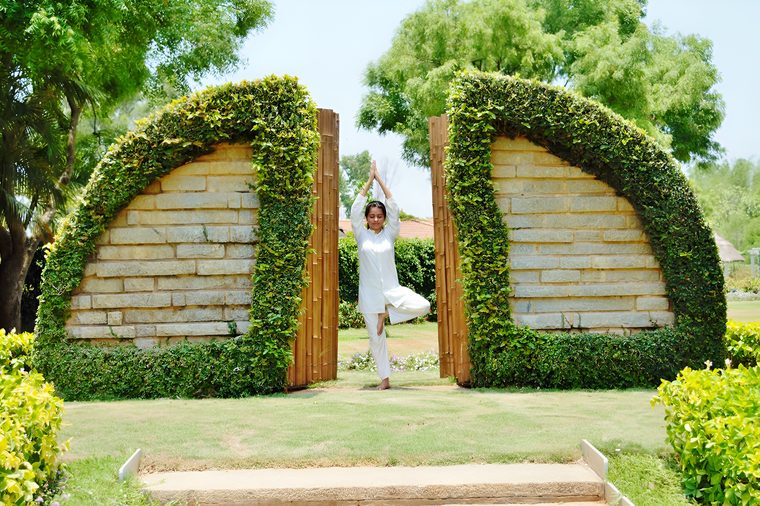 BengaluruIntegrative Holistic HealthSoukya InternationalA globally recognised centre for classical Ayurveda and integrative holistic care in Bengaluru.Learn more
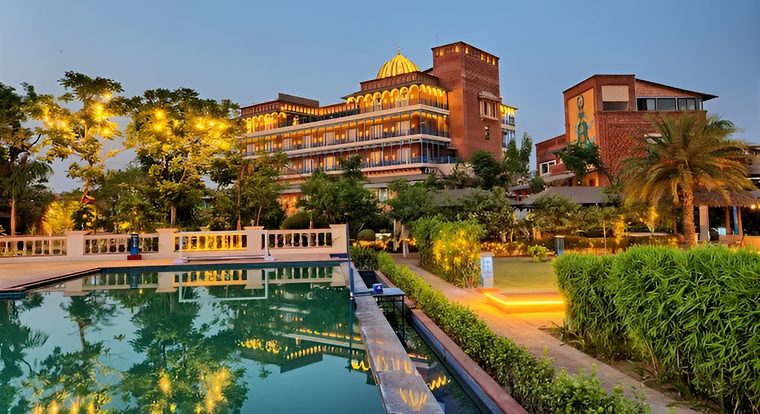 Delhi NCRCountryside Wellness RetreatNamaste DwaarA countryside wellness retreat near Delhi offering restful, doctor-led Ayurveda programmes.Learn more
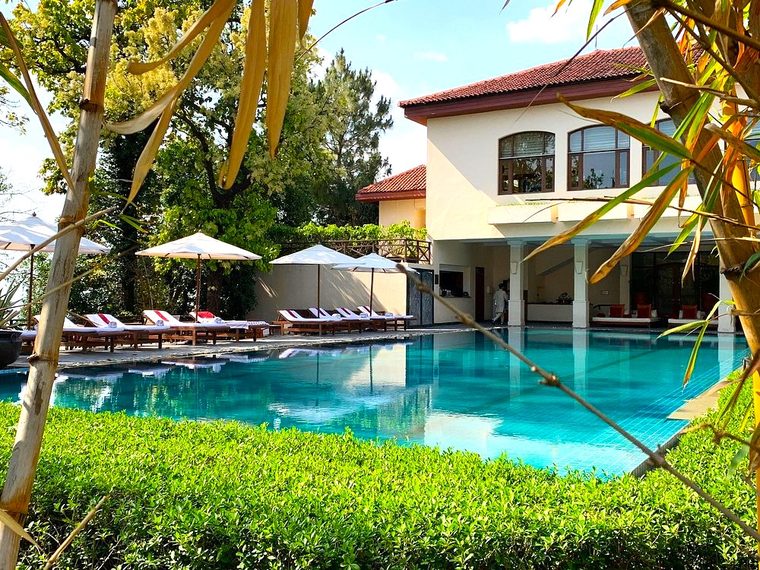 UttarakhandLuxury Himalayan RetreatAnanda in the HimalayasAn award-winning luxury wellness retreat in the Himalayas with dedicated Ayurveda programmes.Learn more
Ayurveda Visa for Mauritian Patients Travelling to India
Mauritian passport holders are currently listed among the nationalities eligible for India's e-Visa system. The Government of India's official e-Visa portal states that medical treatment, including treatment under Indian systems of medicine, is an eligible purpose for e-Visa travel. For Ayurveda-related treatment, the official portal specifically provides an e-Medical Visa for e-Ayush purposes. For an e-Ayush application, the Government of India lists:
- A letter from the concerned Indian hospital on its letterhead
- Scanned passport bio page showing photograph and personal details
- The proposed or tentative admission date included in the hospital letter
An e-Medical Attendant Visa for e-Ayush attendant purposes is also available for eligible accompanying persons. The current Government of India fee schedule separately lists Mauritius for e-Ayush and e-Ayush Attendant categories. The applicable fee should always be checked on the official portal before applying. The official Indian portal currently states that e-Medical and e-Medical Attendant applications can generally be submitted at least four days before arrival, within the applicable advance-application window. Visa requirements and fees can change, so Mauritian patients should verify the latest requirements on the official Government of India e-Visa portal before submitting an application. MyVaidyam can help explain the general visa process and assist with treatment-related documentation, but visa approval is decided by the Indian authorities.
What Documents Should Mauritian Patients Prepare?
Before travelling to India, it is useful to prepare:
- Flight booking details
- Current medication list
- Valid Mauritian passport
- Travel insurance documents
- Emergency contact information
- Indian visa or e-Visa approval
- Treatment or programme confirmation
- Copies of important travel documents
- Existing medical reports where relevant
- Passport-size photographs where required
- Prescription details for regular medicines
- Ayurveda centre/hospital letter where required for the relevant visa category
The Indian e-Visa portal states that a passport should generally have at least six months' validity when applying for an e-Visa. Keep digital copies of important documents in secure storage as well as accessible offline.
What Should Mauritian Patients Pack for Ayurveda Treatment?
Mauritian patients travelling to India should consider packing:
- Sunglasses
- Sun protection
- Personal medicines
- Personal toiletries
- Reusable water bottle
- Medical prescriptions
- Travel insurance details
- Copies of medical records
- Phone and charging equipment
- Comfortable sandals or footwear
- Comfortable, lightweight clothing
- Loose cotton clothing for treatments
- Any personal items required for a longer residential stay
If travelling during India's warmer months, lightweight breathable clothing can be particularly useful. Patients should also check with their selected centre regarding clothing requirements for therapies.
Food and Diet for Mauritian Patients
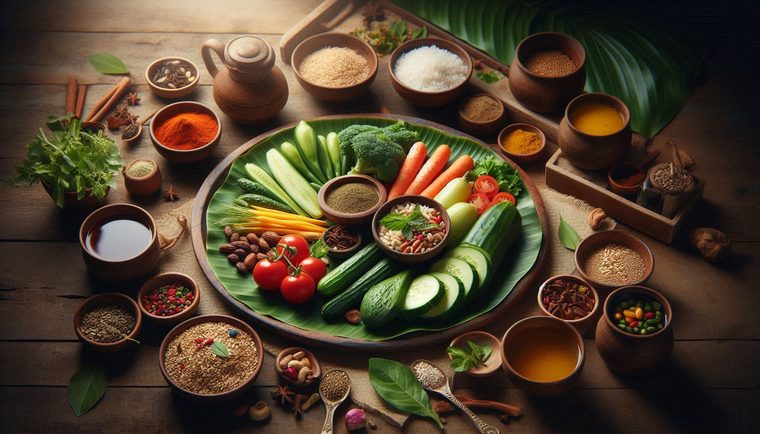
Food is an important part of many Ayurvedic programmes. Depending on the centre and treatment plan, patients may receive specially prepared meals based on traditional Ayurvedic dietary principles. Mauritian patients should inform the centre in advance about:
- Food allergies
- Food intolerances
- Foods they cannot consume
- Vegetarian or other dietary preferences
- Religious or personal dietary restrictions
- Any medically relevant dietary requirements
Patients should not assume that every centre can accommodate every dietary requirement. It is better to confirm this before booking.
Travel Insurance for Mauritian Patients
Travel insurance is an important consideration when travelling internationally for Ayurveda treatment. The Mauritius Ministry of Foreign Affairs' countrywise visa guidance recommends that travellers have appropriate travel documents, return or onward tickets, accommodation or invitation documentation, insurance and sufficient financial means for their stay. It also advises travellers to verify foreign-country entry requirements before departure because requirements can change. Mauritian patients travelling to India should consider insurance that clearly addresses:
- Repatriation
- Medical expenses
- Medical evacuation
- Emergency treatment
- Hospitalisation where applicable
- Pre-existing conditions, if relevant to the policy
- Trip interruption or cancellation where appropriate
Read the exclusions carefully, particularly if you are travelling specifically for treatment or have an existing medical condition.
How MyVaidyam Helps Mauritian Patients Plan Ayurveda in India
MyVaidyam can support Mauritian patients through the planning process.
Step 1: Understand Your Requirements
We first understand your wellness goals, preferred treatment type, expected duration and travel preferences.
Step 2: Explore Suitable Options
We help you explore Ayurveda centres and programmes that may match your requirements.
Step 3: Understand the Programme
You can review the proposed therapies, accommodation, diet, duration and daily schedule.
Step 4: Compare Costs
We help you understand programme pricing and identify additional expenses that may apply.
Step 5: Plan Your Travel
We can help coordinate the practical aspects of travelling from Mauritius to India.
Step 6: Airport Transfer
Airport pickup and transfer arrangements can be coordinated with the selected centre where available.
Step 7: International Patient Support
Communication and coordination can be easier when an international patient support process is available.
Step 8: Post-Treatment Guidance
Patients can receive general recommendations for continuing healthy lifestyle practices after the programme.
What Should Mauritian Patients Ask Before Booking?
Before confirming an Ayurveda programme in India, ask:
- 1.Are meals included?
- 2.Is accommodation included?
- 3.How many days should I stay?
- 4.What therapies are included?
- 5.Is airport pickup available?
- 6.Are there additional charges?
- 7.What airport should I fly to?
- 8.What is the complete programme cost?
- 9.Are medicines included in the package?
- 10.What medical information should I bring?
- 11.How many treatments are provided each day?
- 12.Which Ayurveda programme is suitable for my goals?
- 13.What type of visa is appropriate for my programme?
- 14.Can the centre accommodate my dietary requirements?
- 15.What should I expect after completing the programme?
- 16.What documentation is required from the Ayurveda centre?
- 17.What happens if I need medical attention during my stay?
- 18.Can the centre support my existing medication requirements?
- 19.Who will support me if I have questions before or during my stay?
- 20.Will I have a consultation with a qualified Ayurveda practitioner?
Ayurveda for Mauritian Patients: What to Consider Before You Travel
Before travelling from Mauritius to India for Ayurveda, consider:
- Travel insurance
- Visa requirements
- Dietary requirements
- Airport connectivity
- Accommodation preferences
- Your primary wellness goals
- Your current health history
- Current prescription medicines
- Emergency support arrangements
- The length of your planned stay
- Climate and seasonal conditions
- Total treatment and travel budget
Always provide the Ayurveda practitioner with accurate information about your health history and current medicines. Do not stop or change prescribed medication without discussing it with the doctor who prescribed it.
What International Patients Say
9 stories from our patient records
 Thandiwe Nkosi, 45Fibromyalgia & Chronic Fatigue Syndrome Program in IndiaAfter years of unexplained pain and fatigue, Thandiwe Nkosi, 45, from South Africa found complementary support with MyVaidyam Team's Fibromyalgia & Chronic Fatigue Syndrome Program in India, alongside her doctor's ongoing care. “My daily experience has genuinely shifted,” she shared.Read Full Story
 Sipho Nkosi, 27Sports Injury Recovery Treatment in IndiaAfter three hamstring injuries in two years, Sipho Nkosi, 27, from South Africa found targeted recovery support with MyVaidyam Team's Sports Injury Recovery Treatment in India. “I finally have exercises that address the actual cause, not just the symptom,” he shared.Read Full Story
 Zainab Al-Hinai, 40Autoimmune Disease Management Program in IndiaAfter three years of unpredictable autoimmune flares, Zainab Al-Hinai, 40, from Oman sought complementary support with MyVaidyam Team's Autoimmune Disease Management Program in India, alongside her ongoing medication. “I genuinely feel more in control of my condition now,” she shared.Read Full Story
 Mariam Al-Balushi, 38Insomnia & Sleep Disorder Program in IndiaAfter nearly two years of broken sleep and prescription sleeping pills, Mariam Al-Balushi, 38, from Oman found real, structured support with MyVaidyam Team's Insomnia & Sleep Disorder Program in India, alongside her doctor's guidance. “I'm sleeping far more consistently now,” she shared.Read Full Story
 Mohammed Al Mansoori, 42Fatty Liver & Liver Detox Program in IndiaAfter a routine check-up flagged early fatty liver disease, Mohammed Al Mansoori, 42, from the UAE chose MyVaidyam Team's Fatty Liver & Liver Detox Program in India to support his lifestyle changes alongside his doctor's care. “It's given me a real, sustainable starting point,” he shared.Read Full Story
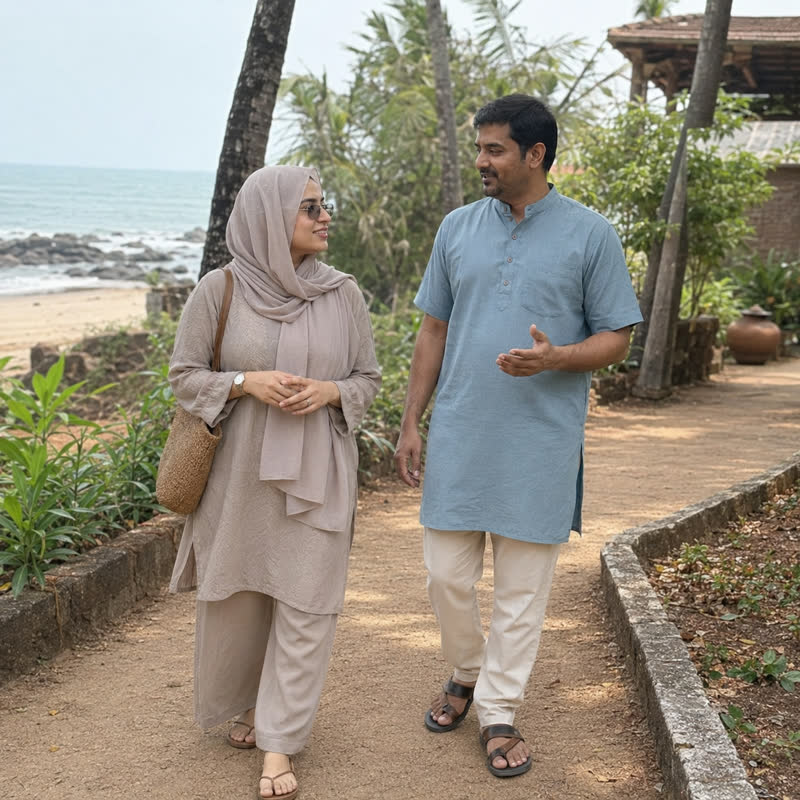 Mariam Al Ali, 30Post Natal Care Treatment in IndiaStill depleted months after her second child's birth, Mariam Al Ali, 30, from the UAE found real recovery with MyVaidyam Team's Post Natal Care Treatment in India. The warm, attentive care restored her strength and spirit. “I feel like myself again,” she shared.Read Full Story
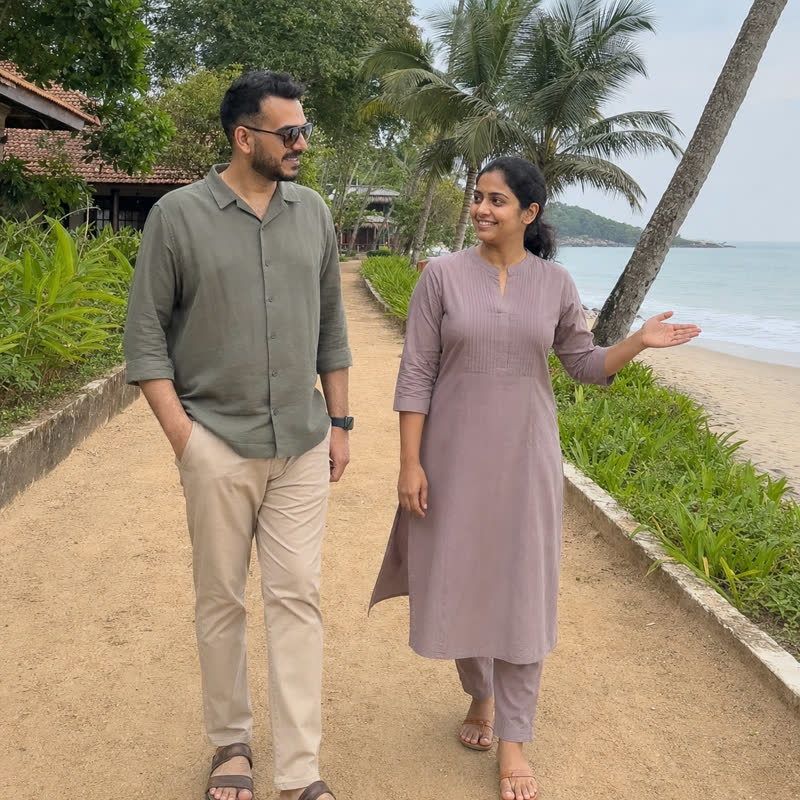 Khalid Al Marzooqi, 34Men's Fertility, Vitality & Wellness Program in IndiaAfter two years of trying to conceive, Khalid Al Marzooqi, 34, from the UAE found honest, lifestyle-focused support with MyVaidyam Team's Men's Fertility, Vitality & Wellness Program in India. “I came home with grounded hope rather than false promises,” he shared.Read Full Story
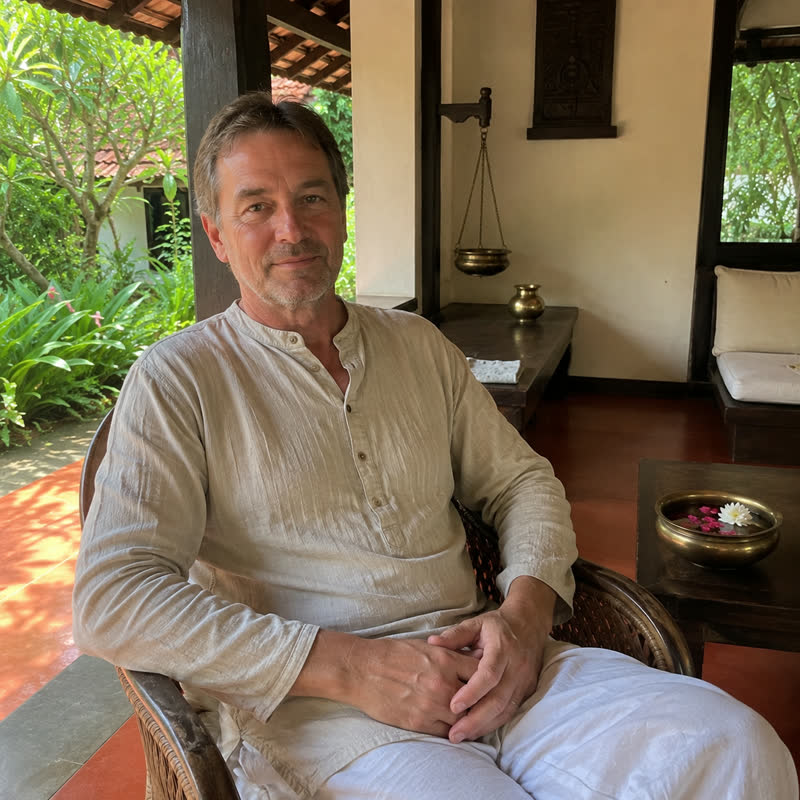 Hans Muller, 5521-Day Panchakarma Detox Program in IndiaArriving with professional scepticism and leaving with something he could not easily quantify, Mr. Hans Muller, 55, from Germany completed the 21-Day Panchakarma Detox Program in India with MyVaidyam Team. His sleep and energy shifted in ways years of conventional care had not achieved. “I would not have believed this outcome before I experienced it,” he shared.Read Full Story
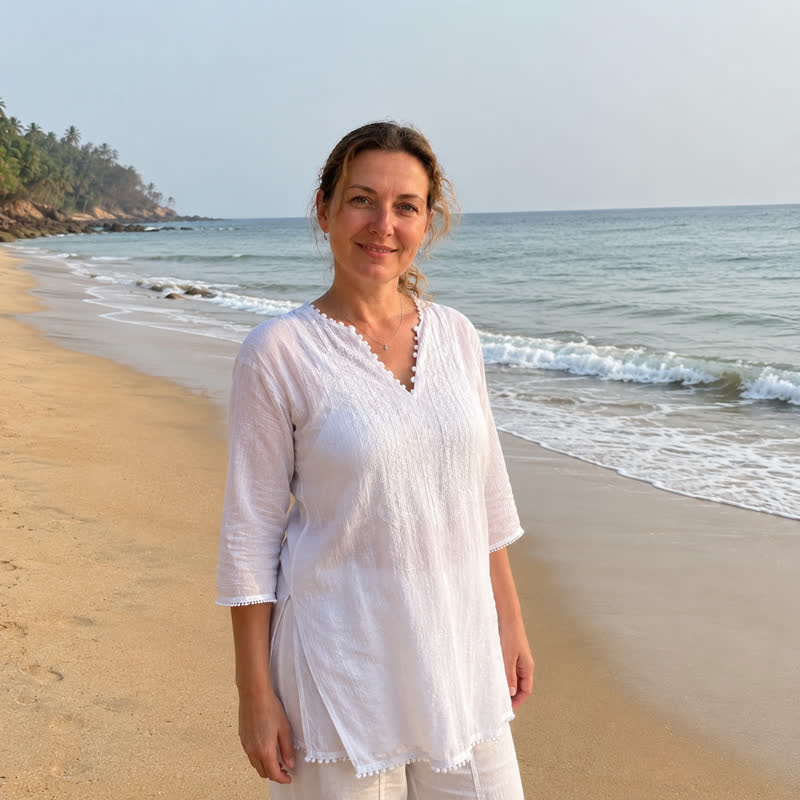 Ekaterina Ivanova, 38Ayurveda Treatment for Migraine in IndiaWhen one more cancelled weekend made the pattern impossible to ignore, Ekaterina Ivanova, 38, from Russia decided to try MyVaidyam Team's Ayurveda Treatment for Migraine in India. The honest, personalised care brought noticeably fewer, milder episodes. “My migraines are far less frequent now, and they pass faster,” she shared.Read Full Story
Ayurveda Treatment in India — Planned From Your City
Every city reaches India differently. Pick yours for flights, the time difference, visa and the best season to travel.
Frequently Asked Questions About Ayurveda in India for Mauritian Patients
1. What visa do I need from Mauritius?
Mauritian passport holders can apply online for India's e-Ayush Visa, the category created for treatment under Indian systems of medicine such as Ayurveda. A family member travelling with you can apply for the e-Ayush Attendant Visa. We help with the centre's treatment letter.
2. Is Ayurveda treatment in India safe for Mauritian patients?
Yes, when you choose a qualified, doctor-led centre. MyVaidyam recommends only centres with registered Ayurvedic physicians and reliable medicine-quality practices, and we review your reports before recommending anything.
3. How much does Ayurveda treatment in India cost for Mauritian patients?
A residential programme in India - with accommodation, meals, doctor consultations and daily therapies - usually costs less than a much shorter private wellness stay closer to home. You receive a full written quote before booking.
4. Will my Mauritian health insurance cover Ayurveda treatment in India?
Most Mauritian health plans do not cover Ayurvedic treatment abroad. Check with your insurer, and consider travel insurance for the trip.
5. When is the best time to travel from Mauritius to India for Ayurveda?
October-March (dry, settled weather across South India) or June-August (Kerala's classical monsoon therapy season).
6. Can Mauritian citizens travel to India for Ayurveda treatment?
Yes. Mauritius is currently included in India's e-Visa eligible-country list, and medical treatment under Indian systems of medicine is an eligible e-Visa purpose.
7. Is there an Ayurveda-specific visa option?
India's official e-Visa system includes an e-Ayush Visa route under the e-Medical Visa category.
8. What documents are needed for an e-Ayush application?
The official portal lists a scanned passport bio page and a letter from the Indian hospital concerned containing the proposed or tentative admission date.
9. Can an accompanying family member travel with me?
An e-Medical Attendant Visa for e-Ayush attendant purposes is available for eligible accompanying persons.
10. How long should I stay in India for Ayurveda?
A short wellness programme may take around 5–7 days, while rejuvenation programmes may take 7–14 days and Panchakarma commonly requires around 14–21 days or longer.