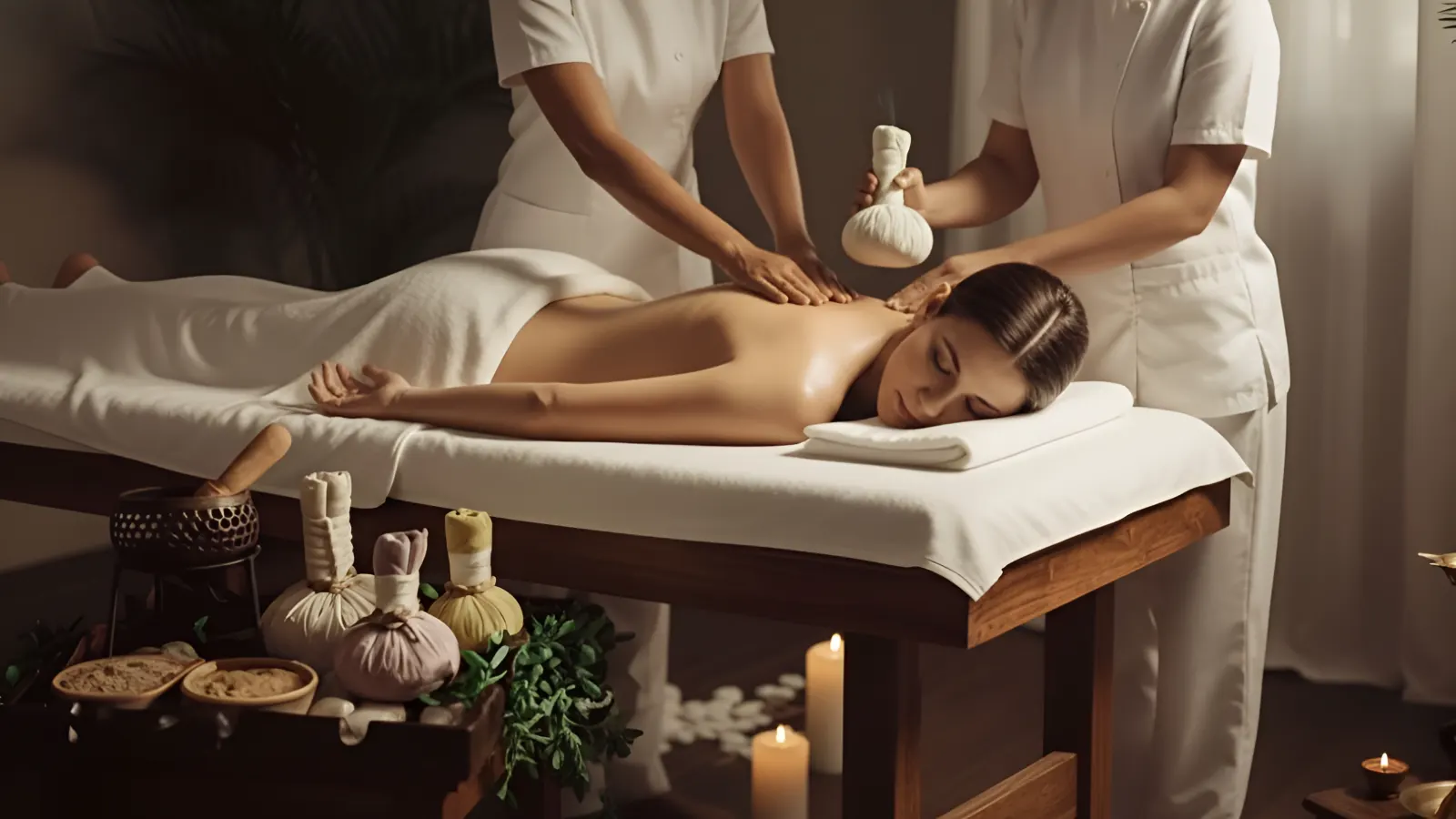
Ayurveda in India for New Zealand Patients
Costs, Panchakarma, Centres, Visa & Travel Guide New Zealand has a growing interest in wellness, yoga, meditation and holistic approaches to health and wellbeing, and some New Zealand patients consider travelling to India for traditional Ayurvedic treatment, Panchakarma, rejuvenation and wellness programmes. India offers a wide range of Ayurveda centres, hospitals, residential programmes and wellness facilities where international patients can experience traditional Ayurvedic approaches in a structured environment. For New Zealand patients, travelling to India for Ayurveda involves planning treatment, accommodation, international travel, visa requirements, food, transportation and communication with the selected Ayurveda centre. MyVaidyam helps New Zealand patients explore suitable Ayurveda programmes in India, understand treatment options, compare centres and facilities, estimate programme costs and plan the practical aspects of their journey. This guide explains Ayurveda treatment options, Panchakarma, programme duration, costs, popular destinations, visa requirements, travel preparation, food, accommodation and international patient support for New Zealand patients travelling to India.
Why Are New Zealand Patients Interested in Ayurveda in India?
Ayurveda is a traditional Indian system of medicine and wellness that has been practised in India for centuries. For New Zealand patients, travelling to India can provide an opportunity to experience Ayurveda in its traditional environment through structured residential programmes that may combine:
- Ayurvedic diet
- Lifestyle guidance
- Yoga and meditation
- Ayurvedic consultation
- Panchakarma programmes
- Rejuvenation programmes
- Residential Ayurveda stays
- Traditional Ayurvedic therapies
- International patient assistance
- Individualised treatment planning
- Relaxation and wellness activities
Ayurveda programmes can be considered for different wellness and lifestyle goals. The appropriate programme depends on the individual's health history, current medications, age, requirements and assessment by a qualified Ayurvedic practitioner. Patients should discuss their requirements with the practitioner before selecting a programme or treatment duration.
Why Choose India for Ayurveda Treatment?
India is traditionally associated with Ayurveda and has a large network of Ayurvedic hospitals, clinics, wellness centres and residential treatment facilities. For New Zealand patients, travelling to India can provide access to different types of Ayurveda programmes depending on the desired experience, location, accommodation and duration of stay.
Traditional Ayurveda
Patients can experience traditional Ayurvedic consultation, therapies, diet and lifestyle practices under the guidance of Ayurvedic practitioners.
Residential Ayurveda Programmes
Residential programmes allow patients to stay at or near the treatment facility while following a structured daily schedule.
Panchakarma
Panchakarma is a traditional Ayurvedic therapeutic programme. The therapies and stages included can vary according to the practitioner's assessment and the individual's requirements.
Yoga and Meditation
Selected Ayurveda centres combine traditional therapies with yoga, meditation, breathing practices and relaxation activities.
Ayurvedic Diet
Many residential Ayurveda programmes include meals designed according to the selected programme and the individual's dietary requirements.
International Patient Support
International patients may require assistance with programme selection, accommodation, transportation, travel planning and communication with the Ayurveda centre. MyVaidyam can help coordinate these requirements according to the selected service.
Key Facts at a Glance
- Target Patients
- New Zealand Patients
- Destination
- India
- Traditional System
- Ayurveda
- Popular Programme
- Panchakarma
- Major Ayurveda Destination
- Kerala
- Other Destinations
- Goa, Karnataka, Tamil Nadu, Delhi, Mumbai
- Programme Duration
- Depends on individual programme
- Accommodation
- Ayurveda centre, hospital or wellness facility
- Consultation
- Ayurvedic Practitioner
- Diet
- Programme-specific Ayurvedic meals
- Yoga & Meditation
- Available at selected centres
- Visa
- Applicable Indian visa / e-Ayush route
- Travel Support
- Available according to selected MyVaidyam services
- Airport Transfer
- Available according to selected programme
- International Patient
- Assistance MyVaidyam
- Follow-Up
- According to selected service and centre
Ayurveda Treatments Available for New Zealand Patients in India
New Zealand patients can explore different Ayurveda and wellness programmes in India. Common programme categories include:
| Ayurveda Programme | General Focus |
|---|---|
| Panchakarma | Traditional multi-stage Ayurvedic programme |
| Ayurvedic Rejuvenation | Traditional rejuvenation and wellness programme |
| Stress & Relaxation | Relaxation, lifestyle, yoga and traditional Ayurvedic therapies |
| Ayurvedic Weight Management | Diet, lifestyle and wellness support |
| Joint Wellness | Traditional therapies and lifestyle support |
| Back & Neck Wellness | Traditional therapies, yoga and lifestyle support |
| Sleep & Relaxation | Lifestyle and relaxation-focused programme |
| Skin & Hair Wellness | Traditional Ayurvedic approaches for skin and hair wellness |
| Women's Wellness | Individualised wellness programme based on personal requirements |
| Men's Wellness | Lifestyle and traditional wellness programme |
| Healthy Ageing | Rejuvenation and lifestyle programme for healthy ageing |
| General Wellness | Ayurveda, diet, yoga and relaxation-focused programme |
The appropriate programme should be selected after consultation with a qualified Ayurvedic practitioner.
All-Inclusive Ayurveda Packages in India for New Zealand Patients
Structured programmes you can tailor with your physician — slide to see all six.
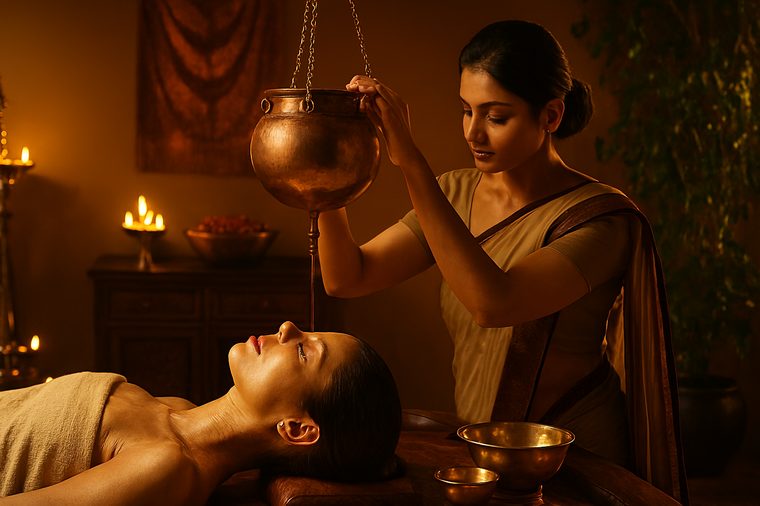 DetoxProgram FrameworkPanchakarma & DetoxClassical cleansing and reset programmes, the core of residential Ayurveda.Learn more
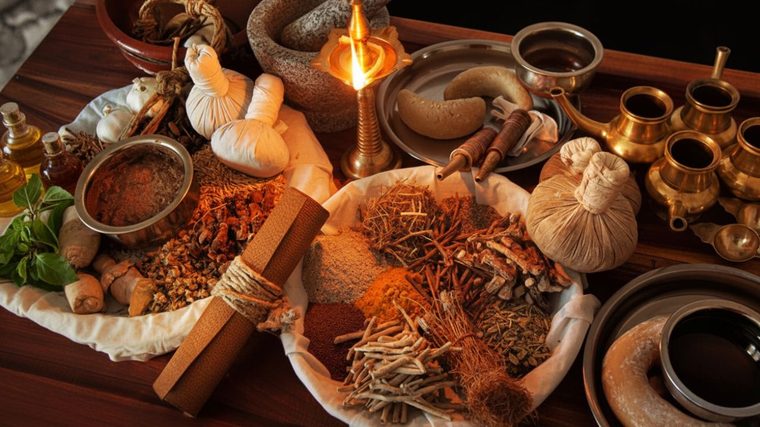 Condition-specificProgram FrameworkDisease-Specific ProgramsTargeted programmes built around a specific chronic condition.Learn more
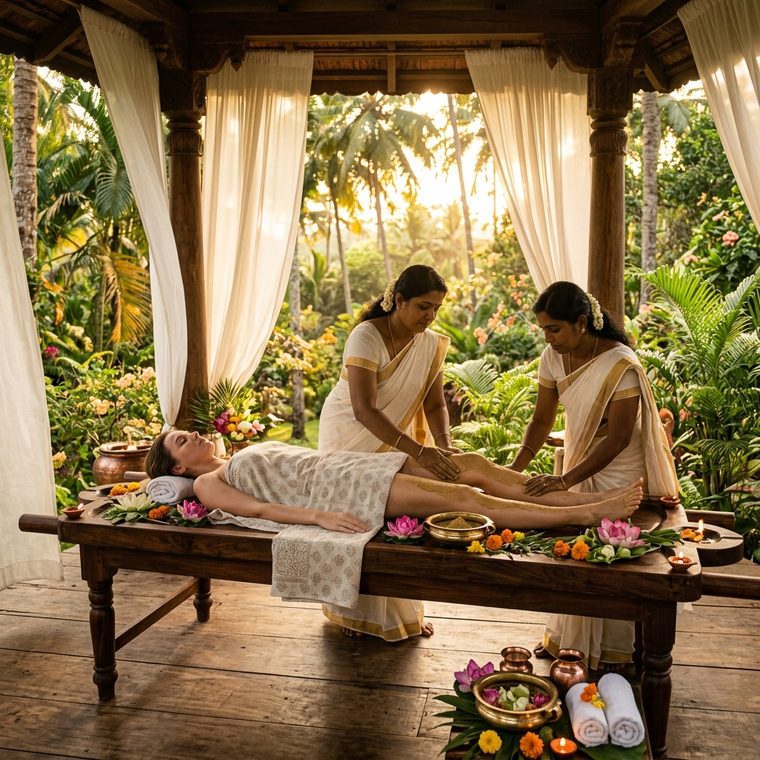 RejuvenationProgram FrameworkBeauty & RejuvenationRejuvenation and natural beauty programmes to restore glow and energy.Learn more
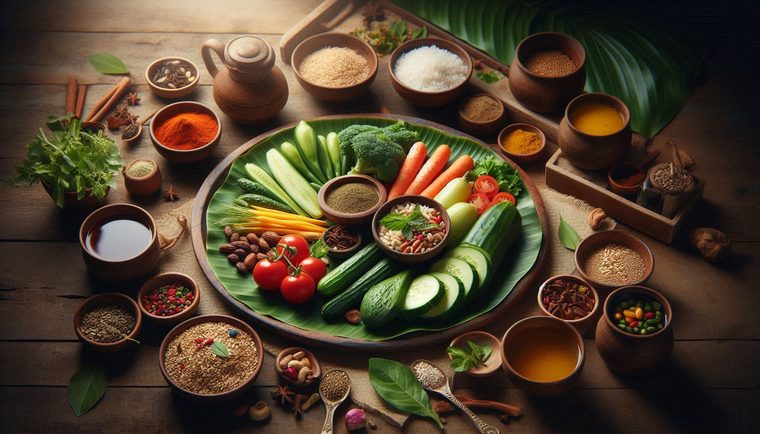 WellnessProgram FrameworkLifestyle & WellnessPreventive lifestyle, diet and stress programmes for everyday wellbeing.Learn more
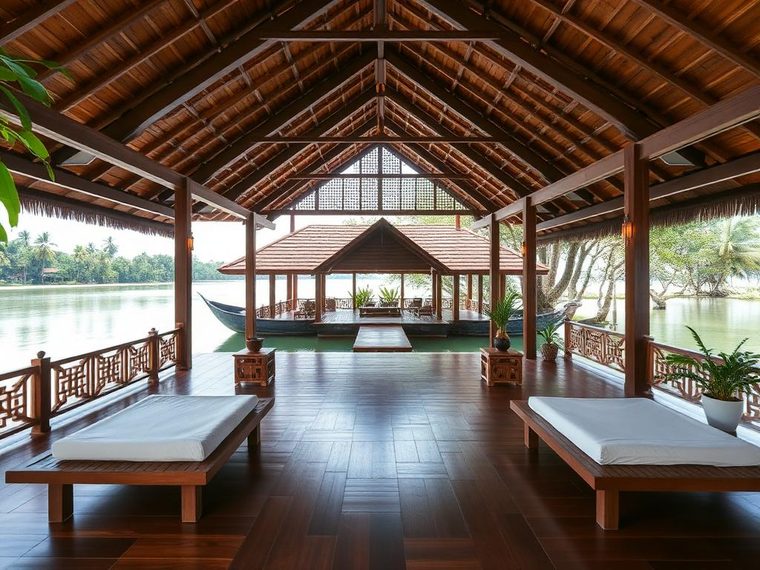 RetreatProgram FrameworkIntegrated RetreatAll-inclusive residential retreats blending therapy, yoga and rest.Learn more
 RecoveryProgram FrameworkRecovery & RehabilitationSupportive recovery and rehabilitation after illness or surgery.Learn more
Panchakarma in India for New Zealand Patients
Panchakarma is one of the traditional Ayurvedic therapeutic programmes available at selected Ayurveda centres in India. The exact stages and therapies can vary depending on the centre, practitioner and individual assessment. A typical Panchakarma programme may include:
- 1.Initial Ayurvedic consultation
- 2.Individual assessment
- 3.Preparation for the programme
- 4.Selected traditional Ayurvedic therapies
- 5.Special Ayurvedic diet
- 6.Rest and relaxation
- 7.Yoga or meditation where appropriate
- 8.Post-treatment recommendations
- 9.Lifestyle guidance
How Long Does Panchakarma Take?
Programme duration varies according to the individual plan. Common residential durations may include:
- Short programmes
- 7–14 days
- 14–21 days
- 21–28 days
- Longer residential programmes
New Zealand patients should not select a Panchakarma duration solely from an online article. The final duration should be discussed with the Ayurvedic practitioner after assessment.
How Long Should a New Zealand Patient Stay in India?
The ideal stay depends on the programme selected.
Short Wellness Programme
Approximately 5–7 days.
Rejuvenation Programme
Approximately 7–14 days.
Panchakarma Programme
Approximately 14–21 days.
Extended Ayurveda Programme
Approximately 21–28 days or longer. These are general programme examples rather than fixed medical recommendations. New Zealand patients should also allow additional time for:
- International travel
- Initial consultation
- Arrival and adjustment
- Departure arrangements
- Possible rest before returning home
The final programme duration should be confirmed with the selected Ayurveda centre.
Best Places in India for New Zealand Patients Seeking Ayurveda
India has Ayurveda centres and wellness facilities across several states and cities. The most suitable destination depends on the patient's preferred programme, accommodation, accessibility, climate, travel arrangements and practitioner availability.
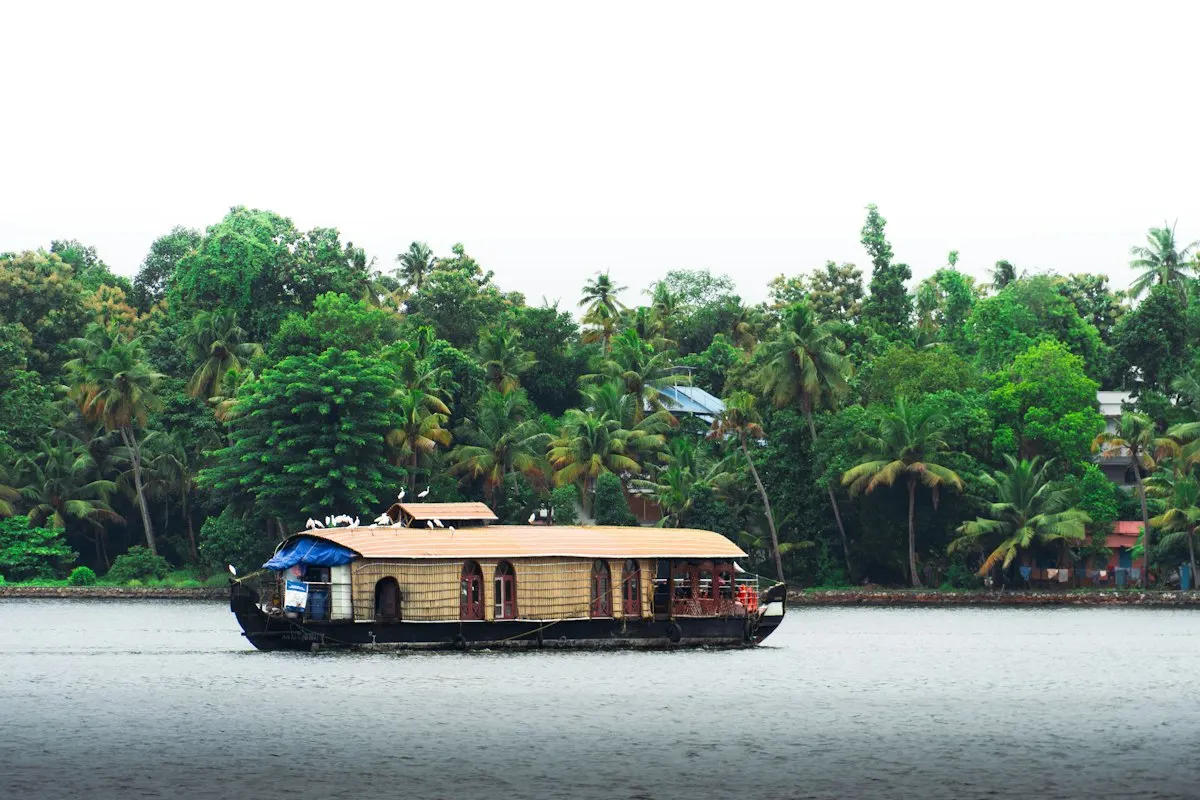
Kerala
Kerala is particularly associated with Ayurveda and is one of the major destinations for international Ayurveda travellers. Kerala has three international airports — Thiruvananthapuram, Kochi and Kozhikode — so most centres are within a few hours of arrival. The monsoon months, and Karkidakam in particular (mid-July to mid-August), are traditionally regarded in Kerala as a favourable time for rejuvenation programmes, and many centres run a dedicated monsoon schedule. New Zealand patients can find:
- Panchakarma
- Wellness retreats
- Ayurveda hospitals
- Residential Ayurveda
- Rejuvenation programmes
- Longer residential stays
- Yoga and meditation programmes
- Traditional Ayurveda programmes
Kerala can also provide a suitable environment for patients looking for a structured wellness stay.
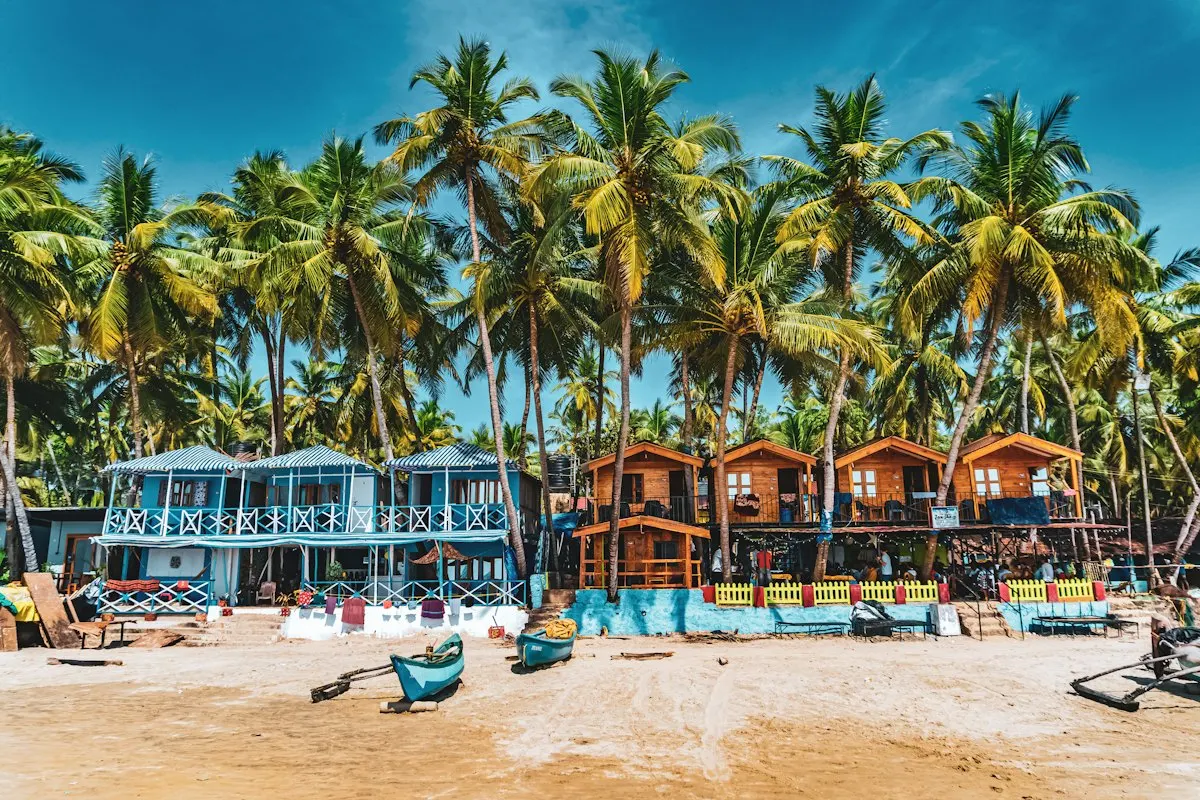
Goa
Goa is popular for:
- Yoga
- Ayurveda and wellness
- Relaxation programmes
- Shorter wellness stays
- Beachside surroundings
Goa is served by two airports, Dabolim and Manohar International at Mopa, with direct and connecting flights from several countries. Centres are spread between the quieter beaches of South Goa and the busier north, and programmes here are often shorter than a full residential stay. It can be considered by New Zealand patients who want to combine Ayurveda with a relaxed holiday environment.
Karnataka
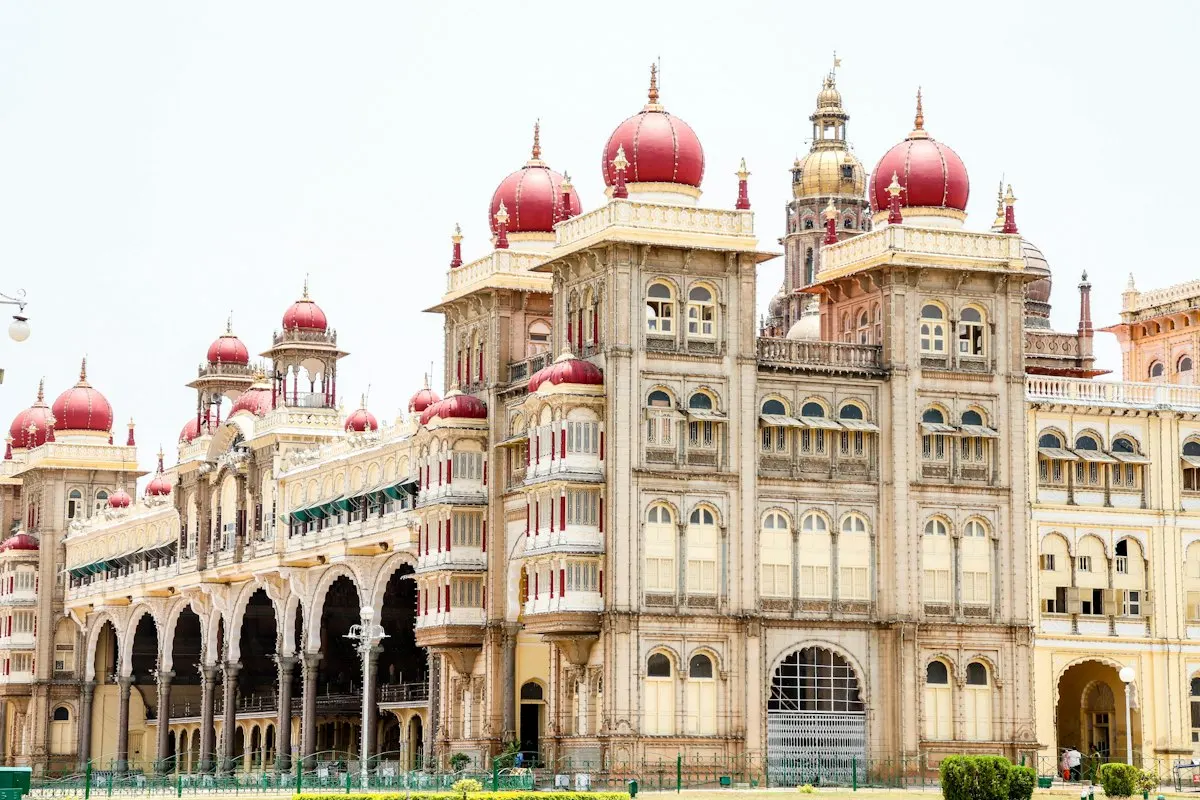
Karnataka has Ayurveda and wellness facilities and can be convenient for international travellers using Bengaluru as a major gateway. Bengaluru's Kempegowda International Airport is one of India's busiest, which makes Karnataka straightforward to reach and to combine with onward travel. Options range from city clinics in Bengaluru to residential retreats around Mysuru and the Western Ghats. Patients can explore Ayurveda programmes, wellness centres and residential treatment options depending on their requirements.
Tamil Nadu
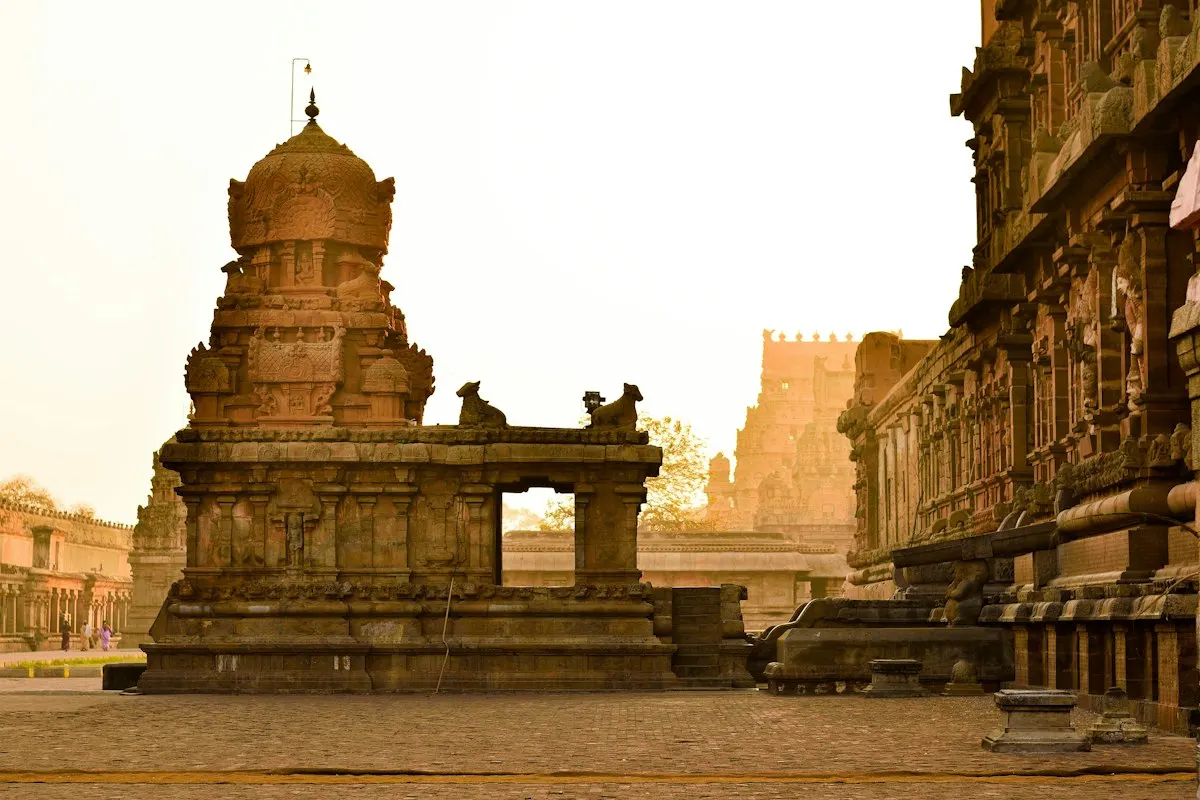
Tamil Nadu offers traditional medicine and wellness facilities and can be considered by patients interested in southern India and its cultural environment. Chennai and Coimbatore both have international airports, and Coimbatore in particular has long-established Ayurveda hospitals and residential retreats. Tamil Nadu also has its own traditional system, Siddha, which some centres offer alongside Ayurveda.
Delhi
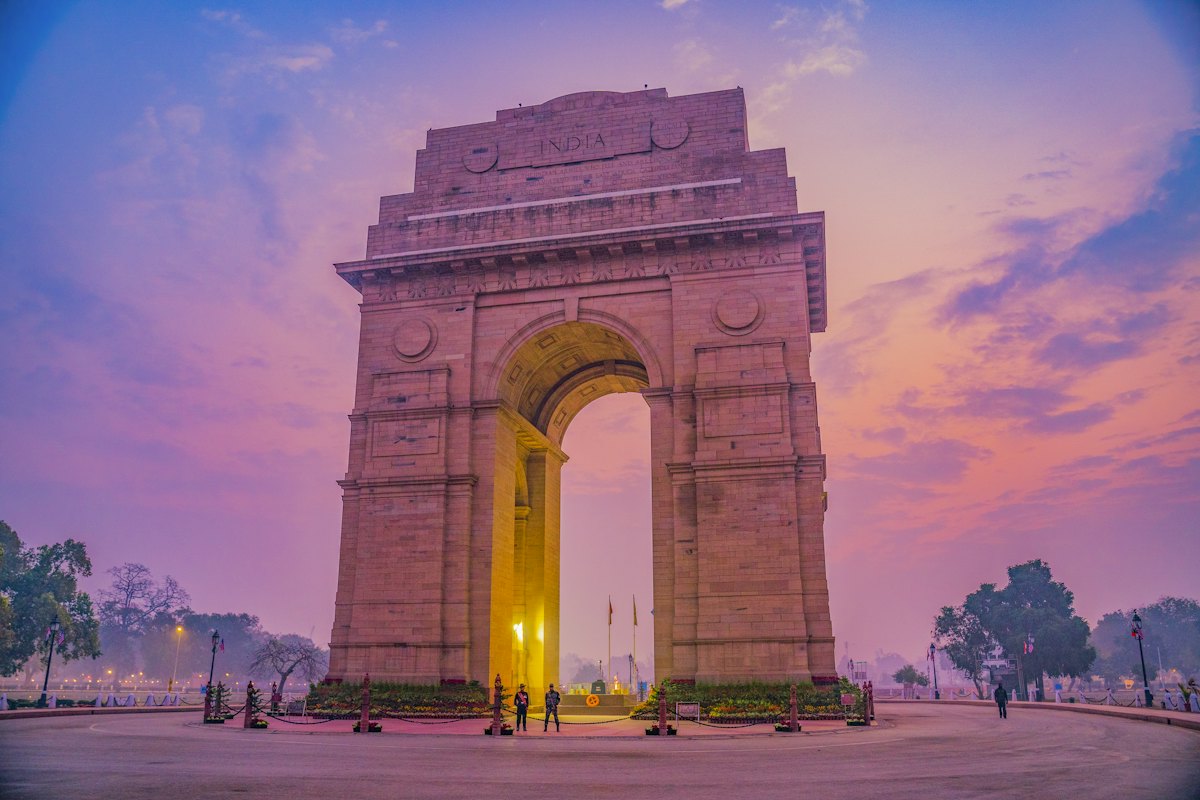
Delhi is a major international gateway with access to urban healthcare facilities, accommodation and Ayurveda/wellness services. Indira Gandhi International Airport is India's largest hub, with direct flights from most regions, so Delhi suits patients who want to begin or end their journey in a major city. The wider NCR area has both urban Ayurveda clinics and countryside retreats within a few hours' drive. It can be useful for New Zealand patients who prefer to begin or finish their India journey in a major metropolitan city.
Mumbai
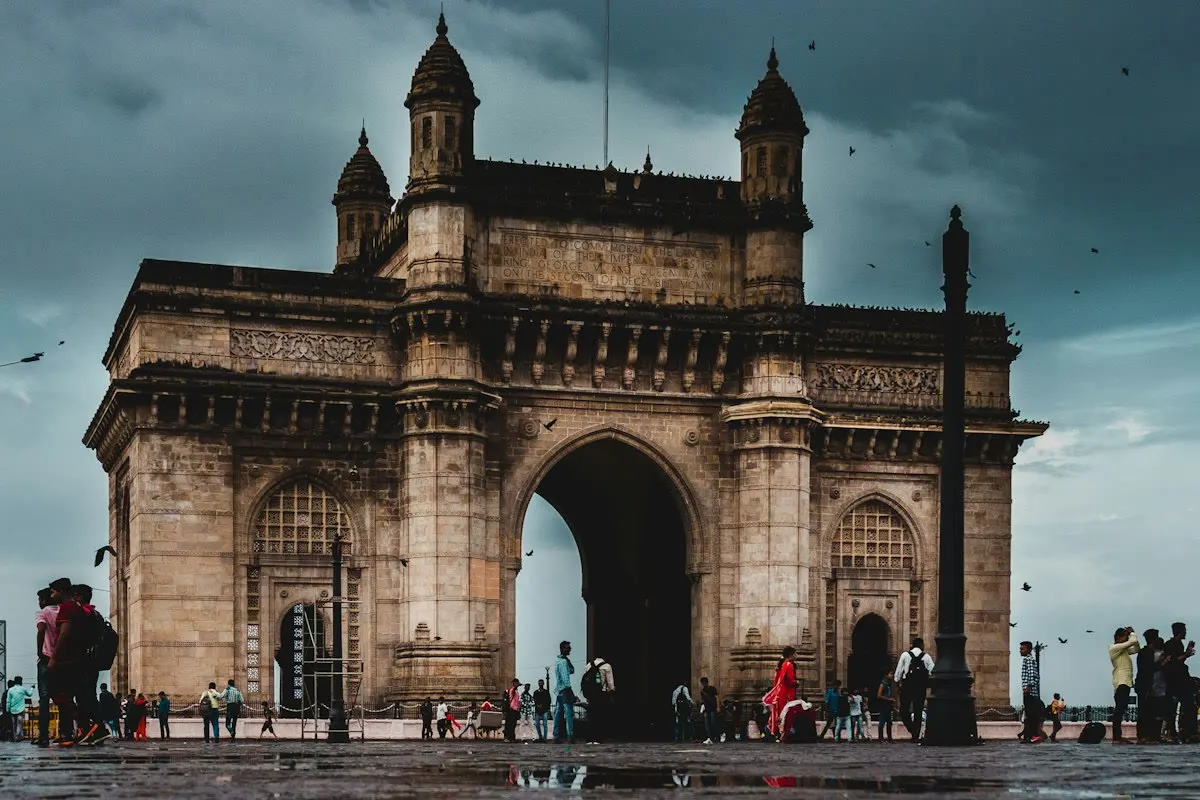
Mumbai is another major international gateway and metropolitan destination with extensive accommodation and healthcare infrastructure. Chhatrapati Shivaji Maharaj International Airport connects Mumbai to most major cities worldwide, and the city has a wide range of private hospitals should conventional care be needed. Several residential Ayurveda centres sit two to three hours away, around Panvel, Lonavala and the hills near Pune. New Zealand patients may choose Mumbai as a travel base or combine their Ayurveda programme with travel through western India.
How Should New Zealand Patients Choose an Ayurveda Centre in India?
Choosing an Ayurveda centre is an important part of planning an international treatment journey. New Zealand patients should consider:
Practitioner Qualifications and Experience
Check the qualifications and experience of the Ayurvedic practitioner responsible for the programme.
Treatment Plan
Understand what therapies and services are included in the programme.
Written Cost Estimate
Ask for a written quotation that clearly explains:
- Food
- Therapies
- Consultation
- Accommodation
- Treatment charges
- Additional services
- Medicines, if applicable
- Airport transfers, if included
Accommodation
Confirm:
- Room type
- Housekeeping
- Internet access
- Air conditioning
- Food arrangements
- Private/shared bathroom
- Accessibility requirements
Safety and Emergency Arrangements
Ask how the centre handles emergencies and whether conventional medical support is accessible when required.
Medicines and Herbal Preparations
Patients should inform the Ayurvedic practitioner about all prescription medicines, supplements and other treatments they are currently using. Patients should not stop or change prescribed medication without consulting the appropriate healthcare professional.
International Patient Support
New Zealand patients may benefit from assistance with communication, travel arrangements, airport transfers and coordination with the Ayurveda centre.
Ayurveda Hospitals & Wellness Centres in India for New Zealand Patients
A selection of the destinations we work with — use the arrows to explore. Each links to its full profile.
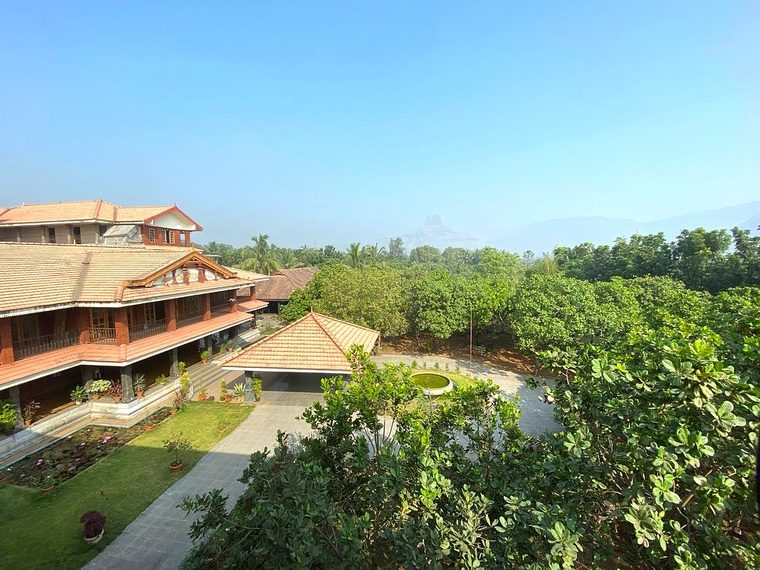 KeralaAyurvedic Village ResortAgni Ayurvedic VillageA dedicated Ayurvedic village resort in Kerala for immersive, residential Panchakarma.Learn more
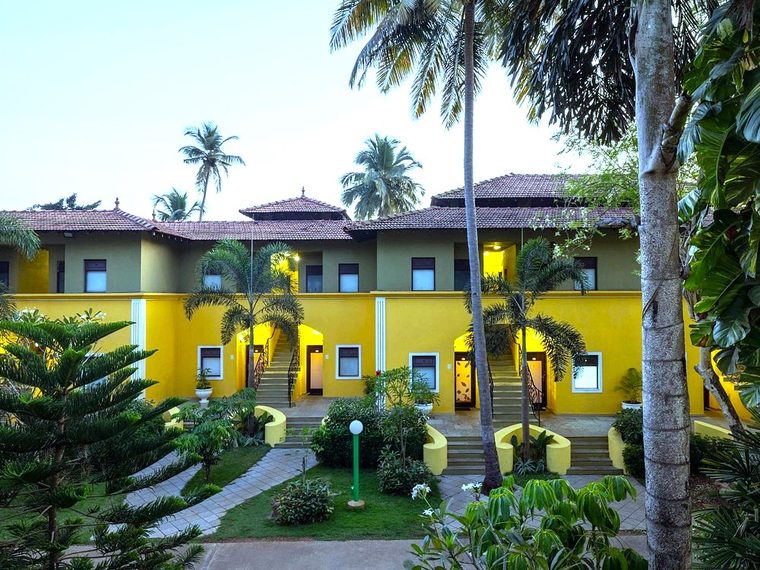 GoaAyurveda Wellness ResortMercure Goa DevaayaAn Ayurveda wellness resort in Goa combining classical therapies with a relaxed coastal setting.Learn more
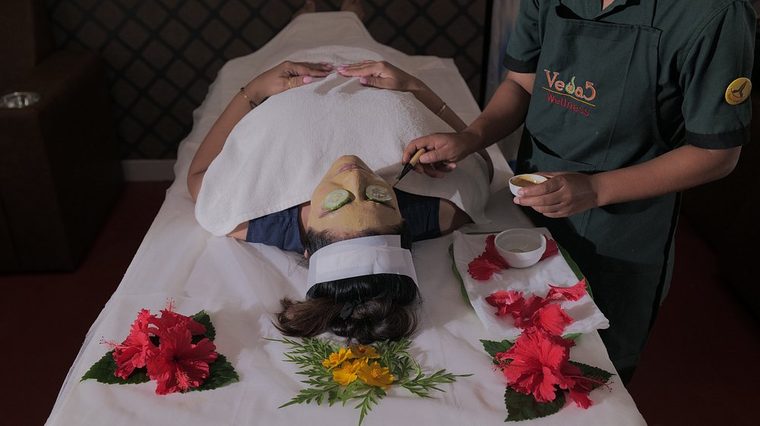 RishikeshLuxury Ayurveda & YogaVeda5 RetreatA luxury Ayurveda & yoga retreat in Rishikesh, blending classical therapy with the Himalayas.Learn more
 BengaluruIntegrative Holistic HealthSoukya InternationalA globally recognised centre for classical Ayurveda and integrative holistic care in Bengaluru.Learn more
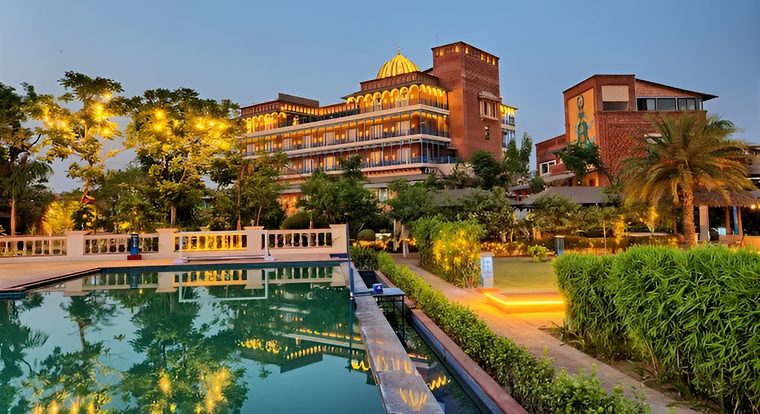 Delhi NCRCountryside Wellness RetreatNamaste DwaarA countryside wellness retreat near Delhi offering restful, doctor-led Ayurveda programmes.Learn more
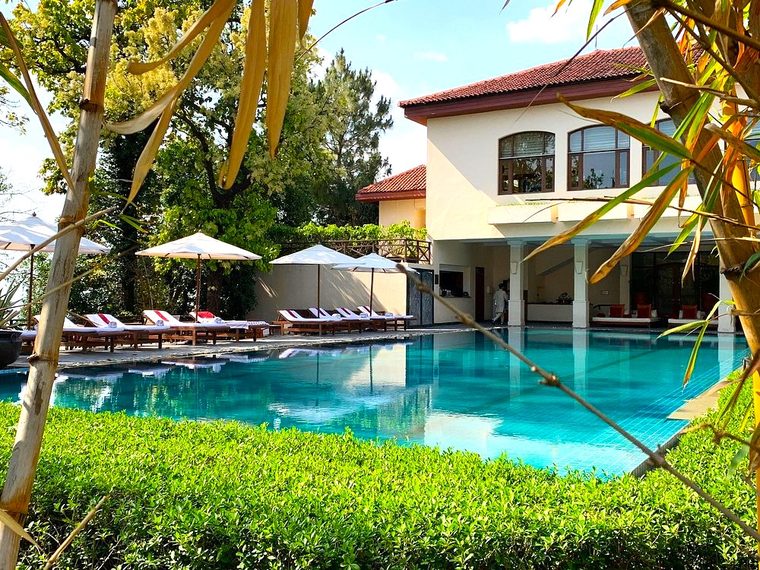 UttarakhandLuxury Himalayan RetreatAnanda in the HimalayasAn award-winning luxury wellness retreat in the Himalayas with dedicated Ayurveda programmes.Learn more
Ayurveda Visa for New Zealand Patients Travelling to India
New Zealand passport holders are currently listed among the nationalities eligible for India's e-Visa system. The official Indian e-Visa portal states that eligible international travellers can use e-Visa facilities for medical treatment, including treatment under Indian systems of medicine. The official portal also provides an e-Medical route for eligible travellers and specifically lists e-Medical Visa for e-Ayush purposes. For e-Ayush medical travel, the required documentation includes a scanned passport bio page and a letter from the concerned hospital in India containing the proposed or tentative admission/treatment date. The Government of India currently states that applicants for e-Visa should have a passport with at least six months' validity at the time of application and a return or onward ticket. Visa categories, documentation, fees, validity and application procedures can change. New Zealand patients should always verify the current requirements through the official Government of India visa system before booking flights or treatment. MyVaidyam can help patients understand the general documentation and coordination process, but visa approval is decided by the relevant Indian authorities.
What Documents Should New Zealand Patients Prepare?
Before travelling from New Zealand to India, patients should prepare:
- Valid passport
- Medical reports
- Flight itinerary
- Medication details
- Allergy information
- Important phone numbers
- Current prescription list
- Emergency contact details
- Accommodation confirmation
- Travel insurance documents
- Appropriate Indian visa/e-Visa
- Ayurveda programme confirmation
It is advisable to keep both digital and printed copies of important documents. New Zealand patients should also keep their treatment confirmation and essential travel documents easily accessible throughout the journey.
What Should New Zealand Patients Pack for Ayurveda Treatment?
Patients travelling from New Zealand to India should consider packing:
- Sunscreen
- Medical reports
- Travel documents
- Insurance documents
- Comfortable footwear
- Comfortable nightwear
- Prescription medicines
- Mobile phone and charger
- Personal hygiene products
- Copies of important documents
- Loose and comfortable cotton clothing
It can also be useful to bring older, comfortable clothing for oil-based Ayurvedic therapies. New Zealand patients should consider the climate at their Indian destination and the expected travel period when selecting clothing.
Food and Diet for New Zealand Patients
Diet is an important part of many Ayurveda programmes. New Zealand patients should inform the centre about:
- Food allergies
- Food preferences
- Gluten intolerance
- Lactose intolerance
- Vegetarian or vegan preferences
- Diabetes or other dietary requirements
- Religious or personal dietary restrictions
Patients who have specific dietary preferences should discuss them with the centre before booking. Ayurvedic programmes may include traditional Indian meals prepared according to the programme, so patients should understand the expected food arrangements in advance. Patients should confirm suitable meal arrangements with the Ayurveda centre before booking.
Travel from New Zealand to India for Ayurveda Treatment
New Zealand patients travelling to India should plan their journey around the location of the selected Ayurveda centre. Major international gateways such as Delhi and Mumbai can be useful for international travel, while destinations such as Kerala and Goa have their own airports and domestic connections. The best route depends on:
- Desired travel time
- Domestic connections
- Programme start date
- Selected Ayurveda centre
- Airport transfer arrangements
- International flight availability
Because travel from New Zealand to India can involve a long international journey, patients may wish to allow additional time for rest and adjustment before beginning an intensive residential programme. Patients should confirm the final arrival airport and transfer arrangements with the Ayurveda centre or international patient coordinator before booking flights.
Healthcare and Travel Preparation for New Zealand Patients
Travelling internationally for an extended Ayurveda programme requires preparation. Before departure, New Zealand patients should consider:
- Carrying recent medical reports
- Carrying a complete medication list
- Arranging suitable travel insurance
- Keeping emergency contact information accessible
- Understanding the centre's emergency arrangements
- Checking travel and visa requirements before departure
- Informing the Ayurvedic practitioner about current medications
- Discussing existing health conditions with their regular healthcare professional where appropriate
New Zealand patients should not discontinue prescribed conventional treatment solely because they are travelling for Ayurveda. Patients should also make sure that regular medicines are properly documented and packed appropriately for international travel.
Patients Plan Ayurveda in India
Travelling from New Zealand to India for Ayurveda involves more than selecting a treatment programme. MyVaidyam can help New Zealand patients with:
Understanding Requirements
Discuss the patient's general Ayurveda or wellness interests, preferred duration and travel requirements.
Exploring Ayurveda Centres
Help patients explore suitable Ayurveda centres and residential programmes in India.
Understanding Programme Details
Patients can understand:
- Food
- Therapies
- Accommodation
- Programme duration
- Yoga and meditation
- Additional services
- Practitioner consultation
Comparing Costs
MyVaidyam can help patients understand programme estimates and the factors that influence total cost.
Travel Planning
Patients can receive assistance with practical travel coordination according to the selected service.
Airport Transfer
Airport pickup and transfer assistance may be available depending on the selected programme and service.
International Patient Support
MyVaidyam can assist with coordination between international patients and selected Ayurveda centres.
Post-Treatment Guidance
Follow-up support may be available according to the selected service and centre.
Ayurveda for New Zealand Patients: What to Consider Before You Travel
Before travelling from New Zealand to India for Ayurveda, patients should:
- Confirm accommodation
- Check visa requirements
- Arrange travel insurance
- Research the Ayurveda centre
- Carry relevant medical records
- Request a written cost estimate
- Ask about emergency arrangements
- Check practitioner qualifications
- Understand the proposed programme
- Prepare a complete medication list
- Confirm food and dietary requirements
- Confirm airport transfer arrangements
- Discuss current medications with the practitioner
- Avoid making decisions based only on testimonials or online treatment claims
- Consider the long international journey and allow appropriate adjustment time
A well-planned international Ayurveda journey can help make the travel and residential experience more organised and comfortable.
What International Patients Say
9 stories from our patient records
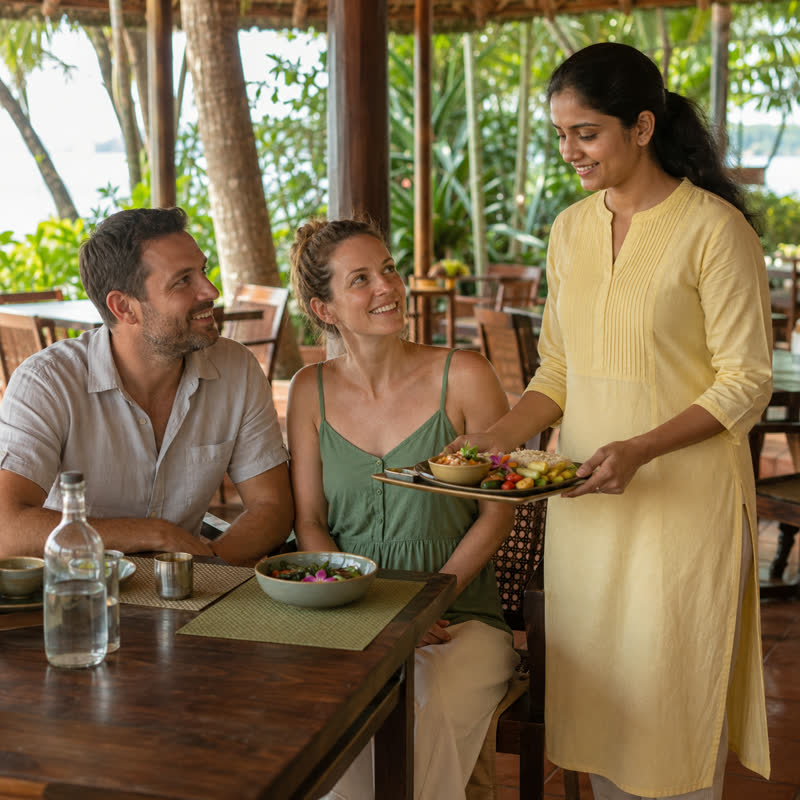 Jack Thompson, 39Luxury Ayurveda Retreat Program in IndiaAfter a year of exhaustion no ordinary holiday could fix, Jack Thompson, 39, from New Zealand chose MyVaidyam Team's Luxury Ayurveda Retreat Program in India for a genuine reset. “I came home actually restored, not just relaxed,” he shared.Read Full Story
 Oliver Anderson, 46Varicose Ulcer Treatment in IndiaAfter a year of slow-healing varicose ulcers, Oliver Anderson, 46, from New Zealand turned to MyVaidyam Team's Varicose Ulcer Treatment in India. The attentive, honest care brought visible, active healing. “It's genuinely healing now, faster than it has in the past year,” he shared.Read Full Story
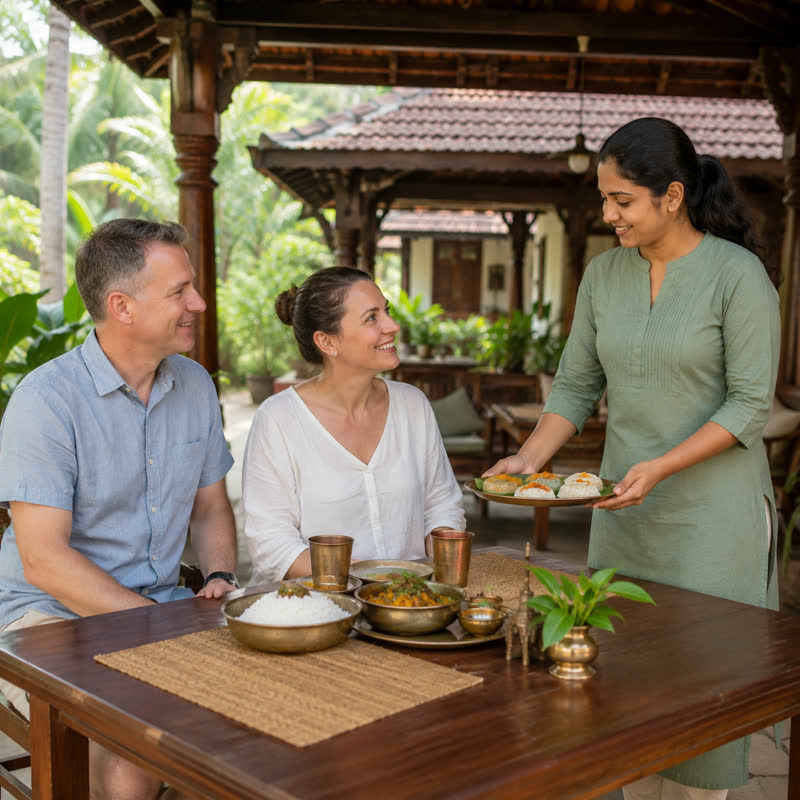 Charlotte Smith, 43Complete Body Rejuvenation Program in IndiaTired of holidays that never truly restored her energy, Charlotte Smith, 43, from Australia chose MyVaidyam Team's Complete Body Rejuvenation Program in India for a genuine, lasting reset. “For once the reset has actually lasted,” she shared.Read Full Story
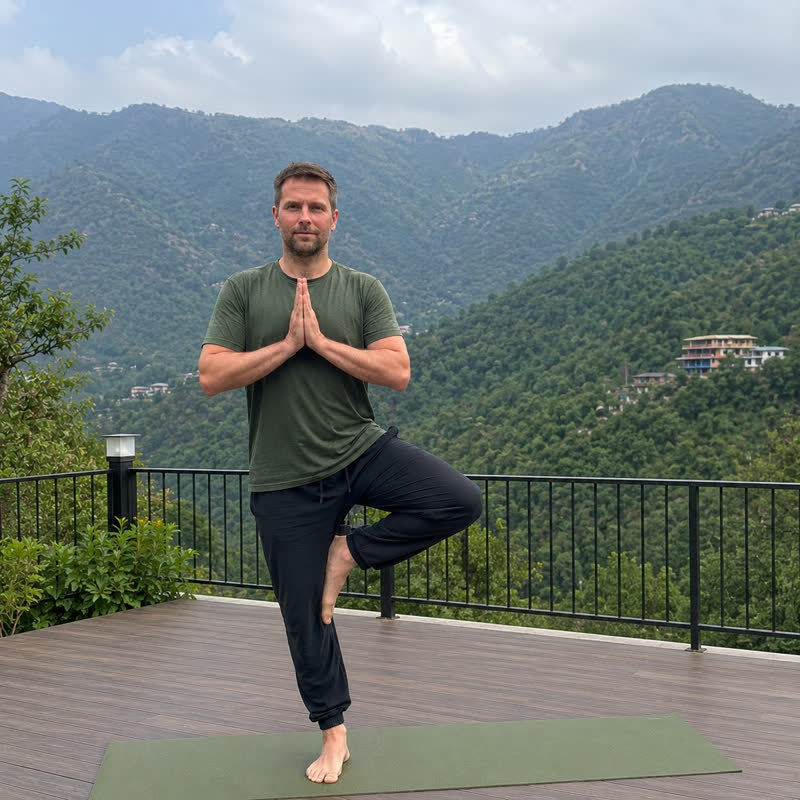 James Wilson, 36Ayurveda + Yoga Retreat Program in IndiaTired of constant stiffness from years at a desk, James Wilson, 36, from Australia chose MyVaidyam Team's Ayurveda + Yoga Retreat Program in India. The tailored, balanced approach left him noticeably more flexible and calm. “I'm noticeably more flexible now,” he shared.Read Full Story
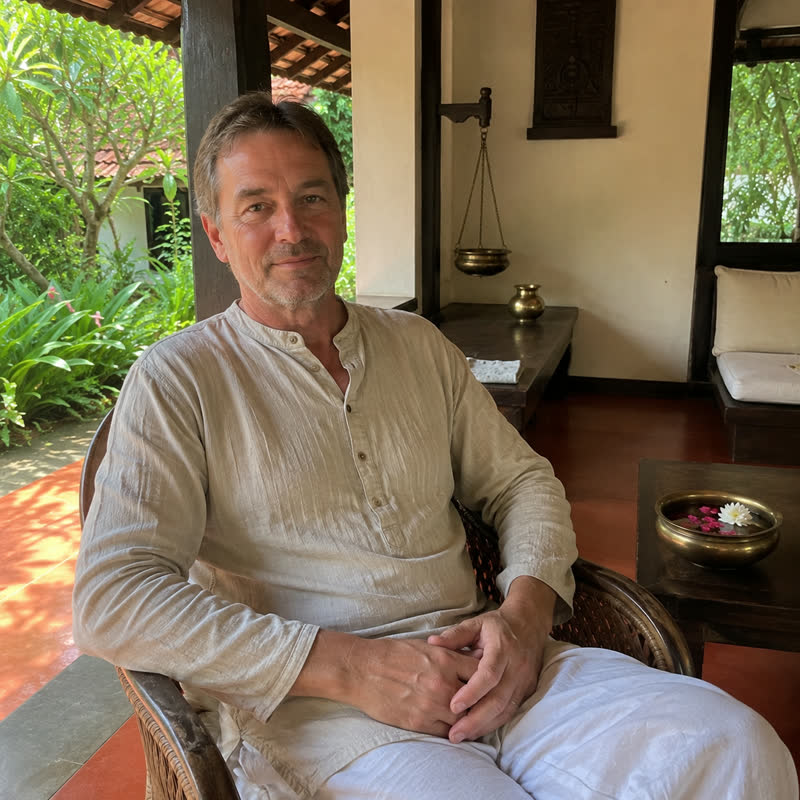 Hans Muller, 5521-Day Panchakarma Detox Program in IndiaArriving with professional scepticism and leaving with something he could not easily quantify, Mr. Hans Muller, 55, from Germany completed the 21-Day Panchakarma Detox Program in India with MyVaidyam Team. His sleep and energy shifted in ways years of conventional care had not achieved. “I would not have believed this outcome before I experienced it,” he shared.Read Full Story
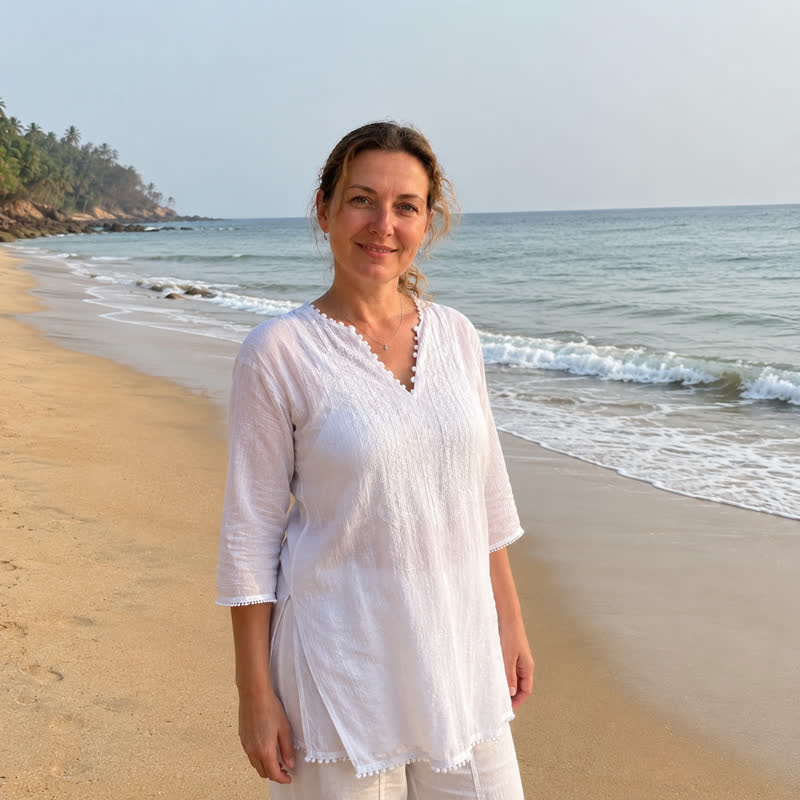 Ekaterina Ivanova, 38Ayurveda Treatment for Migraine in IndiaWhen one more cancelled weekend made the pattern impossible to ignore, Ekaterina Ivanova, 38, from Russia decided to try MyVaidyam Team's Ayurveda Treatment for Migraine in India. The honest, personalised care brought noticeably fewer, milder episodes. “My migraines are far less frequent now, and they pass faster,” she shared.Read Full Story
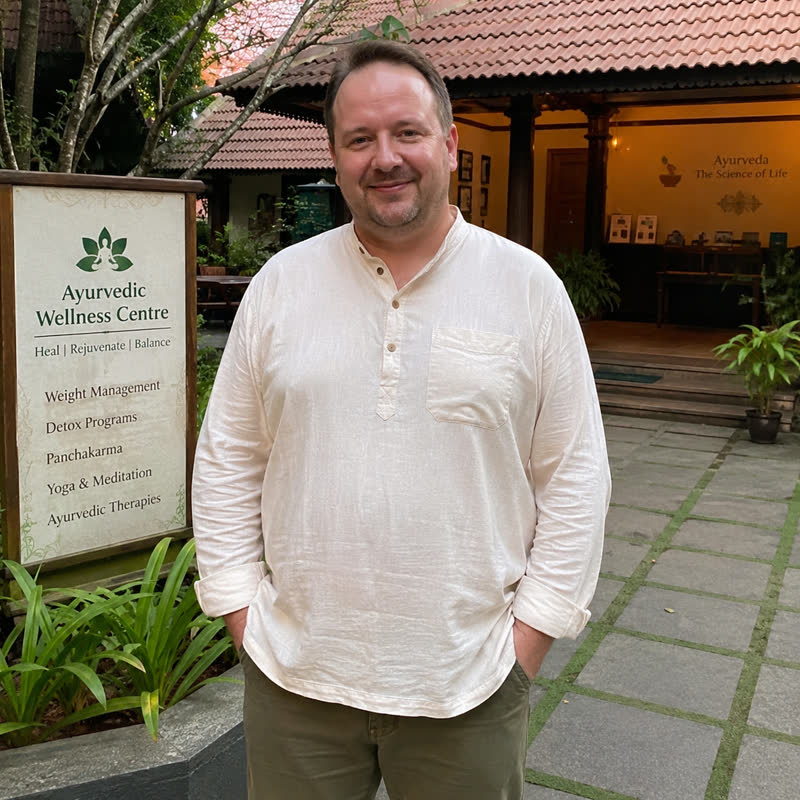 Daniel Meier, 39Ayurvedic Weight Loss Program in IndiaWhen his daughter asked why he was always too tired after dinner, Daniel Meier, 39, from Switzerland chose MyVaidyam Team's Ayurvedic Weight Loss Program in India. The honest, sustainable approach gave him real, lasting energy. “I have real energy in the evenings now,” he shared.Read Full Story
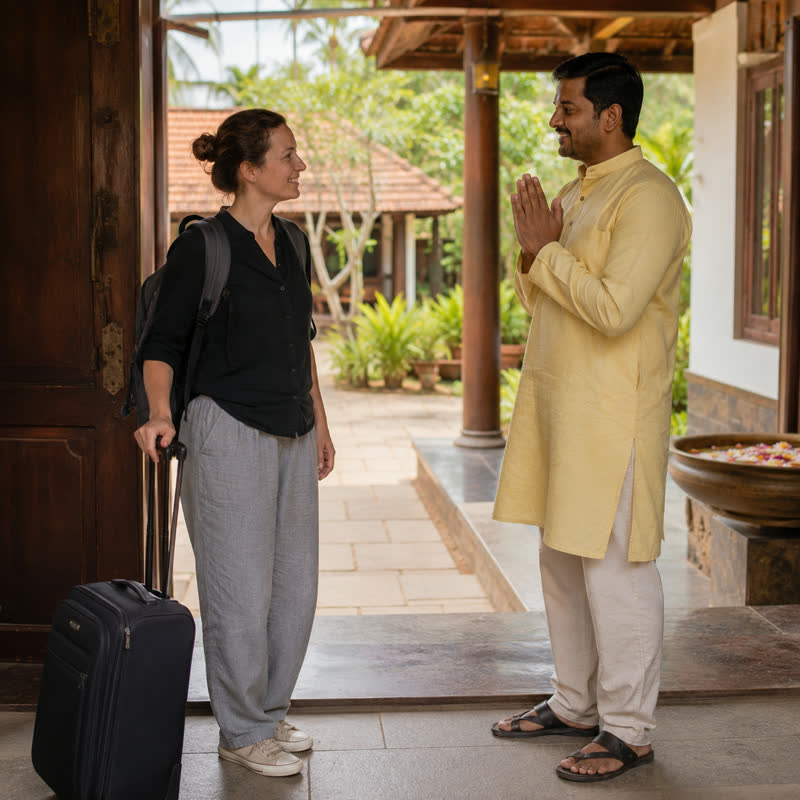 Camille Dubois, 37Disc Bulge Protrusion Treatment in IndiaAfter three years of recurring numbness from a disc bulge, Camille Dubois, 37, from France chose MyVaidyam Team's Disc Bulge Protrusion Treatment in India. The targeted, honest care brought real, lasting relief. “I'm moving with far less guardedness now,” she shared.Read Full Story
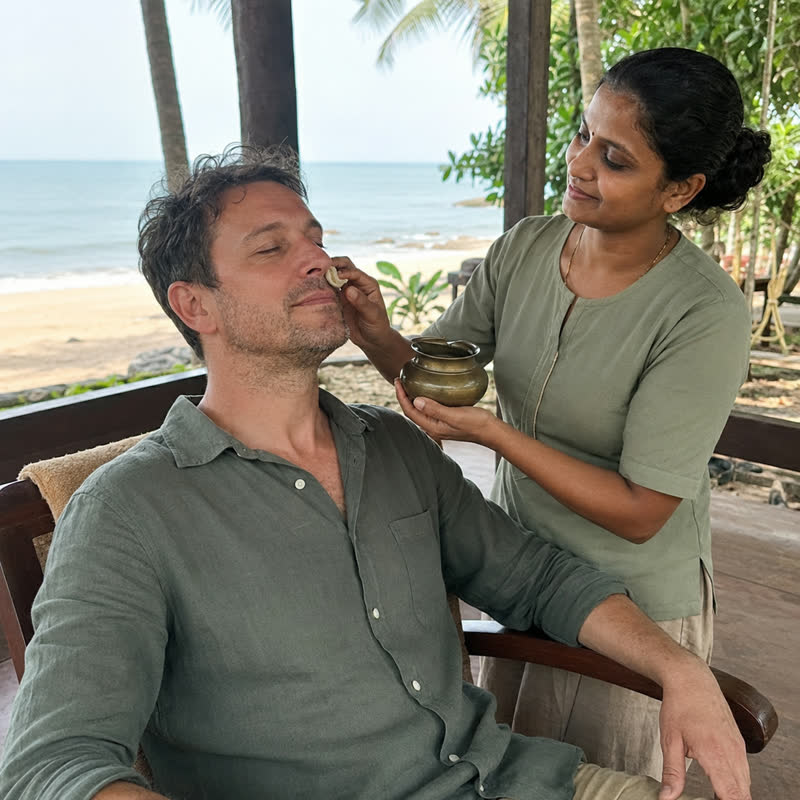 Felix Gruber, 39Sinusitis Treatment in IndiaAfter nearly five years of recurring sinusitis and repeated antibiotics, Felix Gruber, 39, from Austria finally chose MyVaidyam Team's Sinusitis Treatment in India. The honest, Nasya-based approach brought real, lasting relief and easier breathing. “My congestion has eased significantly,” he shared.Read Full Story
Ayurveda Treatment in India — Planned From Your City
Every city reaches India differently. Pick yours for flights, the time difference, visa and the best season to travel.
 New Zealand15 city guides
- Auckland6.5–7.5 hrs
- Christchurch6.5–7.5 hrs
- Dunedin6.5–7.5 hrs
- Hamilton6.5–7.5 hrs
- Hastings6.5–7.5 hrs
- Invercargill6.5–7.5 hrs
- Napier6.5–7.5 hrs
- Nelson6.5–7.5 hrs
- New Plymouth6.5–7.5 hrs
- Palmerston North6.5–7.5 hrs
- Queenstown6.5–7.5 hrs
- Rotorua6.5–7.5 hrs
- Tauranga6.5–7.5 hrs
- Wellington6.5–7.5 hrs
- Whangārei6.5–7.5 hrs
Frequently Asked Questions About Ayurveda in India for New Zealand Patients
1. What visa do I need from New Zealand?
New Zealand passport holders can apply online for India's e-Ayush Visa, the category created for treatment under Indian systems of medicine such as Ayurveda. A family member travelling with you can apply for the e-Ayush Attendant Visa. We help with the centre's treatment letter.
2. Is Ayurveda treatment in India safe for New Zealand patients?
Yes, when you choose a qualified, doctor-led centre. MyVaidyam recommends only centres with registered Ayurvedic physicians and reliable medicine-quality practices, and we review your reports before recommending anything.
3. How much does Ayurveda treatment in India cost for New Zealand patients?
A residential programme in India - with accommodation, meals, doctor consultations and daily therapies - usually costs less than a much shorter private wellness stay closer to home. You receive a full written quote before booking.
4. Will my New Zealand health insurance cover Ayurveda treatment in India?
Most New Zealand health plans do not cover Ayurvedic treatment abroad. Check with your insurer, and consider travel insurance for the trip.
5. When is the best time to travel from New Zealand to India for Ayurveda?
October-March (dry, settled weather across South India) or June-August (Kerala's classical monsoon therapy season, which falls in the New Zealand winter).
6. Can New Zealand citizens travel to India for Ayurveda treatment?
Eligible New Zealand passport holders can use applicable Indian visa routes for permitted purposes. India's official e-Visa information includes medical treatment under Indian systems of medicine, including e-Ayush-related treatment. Current requirements should be verified before travel.
7. What is the best place in India for New Zealand patients seeking Ayurveda?
Kerala is one of India's major Ayurveda destinations, but patients can also explore Goa, Karnataka, Tamil Nadu, Delhi and other destinations. The most suitable location depends on the programme, practitioner, accommodation, accessibility and personal requirements.
8. How long should a New Zealand patient stay in India?
The required duration depends on the programme. Wellness programmes may be shorter, while Panchakarma and extended residential programmes may require several weeks.
9. What is Panchakarma?
Panchakarma is a traditional Ayurvedic therapeutic programme involving different stages and therapies selected according to the individual's Ayurvedic assessment.
10. Can New Zealand patients travel to India alone?
Yes. International patients can travel independently, although some patients prefer assistance with airport transfers, accommodation and programme coordination.