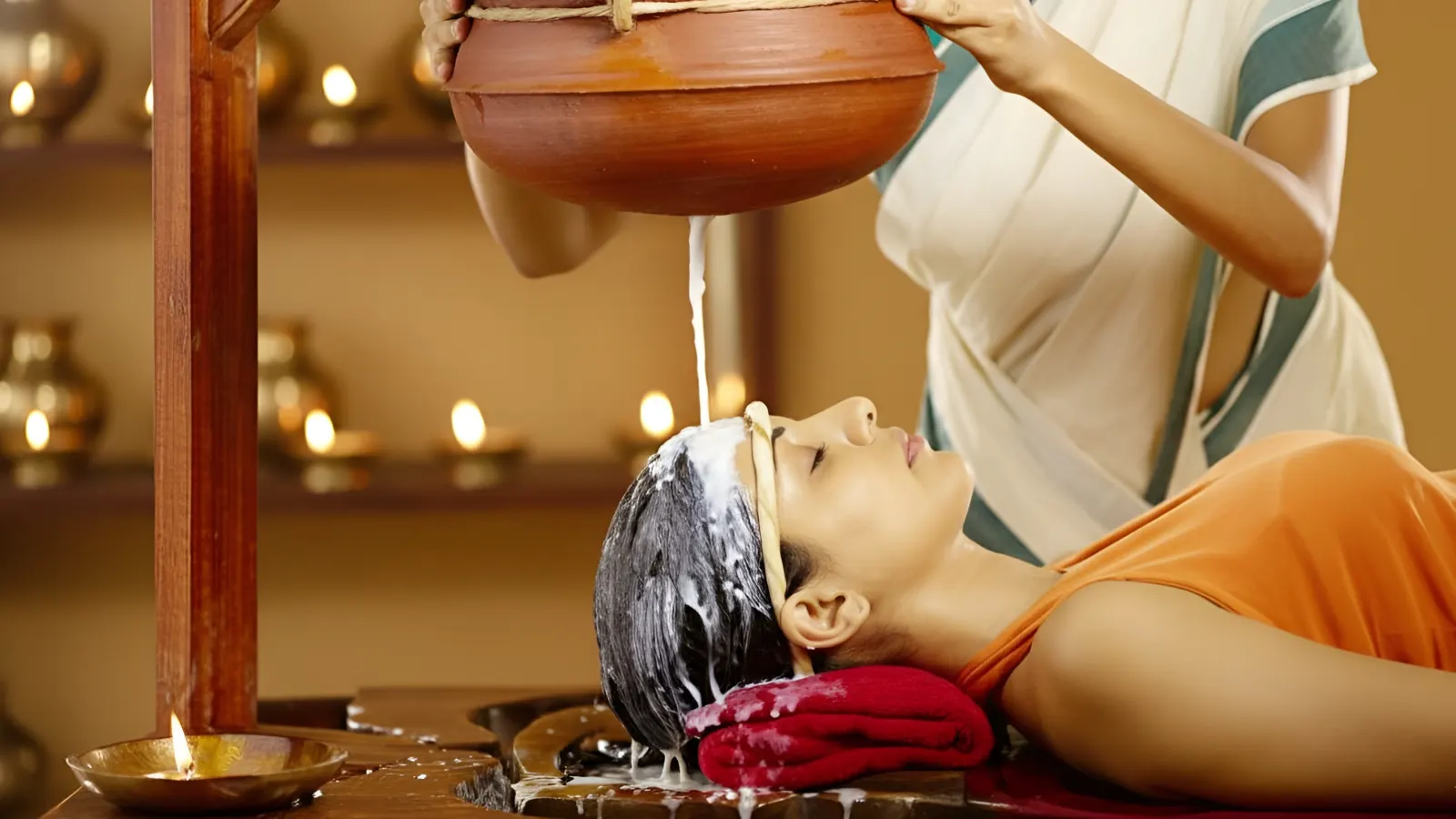
Ayurveda in India for South Korean Patients
India has become an important destination for people looking for traditional Ayurveda, wellness, rejuvenation, yoga, and holistic health experiences. For patients from South Korea, travelling to India can provide an opportunity to experience Ayurveda in its traditional setting while combining treatment with rest and a structured wellness programme. MyVaidyam Ayurveda Services helps South Korean patients explore suitable Ayurveda treatment and wellness options in India, understand programme details, compare facilities and costs, and plan their journey with international-patient support.
Why Are South Korean Patients Interested in Ayurveda in India?
Ayurveda offers a traditional approach to wellbeing that focuses on the individual, daily routine, diet, lifestyle, therapies, and overall balance. South Korean patients may explore Ayurveda in India for:
- Yoga and meditation
- Back and neck wellness
- Skin and hair wellness
- Weight-management support
- Healthy ageing programmes
- Rejuvenation and relaxation
- Joint and mobility wellness
- Stress management and better rest
- Longer residential wellness experiences
- Traditional Ayurvedic wellness programmes
- Panchakarma and other structured programmes
Ayurvedic programmes are generally personalised according to an individual's goals, health history, current medicines, lifestyle, and assessment by a qualified practitioner.
Why Choose India for Ayurveda Treatment?
India is the traditional home of Ayurveda and has a wide range of Ayurveda hospitals, clinics, wellness centres, and residential facilities. The Government of India's medical and wellness tourism strategy recognises traditional systems of medicine, including Ayurveda, within India's medical value travel and wellness tourism offerings. For South Korean patients, India can offer:
- Access to traditional Ayurvedic approaches
- Ayurveda centres in several regions of India
- Different accommodation and programme formats
- Opportunities to combine wellness with travel
- International-patient assistance through services such as MyVaidyam
- Residential programmes combining therapies, diet, rest, and lifestyle guidance
Key Facts at a Glance
- Destination
- India
- Traditional system
- Ayurveda
- Popular Ayurveda destination
- Kerala
- Other options
- Goa, Karnataka, Tamil Nadu, Delhi, Mumbai
- Short wellness stay
- Approximately 5–7 days
- Rejuvenation
- Approximately 7–14 days
- Panchakarma
- Approximately 14–21 days
- Extended programme
- Approximately 21–28 days or longer
- e-Visa eligibility
- South Korea currently listed
- Medical/Ayush e-Visa
- Available under applicable conditions
- Attendant option
- e-Medical Attendant category under applicable conditions
- Main planning needs
- Programme, accommodation, visa, travel, documents, insurance
- Support
- MyVaidyam international-patient assistance
Ayurveda Treatments Available for South Korean Patients in India
Depending on the centre and individual assessment, South Korean patients may explore the following types of programmes.
| Ayurveda Programme | General Focus |
|---|---|
| Panchakarma | A structured traditional Ayurvedic programme involving consultation, preparation, selected therapies, diet, rest, and post-treatment guidance |
| Ayurvedic Rejuvenation | Programmes focused on relaxation, revitalisation, traditional therapies, nutrition, and lifestyle routines |
| Stress & Relaxation | Designed around relaxation, Ayurvedic therapies, yoga, meditation, breathing practices, and restorative routines where appropriate |
| Ayurvedic Weight Management | Programmes combining personalised Ayurvedic guidance, diet, activity, therapies, and lifestyle recommendations |
| Joint Wellness | Wellness programmes that may include traditional Ayurvedic therapies, massage techniques, movement, yoga, and lifestyle guidance |
| Back & Neck Wellness | Programmes focused on traditional therapies, relaxation, movement, posture, and supportive lifestyle practices |
| Sleep & Relaxation | Programmes designed around relaxation, daily routine, traditional therapies, yoga, meditation, and sleep-supportive habits |
| Skin & Hair Wellness | Ayurvedic approaches involving traditional therapies, nutrition, lifestyle guidance, and topical treatments where appropriate |
| Women's Wellness | Personalised wellness programmes addressing relaxation, rejuvenation, lifestyle, nutrition, and other women's wellness goals |
| Men's Wellness | Programmes combining Ayurvedic therapies, nutrition, lifestyle guidance, relaxation, and general wellbeing |
| Healthy Ageing | Programmes focused on maintaining mobility, relaxation, healthy routines, nutrition, and overall wellbeing |
| General Wellness | Flexible programmes for people looking to experience Ayurveda, relaxation, traditional therapies, yoga, meditation, and healthier routines |
All-Inclusive Ayurveda Packages in India for South Korean Patients
Structured programmes you can tailor with your physician — slide to see all six.
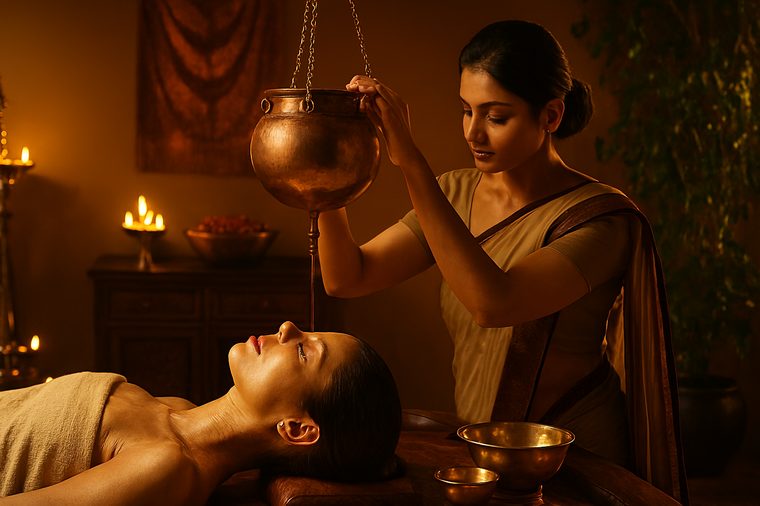 DetoxProgram FrameworkPanchakarma & DetoxClassical cleansing and reset programmes, the core of residential Ayurveda.Learn more
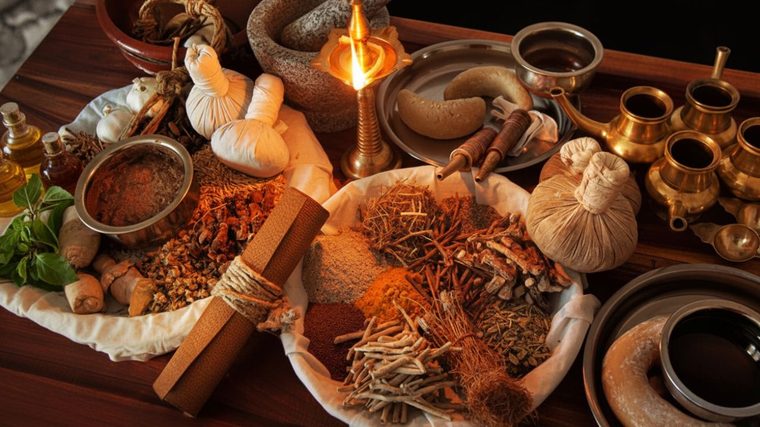 Condition-specificProgram FrameworkDisease-Specific ProgramsTargeted programmes built around a specific chronic condition.Learn more
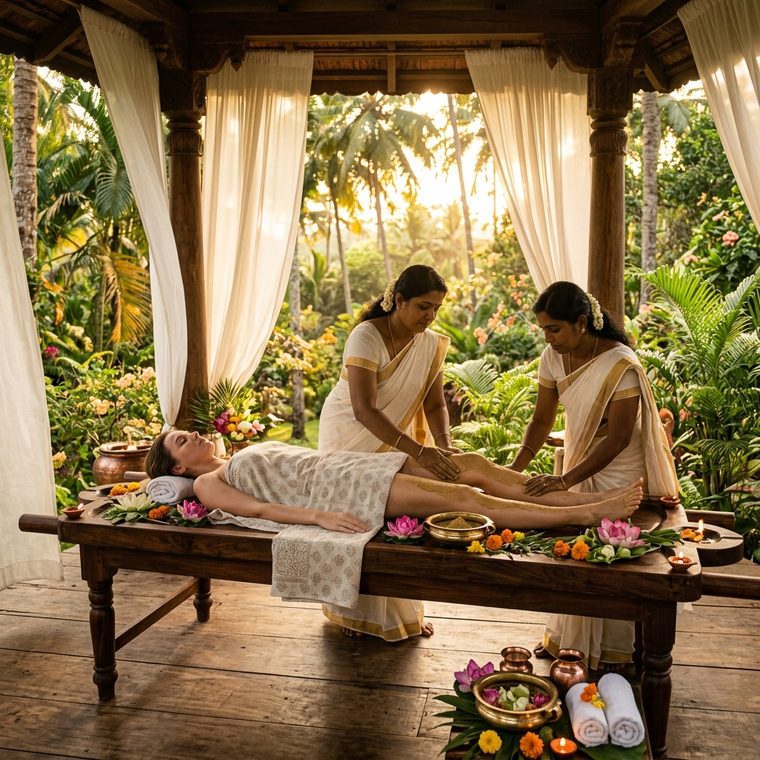 RejuvenationProgram FrameworkBeauty & RejuvenationRejuvenation and natural beauty programmes to restore glow and energy.Learn more
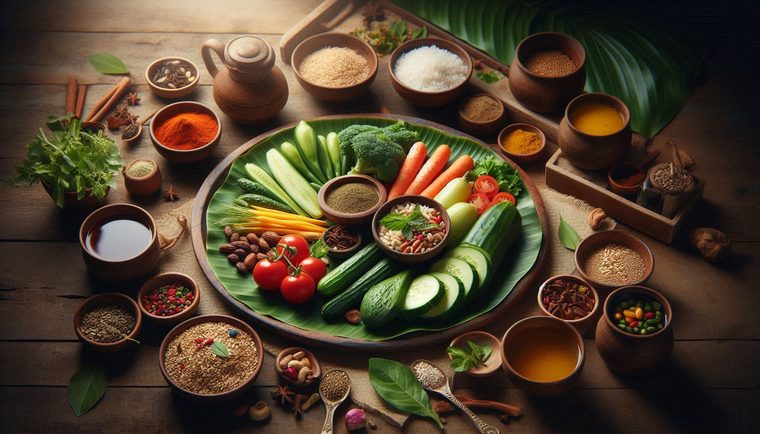 WellnessProgram FrameworkLifestyle & WellnessPreventive lifestyle, diet and stress programmes for everyday wellbeing.Learn more
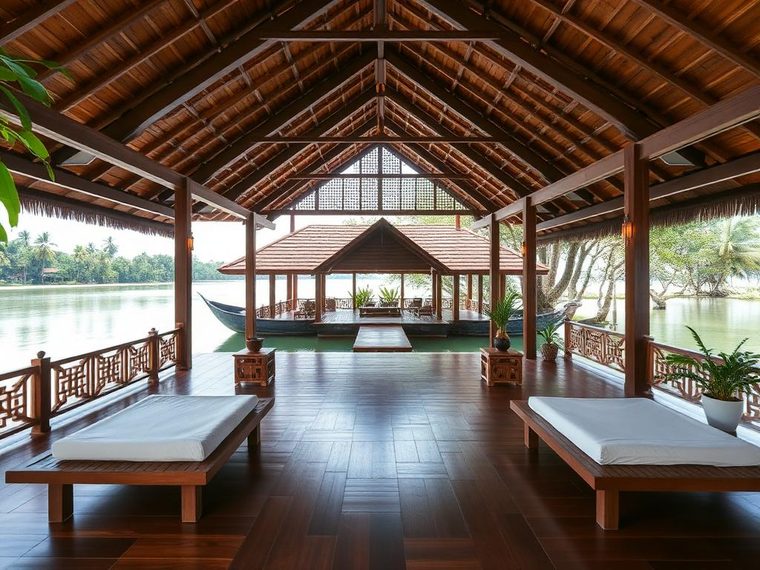 RetreatProgram FrameworkIntegrated RetreatAll-inclusive residential retreats blending therapy, yoga and rest.Learn more
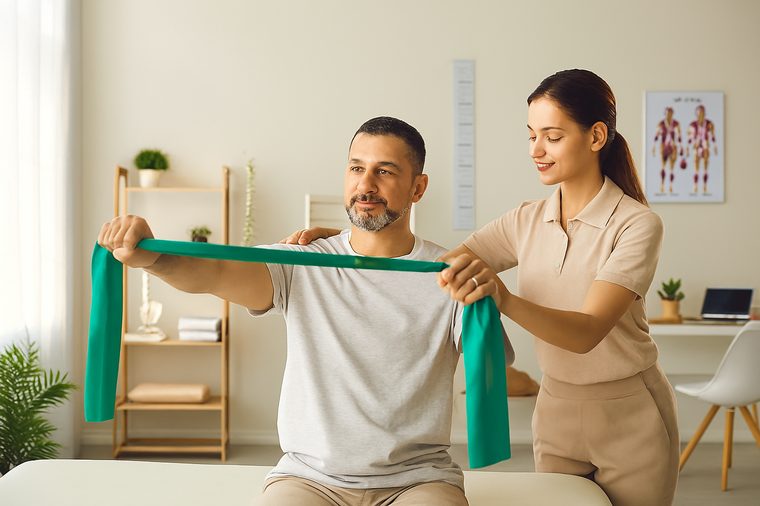 RecoveryProgram FrameworkRecovery & RehabilitationSupportive recovery and rehabilitation after illness or surgery.Learn more
Panchakarma in India for South Korean Patients
Panchakarma is one of the best-known traditional Ayurvedic therapeutic approaches. It is generally provided as a structured programme rather than as a single treatment. A typical programme may include:
- 1.Initial Ayurvedic consultation
- 2.Individual assessment
- 3.Preparation phase
- 4.Selected traditional Ayurvedic therapies
- 5.Special Ayurvedic diet
- 6.Rest and relaxation
- 7.Yoga or meditation where appropriate
- 8.Post-treatment recommendations
- 9.Lifestyle guidance
The exact programme differs between individuals and centres. Panchakarma should be selected after consultation with a qualified Ayurvedic practitioner rather than solely from an online description.
How Long Does Panchakarma Take?
Depending on the programme, patients may consider:
- Short programmes: introductory or wellness-focused stays
- 7–14 days: shorter structured programmes
- 14–21 days: commonly considered for more comprehensive programmes
- 21–28 days: longer residential programmes
- Longer stays: where recommended by the treating practitioner
How Long Should a South Korean Patient Stay in India?
The appropriate length of stay depends on the programme and individual requirements.
Short Wellness Programme
Approximately 5–7 days. Suitable for patients looking for an introduction to Ayurveda, relaxation, or a short wellness experience.
Rejuvenation Programme
Approximately 7–14 days. Allows more time for therapies, diet, relaxation, yoga, and lifestyle activities.
Panchakarma Programme
Approximately 14–21 days. A longer stay may allow preparation, the main therapeutic phase, rest, and follow-up guidance.
Extended Programme
Approximately 21–28 days or longer. May be considered for patients seeking a longer residential Ayurveda experience. The final duration should be determined after an individual consultation and assessment.
Best Places in India for South Korean Patients Seeking Ayurveda
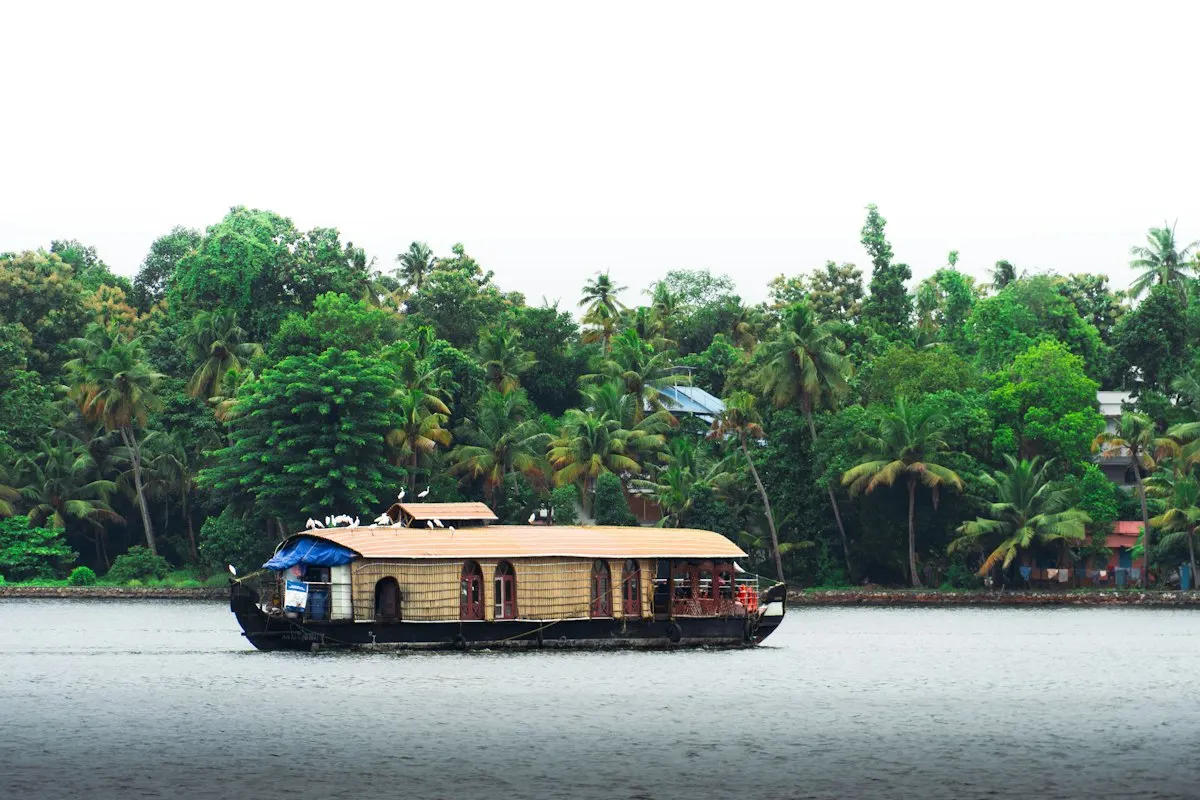
Kerala
Kerala is widely associated with Ayurveda and offers many Ayurveda hospitals, clinics, resorts, and residential wellness centres. It can be considered by patients looking for a traditional Ayurveda-focused experience. Kerala has three international airports — Thiruvananthapuram, Kochi and Kozhikode — so most centres are within a few hours of arrival. The monsoon months, and Karkidakam in particular (mid-July to mid-August), are traditionally regarded in Kerala as a favourable time for rejuvenation programmes, and many centres run a dedicated monsoon schedule.
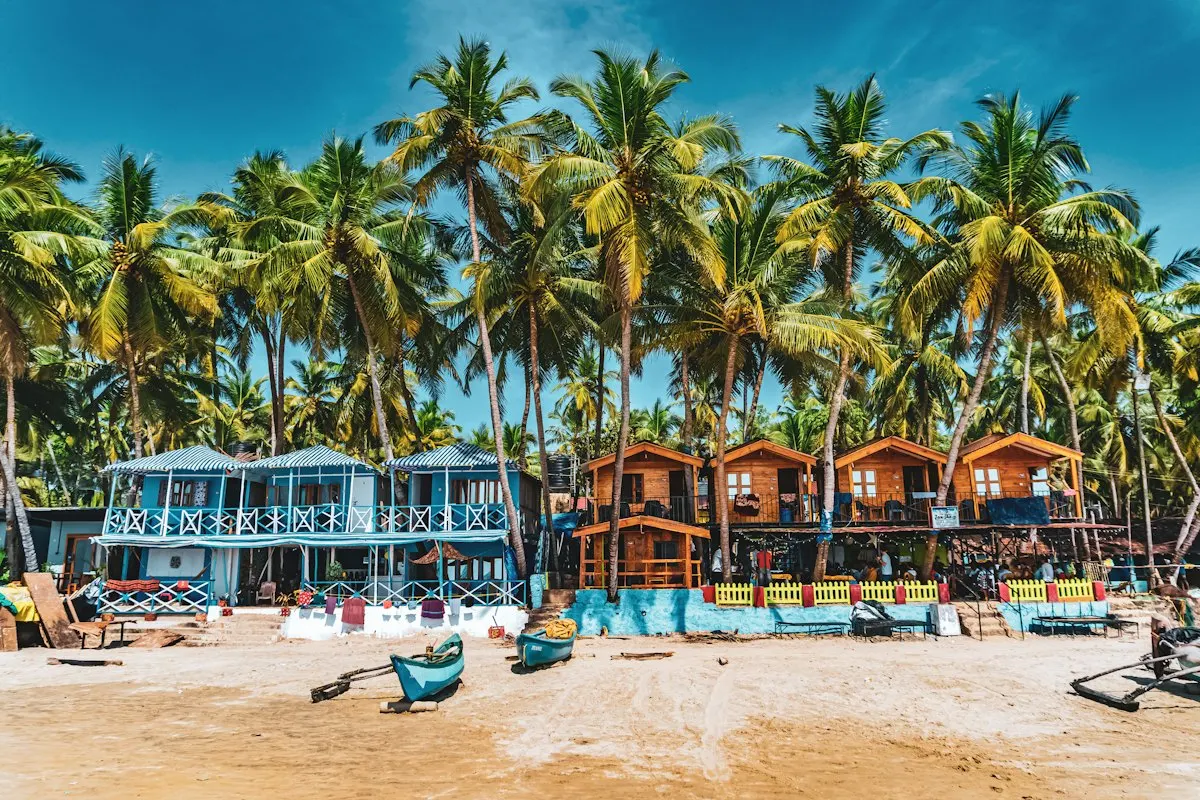
Goa
Goa offers Ayurveda and wellness programmes alongside a relaxed coastal environment. It may appeal to patients who want to combine Ayurveda with a holiday atmosphere. Goa is served by two airports, Dabolim and Manohar International at Mopa, with direct and connecting flights from several countries. Centres are spread between the quieter beaches of South Goa and the busier north, and programmes here are often shorter than a full residential stay.
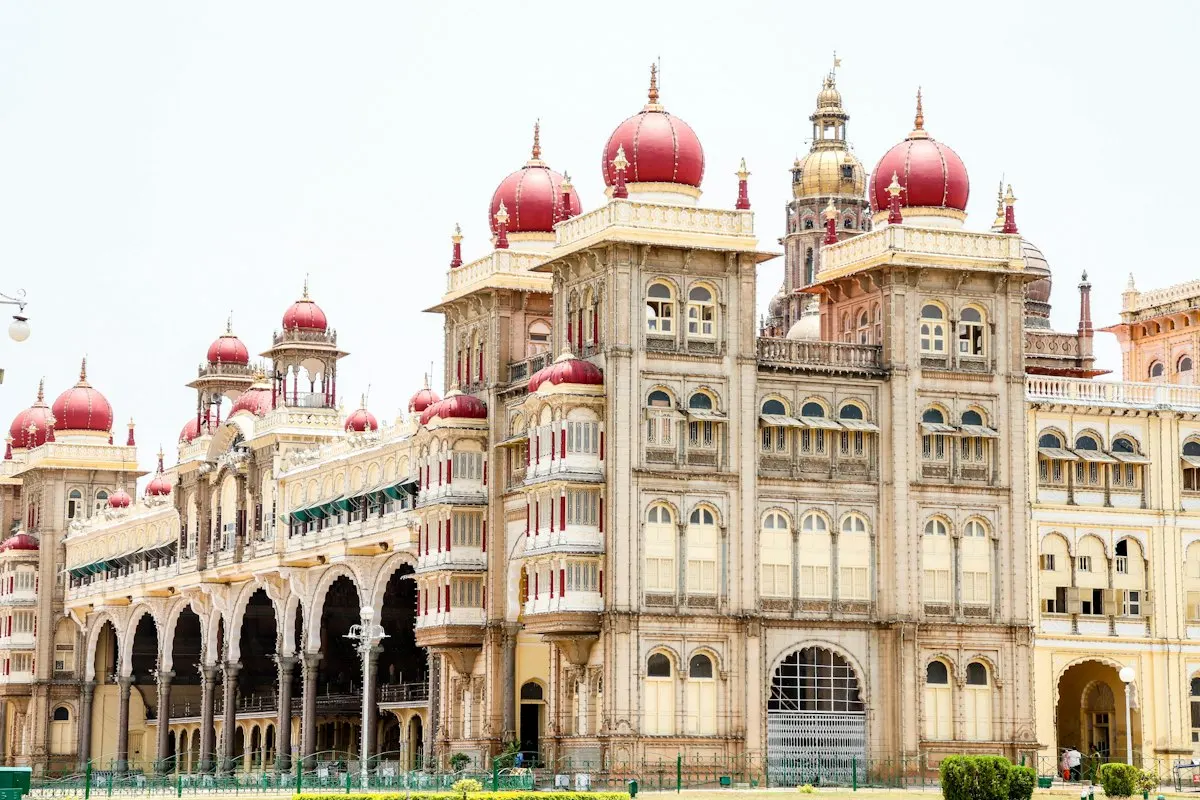
Karnataka
Karnataka offers Ayurveda centres in locations including Bengaluru and other parts of the state. Bengaluru's Kempegowda International Airport is one of India's busiest, which makes Karnataka straightforward to reach and to combine with onward travel. Options range from city clinics in Bengaluru to residential retreats around Mysuru and the Western Ghats.
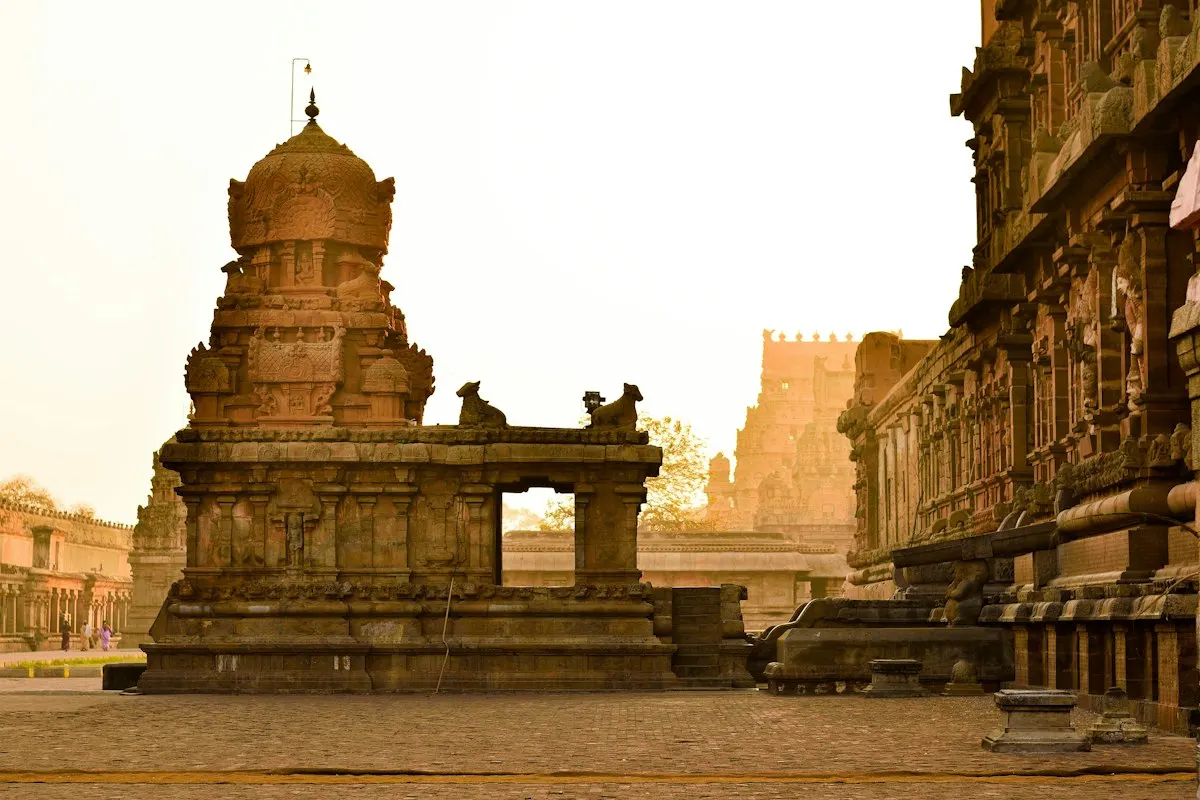
Tamil Nadu
Tamil Nadu has Ayurveda and traditional wellness facilities, particularly in and around major cities and wellness destinations. Chennai and Coimbatore both have international airports, and Coimbatore in particular has long-established Ayurveda hospitals and residential retreats. Tamil Nadu also has its own traditional system, Siddha, which some centres offer alongside Ayurveda.
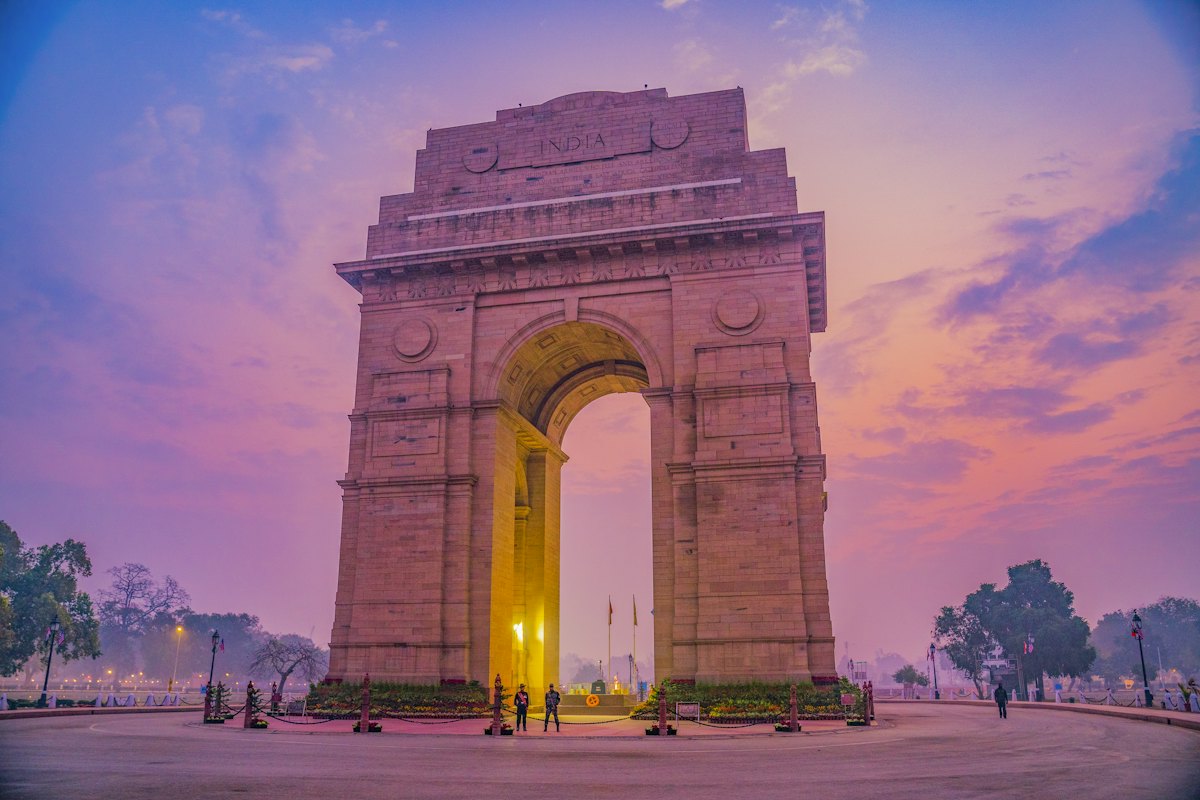
Delhi
Delhi can be convenient for international travellers and offers access to healthcare, Ayurveda, wellness, and transport connections. Indira Gandhi International Airport is India's largest hub, with direct flights from most regions, so Delhi suits patients who want to begin or end their journey in a major city. The wider NCR area has both urban Ayurveda clinics and countryside retreats within a few hours' drive.
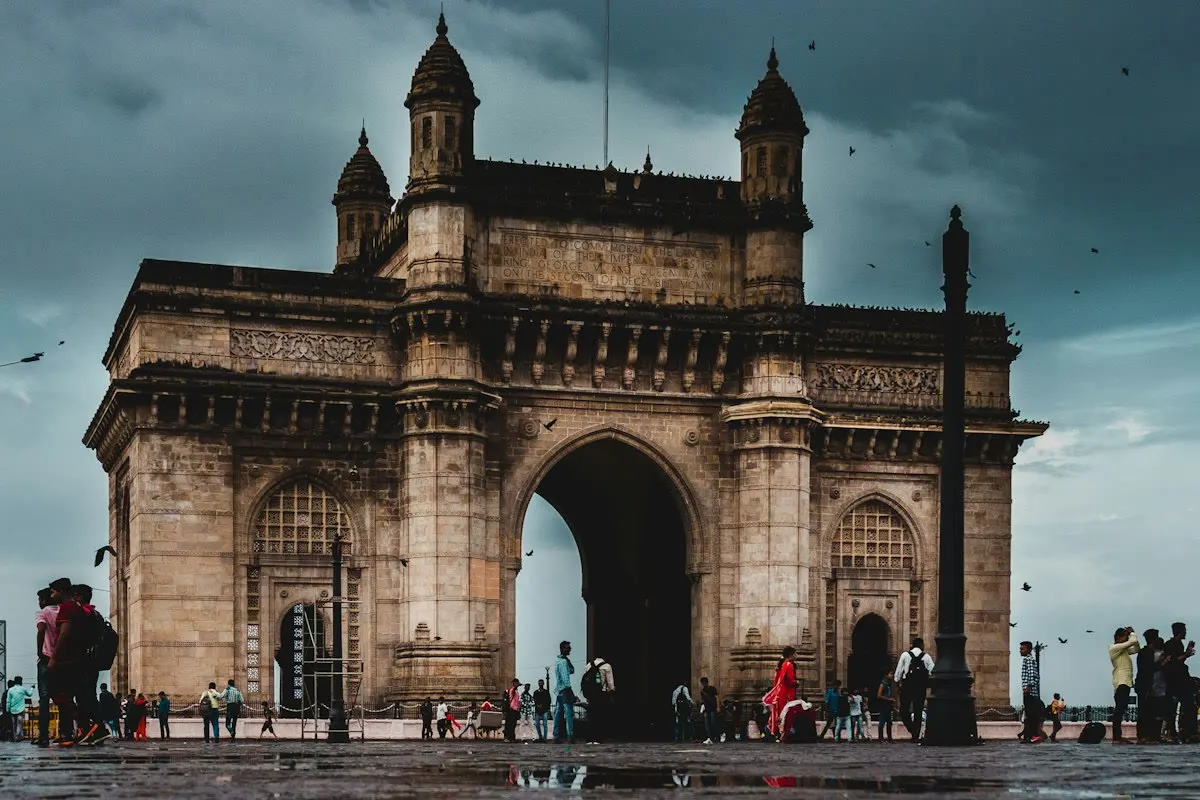
Mumbai
Mumbai is another major international gateway with access to healthcare and wellness facilities. Chhatrapati Shivaji Maharaj International Airport connects Mumbai to most major cities worldwide, and the city has a wide range of private hospitals should conventional care be needed. Several residential Ayurveda centres sit two to three hours away, around Panvel, Lonavala and the hills near Pune.
How Should South Korean Patients Choose an Ayurveda Centre in India?
Before booking, patients should compare more than just the advertised package price. Consider:
- 1Practitioner QualificationsAsk who will conduct the consultation and supervise the programme.
- 2Individual Treatment PlanConfirm whether the programme is personalised or simply a standard package.
- 3Total CostCheck whether the price includes:
- Meals
- Taxes
- Therapies
- Medicines
- Transfers
- Consultation
- Accommodation
- Additional services
- 4AccommodationAsk about room type, bathroom facilities, accessibility, Wi-Fi, meals, and housekeeping.
- 5Safety ArrangementsPatients should understand how the centre handles medical concerns or situations requiring additional healthcare.
- 6MedicinesAsk which medicines or Ayurvedic preparations may be recommended and how they should be used.
- 7International Patient SupportSouth Korean patients may benefit from support with airport transfers, accommodation, communication, documentation, and travel planning.
Ayurveda Hospitals & Wellness Centres in India for South Korean Patients
A selection of the destinations we work with — use the arrows to explore. Each links to its full profile.
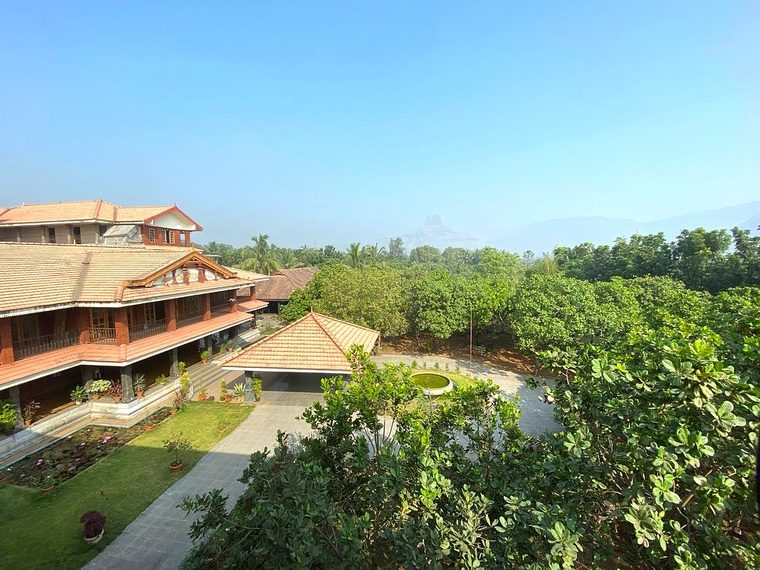 KeralaAyurvedic Village ResortAgni Ayurvedic VillageA dedicated Ayurvedic village resort in Kerala for immersive, residential Panchakarma.Learn more
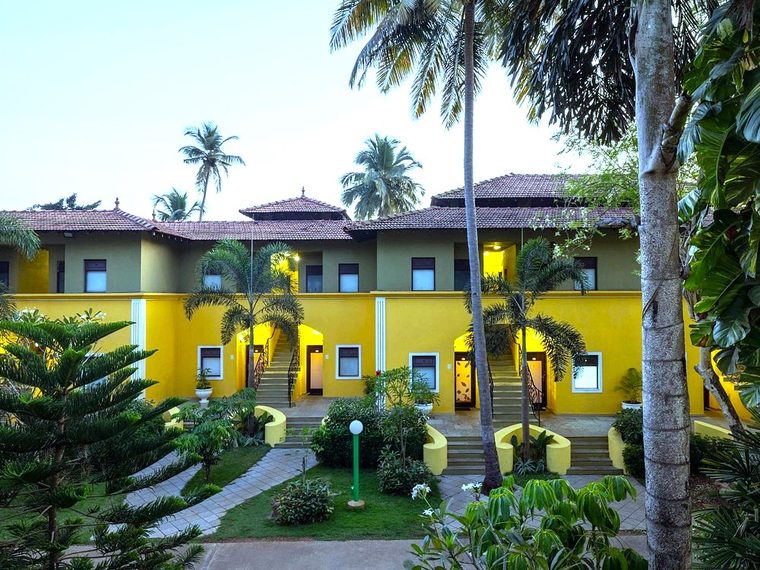 GoaAyurveda Wellness ResortMercure Goa DevaayaAn Ayurveda wellness resort in Goa combining classical therapies with a relaxed coastal setting.Learn more
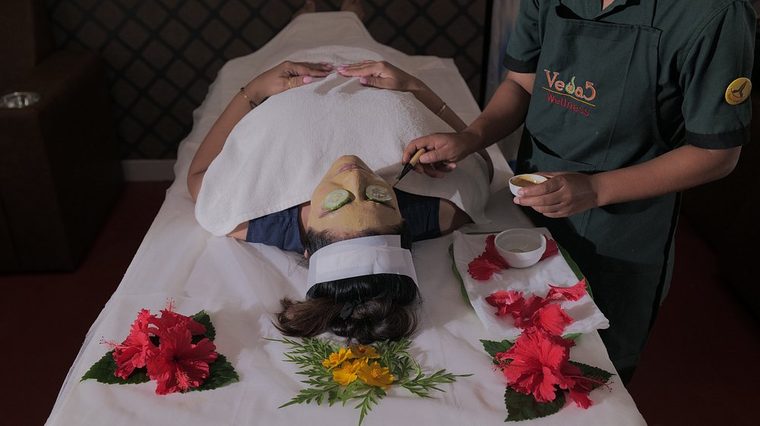 RishikeshLuxury Ayurveda & YogaVeda5 RetreatA luxury Ayurveda & yoga retreat in Rishikesh, blending classical therapy with the Himalayas.Learn more
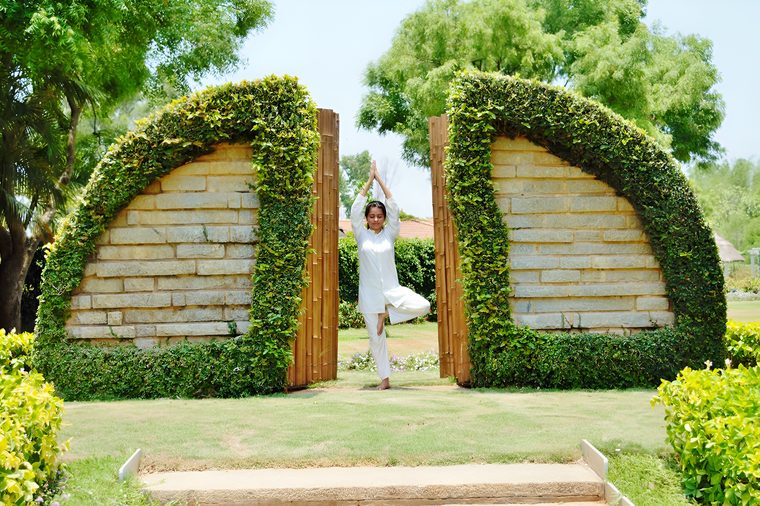 BengaluruIntegrative Holistic HealthSoukya InternationalA globally recognised centre for classical Ayurveda and integrative holistic care in Bengaluru.Learn more
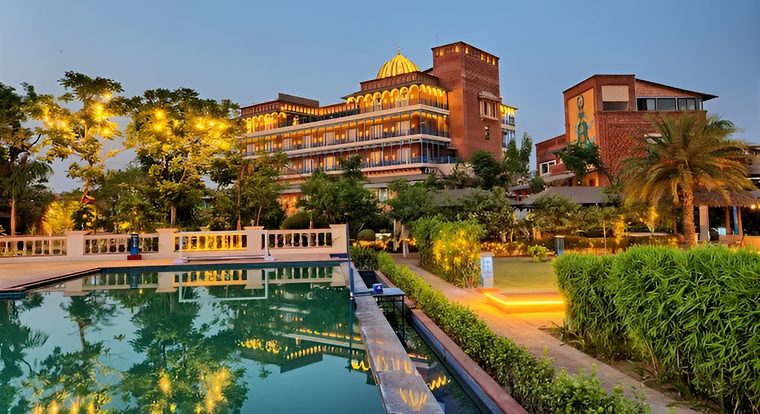 Delhi NCRCountryside Wellness RetreatNamaste DwaarA countryside wellness retreat near Delhi offering restful, doctor-led Ayurveda programmes.Learn more
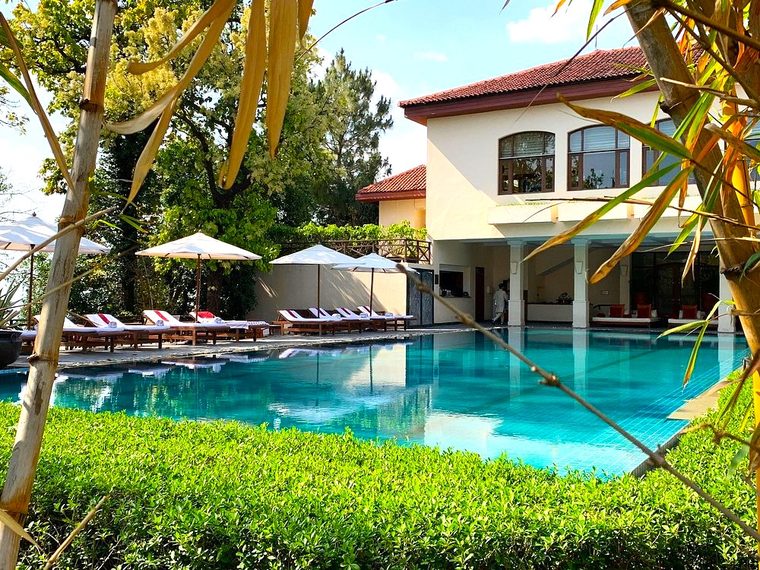 UttarakhandLuxury Himalayan RetreatAnanda in the HimalayasAn award-winning luxury wellness retreat in the Himalayas with dedicated Ayurveda programmes.Learn more
Ayurveda Visa for South Korean Patients Travelling to India
South Korean passport holders are currently listed among the nationalities eligible for India's e-Visa system. The official Government of India portal also states that e-Visa eligibility includes medical treatment under Indian systems of medicine. For eligible South Korean travellers seeking Ayurveda under the relevant medical/Ayush category, the official portal lists documentation such as:
- Passport bio page
- Suggested or tentative admission date
- Letter from the Indian hospital on its letterhead
The official portal also lists an e-Medical Attendant Visa for eligible attendants accompanying an e- Medical patient. South Korean nationals may also have access to visa-on-arrival arrangements at selected Indian airports, according to the Government of India's current visa portal. Travellers should verify the latest eligibility, airport availability, documentation, and conditions before travel. Visa rules, fees, eligibility, and documentation can change. South Korean patients should always verify the current requirements on the official Government of India visa portal before applying.
What Documents Should South Korean Patients Prepare?
Before travelling to India, prepare:
- Valid passport
- Travel itinerary
- Return or onward ticket
- Current medication list
- Travel insurance documents
- Emergency contact information
- Treatment or programme details
- Payment and booking confirmations
- Passport photographs where required
- Visa or approved e-Visa documentation
- Ayurveda centre/hospital confirmation
- Previous treatment records where useful
- Medical reports relevant to the consultation
Keep digital copies of important documents in secure storage.
What Should South Korean Patients Pack for Ayurveda Treatment?
Useful items may include:
- Travel adapter
- Sun protection
- Medical reports
- Phone and charger
- Personal toiletries
- Reusable water bottle
- Prescription medicines
- Comfortable walking shoes
- Personal hygiene products
- Comfortable loose clothing
- Lightweight cotton clothes
- Passport and visa documents
- Light clothing suitable for yoga or exercise
- Any preferred personal items for a longer residential stay
Patients should inform the Ayurveda centre in advance if they have dietary preferences or specific accommodation requirements.
Food and Diet for South Korean Patients
Food is often an important part of a residential Ayurveda programme. Depending on the centre and individual programme, meals may be designed around:
- Soups
- Vegetables
- Fresh ingredients
- Simple preparations
- Herbal preparations
- Easily digestible meals
- Rice and traditional grains
- Personalised dietary recommendations
South Korean patients should inform the centre about:
- Food allergies
- Foods they cannot eat
- Vegetarian or non-vegetarian preferences
- Religious or cultural dietary requirements
- Any medically advised dietary restrictions
If you are accustomed to Korean cuisine, you can ask the centre in advance about suitable meal options and how closely the programme can accommodate your usual dietary preferences.
Travel Insurance for South Korean Patients
Travel insurance can be useful when travelling internationally for an Ayurveda programme. Before purchasing insurance, check whether the policy covers:
- Baggage loss
- Hospitalisation
- Trip cancellation
- Medical emergencies
- Travel interruption
- Emergency transportation
- Pre-existing conditions, if applicable
- Activities included in your planned trip
Patients should check the policy wording carefully because wellness or traditional treatment expenses may not automatically be covered.
How MyVaidyam Helps South Korean Patients Plan Ayurveda in India
Planning an Ayurveda journey from South Korea can involve several decisions. MyVaidyam Ayurveda Services can help patients:
- 1.Understand their Ayurveda and wellness requirements
- 2.Explore suitable Ayurveda centres in India
- 3.Understand available programmes
- 4.Compare treatment and accommodation options
- 5.Understand estimated costs
- 6.Plan their India journey
- 7.Arrange airport-transfer and travel support where available
- 8.Receive international-patient assistance during the planning process
- 9.Understand what documents may be required
- 10.Receive post-treatment lifestyle guidance from the relevant centre where provided
The objective is to make the process easier to understand before the patient travels to India.
What Should South Korean Patients Ask Before Booking?
Before confirming an Ayurveda programme, ask:
- 1.Are taxes included?
- 2.How long should I stay?
- 3.Is accommodation included?
- 4.What diet will be provided?
- 5.What therapies are included?
- 6.What preparation is required?
- 7.Is the programme personalised?
- 8.What documents should I bring?
- 9.What room options are available?
- 10.Are airport transfers available?
- 11.Are doctor consultations included?
- 12.What is the complete package price?
- 13.Are medicines included in the package?
- 14.Is Panchakarma appropriate for my goals?
- 15.How many treatment sessions are included?
- 16.Who will conduct my Ayurvedic consultation?
- 17.Can the centre accommodate dietary requirements?
- 18.What happens if I need additional medical attention?
- 19.What visa category should I check for my purpose of travel?
- 20.What follow-up guidance will I receive after completing the programme?
Ayurveda for South Korean Patients: What to Consider Before You Travel
Ayurveda is a traditional system of medicine and wellness. Patients should approach an overseas treatment programme with realistic expectations and appropriate planning. Before travelling:
- Confirm visa requirements.
- Arrange suitable travel insurance.
- Check accommodation and food arrangements.
- Confirm what is included in the programme price.
- Keep important medical and travel documents accessible.
- Share your medical history with the Ayurvedic practitioner.
- Ask about the proposed therapies before beginning treatment.
- Provide a complete list of current medicines and supplements.
- Allow sufficient time for rest and recovery during the programme.
- Discuss relevant health concerns with your regular healthcare professional where appropriate.
- Do not stop or change prescribed medication without discussing it with the prescribing healthcare professional.
For patients travelling specifically for medical treatment, Ayurveda should be coordinated responsibly with any ongoing healthcare needs.
What International Patients Say
9 stories from our patient records
 Wei Ming Lim, 46Post-Surgery Rehabilitation Program in IndiaFrustrated by slow progress after knee surgery, Wei Ming Lim, 46, from Singapore turned to MyVaidyam Team's Post-Surgery Rehabilitation Program in India to complement his physiotherapy and surgeon's care. “It genuinely gave my recovery real momentum,” he shared.Read Full Story
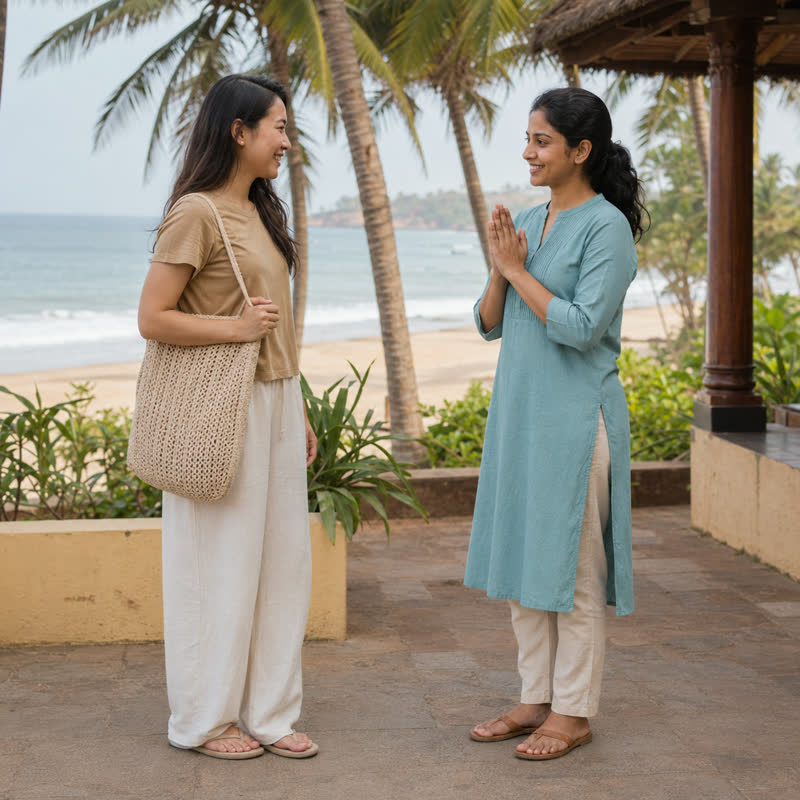 Hui Ling Tan, 28PCOS & Women's Hormonal Balance Program in IndiaAfter years of PCOS symptoms only partially managed, Hui Ling Tan, 28, from Singapore chose MyVaidyam Team's PCOS & Women's Hormonal Balance Program in India, alongside her gynaecologist's care. “I finally understand my own condition much better now,” she shared.Read Full Story
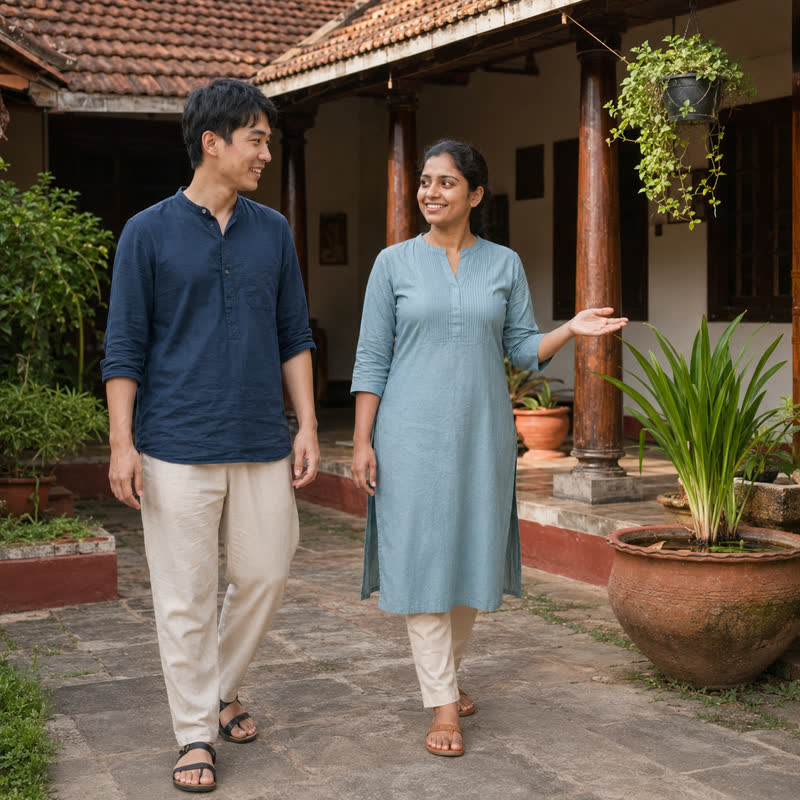 Takumi Sato, 29Anxiety & Depression Support Program in IndiaAlready in therapy for anxiety and depression, Takumi Sato, 29, from Japan sought additional daily support with MyVaidyam Team's Anxiety & Depression Support Program in India, alongside his ongoing treatment. “I'm sleeping more consistently now, which has genuinely helped,” he shared.Read Full Story
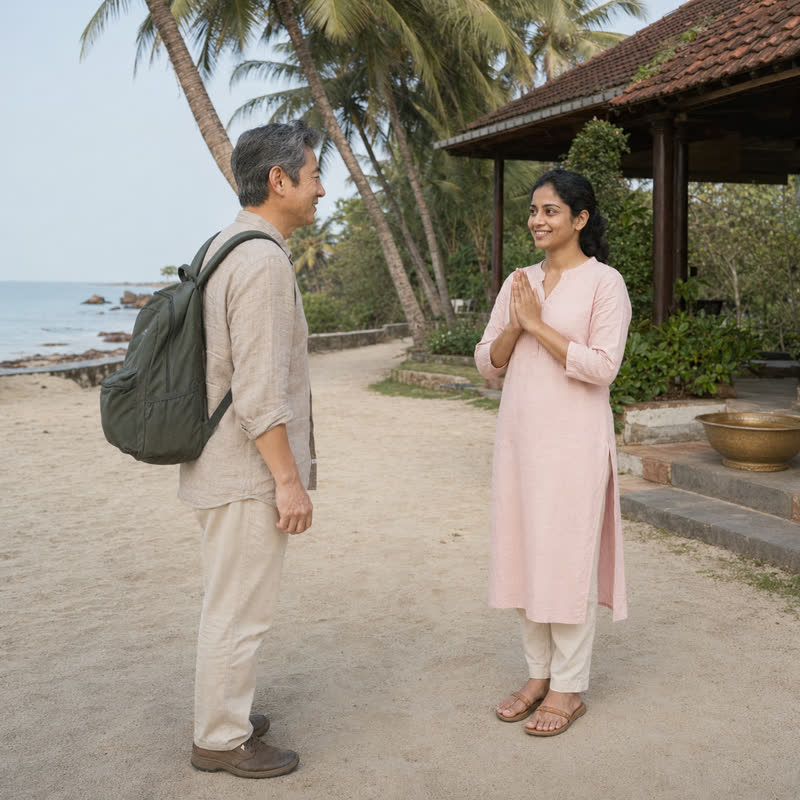 Hiroshi Tanaka, 58Heart Health & Hypertension Management Program in IndiaAfter years of high blood pressure despite medication, Hiroshi Tanaka, 58, from Japan finally built lasting lifestyle habits with MyVaidyam Team's Heart Health & Hypertension Management Program in India. “I finally have the lifestyle habits my cardiologist has wanted,” he shared.Read Full Story
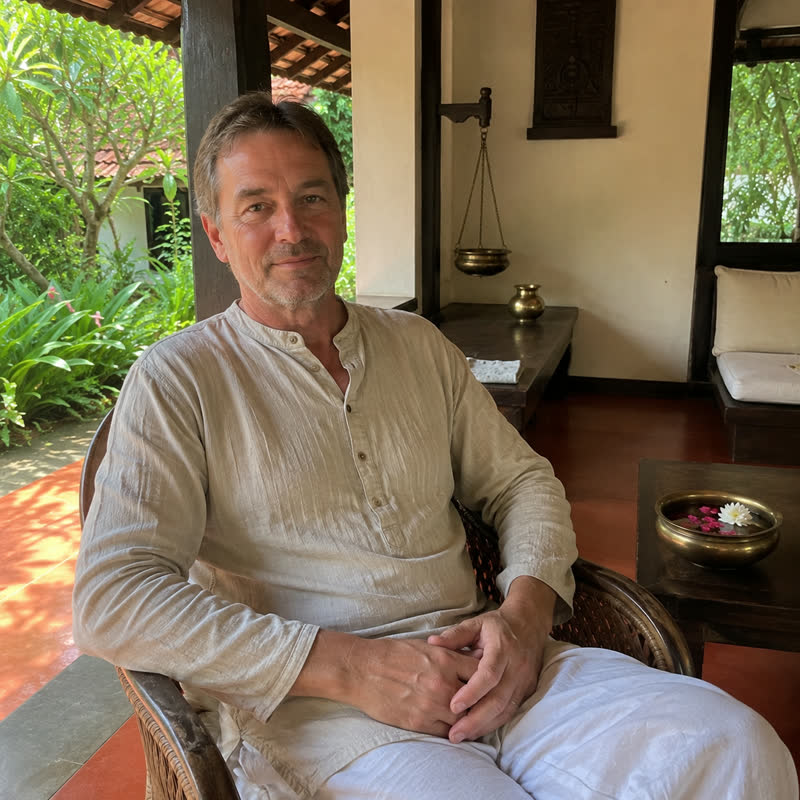 Hans Muller, 5521-Day Panchakarma Detox Program in IndiaArriving with professional scepticism and leaving with something he could not easily quantify, Mr. Hans Muller, 55, from Germany completed the 21-Day Panchakarma Detox Program in India with MyVaidyam Team. His sleep and energy shifted in ways years of conventional care had not achieved. “I would not have believed this outcome before I experienced it,” he shared.Read Full Story
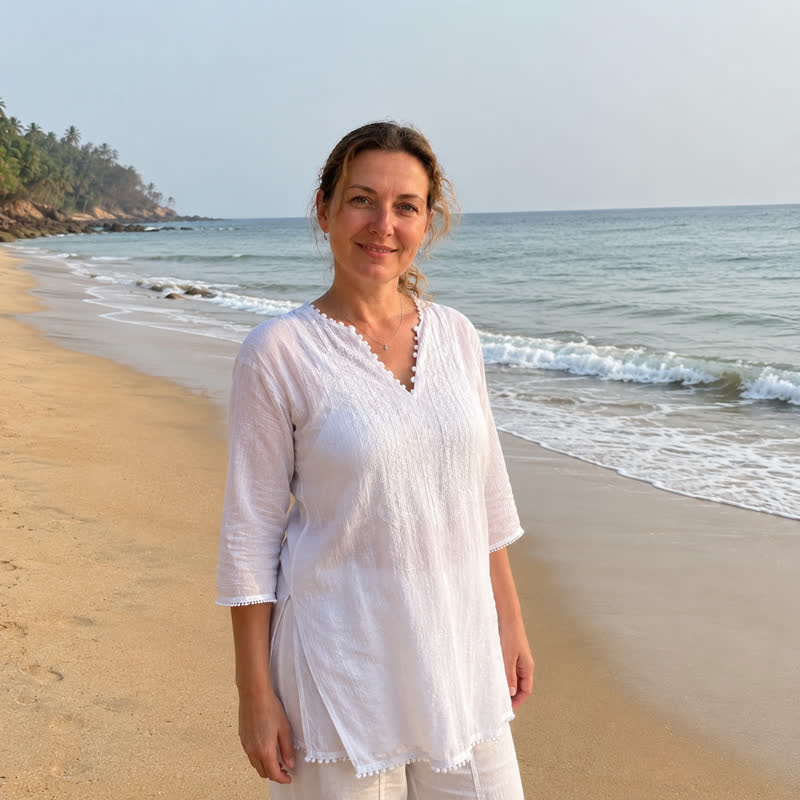 Ekaterina Ivanova, 38Ayurveda Treatment for Migraine in IndiaWhen one more cancelled weekend made the pattern impossible to ignore, Ekaterina Ivanova, 38, from Russia decided to try MyVaidyam Team's Ayurveda Treatment for Migraine in India. The honest, personalised care brought noticeably fewer, milder episodes. “My migraines are far less frequent now, and they pass faster,” she shared.Read Full Story
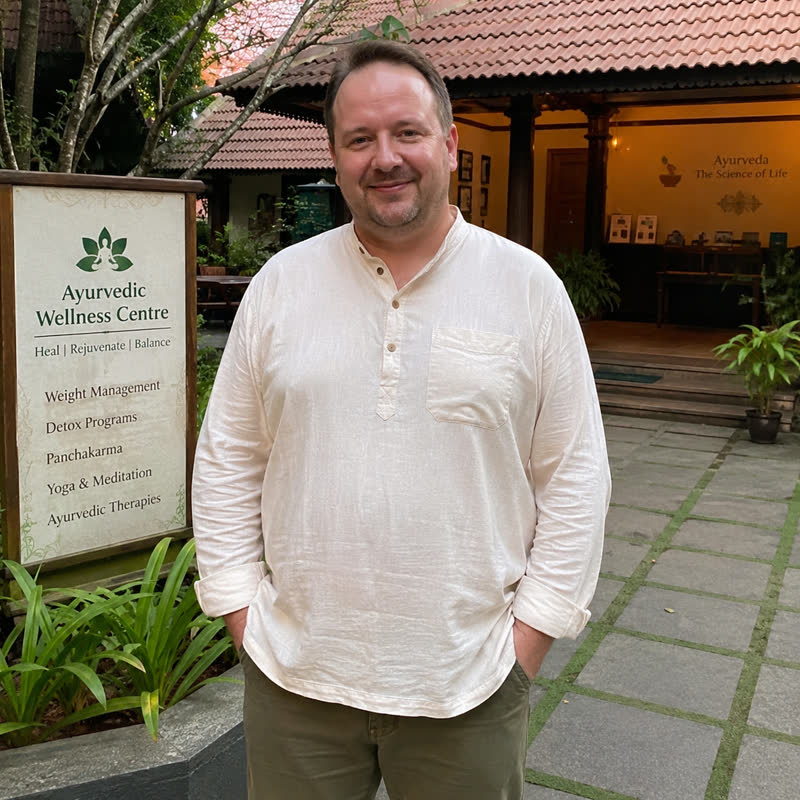 Daniel Meier, 39Ayurvedic Weight Loss Program in IndiaWhen his daughter asked why he was always too tired after dinner, Daniel Meier, 39, from Switzerland chose MyVaidyam Team's Ayurvedic Weight Loss Program in India. The honest, sustainable approach gave him real, lasting energy. “I have real energy in the evenings now,” he shared.Read Full Story
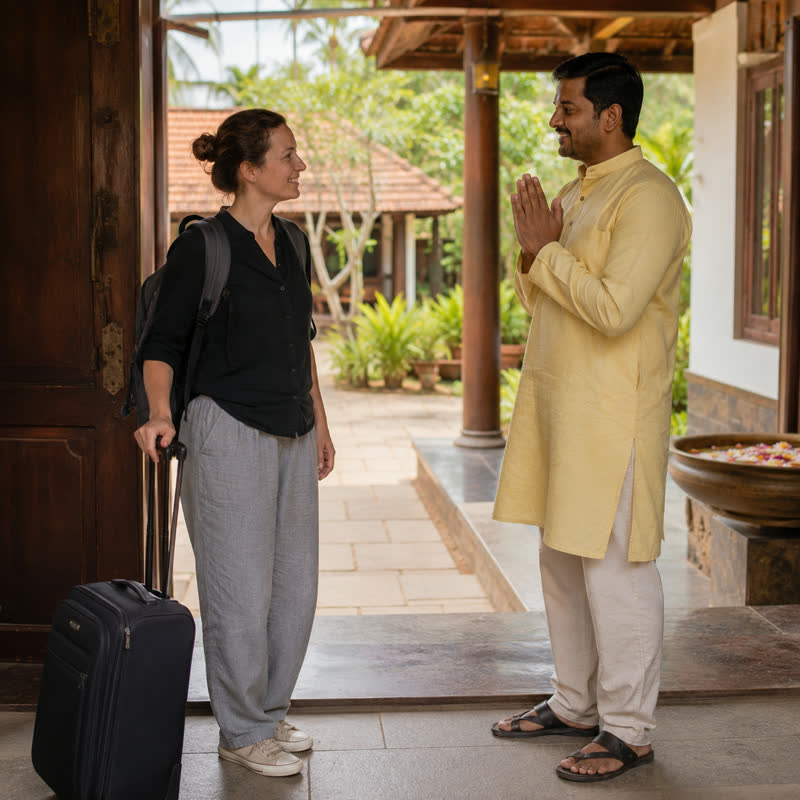 Camille Dubois, 37Disc Bulge Protrusion Treatment in IndiaAfter three years of recurring numbness from a disc bulge, Camille Dubois, 37, from France chose MyVaidyam Team's Disc Bulge Protrusion Treatment in India. The targeted, honest care brought real, lasting relief. “I'm moving with far less guardedness now,” she shared.Read Full Story
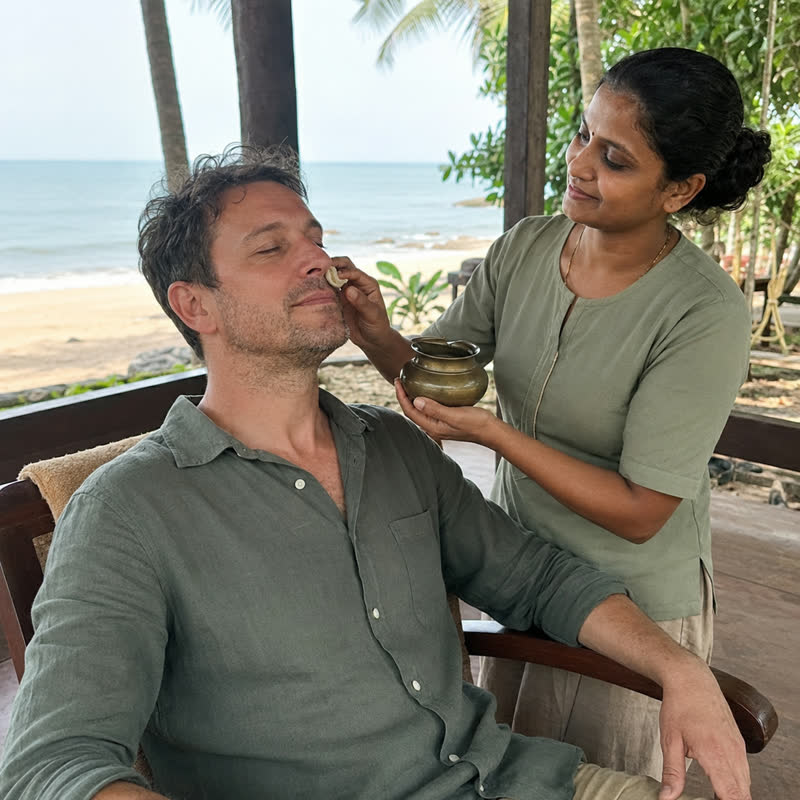 Felix Gruber, 39Sinusitis Treatment in IndiaAfter nearly five years of recurring sinusitis and repeated antibiotics, Felix Gruber, 39, from Austria finally chose MyVaidyam Team's Sinusitis Treatment in India. The honest, Nasya-based approach brought real, lasting relief and easier breathing. “My congestion has eased significantly,” he shared.Read Full Story
Ayurveda Treatment in India — Planned From Your City
Every city reaches India differently. Pick yours for flights, the time difference, visa and the best season to travel.
 South Korea7 city guides
Frequently Asked Questions About Ayurveda in India for South Korean Patients
1. What visa do I need from South Korea?
South Korean passport holders can apply online for India's e-Ayush Visa, the category created for treatment under Indian systems of medicine such as Ayurveda. A family member travelling with you can apply for the e-Ayush Attendant Visa. We help with the centre's treatment letter.
2. Is Ayurveda treatment in India safe for South Korean patients?
Yes, when you choose a qualified, doctor-led centre. MyVaidyam recommends only centres with registered Ayurvedic physicians and reliable medicine-quality practices, and we review your reports before recommending anything.
3. How much does Ayurveda treatment in India cost for South Korean patients?
A residential programme in India - with accommodation, meals, doctor consultations and daily therapies - usually costs less than a much shorter private wellness stay closer to home. You receive a full written quote before booking.
4. Will my South Korean health insurance cover Ayurveda treatment in India?
Most South Korean health plans do not cover Ayurvedic treatment abroad. Check with your insurer, and consider travel insurance for the trip.
5. When is the best time to travel from South Korea to India for Ayurveda?
October-March (dry, settled weather across South India) or June-August (Kerala's classical monsoon therapy season).
6. Can South Korean citizens travel to India for Ayurveda treatment?
Yes. South Korean passport holders are currently included in India's e-Visa eligible nationality list, and India's e-Visa system includes medical treatment under Indian systems of medicine.
7. Is Ayurveda available in India for international patients?
Yes. India has Ayurveda hospitals, clinics, wellness centres, and residential programmes that serve domestic and international visitors.
8. Which part of India is best known for Ayurveda?
Kerala is particularly well known for Ayurveda and has a wide range of Ayurveda and wellness facilities.
9. How long should I stay for Ayurveda?
It depends on your programme. A short wellness programme may take around 5–7 days, while more comprehensive programmes may require 14–21 days or longer.
10. How long does Panchakarma take?
Panchakarma duration varies according to the individual programme. Residential programmes may range from around two weeks to several weeks.