Ayurveda is one of India's traditional systems of medicine and offers international patients opportunities to explore structured wellness, rejuvenation, relaxation, lifestyle, and traditional therapeutic programmes.
For Spanish patients considering Ayurveda treatment in India, MyVaidyam helps make the journey easier by helping you explore Ayurveda treatment and wellness options, understand programmes, compare facilities, estimate costs, and plan your journey to India.
This guide explains what Spanish patients should know before choosing an Ayurveda programme in India.
Why Are Spanish Patients Interested in Ayurveda in India?
Spanish patients may consider travelling to India for Ayurveda because India offers access to traditional Ayurvedic practitioners, residential Ayurveda centres, Panchakarma programmes, yoga, meditation, wellness therapies, Ayurvedic diet and lifestyle guidance, and personalised programmes. Patients may be interested in India for:
- Wellness retreats
- Yoga and meditation
- Residential Ayurveda programmes
- Personalised treatment planning
- Stress and relaxation programmes
- International patient assistance
- Traditional Ayurvedic consultations
- Ayurvedic diet and lifestyle guidance
- Ayurvedic rejuvenation and wellness programmes
- Panchakarma and traditional therapeutic programmes
- Longer structured programmes under practitioner supervision
India also offers established Ayurveda destinations such as Kerala, Goa, Karnataka, Tamil Nadu, Delhi, and Mumbai.
Why Choose India for Ayurveda Treatment?
India is the origin of Ayurveda and offers a wide range of Ayurveda centres and traditional practitioners.
Traditional Ayurveda
Patients can explore traditional Ayurvedic approaches delivered by qualified practitioners in India.
Residential Programmes
Many Ayurveda centres offer residential programmes where accommodation, therapies, meals, consultations, and daily routines can be organised together.
Panchakarma
Patients looking for a more structured traditional Ayurvedic programme can explore Panchakarma under practitioner supervision.
Yoga and Meditation
Many Ayurveda centres combine Ayurveda with yoga, meditation, breathing practices, and relaxation routines.
Ayurvedic Diet
Meals may be planned according to the programme and practitioner recommendations, helping patients follow an Ayurvedic lifestyle during their stay.
International Patient Support
Established centres may provide airport transfers, accommodation, dietary assistance, communication support, and coordination for international patients.
Ayurveda Treatments Available for Spanish Patients in India
| Ayurveda Programme | Main Focus |
|---|---|
| Panchakarma | Traditional Ayurvedic cleansing and therapeutic programme |
| Ayurvedic Rejuvenation | Rejuvenation, relaxation, and overall wellness |
| Stress & Relaxation | Relaxation, lifestyle balance, and mental wellbeing |
| Ayurvedic Weight Management | Diet, lifestyle, movement, and traditional therapies |
| Joint Wellness | Traditional Ayurvedic support for joint and mobility wellness |
| Back & Neck Wellness | Traditional therapies and relaxation for back and neck wellness |
| Sleep & Relaxation | Relaxation and lifestyle routines supporting healthy sleep |
| Skin & Hair Wellness | Traditional Ayurvedic skin and hair care |
| Women’s Wellness | Personalised wellness programmes for women |
| Men’s Wellness | Personalised wellness programmes for men |
| Healthy Ageing | Rejuvenation, mobility, relaxation, and lifestyle support |
| General Wellness | Overall Ayurvedic health and lifestyle programme |
The appropriate programme should be selected after considering the patient's goals, health history, current medicines, age, lifestyle, and practitioner assessment.
Panchakarma for Spanish Patients
Panchakarma is a traditional Ayurvedic therapeutic programme that may involve several stages depending on the individual's needs and practitioner assessment. A programme may include:
- 1.Initial Ayurvedic consultation
- 2.Assessment and treatment planning
- 3.Preparation or preparatory therapies
- 4.Abhyanga and other traditional external therapies
- 5.Swedana or herbal steam therapy
- 6.Practitioner-selected internal or external therapies
- 7.Main therapeutic procedures when appropriate
- 8.Rest, diet, and recovery
- 9.Follow-up and lifestyle guidance
Not every patient will require every Panchakarma procedure. The duration can vary according to the programme and individual assessment. Typical residential stays may include:
- 7–14 days for shorter structured programmes
- 14–21 days for many Panchakarma programmes
- 21–28+ days for longer programmes
Patients should discuss their health history, current medication, allergies, previous treatments, and expectations with the practitioner before beginning a programme.
All-Inclusive Ayurveda Packages in India for Spanish Patients
Structured programmes you can tailor with your physician — slide to see all six.
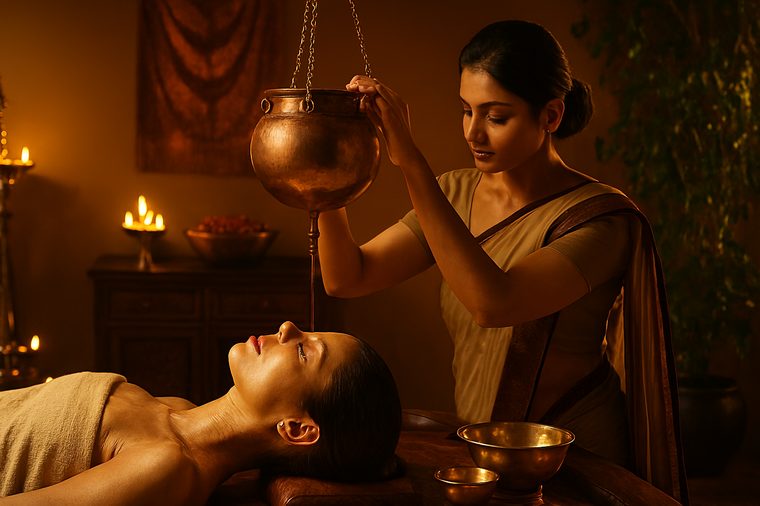 DetoxProgram FrameworkPanchakarma & DetoxClassical cleansing and reset programmes, the core of residential Ayurveda.Learn more
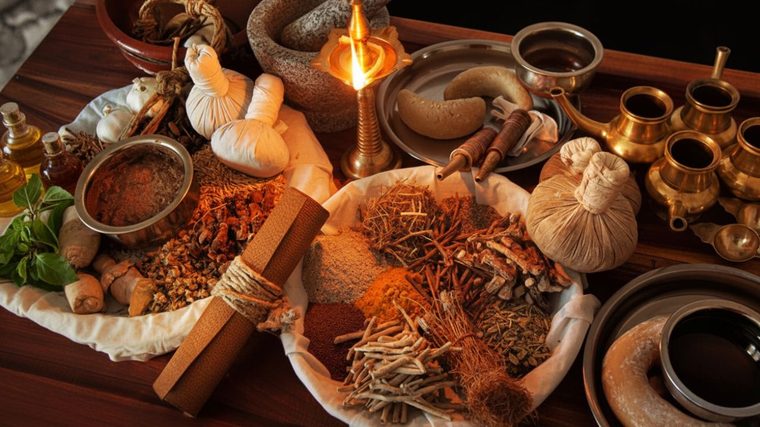 Condition-specificProgram FrameworkDisease-Specific ProgramsTargeted programmes built around a specific chronic condition.Learn more
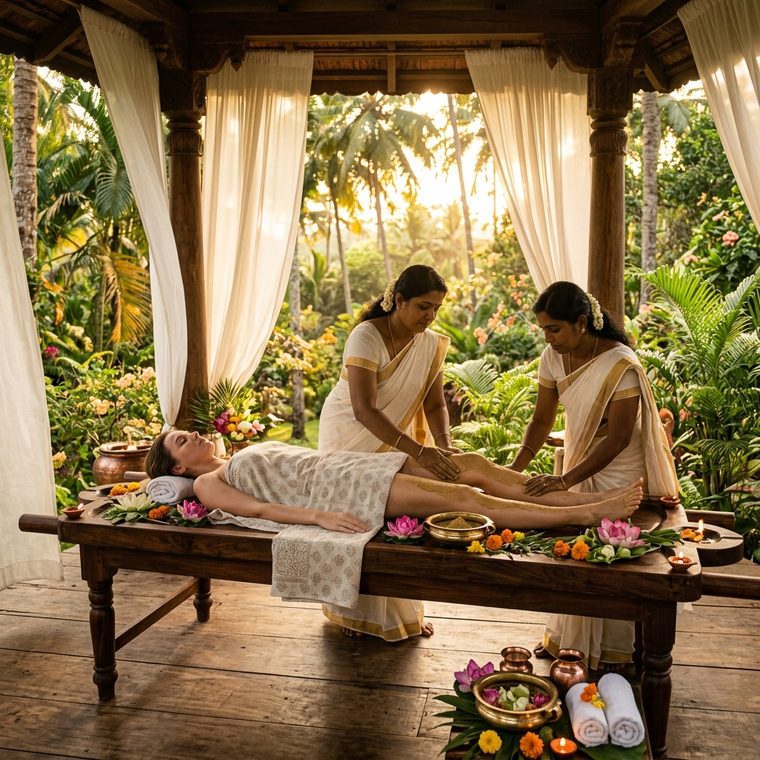 RejuvenationProgram FrameworkBeauty & RejuvenationRejuvenation and natural beauty programmes to restore glow and energy.Learn more
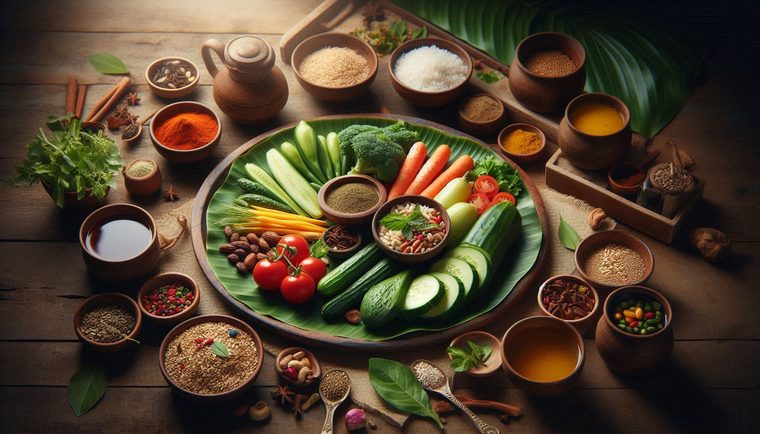 WellnessProgram FrameworkLifestyle & WellnessPreventive lifestyle, diet and stress programmes for everyday wellbeing.Learn more
 RetreatProgram FrameworkIntegrated RetreatAll-inclusive residential retreats blending therapy, yoga and rest.Learn more
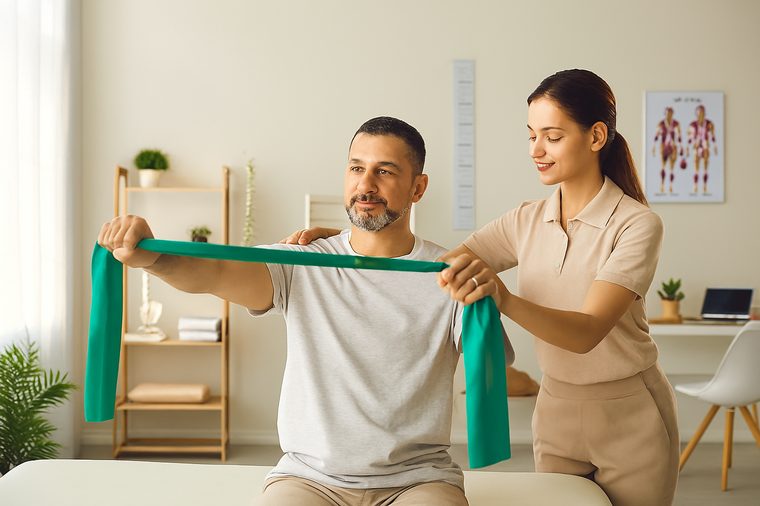 RecoveryProgram FrameworkRecovery & RehabilitationSupportive recovery and rehabilitation after illness or surgery.Learn more
Key Facts at a Glance
- Country
- Spain
- Treatment Destination
- India
- Main Ayurveda Destination
- Kerala
- Other Destinations
- Goa, Karnataka, Tamil Nadu, Delhi, Mumbai
- Popular Programmes
- Panchakarma, Rejuvenation, Wellness, Stress Relaxation
- Typical Short Stay
- 5–7 days
- Typical Wellness Stay
- 7–14 days
- Panchakarma Stay
- 14–21 days
- Extended Programmes
- 21–28+ days
- Visa
- Indian visa/e-Visa required according to purpose and eligibility
- e-Ayush
- Available under the Indian e-Visa framework for eligible applicants
- Insurance
- Travel insurance with healthcare coverage recommended
- Important Documents
- Passport, visa, medical reports, prescriptions, insurance
- Health Preparation
- Consult healthcare professional and follow current travel-health advice
- MyVaidyam Support
- Programme selection, centre coordination, travel planning, international patient assistance
- Visa eligibility,
- documentation, and fees can change, so Spanish patients should verify the latest
How Long Should a Spanish Patient Stay in India?
The ideal duration depends on the purpose of the visit and the selected programme.
5–7 Days
Suitable for:
- Relaxation
- Yoga and meditation
- Short wellness programmes
- Basic rejuvenation programmes
- Introductory Ayurveda experiences
7–14 Days
Suitable for:
- Rejuvenation
- General wellness
- Stress management
- Lifestyle programmes
- Selected therapeutic programmes
14–21 Days
Suitable for:
- Panchakarma
- More structured therapeutic programmes
- Deeper lifestyle and wellness programmes
21–28+ Days
May be considered for:
- Extended Panchakarma
- Long-term wellness programmes
- Comprehensive rejuvenation programmes
- Patients seeking a longer residential experience
The final duration should be decided according to practitioner recommendations and the patient's travel schedule.
Best Places in India for Spanish Patients to Experience Ayurveda
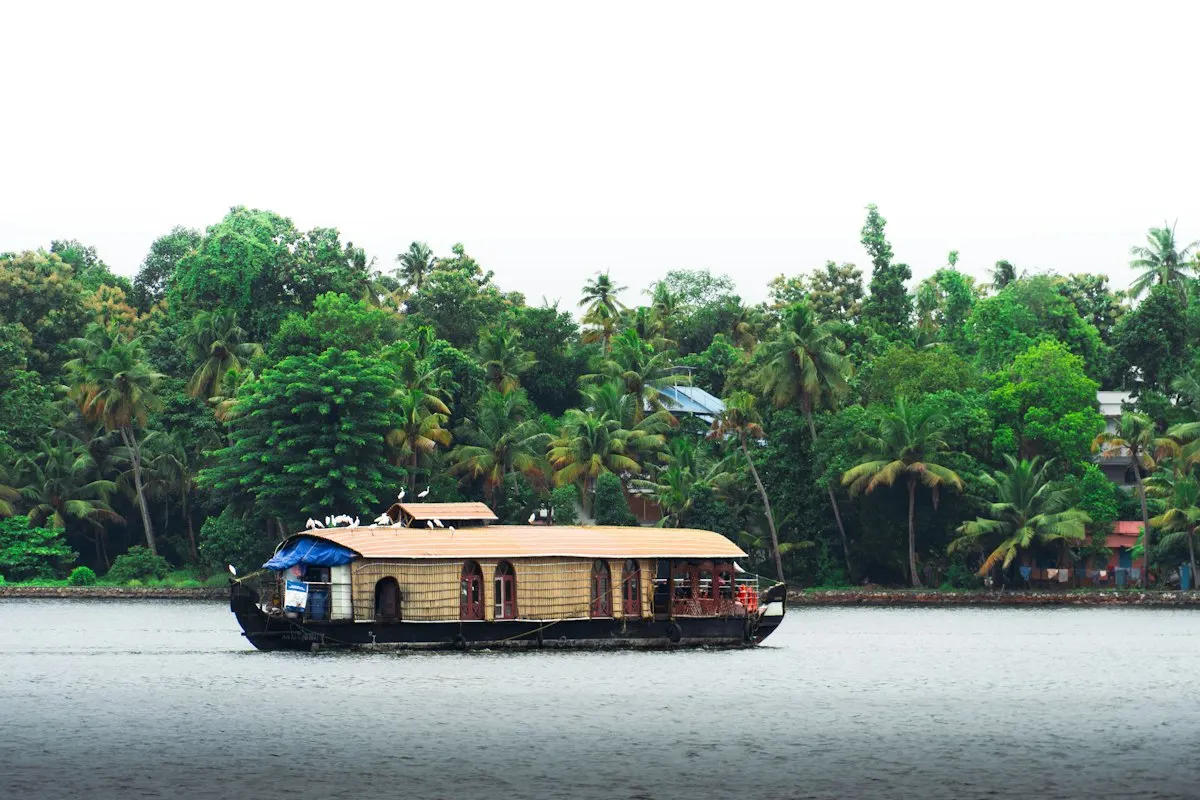
Kerala
Kerala is one of India's most recognised Ayurveda destinations. Kerala has three international airports — Thiruvananthapuram, Kochi and Kozhikode — so most centres are within a few hours of arrival. The monsoon months, and Karkidakam in particular (mid-July to mid-August), are traditionally regarded in Kerala as a favourable time for rejuvenation programmes, and many centres run a dedicated monsoon schedule. Patients can find:
- Wellness resorts
- Ayurvedic cuisine
- Yoga and meditation
- Panchakarma programmes
- Traditional Ayurveda centres
- Residential treatment facilities
- Coastal and nature-based environments
Popular areas include:
- Kochi
- Kovalam
- Calicut
- Wayanad
- Alleppey
- Thrissur
- Kumarakom
- Thiruvananthapuram
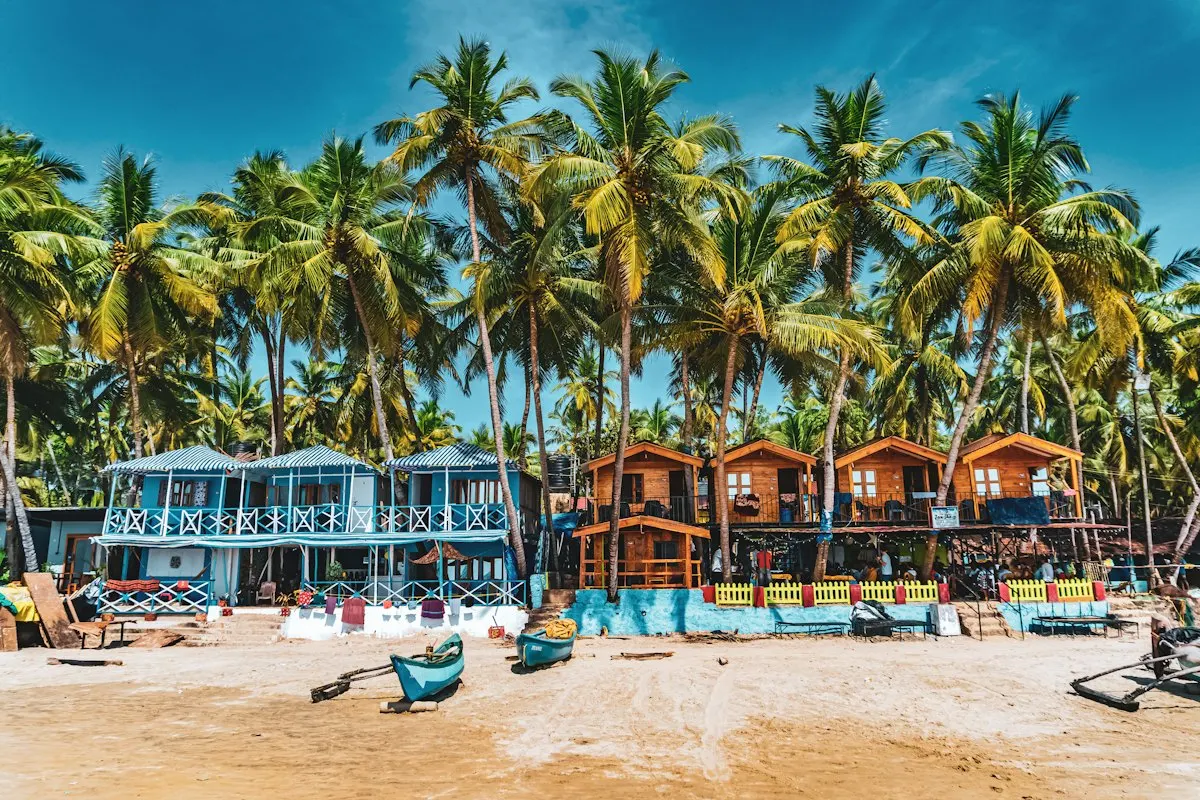
Goa
Goa can be suitable for patients who want to combine Ayurveda and wellness with a relaxed coastal environment. Goa is served by two airports, Dabolim and Manohar International at Mopa, with direct and connecting flights from several countries. Centres are spread between the quieter beaches of South Goa and the busier north, and programmes here are often shorter than a full residential stay. Patients may find:
- Yoga programmes
- Wellness resorts
- Ayurveda retreats
- Relaxation therapies
- Rejuvenation programmes
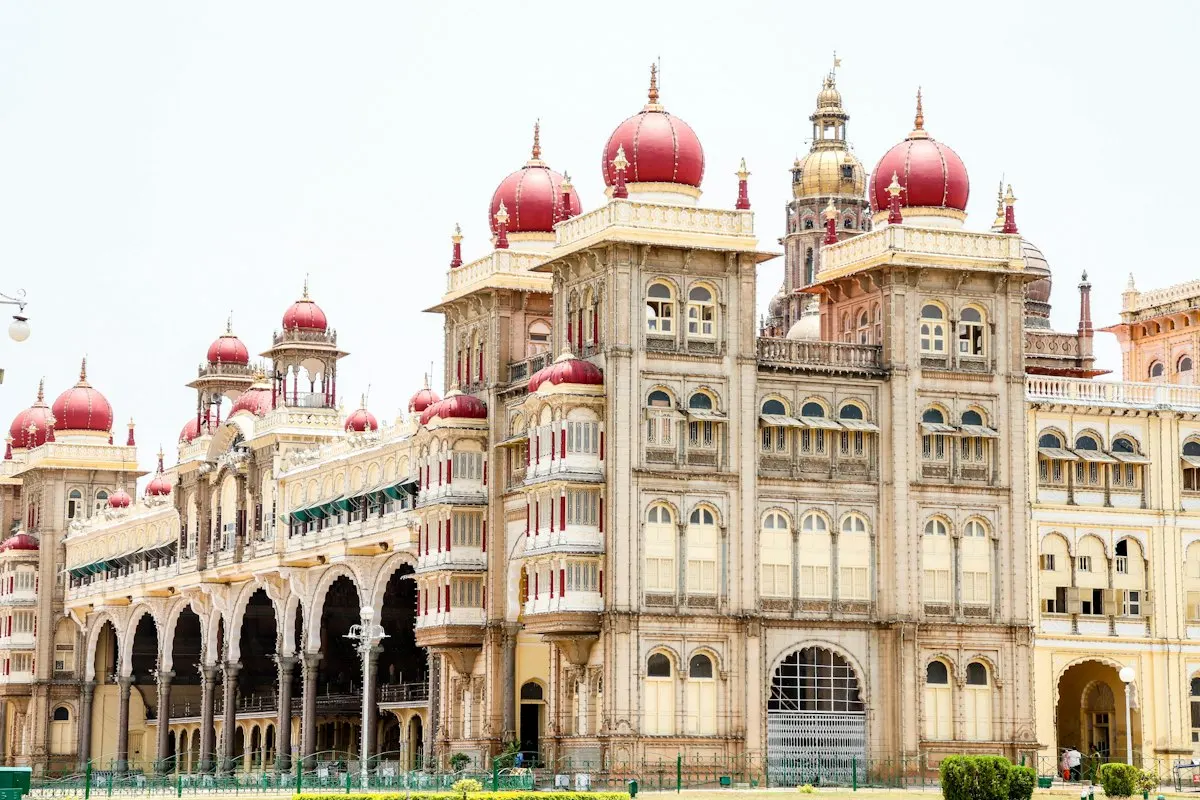
Karnataka
Karnataka offers Ayurveda centres in locations such as Bengaluru and coastal Karnataka. Bengaluru's Kempegowda International Airport is one of India's busiest, which makes Karnataka straightforward to reach and to combine with onward travel. Options range from city clinics in Bengaluru to residential retreats around Mysuru and the Western Ghats. Patients may find:
- Wellness centres
- Ayurveda hospitals
- Yoga and meditation
- Panchakarma programmes
- Residential treatment options
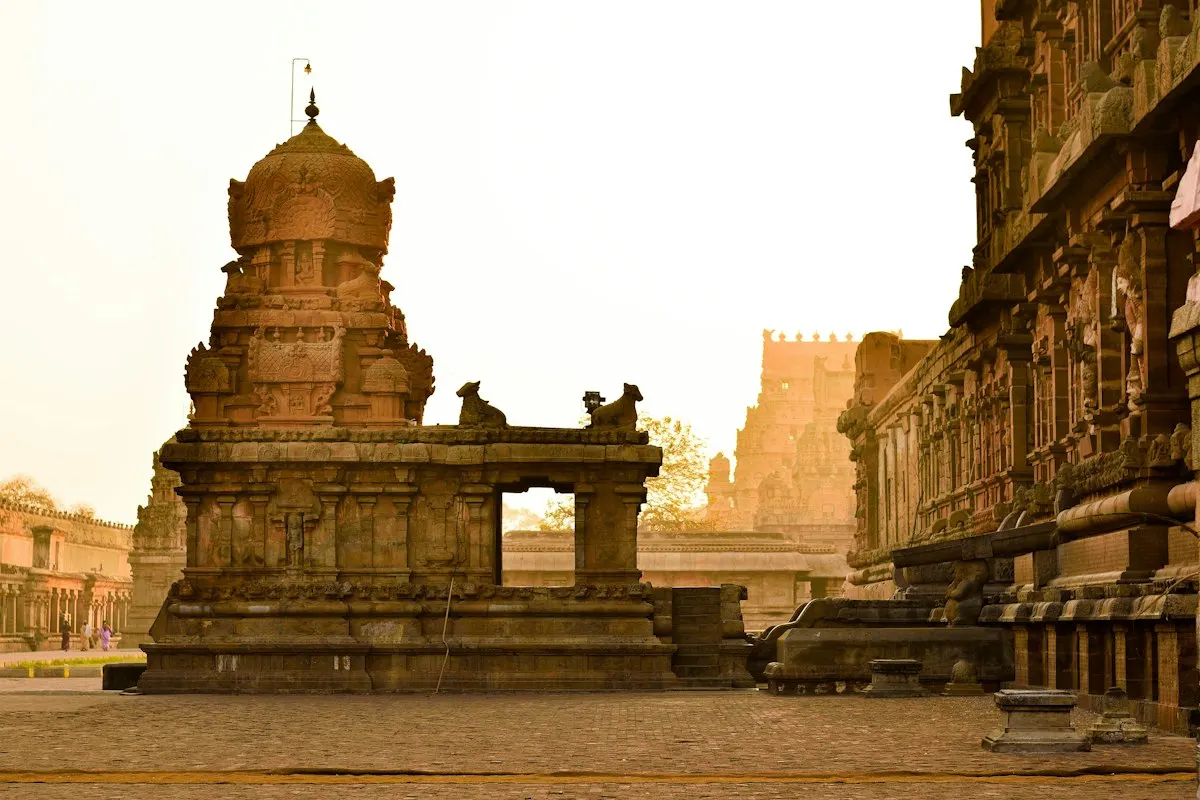
Tamil Nadu
Tamil Nadu has traditional Ayurveda and Siddha healthcare traditions and offers wellness and therapeutic facilities in different locations. Chennai and Coimbatore both have international airports, and Coimbatore in particular has long-established Ayurveda hospitals and residential retreats. Tamil Nadu also has its own traditional system, Siddha, which some centres offer alongside Ayurveda.
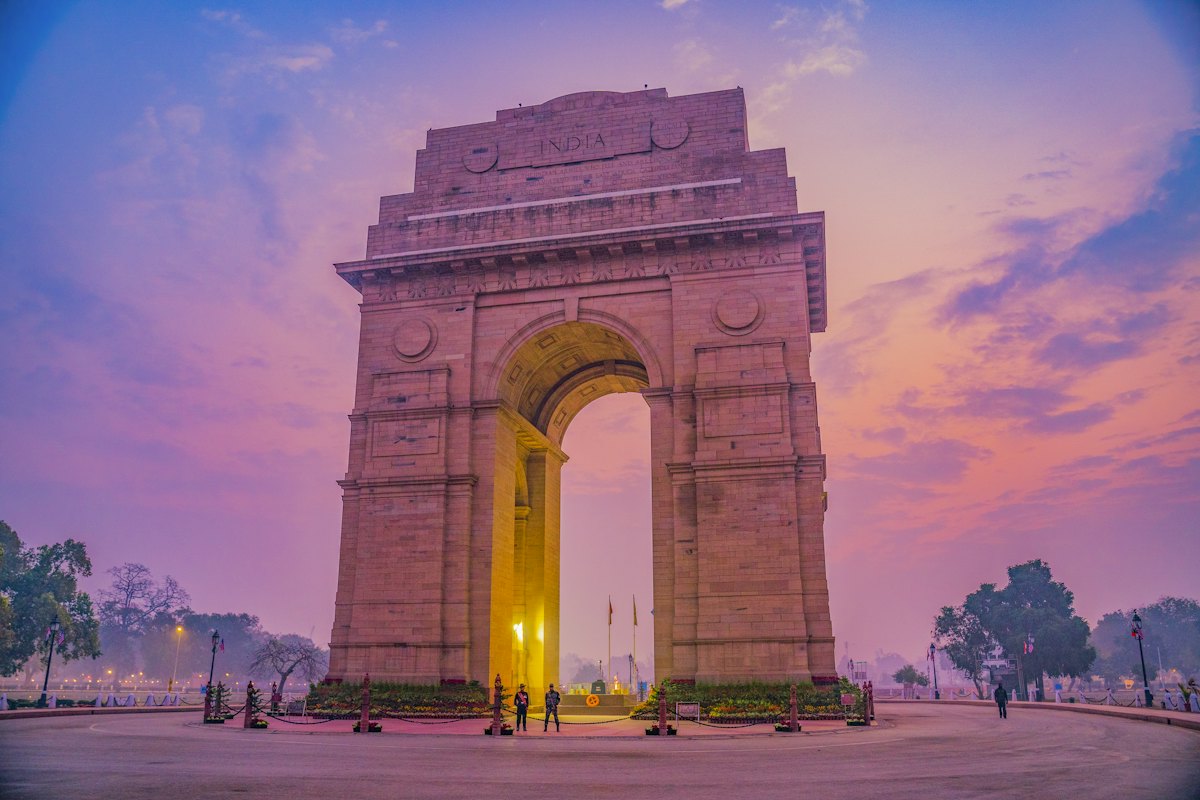
Delhi
Delhi can be convenient for patients who prefer access to India's capital and major international transportation connections. Indira Gandhi International Airport is India's largest hub, with direct flights from most regions, so Delhi suits patients who want to begin or end their journey in a major city. The wider NCR area has both urban Ayurveda clinics and countryside retreats within a few hours' drive.
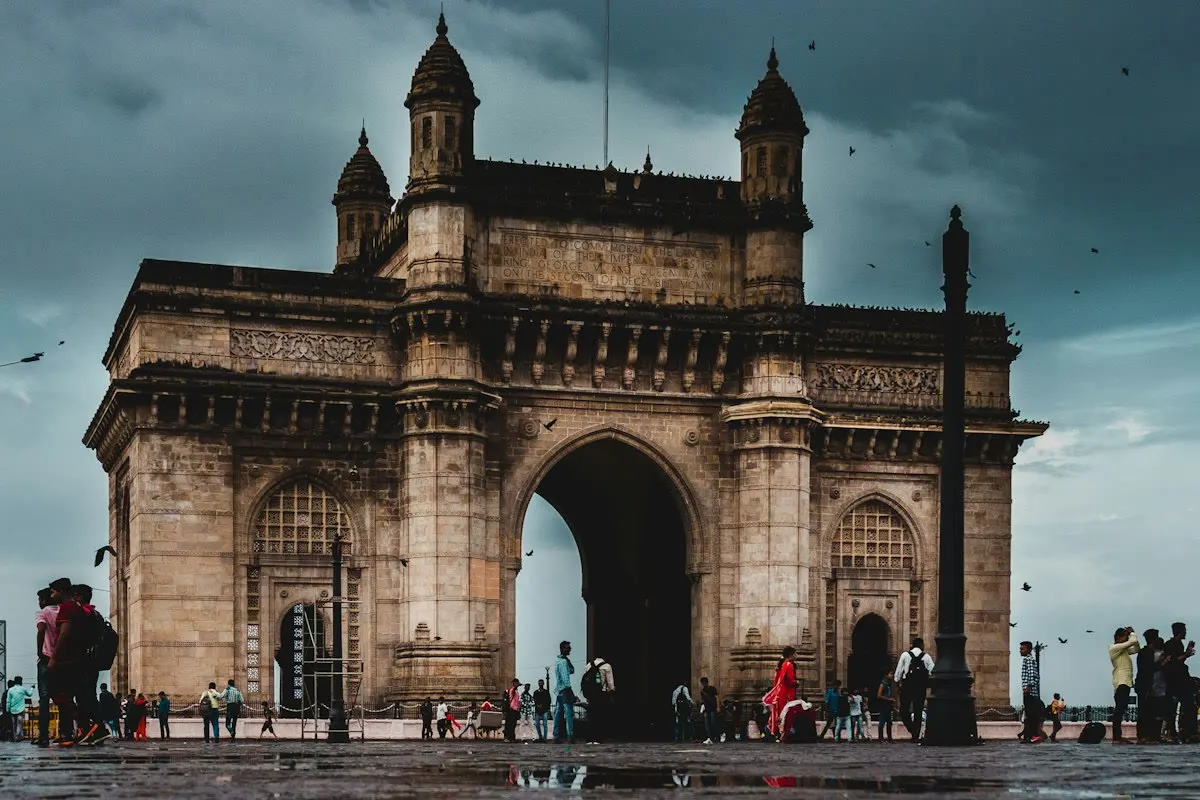
Mumbai
Mumbai is another major international gateway with access to hospitals, wellness facilities, and onward domestic travel connections. Chhatrapati Shivaji Maharaj International Airport connects Mumbai to most major cities worldwide, and the city has a wide range of private hospitals should conventional care be needed. Several residential Ayurveda centres sit two to three hours away, around Panvel, Lonavala and the hills near Pune.
How Should Spanish Patients Choose an Ayurveda Centre?
Before booking an Ayurveda programme in India, Spanish patients should consider:
- 1Practitioner QualificationsCheck the qualifications and experience of the Ayurvedic practitioners.
- 2Treatment PlanAsk what therapies and consultations are included in the programme.
- 3Total CostUnderstand the complete price, including:
- Meals
- Medicines
- Treatments
- Consultation
- Accommodation
- Airport transfers
- Additional therapies
- Taxes, where applicable
- 4AccommodationCheck the room type, facilities, hygiene standards, accessibility, and location.
- 5Safety ArrangementsAsk how the centre manages medical concerns and emergencies.
- 6MedicinesUnderstand whether medicines are included and how they will be provided during and after the programme.
- 7International Patient SupportAsk whether the centre assists international patients with:
- Accommodation
- Communication
- Airport pickup
- Transportation
- Follow-up support
- Dietary requirements
- Visa-related documentation
Ayurveda Hospitals & Wellness Centres in India for Spanish Patients
A selection of the destinations we work with — use the arrows to explore. Each links to its full profile.
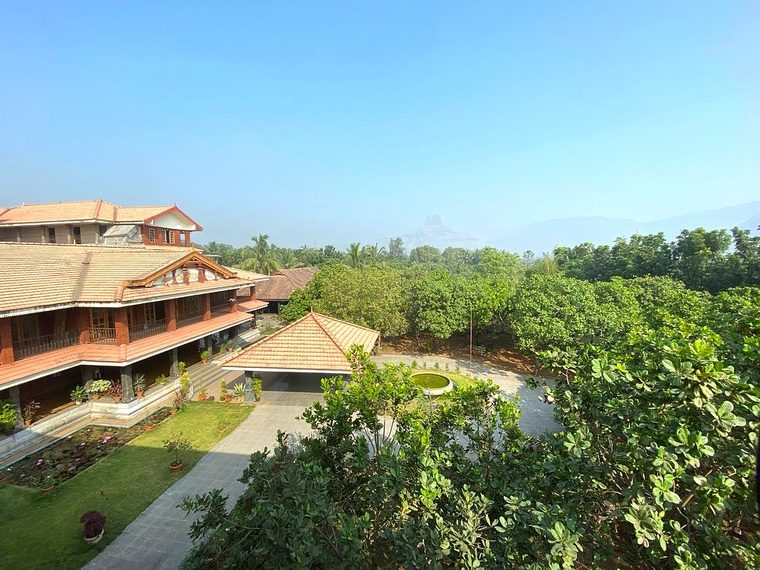 KeralaAyurvedic Village ResortAgni Ayurvedic VillageA dedicated Ayurvedic village resort in Kerala for immersive, residential Panchakarma.Learn more
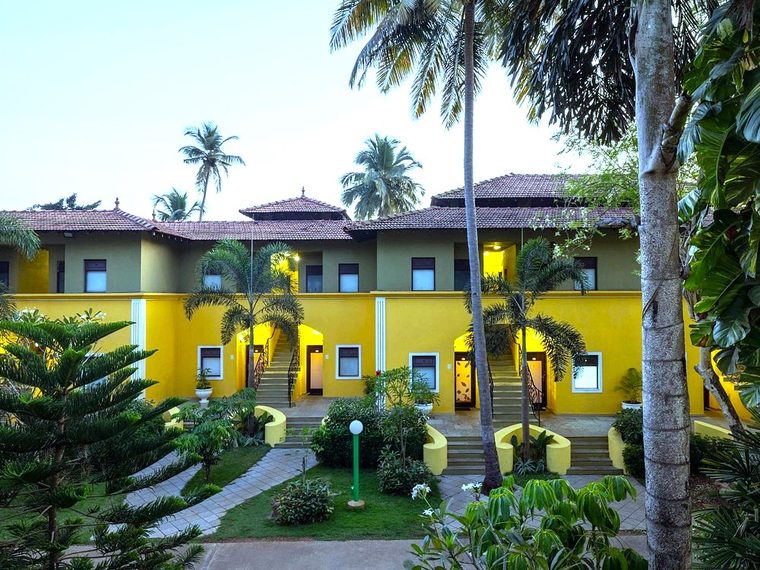 GoaAyurveda Wellness ResortMercure Goa DevaayaAn Ayurveda wellness resort in Goa combining classical therapies with a relaxed coastal setting.Learn more
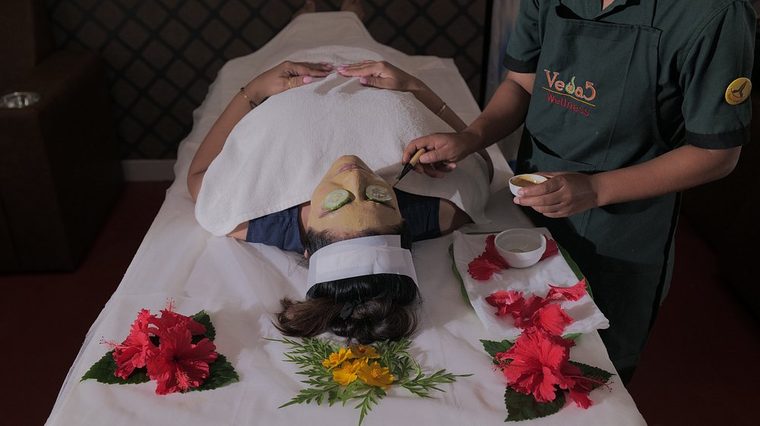 RishikeshLuxury Ayurveda & YogaVeda5 RetreatA luxury Ayurveda & yoga retreat in Rishikesh, blending classical therapy with the Himalayas.Learn more
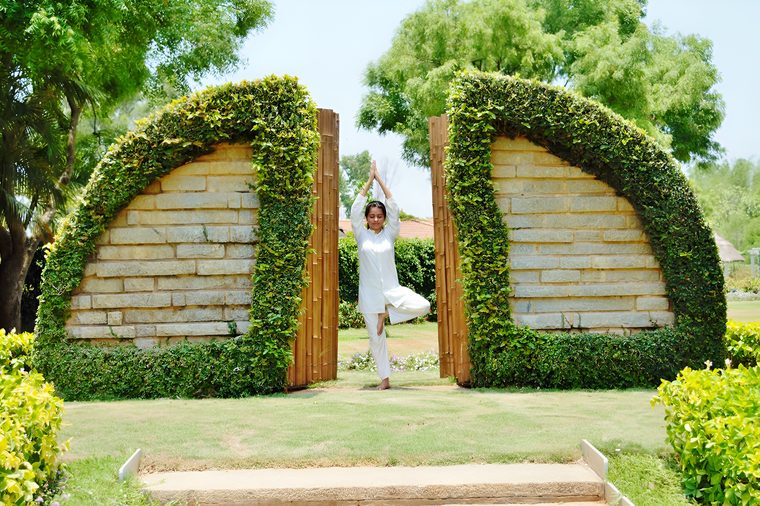 BengaluruIntegrative Holistic HealthSoukya InternationalA globally recognised centre for classical Ayurveda and integrative holistic care in Bengaluru.Learn more
 Delhi NCRCountryside Wellness RetreatNamaste DwaarA countryside wellness retreat near Delhi offering restful, doctor-led Ayurveda programmes.Learn more
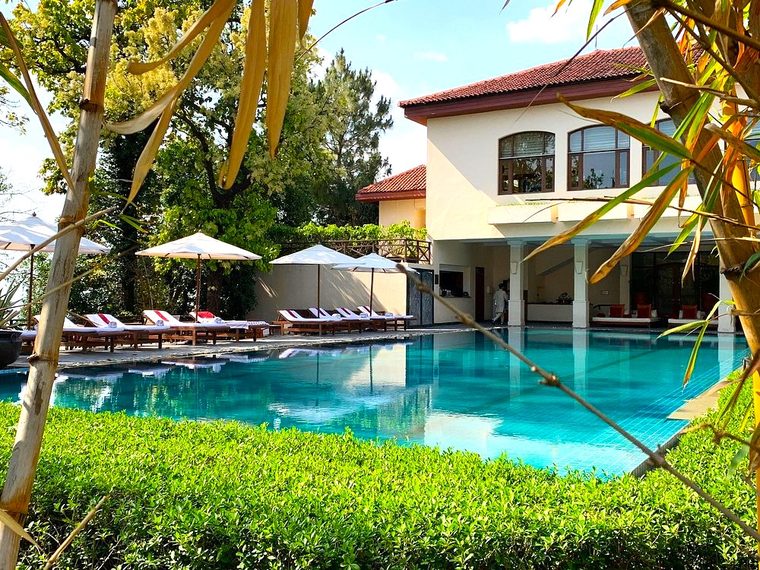 UttarakhandLuxury Himalayan RetreatAnanda in the HimalayasAn award-winning luxury wellness retreat in the Himalayas with dedicated Ayurveda programmes.Learn more
Ayurveda Visa for Spanish Patients
Spanish citizens need a visa to enter India. Spain's Ministry of Foreign Affairs currently advises Spanish travellers to check the applicable Indian visa requirements before travelling. Spain is included in the Government of India's e-Visa eligibility system. The official Indian e-Visa portal provides several categories, including e-Medical Visa, and specifically lists e-Medical Visa for e-Ayush purposes. For an e-Ayush medical visa, the official Indian portal lists:
- Scanned passport bio page
- Letter from the hospital in India on its letterhead
- Proposed or tentative admission/treatment date among the relevant supporting documents.
Spanish patients should:
- Prepare the required supporting documents
- Check permitted duration and entry conditions
- Use the official Indian government visa portal
- Check current visa eligibility before booking flights
- Ensure their passport meets current validity requirements
- Carry their approved visa/e-Visa documentation while travelling
- Confirm the visa category appropriate for their purpose of travel
Visa rules, fees, and documentation can change. Patients should verify the latest requirements through the official Indian government portal before applying.
MyVaidyam can help patients understand the general documentation and coordination process, but visa approval is determined by the relevant Indian authorities.
What Documents Should Spanish Patients Carry?
Patients should consider carrying:
- Flight tickets
- Valid Spanish passport
- Previous medical reports
- Accommodation confirmation
- Travel insurance documents
- Ayurveda centre confirmation
- List of medicines being taken
- Emergency contact information
- Copies of important documents
- Indian visa/e-Visa documentation
- Current prescription information
- Treatment or admission letter, where applicable
- Doctor's reports relevant to the planned programme
It is useful to keep digital copies of important documents as well. Spain's Ministry of Foreign Affairs recommends checking travel documentation before departure and carrying any medication required for the journey, together with relevant medical documentation where applicable.
What Should Spanish Patients Pack for an Ayurveda Trip?
Clothing
India can be considerably warmer than Spain in some regions and seasons, while some destinations and winter periods can be cooler. Pack comfortable clothing appropriate for the destination and season. Recommended items include:
- Sandals
- Easy-to-wash clothes
- Comfortable nightwear
- Comfortable walking shoes
- Loose, comfortable clothing
- Light outerwear for cooler evenings or air-conditioned environments
Personal Items
Carry:
- Sunscreen
- Sunglasses
- Medical documents
- Personal toiletries
- Reusable water bottle
- Prescription medicines
- Basic first-aid supplies
Ayurveda-Specific Items
Depending on the centre, patients may want:
- Yoga clothing
- A shawl or light covering
- Personal hygiene products
- Comfortable treatment clothing
- Any preferred dietary items, after confirming with the centre
Patients should follow the centre's specific packing instructions.
Food and Diet During Ayurveda Treatment
Food is an important part of many Ayurvedic programmes. Depending on the treatment plan, meals may include:
- Rice
- Soups
- Fruits
- Vegetables
- Herbal preparations
- Freshly prepared foods
- Light traditional meals
During a structured programme, the centre may recommend avoiding or limiting:
- Alcohol
- Heavy meals
- Very spicy foods
- Heavy fried foods
- Excessively processed foods
- Certain foods based on the practitioner's assessment
Spanish patients should inform the centre in advance about:
- Food allergies
- Food intolerances
- Other dietary restrictions
- Diabetes-related dietary needs
- Religious dietary requirements
- Vegetarian or non-vegetarian preferences
Patients should discuss any important dietary preferences before booking to confirm what the selected centre can accommodate.
Travel Insurance for Spanish Patients
Spain's Ministry of Foreign Affairs recommends taking out travel insurance when travelling abroad, including coverage for healthcare and other possible incidents. It also notes that healthcare and repatriation expenses abroad can fall on the traveller and that Spanish Social Security coverage does not generally operate abroad except under applicable arrangements. For an Ayurveda trip, Spanish patients should check whether their insurance covers:
- Repatriation
- Lost baggage
- Travel delays
- Hospitalisation
- Trip cancellation
- Trip interruption
- Medical evacuation
- Medical emergencies
- Emergency transportation
Patients should also check whether their policy has exclusions relating to:
- Pre-existing conditions
- Planned treatment abroad
- Wellness or alternative medicine
- Activities undertaken during the trip
Do not assume that an ordinary travel insurance policy automatically covers planned Ayurveda treatment. Confirm the terms directly with the insurer before travelling. Patients travelling specifically for treatment should ask their insurer whether planned treatment, possible complications, hospitalisation, and medical evacuation are covered.
Health and Travel Considerations for Spanish Patients
Before travelling to India, Spanish patients should consider their individual health requirements and the conditions at their destination.
Climate
India's climate varies significantly between regions. Kerala, Goa, Karnataka, northern India, and other destinations can have substantially different temperatures and humidity levels. Patients should select clothing and accommodation appropriate for the destination and season.
Food and Water Hygiene
Good hand hygiene and careful food and water choices are important when travelling in India. Patients should follow current travel-health advice and the recommendations of their healthcare professional.
Mosquito Protection
Mosquito-borne illnesses occur in parts of India. Patients should consider appropriate precautions such as:
- Suitable clothing
- Mosquito repellent
- Following current travel-health advice
- Accommodation with appropriate insect protection
Air Quality
Air quality varies between Indian cities and regions and can change seasonally. Patients who are sensitive to air pollution should consider the destination and time of year when planning their journey.
Vaccinations and Travel Health
Patients should consult a qualified healthcare professional before travelling and follow current travel-health advice applicable to their individual circumstances. Spain's Ministry of Foreign Affairs recommends consulting the specific travel recommendations for India before departure and keeping informed about health and safety conditions.
How MyVaidyam Helps Spanish Patients
MyVaidyam can support Spanish patients through the planning process.
Step 1: Understand Your Requirements
We help understand:
- Desired duration
- Travel preferences
- Dietary requirements
- Preferred treatment type
- Accommodation requirements
- Your reason for considering Ayurveda
Step 2: Explore Ayurveda Options
We help you explore suitable Ayurveda centres and programme options in India.
Step 3: Understand the Programme
Patients can understand:
- Duration
- Therapies
- Accommodation
- Food arrangements
- Treatment schedule
- Consultation process
Step 4: Compare Costs
Patients can understand the estimated total programme cost and what is included.
Step 5: Plan Your Travel
We can help coordinate practical aspects such as:
- Transfers
- Accommodation
- Treatment dates
- Airport arrival
- Local transportation
Step 6: Airport Transfer
Depending on the selected centre, airport pickup and transportation can be arranged.
Step 7: International Patient Support
Patients can receive assistance with communication and coordination during their Ayurveda journey.
Step 8: Post-Treatment Guidance
Patients can receive general guidance regarding follow-up, medicines, lifestyle, and continued wellness, according to the recommendations of their Ayurvedic practitioner.
What Should Spanish Patients Ask Before Booking?
Before confirming an Ayurveda programme, ask:
- 1.Are meals included?
- 2.What should I bring?
- 3.Are medicines included?
- 4.How long is the programme?
- 5.Is accommodation included?
- 6.What treatments are included?
- 7.Are there additional charges?
- 8.Is the programme personalised?
- 9.Are airport transfers included?
- 10.What happens after the programme?
- 11.How many consultations are included?
- 12.What visa documentation is required?
- 13.What is the complete estimated cost?
- 14.What should I avoid during treatment?
- 15.Who will be the Ayurvedic practitioner?
- 16.What happens if I need medical attention?
- 17.What are the practitioner's qualifications?
- 18.What documents are required before arrival?
- 19.Who can I contact if I need help during my stay?
- 20.Can the programme accommodate my dietary requirements?
Ayurveda for Spanish Patients: What to Consider Before Travel
Before travelling to India for Ayurveda, Spanish patients should consider:
Health History
Provide the practitioner with accurate information about previous illnesses, surgeries, allergies, and current health conditions.
Current Medicines
Inform the Ayurveda centre about all medicines and supplements you currently take. Do not stop or change prescribed medication without discussing it with the appropriate healthcare professional.
Medical Reports
Carry relevant medical reports so the practitioner can understand your health history.
Treatment Expectations
Ayurveda programmes vary significantly between centres. Ask exactly what is included before booking.
Travel Schedule
Allow enough time for:
- Rest
- Treatment
- Follow-up
- Return travel
- Initial consultation
- Arrival and settling in
Insurance
Confirm what your insurance covers before travelling, particularly if the purpose of the trip includes planned treatment. Spain's Ministry of Foreign Affairs specifically recommends travel insurance with healthcare coverage and advises travellers to check their policy before departure.
Weather
India's climate varies significantly by region and season. Choose clothing and destination accordingly.
Food
Discuss dietary requirements with the centre before arrival.
Emergency Planning
Keep emergency contacts, insurance details, passport information, and relevant medical information easily accessible.
What International Patients Say
9 stories from our patient records
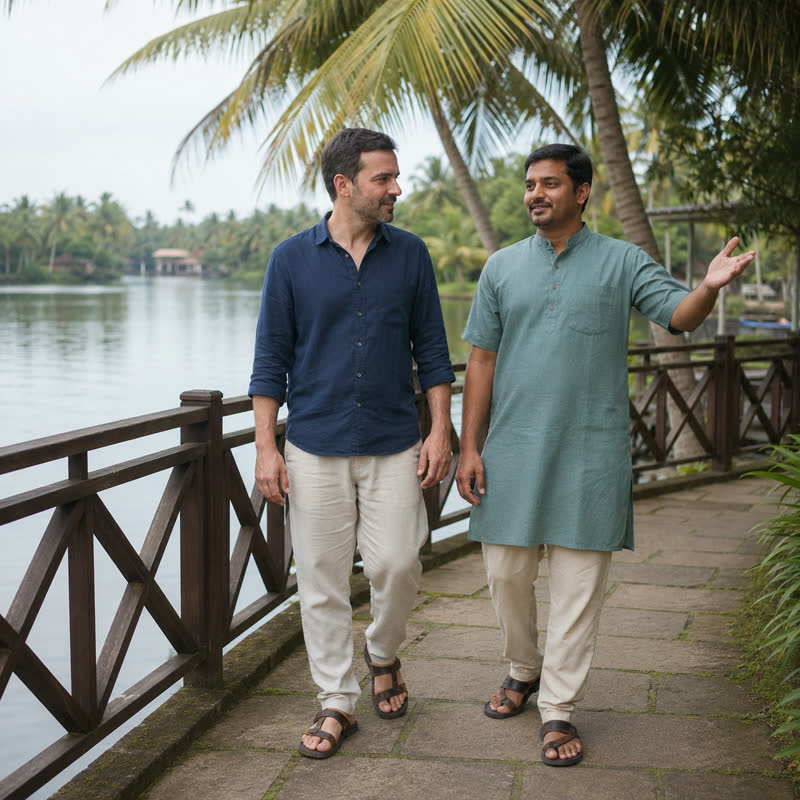 Javier Gonzalez, 38Back Pain Treatment in IndiaAfter missing his son's football match due to back pain, Javier Gonzalez, 38, from Spain chose MyVaidyam Team's Back Pain Treatment in India. The practical, honest care brought real, lasting relief. “I'm looking forward to standing through his next match without dreading it,” he shared.Read Full Story
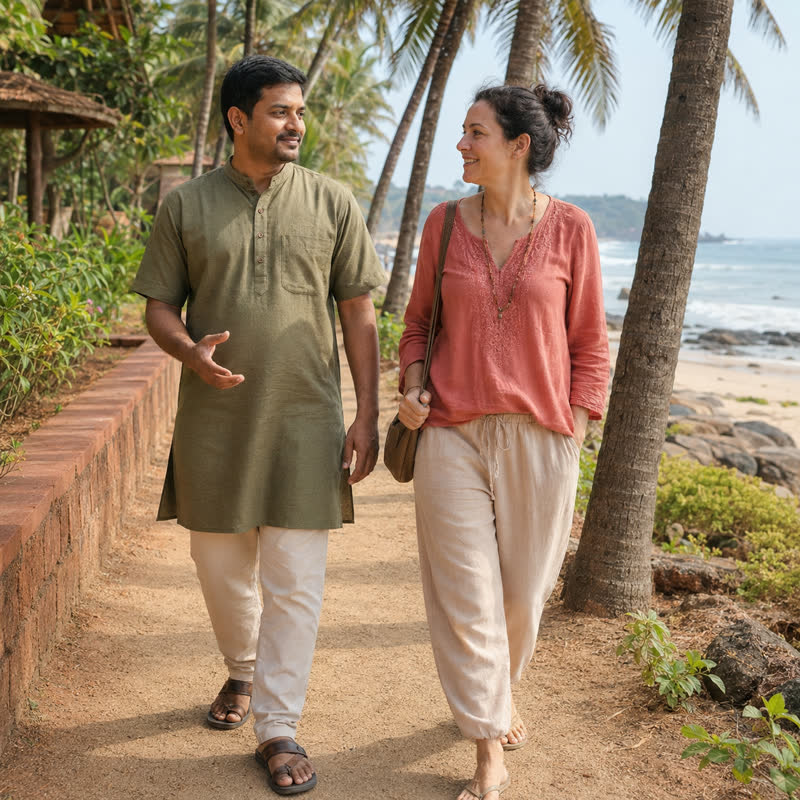 Maria Rodriguez, 40Lumbar Spondylosis Treatment in IndiaAfter five years of lower back pain that physiotherapy couldn't fully resolve, Maria Rodriguez, 40, from Spain chose MyVaidyam Team's Lumbar Spondylosis Treatment in India. The targeted, honest care brought lasting relief. “It's the longest stretch without significant pain I can remember,” she shared.Read Full Story
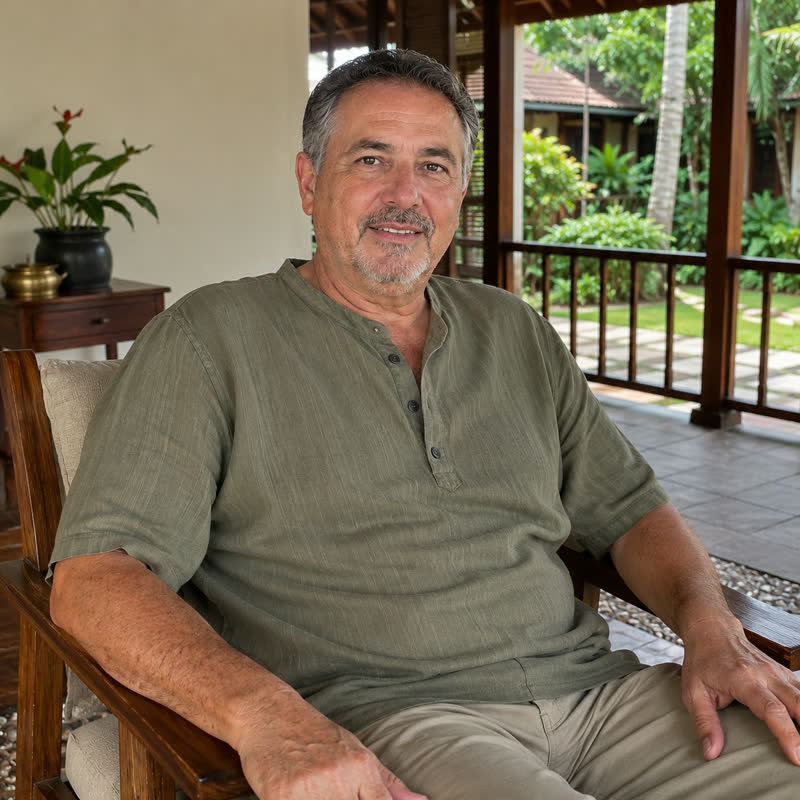 Antonio Garcia, 65Ayurveda Treatment for Osteoarthritis in IndiaHoping to reclaim the retirement his osteoarthritis was limiting, Mr. Antonio Garcia, 65, from Spain chose MyVaidyam Team for Ayurveda Treatment for Osteoarthritis in India. Meaningful mobility improvement and practical home guidance followed. “I am moving more freely than I have in years,” he shared.Read Full Story
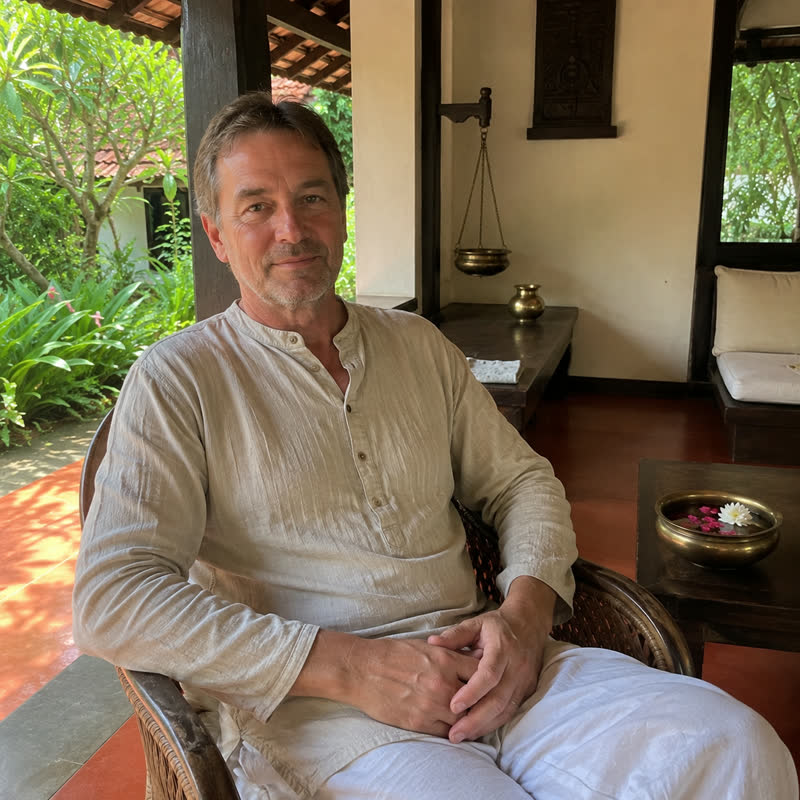 Hans Muller, 5521-Day Panchakarma Detox Program in IndiaArriving with professional scepticism and leaving with something he could not easily quantify, Mr. Hans Muller, 55, from Germany completed the 21-Day Panchakarma Detox Program in India with MyVaidyam Team. His sleep and energy shifted in ways years of conventional care had not achieved. “I would not have believed this outcome before I experienced it,” he shared.Read Full Story
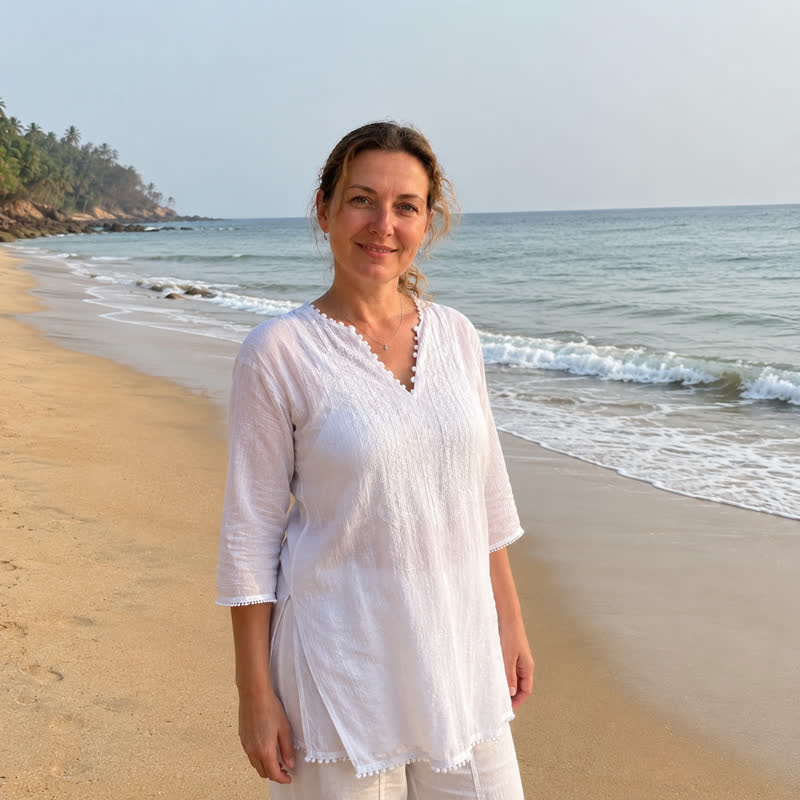 Ekaterina Ivanova, 38Ayurveda Treatment for Migraine in IndiaWhen one more cancelled weekend made the pattern impossible to ignore, Ekaterina Ivanova, 38, from Russia decided to try MyVaidyam Team's Ayurveda Treatment for Migraine in India. The honest, personalised care brought noticeably fewer, milder episodes. “My migraines are far less frequent now, and they pass faster,” she shared.Read Full Story
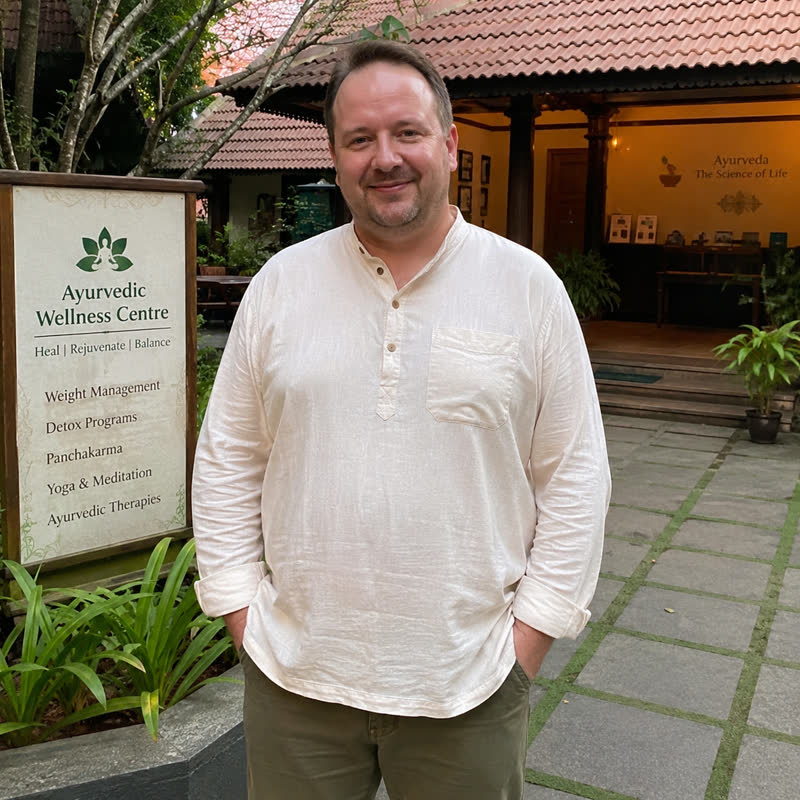 Daniel Meier, 39Ayurvedic Weight Loss Program in IndiaWhen his daughter asked why he was always too tired after dinner, Daniel Meier, 39, from Switzerland chose MyVaidyam Team's Ayurvedic Weight Loss Program in India. The honest, sustainable approach gave him real, lasting energy. “I have real energy in the evenings now,” he shared.Read Full Story
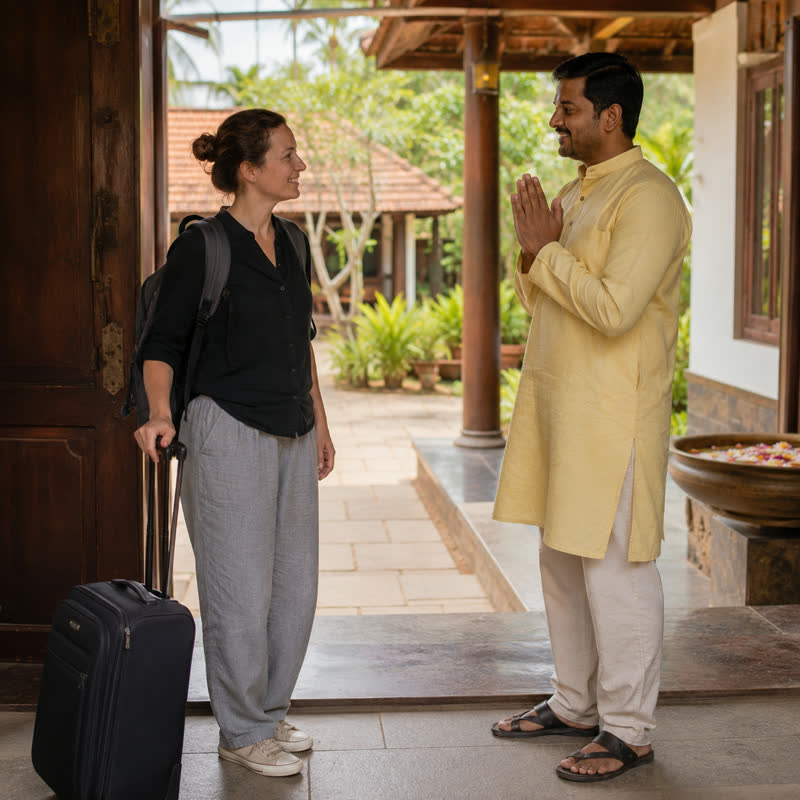 Camille Dubois, 37Disc Bulge Protrusion Treatment in IndiaAfter three years of recurring numbness from a disc bulge, Camille Dubois, 37, from France chose MyVaidyam Team's Disc Bulge Protrusion Treatment in India. The targeted, honest care brought real, lasting relief. “I'm moving with far less guardedness now,” she shared.Read Full Story
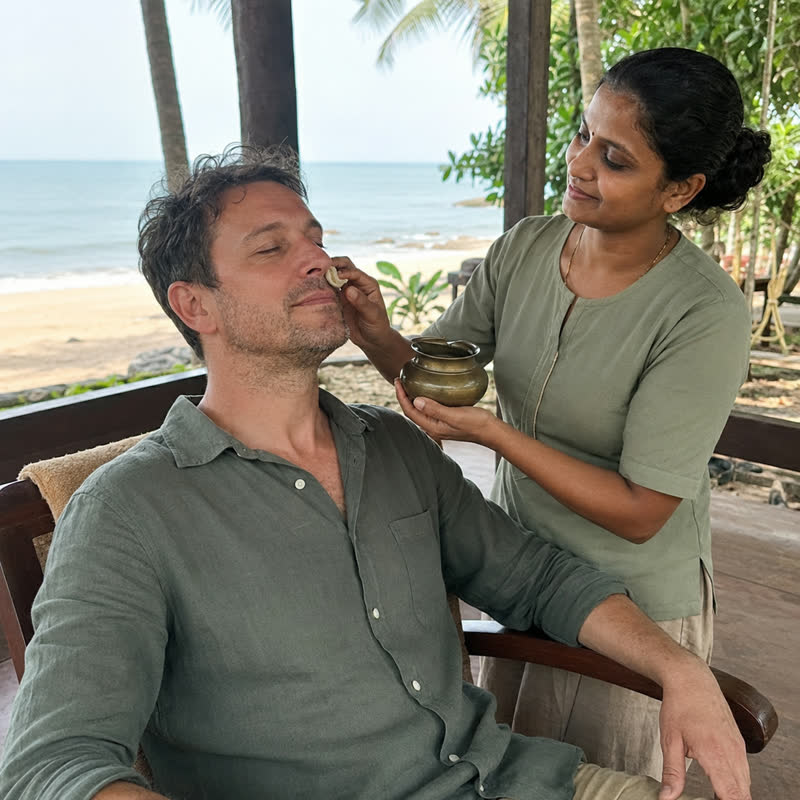 Felix Gruber, 39Sinusitis Treatment in IndiaAfter nearly five years of recurring sinusitis and repeated antibiotics, Felix Gruber, 39, from Austria finally chose MyVaidyam Team's Sinusitis Treatment in India. The honest, Nasya-based approach brought real, lasting relief and easier breathing. “My congestion has eased significantly,” he shared.Read Full Story
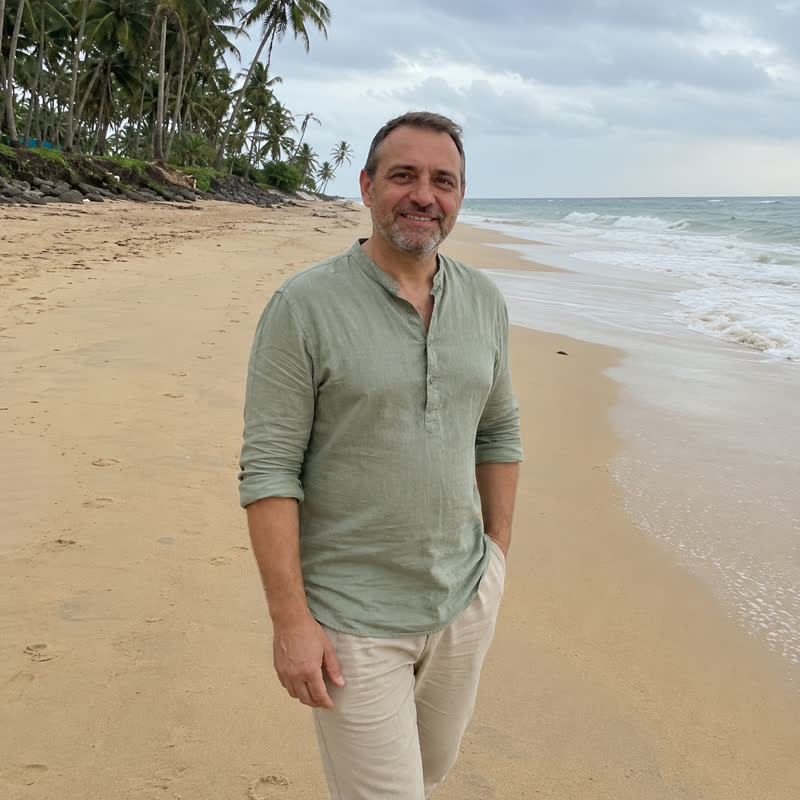 Ivan Ivanov, 44Immunity Boosting Detox Program in IndiaTired of falling ill every winter, Ivan Ivanov, 44, from Bulgaria turned to MyVaidyam Team's Immunity Boosting Detox Program in India. The tailored, honest approach left him noticeably stronger and more resilient. “I feel stronger heading into this winter than I have in years,” he shared.Read Full Story
Ayurveda Treatment in India — Planned From Your City
Every city reaches India differently. Pick yours for flights, the time difference, visa and the best season to travel.
Frequently Asked Questions About Ayurveda in India for Spanish Patients
1. What visa do I need from Spain?
Spanish passport holders can apply online for India's e-Ayush Visa, the category created for treatment under Indian systems of medicine such as Ayurveda. A family member travelling with you can apply for the e-Ayush Attendant Visa. We help with the centre's treatment letter.
2. Is Ayurveda treatment in India safe for Spanish patients?
Yes, when you choose a qualified, doctor-led centre. MyVaidyam recommends only centres with registered Ayurvedic physicians and reliable medicine-quality practices, and we review your reports before recommending anything.
3. How much does Ayurveda treatment in India cost for Spanish patients?
A residential programme in India - with accommodation, meals, doctor consultations and daily therapies - usually costs less than a much shorter private wellness stay closer to home. You receive a full written quote before booking.
4. Will my Spanish health insurance cover Ayurveda treatment in India?
Most Spanish health plans do not cover Ayurvedic treatment abroad. Check with your insurer, and consider travel insurance for the trip.
5. When is the best time to travel from Spain to India for Ayurveda?
October-March (dry, settled weather across South India, and a mild escape from the European winter) or June-August (Kerala's classical monsoon therapy season).
6. Can Spanish citizens travel to India for Ayurveda treatment?
Yes. Spanish citizens can travel to India for eligible purposes subject to the applicable Indian visa and entry requirements. The Indian e-Visa framework includes medical treatment under Indian systems of medicine.
7. Do Spanish patients need a visa for Ayurveda treatment in India?
Yes. Spanish citizens need a visa to enter India. Current requirements should be checked through the official Indian government visa system before travelling.
8. Can Spanish passport holders apply for an Indian e-Visa?
Spain is included in India's e-Visa eligibility system, subject to the applicable category and requirements.
9. Is Ayurveda covered under the Indian e-Visa system?
The Government of India lists medical treatment under Indian systems of medicine among the e-Visa purposes and provides an e-Medical Visa category for e-Ayush purposes.
10. What documents may be required for an e-Ayush visa?
The official Indian e-Visa portal lists a scanned passport bio page and a letter from the Indian hospital concerned containing the proposed or tentative admission date for an e-Ayush medical visa.