This guide explains in plain language what changes between coastal and hill-destination Ayurveda retreats: why your own doctor is consulted first, how the climate affects comfort and therapies, how travel differs, what each setting feels like, who might prefer which, how seasons matter, what stays the same and how to decide. And throughout, it shows how MyVaidyam can walk beside you as your friend and guide.
Ayurveda is offered here as a complementary, supportive approach that works alongside your own doctor's care, never as a replacement for it. It does not promise any health outcome, and details should be confirmed when you plan.
Quick Facts - Coastal vs Hill-Destination Ayurveda Retreats
| Topic | Summary |
|---|---|
| Coast | Warm, humid air, sea views, a relaxed tempo |
| Hills | Cooler air, greenery, quiet, sometimes longer road travel |
| Same in both | Doctors, therapies, food, yoga and your plan |
| Seasons | Matter in both; plan with the centre |
| Altitude | Modest in most hill retreats; discuss if you have heart or lung conditions |
| Not | A promise of any outcome |
| Visa | e-Medical visa: 60 days from first arrival, triple entry, non-extendable |
| Your companion | MyVaidyam: planning, coordination and support before, during and after |
Setting, and what it changes
An Ayurvedic programme is made of the same ingredients wherever it takes place: a consultation, a plan, therapies, food, yoga and rest. What the setting changes is the background, the air you breathe, the temperature of the room, the sounds at night and the road you travelled to arrive. These matter more than they might seem.
Coast and hills, side by side
Coast
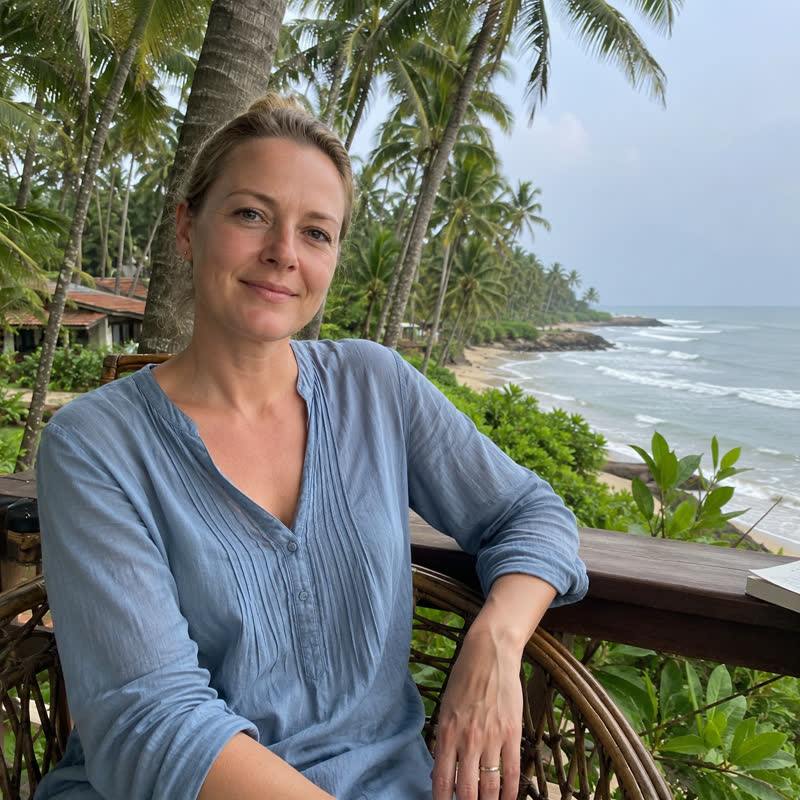
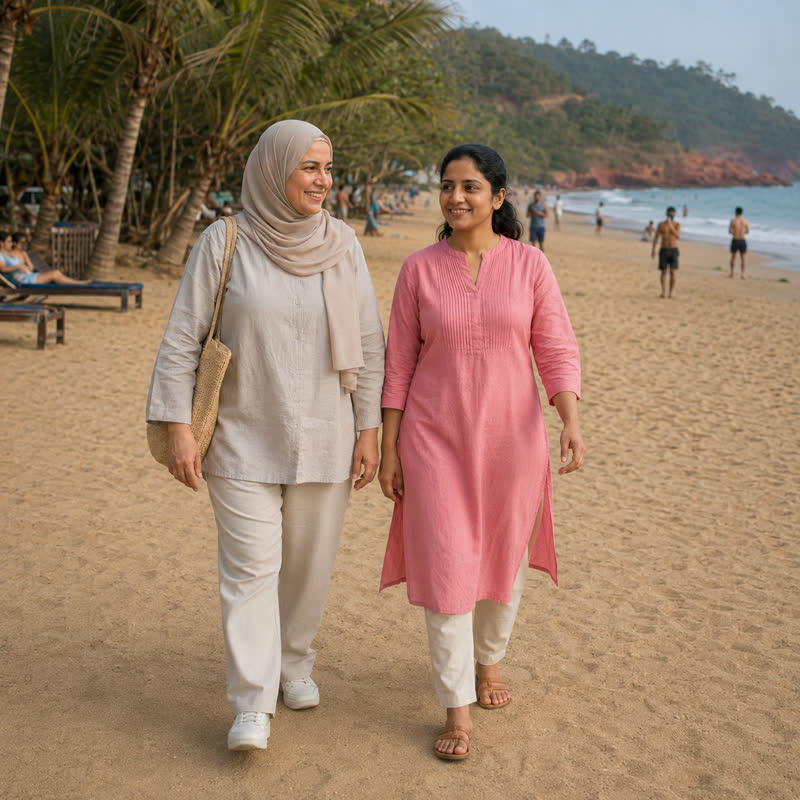
warm, humid, sea air, a gentle, tropical pace
Hills
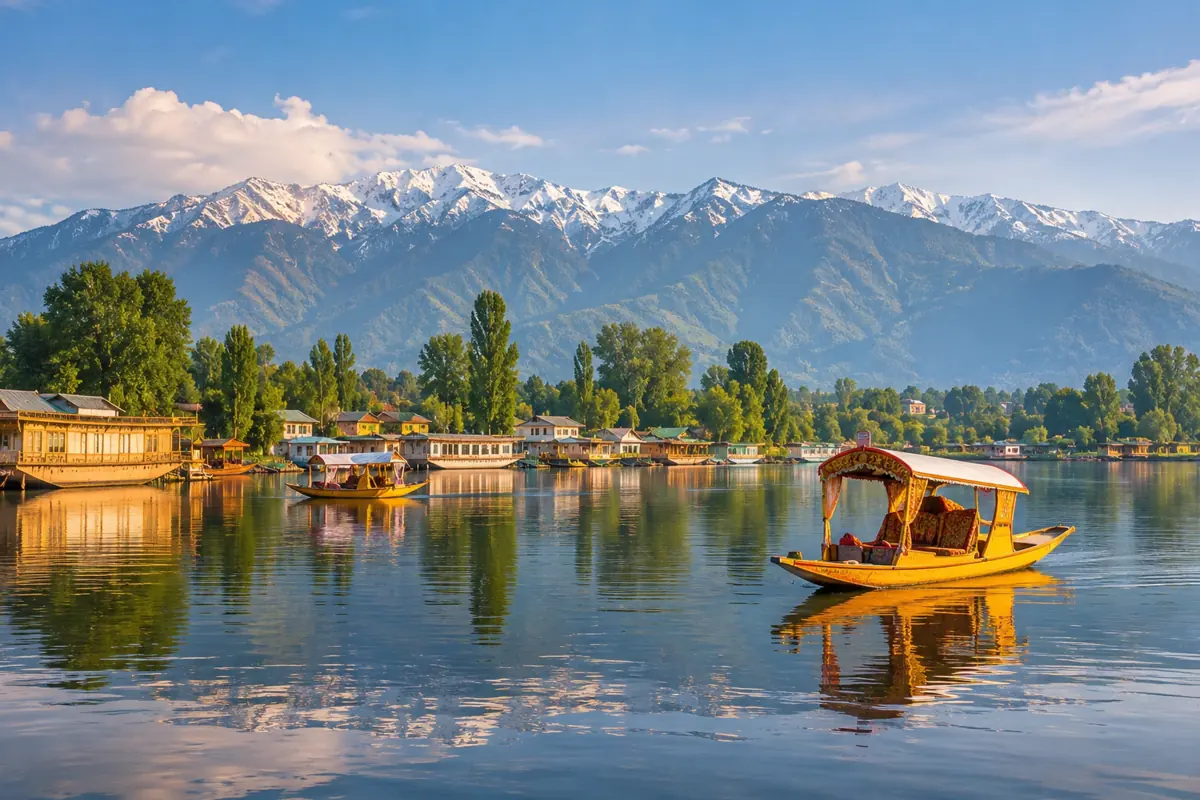
cooler, quiet, green, a cool-air, restful pace
Either
your programme, doctors and plan stay the same
The choice is personal, and both can be wonderful.
Start with your doctor
Please discuss your plans with your own doctor, particularly if you have heart, lung, blood pressure, joint or skin conditions, since humidity, cool air and altitude can affect comfort. Share your health summary with the centre and continue every prescribed medicine.
Climate and comfort
Coastal air is typically warm and humid, which some guests find soothing for stiff joints and skin and others find tiring. Hill air is cooler and drier, often welcome for sleeping and walking, though it may feel chilly in the evening. Oil therapies are comfortable in both, with the centre adjusting warmth and timing.
Travel and arrival
Coastal centres are often close to airports or main roads, while hill centres may involve longer and winding road journeys, which some guests find tiring after a long flight. Planning a night's rest on the way, and travelling light, makes either journey easier.
The feel of each day
By the sea, days may carry the sound of waves, a breeze and a soft, unhurried rhythm, often with walks along the shore. In the hills, mornings are quiet and fresh, with birdsong and forest paths. Both settings support rest, and guests often choose according to whichever landscape calms them most. Some guests even choose one for a first visit and the other for a return stay, enjoying the contrast and learning what suits them best.
Who might prefer which
- Those who enjoy warmth, sea air and gentle walks may lean towards the coast.
- Those who prefer cool, quiet surroundings and greenery may lean towards the hills.
- Those who need easy access to hospitals and flights may favour places near larger towns.
- Those sensitive to humidity, altitude or road travel should discuss it with their doctors.
Seasons
Both settings have seasons, including heavy monsoon rain in many regions, and winters that can be cold at height. The best time to visit depends on the place and the programme, so ask the centre for advice. A good centre will help you choose dates that suit both your health and your comfort.
What stays the same
Wherever you go, a good programme begins with a proper consultation, a plan shaped for you, skilled therapists, wholesome food and a calm daily rhythm. Judge a centre by its doctors, its hygiene and its willingness to explain, rather than by its view alone. A short conversation with the centre's physician before booking often settles the question, and helps you choose dates, travel and expectations with confidence.
A day at a residential centre
| Time | Typical activity |
|---|---|
| Early morning | Warm water, yoga and breathing |
| Morning | Ayurvedic therapy |
| Late morning | Rest, then a walk by the sea or in the hills |
| Midday | Light, wholesome main meal and rest |
| Afternoon | Relaxation, teaching or quiet time |
| Evening | Light early supper, calm, early sleep |
Taking it home
- Ask for a written home-care plan before you leave.
- Share it with your own doctors.
- Continue the yoga and food habits you learned.
- Keep in touch with the centre for follow-up.
Working alongside your own doctors
Please keep your own doctors informed. Share your medical summary, bring your reports and keep taking whatever you have been prescribed. Please keep taking prescribed medicines, and discuss any therapy with your own doctors before you begin. Please do not change medicines without medical advice.
Choosing a centre
Look for qualified Ayurvedic doctors (BAMS or MD Ayurveda), registered with the appropriate board, trained therapists, clean facilities and a clear written plan, whether by the sea or in the hills. Be cautious of anyone who promises cures.
Planning the journey
Apply for your e-Medical visa on India's official portal, usually with a hospital letter, a few weeks before travel. It is valid for 60 days from first arrival, allows three entries and cannot be extended. Book flights after approval, arrange travel insurance and choose an arrival time that gives you a rested first day. Check the portal for current rules before you apply.
Your friend and hand-holder in planning your trip: MyVaidyam
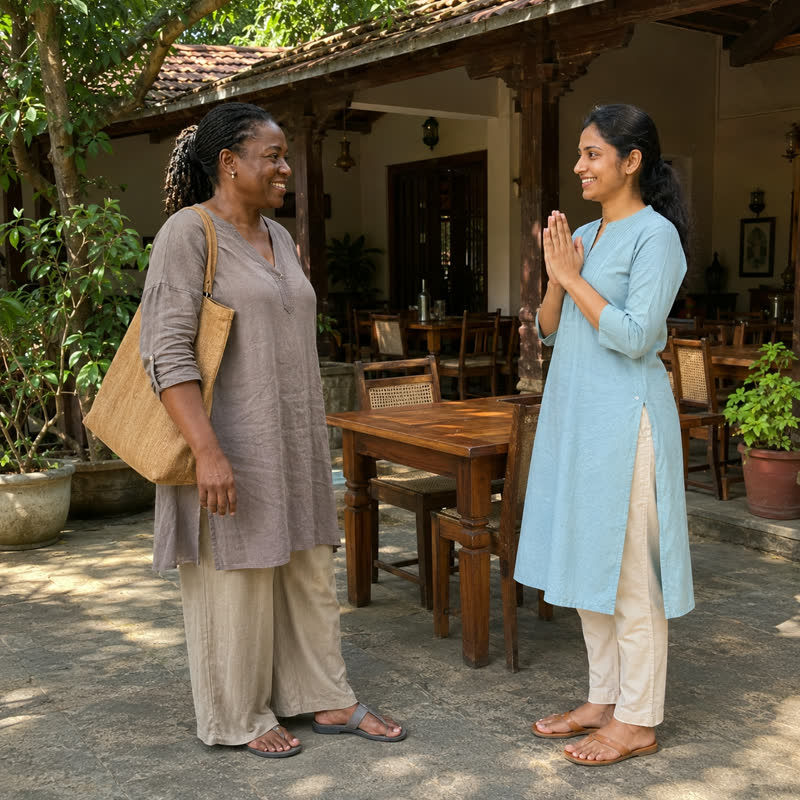
A good plan starts with a good conversation, and that is where MyVaidyam comes in. We walk with you from your very first question to the day you return home, answering every question patiently and making sure that nothing is left to chance.
- An online consultation with an Ayurvedic physician to discuss your goals.
- Help preparing your health summary and medicine list.
- Guidance on choosing a reputable centre.
- Help understanding your written plan.
- Support with your e-Medical visa documents, flights, airport pickup and accommodation.
- A warm point of contact during your stay, and follow-up after you return home.
You are welcome to reach out at any stage. We would be delighted to help you begin.