This guide explains the shape of a 14-day programme, what the stay offers, and how to compare quotes with confidence. Ayurveda is offered as a complementary, supportive approach alongside your own doctor's care, never a replacement for it.
Quick Facts - 14-Day Panchakarma Programme for International Patients in India
| Topic | Summary |
|---|---|
| Typical length | 14 days, residential |
| Structure | Preparation, therapies and, where suitable, procedures, then recovery |
| Good for | A first visit, or a shorter break from work |
| Who decides | The treating Ayurveda physician, after examining you |
| Extension | Ask whether the stay can be extended if the physician advises |
| Cost | Compare itemised, dated quotes for the same dates and inclusions |
Why choose 14-day
The National Institute of Ayurveda's protocol outline describes Panchakarma as preparation, main procedures and a recovery phase, with the time each takes depending on the person. Two weeks is a comfortable first step for many guests, and you can ask whether the stay can be extended if your physician recommends it.
Some people are not suited to strong procedures; see who should not undergo Panchakarma. For longer stays, see the 21-day and 28-day programmes.
A 14-day journey
This is a general picture, and your physician sets the plan.
| Phase | What it may involve |
|---|---|
| Early days | Arrival and rest, examination and history, tests if needed, preparation with oil-based therapies and diet |
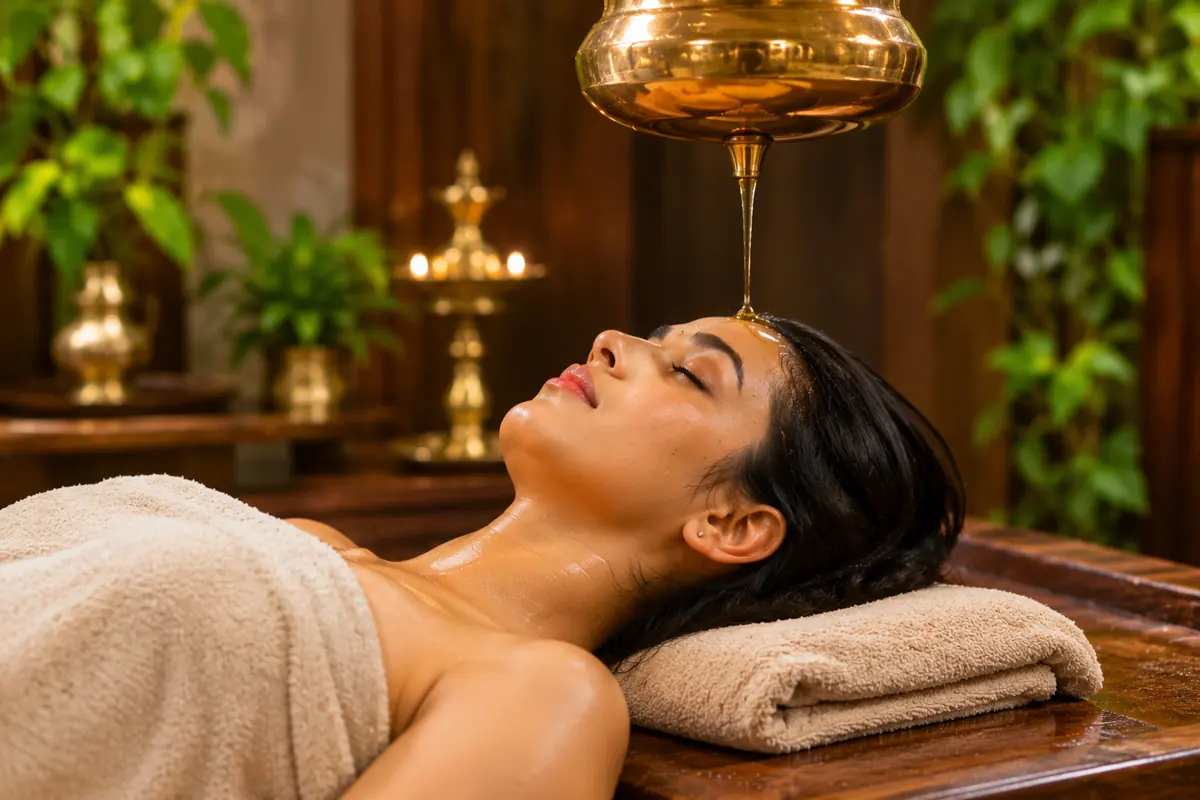
| Middle days | The therapies and, where suitable, procedures chosen for you, with daily review; many two-week programmes use gentler versions |
| Final days | Recovery with a graded diet, rest, supportive medicines and a plan for home |
How many days each phase takes varies. Ask for the day-by-day plan in writing. See Panchakarma step by step.
Your room and your meals
A 14-day programme is normally residential, so the room and the food are part of the experience. Ask which room categories are available, whether a single room is included, whether rooms have air conditioning or fans, and whether a companion can stay with you. Meals are usually set by the physician and may change through the programme. Tell the centre in advance about allergies and dietary needs.
Planning two weeks away
Two weeks is easy to plan. Agree leave, carry enough prescribed medicines in original packaging for the whole stay plus a margin, send your reports and medicine list in advance, and tell your own doctor your plans. Settle visa and flights early; see the visa guide. Ask whether a companion may stay.
Planning your budget
Ask for an itemised written quote covering nights and room type, meals, consultations and reviews, therapies per day, medicines, tests, taxes and service charges, and the deposit, balance and refund terms. Add visa, flights, insurance, transfers and payment fees, and treat the programme as self-funded unless an insurer confirms otherwise in writing.
- Compare the same dates, room type and inclusions.
- Compare total cost first, then cost per day.
- Ask whether medicines and tests are included.
Choosing a centre with confidence
Look for named physicians with a checkable degree, screening before stronger procedures, daily supervision, clear emergency arrangements, and a written plan with an itemised quote. See Panchakarma centres .
Travelling with confidence, and how MyVaidyam can help
- Continue any prescribed medicines and tell your own doctor about your plans.
- Ask how medicines are sourced and tested, and request ingredient lists.
- Avoid unlabelled preparations and be thoughtful about buying products online.
- Share your full health history and current medicines with the Ayurveda physician on arrival.
MyVaidyam can arrange a free online pre-consultation, then request day-by-day 14-day plans and itemised quotes from centres so you can compare them calmly. Contact MyVaidyam to book your free online consultation.