Palakkad offers a different Ayurveda experience from Kerala's beach resorts and backwater hotels. Its inland setting, village landscapes, heritage settlements and the forested edges of the Western Ghats support several genuine residential Ayurveda institutions: a physician-led Ayurveda hospital with its own villas, a restored palace run as a treatment centre, a traditional ashram, small rural clinics and a resort with an Ayurveda wing. This guide compares them for international visitors planning a 7 to 28-night stay, and shows what the published prices do and do not tell you.
Quick facts: Best Ayurveda Retreats in Palakkad, Kerala
Residential Ayurveda hospitals, traditional Panchakarma ashrams, a heritage palace programme, small physician-led clinics, and an Ayurveda-plus-resort property.
Typical stays
7 nights for evaluation or gentle rejuvenation; 14, 21 or 28 nights where an individual treatment plan justifies it. Not every stay is classical Panchakarma.
Kairali (official, dated)
Deluxe Villa single Panchakarma $240 per night, minimum 14 nights; valid 1 Apr 2025 to 30 Sep 2027.
Poonthottam (third-party)
28-night Panchakarma listed from $1,520 on a booking platform; not a confirmed direct offer.
Daksha (third-party)
From $280 (7 nights), $560 (14), $840 (21), $1,120 (28) on WellnessLoka; confirm inclusions.
Kalari Kovilakom
Doctor-led residential stays from 14 days; request a fresh written quote.
Kerala Tourism class
Au Revoir, South Malampuzha: Ayur Diamond, valid to 23 Sep 2027 on the list updated 1 Nov 2026. A facility grade, not a clinical endorsement.
NABH
Poonthottam Panchakarma scope 25 Oct 2024 to 24 Oct 2027. Kalari Kovilakom certificate we could access expired 28 Jan 2026; renewal must be verified.
Airports
Coimbatore (CJB), Kochi (COK), Kozhikode (CCJ), depending on the centre.
Visa
Check Indian government sources; Ayush (M-3) and Ayush Attendant (M-4) medical-visa categories exist for eligible travellers.
Safety
Maintain conventional treatment unless your own doctor advises otherwise; check herbal medicines for quality and interactions.
Prices on this page are shown in US dollars, converted from the providers' rupee prices at about 95 rupees per US$1. Bank rates and fees differ, and your final quote may be in rupees.
Key takeaways: Best Ayurveda Retreats in Palakkad, Kerala
Kairali publishes a dated nightly tariff: Deluxe Villa single-occupancy Panchakarma at $240 per night, 14-night minimum (14 nights = $3,360 as arithmetic, not a quote). A Deluxe Villa single-occupancy Panchakarma rate of $240 per night, effective through 30 September 2027, lets you build a preliminary budget; 14 nights multiply to $3,360. Suppose Kairali confirms in writing the published single-occupancy $240 nightly Panchakarma rate for exactly 14 nights. Kairali also publishes a rejuvenation example at $225 per night (seven-night minimum) and a shorter preventive programme at $170 per night. Kairali lists a 14-night minimum for its Panchakarma programme, and Kalari Kovilakom describes stays from 14 days. Kairali lists a 14-night minimum for its Panchakarma programme, and Kalari Kovilakom publicises stays from 14 days.
Check the date and scope of any accreditation. One NABH certificate we could access for Kalari Kovilakom expired on 28 January 2026, so ask for the current one. The directly accessible NABH document shows a Kalari Kovilakom accreditation cycle ending 28 January 2026. Ask the centre for the current certificate and verify its expiry and scope with NABH. Kairali's site and an earlier tourism record describe NABH or Ayur status, but the current certificate scope should still be validated. Check physician credentials, accreditation scope and dates, handling of contraindications and emergency referral. An NABH scope document identifies Poonthottam Ayurvedasram in Kulakkad with Panchakarma accreditation from 25 October 2024 to 24 October 2027.
Send the same dates, room type and medical summary to two or three centres so the quotes can be compared fairly. Shortlist two or three centres that match your goal and send each the same dates, guests, room class, programme and medical summary. Check room type, occupancy, air-conditioning, accessibility, special diets and caregiver rules, and confirm availability for your dates. Ask each centre for a written quote for the same dates, room, treatments, medicines, meals and taxes. They are different programmes, not substitute quotes for the same service. Ask both for the same quote template: same dates, one treated guest, single occupancy, daily consultation frequency, number and length of therapy sessions, medicines, diet, taxes and transfers.
Three airports serve the district: Coimbatore, Kochi and Kozhikode. The best choice depends on the centre. Three may be relevant: Coimbatore (CJB) just across the Tamil Nadu border, Kochi (COK) and Kozhikode (CCJ). The centre mentions road access and pickup on request at a charge, and approximate links to Coimbatore and Kochi airports; check distances from the actual treatment location. The official site names Kochi, Kozhikode and Coimbatore as gateways and calls Kozhikode the closest for this ashram, which is why a district-wide "nearest airport" rule misleads. A centre near Palakkad town or Kodumbu may find Coimbatore convenient, while Poonthottam's own site names Kozhikode as closest to Kulakkad/Cherpulassery. The value of the stay depends on the kind of retreat chosen, not on an assumed special property of the district.
Palakkad suits travellers who want a quiet, treatment-first residential stay rather than a beach holiday. Palakkad may suit travellers who prefer an inland, quiet, treatment-first residence over a coastal holiday atmosphere. Kairali suits guests who want a structured campus stay rather than an occasional spa. It describes an attached pharmacy, herbal growing areas, consultations and a diet-based care routine, which may appeal to travellers who want a classic family-run chikitsalayam rather than a modern retreat brand. Ask for separate prices for a room-and-breakfast stay, a spa package and physician-supervised residential Ayurveda, and for the exact number of daily therapy sessions rather than "daily therapies". That suits visitors who want to focus on treatment without resort distractions.
Poonthottam, Daksha and others have third-party starting prices only; confirm them directly. The WellnessLoka listing shows starting prices of $280 (7 nights), $560 (14), $840 (21) and $1,120 (28) across several programmes. Daksha, Poonthottam and Narayana Vaidyer's offer different versions of this. Price status: third-party starting tariffs only.
How MyVaidyam can help you
Planning an Ayurveda retreat in Palakkad? Send your goals, reports, dates and budget, and MyVaidyam will help you compare retreats and itemised quotations.
"Quote required" means we found no reliable, current, publicly verified package tariff. "Verification required" means the listing is a lead only. The entries are documented to different levels and are not ranked by their order here.
Why Palakkad deserves its own Ayurveda guide
Palakkad is often described as the inland gateway to Kerala. Where many destinations sell a beach or a lake, this district supports rural, longer-duration treatment stays. That helps a patient who has already decided that consistent physician access, a stable routine, calm rooms and medically appropriate meals matter most. It may suit less well a traveller whose main aim is swimming or daily sightseeing. The value of the stay depends on the kind of retreat chosen, not on an assumed special property of the district.
The choice is unusually broad. Kairali runs a large residential campus with villas and clearly separated programmes. Kalari Kovilakom is a heritage palace organised as a treatment centre and hospital. Poonthottam is a residential ashram with herbal gardens. Au Revoir is more recognisably a resort with an Ayurveda clinic. Daksha and Narayana Vaidyer's represent the smaller, treatment-first tradition, and Vayas combines a forest-side setting with structured programmes. A guest who values round-the-clock hotel service may be unhappy at a deliberately austere ashram; someone seeking a disciplined clinical stay may find a resort menu too informal.
Location matters too. Palakkad town is convenient for pharmacies, extra consultations and transport. Kollengode is associated with its historic palace and suits guests comfortable with strict routines. Malampuzha offers resort amenities near the dam. Kulakkad and Cherpulassery are further from international airports, which may outweigh their charm for a traveller with limited mobility. Attappadi is hill-and-forest country, so weather, road access and the quality of the transfer matter.
This guide compares properties on six independent dimensions: physician oversight; clinical treatment plan versus general wellness; accommodation and dietary support; transparent current pricing; documented classification or accreditation; and practicality for overseas arrivals. No single criterion decides the right choice. A costly villa may suit a guest who needs privacy, but that does not make it medically superior. A modest rural clinic may offer structured consultations yet be wrong for a frail traveller who needs rapid hospital escalation.
A quiet location can make a strict routine easier to follow, but remote is not automatically safer. Assess access to qualified staff, ambulance response, diagnostics, pharmacy refills and a modern hospital. Ask whether a family member can stay nearby, whether clinical communication is available in English, and what happens if treatment must stop early.
Panchakarma, rejuvenation and spa: what is the difference?
Panchakarma is a traditional Ayurveda framework of individually planned preparatory, main and post-treatment processes. In a clinically organised centre, a physician assesses the guest before deciding whether any intensive procedure is appropriate. Terms you will meet include snehana (oleation), swedana (sudation), vamana (therapeutic emesis), virechana (purgation), basti (medicated enema), nasya (nasal procedures) and, in some classical descriptions, raktamokshana. This describes practice; it is not a recommendation to undergo these procedures or a claim of established benefit.
Abhyanga (oil massage) may be part of a programme but is not the same as full Panchakarma. Shirodhara is a controlled flow of liquid on the forehead, often marketed for relaxation. Kizhi or potli uses warm herbal boluses, and pizhichil uses warm oil applied in flowing strokes. One centre may label a massage-and-yoga holiday a "cleanse" while another runs a planned, monitored inpatient course, so compare programmes by content and supervision rather than by length alone.
Rejuvenation retreats usually offer rest, supervised eating, gentle movement and simple oil therapies. They can suit relatively healthy travellers who want a structured break. A five to seven-night stay has value as a restorative holiday but should not be promoted as a complete Panchakarma course. Be cautious of "toxin" claims: the term has no agreed diagnostic meaning in conventional medicine. Ask which procedure happens on which day, who supervises it and what monitoring is used.
A resort spa usually sells one-off services without a longitudinal assessment. That is fine for leisure but not a place to seek treatment for a serious illness. A resort that offers both doctor-led Ayurveda and leisure services should name the responsible care team and explain which activities are safe during treatment. A medical-style uniform does not prove that a therapist is a licensed Ayurveda physician.
The evidence boundary. The US National Center for Complementary and Integrative Health notes that evidence for Ayurveda is limited for many conditions and that some Ayurvedic preparations can contain harmful amounts of lead, mercury or arsenic. The FDA has warned about heavy metals in certain unapproved Ayurvedic products. A centre's statement that it "treats" a disease is the provider's claim, not an independently established result. Ayurveda should not replace indicated cancer care, cardiac treatment, insulin, antiseizure medicine, anticoagulation, antibiotics or other prescribed therapy; any change belongs with the clinician managing the illness.
Top 10 Ayurveda Retreats in Palakkad, Kerala: what each centre offers
Discover the list of Ayurveda retreats in Palakkad, Kerala, offering authentic Ayurveda therapies, Panchakarma, holistic healing, rejuvenation programs and relaxing wellness experiences.
Kairali – The Ayurvedic Healing Village
Kairali suits guests who want a structured campus stay rather than an occasional spa.
Location: Olassery / Kodumbu
Core offering: Residential physician-led programmes in villas
First thing to ask: Named programme and villa quote
Price status: Official dated nightly tariff
Booking tips:
Confirm the provider's full operating name and campus address.
Obtain the physician's name, credentials and availability.
Ask about required examinations, blood tests or outside specialist clearance.
Require an individual plan with procedure risks and alternatives.
Review every planned medicine and get ingredient and sourcing information.
Clarify handling of dehydration, infection, falls, allergic reactions and blood-pressure changes.
Best fit: guests wanting a residential campus and a clear published starting point.
Before booking: confirm the current NABH scope, the treating physician, exact inclusions, occupancy, medicine and lab charges, transfers and refunds.
Read moreShow less
Location: Olassery, Kodumbu, Palakkad.
Model: residential Ayurveda hospital and villa retreat.
Its website describes a physician-led Ayurveda hospital and residential village with villas, meals and separate programmes, with a minimum of 14 nights for Panchakarma and shorter minimums for others. That is a useful signal that Panchakarma is not a three-day impulse booking. The site also describes a pre-arrival consultation.
Its main practical strength is tariff transparency. A Deluxe Villa single-occupancy Panchakarma rate of $240 per night, effective through 30 September 2027, lets you build a preliminary budget; 14 nights multiply to $3,360. That does not show that investigations, medicines, transfers or extra attendance are included. Kairali also publishes a rejuvenation example at $225 per night (seven-night minimum) and a shorter preventive programme at $170 per night. They are different programmes, not substitute quotes for the same service.
Ask the physician before paying whether intensive therapies are indicated, how prescription medicines are handled and who decides if you feel unwell. A broad catalogue of condition-specific programmes is not evidence that Ayurveda cures those conditions.
Price status: official published programme tariff.
Kalari Kovilakom – CGH Earth Ayurveda
The CGH Earth Ayurveda site describes Kalari Kovilakom as an Ayurveda treatment centre and hospital with 19 rooms and 12 treatment rooms, with residential stays from 14 days.
First thing to ask: Current 14/21/28-day quote and NABH renewal
Price status: Quote required
Booking tips:
Require an individual plan with procedure risks and alternatives.
Review every planned medicine and get ingredient and sourcing information.
Clarify handling of dehydration, infection, falls, allergic reactions and blood-pressure changes.
Check which staff are on site overnight and how they communicate in English.
Verify the emergency hospital and road transport arrangements.
Check accessibility, bathrooms and diet modifications for your needs.
Best fit: travellers comfortable with a controlled, heritage-based medical retreat.
Before booking: confirm mobility, allergy, communication and escalation arrangements.
Read moreShow less
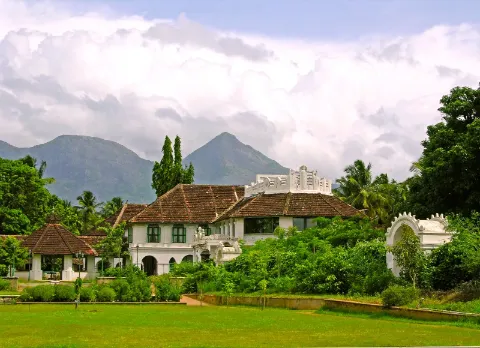
Model: physician-led Ayurveda in a restored heritage palace.
The appeal is not only the architecture: guests enter a planned programme with an expectation of following the doctors' timetable, dietary guidance and a low-stimulation routine. That suits visitors who want to focus on treatment without resort distractions.
We did not establish a current, provider-issued total package price. Older third-party figures exist online but may relate to earlier dates, currencies or occupancy rules, so we do not republish them as a 2026 rate. Request a written 14, 21 or 28-night quotation naming suite class, doctor visits, therapies, pharmacy medicines, meals, taxes and airport transfers, and ask about charges for tests, attendant nights and post-discharge consultations.
Accreditation needs care. The directly accessible NABH document shows a Kalari Kovilakom accreditation cycle ending 28 January 2026. The operator's page refers to NABH certification, but the older certificate alone does not prove renewal as of November 2026. Ask the centre for the current certificate and verify its expiry and scope with NABH.
Price status: quote required. Verification: current NABH status.
Illustrative image
Poonthottam Ayurvedasram
Poonthottam suits guests who prefer a treatment ashram to an upscale hospitality property.
Location: Kulakkad, near Cherpulassery.
Location: Kulakkad / Cherpulassery
Core offering: Panchakarma ashram with 28 rooms
First thing to ask: Physician review; room and treatment inclusions
Price status: Third-party 28-night example
Booking tips:
Check which staff are on site overnight and how they communicate in English.
Verify the emergency hospital and road transport arrangements.
Check accessibility, bathrooms and diet modifications for your needs.
Compare the package inclusions with the written invoice and refund rules.
Verify the expiry and scope of any classification or accreditation.
Obtain a discharge and follow-up process with contacts for your doctor at home.
Best fit: a longer traditional ashram stay with a simpler routine.
Before booking: confirm suitability, room category and limits for frail or assisted travellers.
Read moreShow less
Model: residential Panchakarma ashram and treatment setting.
Its official site describes 28 rooms with capacity for up to 45 inpatients, a medicinal plant garden, a yoga and meditation hall, prescribed meals, and room categories from Asram to Deluxe Single, Deluxe Double and Suite.
An NABH scope document identifies Poonthottam Ayurvedasram in Kulakkad with Panchakarma accreditation from 25 October 2024 to 24 October 2027. Describe this precisely as an accredited scope and period, not a guarantee of benefit. You should still confirm the assigned doctor, protocols, consent process, medicine sourcing, hygiene controls and adverse-event arrangements.
A third-party booking platform lists a 28-night Panchakarma programme from $1,520. Treat it as a lead for budgeting, not a provider quotation; ask what it includes (medicines, consultation, daily sessions, food, taxes, yoga, transport) and how many active therapy days you receive. The official site names Kochi, Kozhikode and Coimbatore as gateways and calls Kozhikode the closest for this ashram, which is why a district-wide "nearest airport" rule misleads.
Price status: third-party example only.
Accreditation: NABH Panchakarma scope to October 2027.
Illustrative image
Au Revoir Wellness Resort
Compare Au Revoir with care, because its experience includes hospitality and scenery around Malampuzha.
Location: South Malampuzha
Core offering: Ayurveda clinic with resort hospitality
First thing to ask: Spa versus doctor-led residential course
Price status: Quote required
Booking tips:
Compare the package inclusions with the written invoice and refund rules.
Verify the expiry and scope of any classification or accreditation.
Obtain a discharge and follow-up process with contacts for your doctor at home.
Confirm the provider's full operating name and campus address.
Obtain the physician's name, credentials and availability.
Ask about required examinations, blood tests or outside specialist clearance.
Best fit: travellers who want comfort and scenery alongside a structured wellness enquiry.
Before booking: Ask the resort which unit is classified and where your treatment will take place.
Read moreShow less
Location: South Malampuzha.
Model: resort accommodation with a doctor-guided Ayurveda clinic.
Its website markets accommodation, wellness-oriented food, yoga, meditation and physician-customised Ayurveda treatments, with an initial consultation and meal coordination with its doctor. That is more than a massage-only day spa, although the exact residential programme should still be verified.
Kerala Tourism's approved list dated 1 November 2026 shows AUREVOIR in South Malampuzha as Ayur Diamond, valid to 23 September 2027. Kerala Tourism calls this its highest facility category, but the grade does not replace medical licensing or show that any therapy works.
We found no clear public all-inclusive 14-day tariff. Ask for separate prices for a room-and-breakfast stay, a spa package and physician-supervised residential Ayurveda, and for the exact number of daily therapy sessions rather than "daily therapies". If only one partner is treated, ask how the companion's room and meals are charged.
Price status: quote required. Verified classification: Ayur Diamond, listed to September 2027.
Illustrative image
Daksha Ayurveda Chikitsalayam
Daksha is a more intimate alternative to the large campuses.
Location: Munjakkanni, Karakurissi.
Core offering: Small physician-guided treatment stays
First thing to ask: Occupancy, attendant, medicine charges
Price status: Third-party examples
Booking tips:
Confirm the provider's full operating name and campus address.
Obtain the physician's name, credentials and availability.
Ask about required examinations, blood tests or outside specialist clearance.
Require an individual plan with procedure risks and alternatives.
Review every planned medicine and get ingredient and sourcing information.
Clarify handling of dehydration, infection, falls, allergic reactions and blood-pressure changes.
Best fit: modest accommodation, direct physician access and a rural routine at a lower published starting price.
Read moreShow less
Model: small rural Ayurveda treatment retreat.
Its site promotes 7, 11, 14, 21 and 28-day programmes with a physician-prescribed routine of procedures, oral medicines and a pathya diet, plus yoga, treatment rooms, a herbal garden and Wi-Fi. Expect a treatment-centred schedule and simpler rooms than a luxury villa.
The WellnessLoka listing shows starting prices of $280 (7 nights), $560 (14), $840 (21) and $1,120 (28) across several programmes. Do not assume the same intensity in every programme. The listing says accommodation and medical consultation or daily check-up are included, with an attendant supplement of $7 per night. Medicines, meals, taxes, refunds and which programme the figures apply to need direct confirmation.
For a small facility, ask what happens outside clinic hours: is a registered Ayurveda physician present or on call, how are allergic reactions handled, and which conventional hospital receives emergencies? Guests on anticoagulants, diabetes drugs, or with kidney, liver or significant heart disease, or pregnancy, need more detailed screening. A low price cannot offset a missing safety plan.
Price status: third-party starting tariffs only.
Illustrative image
Narayana Vaidyer's Ayurveda Chikitsalayam
The clinic traces its history to 1930 and names Dr U. Ramadas among its clinical leadership.
Location: Chittilamchery
Core offering: Traditional family-run hospital and pharmacy
First thing to ask: Inpatient capacity and physician
Price status: Quote required
Booking tips:
Require an individual plan with procedure risks and alternatives.
Review every planned medicine and get ingredient and sourcing information.
Clarify handling of dehydration, infection, falls, allergic reactions and blood-pressure changes.
Check which staff are on site overnight and how they communicate in English.
Verify the emergency hospital and road transport arrangements.
Check accessibility, bathrooms and diet modifications for your needs.
Best fit: patients who want traditional institutional practice with physician-led assessment.
Before booking: Ask whether your condition is accepted for residential care, whether inpatient rooms are currently available, which physician is responsible and how daily monitoring is documented.
Read moreShow less
Location: Chittilamchery.
Model: traditional multi-generation Ayurveda hospital.
It describes an attached pharmacy, herbal growing areas, consultations and a diet-based care routine, which may appeal to travellers who want a classic family-run chikitsalayam rather than a modern retreat brand.
The best next step is a clinical conversation, not an online package. Local preparation of formulations is not itself proof of quality; ask for ingredient lists, preparation details and a full medicine bill before taking products home. The centre mentions road access and pickup on request at a charge, and approximate links to Coimbatore and Kochi airports; check distances from the actual treatment location.
A separately named establishment using Narayana or Amritha Kripa branding operates in the Chittilamchery area. Do not assume the two are the same: verify the exact legal name, address and physicians before quoting or linking.
Price status: quote required.
Illustrative image
Arogyodayam Ayurveda Hospital
The hospital's site describes treatment plans led by Dr Harikrishnan K K, with the facility in the Ambikapuram and Kalpathy area.
Location: Ambikapuram / Kalpathy, Palakkad town
Core offering: Town-based Ayurveda hospital
First thing to ask: Room, staffing, charge components
Price status: Quote required
Booking tips:
Check which staff are on site overnight and how they communicate in English.
Verify the emergency hospital and road transport arrangements.
Check accessibility, bathrooms and diet modifications for your needs.
Compare the package inclusions with the written invoice and refund rules.
Verify the expiry and scope of any classification or accreditation.
Obtain a discharge and follow-up process with contacts for your doctor at home.
Best fit: a Palakkad-town enquiry with less isolation than a forest setting.
Before booking: Ask how quickly a patient can be transferred, whether blood-pressure and glucose monitoring is available, who is on site overnight and how medicines are recorded.
Read moreShow less
Location: Ambikapuram / Kalpathy, Palakkad town.
Model: city-accessible Ayurveda hospital.
Testimonials describe inpatient stays, but they are anecdotes, not clinical evidence. A town location can help older guests or those who need regular contact with a conventional physician.
Proximity to the town does not establish emergency capacity inside the Ayurveda centre. Check stairs, bathrooms, wheelchair access and attendant availability. We did not verify a full residential price; ask for room, doctor, therapy, oil and medicine charges, meals and taxes in one document. A 21-day stay mentioned in a testimonial is not a standard minimum.
Price status: quote required.
Illustrative image
Vayas Holistic Ayurveda Centre
Vayas promotes a residential Ayurveda-and-nature stay with a treatment area, vegetarian dining, accommodation, yoga and meditation.
Location: Mundanpara / Attappadi, near the Silent Valley region.
Core offering: Nature-based residential Ayurveda
First thing to ask: 7/14/21/28-day inclusions and road transfer
Price status: Quote required
Booking tips:
Compare the package inclusions with the written invoice and refund rules.
Verify the expiry and scope of any classification or accreditation.
Obtain a discharge and follow-up process with contacts for your doctor at home.
Confirm the provider's full operating name and campus address.
Obtain the physician's name, credentials and availability.
Ask about required examinations, blood tests or outside specialist clearance.
Best fit: guests who value peace and hills alongside a longer programme.
Before booking: Request dated rates for one person versus two.
Read moreShow less
Model: nature-based residential Ayurveda.
Its rejuvenation page lists 7, 14, 21 and 28- day options with an initial consultation, daily follow-up, accommodation, Ayurveda-oriented meals, tailored therapies and daily yoga. Do not assume every package has identical quantities or medically intensive procedures.
Its distinguishing feature is the hill and forest setting. Establish the road transfer route, journey conditions and wet-weather plan, and ask for the driver's number, vehicle type, pickup cost and delayed-flight policy. Guests with serious conditions or frailty should ask about emergency transfer and the nearest capable hospital; scenic isolation can be a disadvantage. The site offers brochures and rate downloads, but we could not verify a current, legible all-inclusive tariff.
Price status: quote required.
Illustrative image
Ayur Palana (provisional)
Ayur Palana appears in local business records as an Ayurveda hospital and inpatient centre. We did not establish an official brochure, admission criteria or accreditation document, so we do not give it a tariff, accreditation claim or outcome claim. That absence is not evidence of poor quality; it means you should ask four questions first: is inpatient Panchakarma currently offered, who is the registered physician responsible for admissions, which treatments are done on site, and what monitoring and hospital-transfer arrangements exist?
Also request the postal address, registration details, payment recipient, a sample 14-night tariff and cancellation terms.
Status: provisional lead; keep as "subject to verification" until the centre confirms details.
Illustrative image
Vedic Hermitage – Ayur Mana (provisional)
This centre appears in local directories as a residential Ayurveda facility, but we did not find strong current primary documentation. Palakkad has several institutions with similar words in their names (Mana, Hermitage, Ayur), so match the exact institution and address before using any link or phone number. Apply the same criteria as elsewhere: named registered physicians, room types, daily programme, medicines, safety screening, emergency arrangements and an itemised quote.
Location: Ottapalam area
Core offering: Traditional residential (provisional)
First thing to ask: Current website, address, physician
Price status: Verification required
Booking tips:
Require an individual plan with procedure risks and alternatives.
Review every planned medicine and get ingredient and sourcing information.
Clarify handling of dehydration, infection, falls, allergic reactions and blood-pressure changes.
Check which staff are on site overnight and how they communicate in English.
Verify the emergency hospital and road transport arrangements.
Check accessibility, bathrooms and diet modifications for your needs.
Read moreShow less
Location: Ottapalam area.
Model: traditional residential Ayurveda; verification needed.
No tariff, NABH status, Kerala Tourism class or outcome statement is assigned to it here.
Status: provisional lead; verify active operation, official website and programme documents before recommending.
Palakkad Ayurveda retreat prices: what the figures mean
Price comparison is the most common source of confusion in this market. A package marketed at "$42 a day" can be a shared room with limited services, while "$210 a night" may include a room, consultations, procedures, meals and tax. Without an itemised list, the lower number is not necessarily cheaper like for like. In Palakkad some rates come from a provider's own site, some from third-party booking pages, and many are not public. We keep those categories separate.
Provider and programme
Published example
What the figure is
Caveat
Kairali: Panchakarma, Deluxe Villa single, minimum 14 nights
$240 per night; 14 × $240 = $3,360
Official programme rate
Page states effective 1 Apr 2025 to 30 Sep 2027; confirm inclusions, eligibility and extras
Kairali: Complete Rejuvenation and Detox, Deluxe Villa single, minimum 7 nights
$225 per night; 7 × $225 = $1,590
Different official programme
Not a substitute quote for 14-night Panchakarma
Kairali: short preventive programme, Deluxe Villa single, minimum 3 nights
$170 per night; 3 × $170 = $515
Different short-stay programme
Not classical Panchakarma; not comparable to the above
Poonthottam: 28-night Panchakarma
From $1,520
Third-party listing
Verify currency, room, sessions, medicines, meals, dates and taxes
Daksha: 7-night programme
From $280
Third-party starting rate
Several programmes at similar prices; do not assume the same medical content
Daksha: 14-night programme
From $560
Third-party starting rate
Confirm single or sharing, transfer, medicines
Daksha: 21 and 28- night programmes
From $840 / $1,120
Third-party starting rates
Reconfirm 2026 validity, inclusions and extras
Kalari Kovilakom
Quote required
Official service details, no verified current all-in tariff
Reseller tariffs may be old or for different occupancy
Au Revoir, Narayana Vaidyer's, Arogyodayam, Vayas
Quote required
No comparable current tariff verified
Do not fill gaps with "typical" rates
Arithmetic is an illustration, not a quote. The 14, 7 and 3-night totals above multiply published nightly rates. Final amounts can change with dates, the physician's recommended programme, supplements, extra tests, transfers, companion occupancy, taxes or revised terms. A 14-night package may also differ from a 14-day one, so ask for exact check-in and check-out dates.
Comparing a seven-night and a fourteen-night stay
Seven nights can suit assessment, restorative therapies, supervised meals and early habit formation. It is not a fair comparison with a fourteen-night Panchakarma course, where preparation, main procedures, recovery and post-treatment instructions take longer. A price per night that ignores procedure intensity and the number of active therapy days can create a false bargain. If a centre recommends fourteen nights, ask whether that is a medical decision for you, a commercial minimum or just the shortest slot.
For 21 or 28 nights, the quote should cover medicine for the whole stay, consultations and monitoring, any extra care, and any charge for days when active therapy pauses. Budget for flight changes and a recovery night in the city. If the doctor postpones or cancels a high-risk procedure after you arrive, that is better than continuing only because the package was prepaid.
Payment, refund and currency
Ask whether the quote is in INR, USD or EUR, how the exchange rate is set, whether conversion fees apply, and whether any refund is lost if the doctor decides a procedure is unsafe. A distributor page may have different cancellation rules from the centre's own contract. Never send money to an unverified personal account based on a social-media message. Ask for the registered business name, tax invoice, payment policy and an official booking confirmation.
A realistic full-trip budget and the quotation checklist
The retreat tariff is only one line. A realistic budget includes return flights; visa costs; airport-to-centre transport; a buffer night or two if flights arrive late; the accommodation and therapy package; consultations; medicines and consumables; laboratory tests; a companion's room and meals; and an emergency reserve. Some centres quote one consolidated package while others itemise nearly everything.
Illustration, not a quote. Suppose Kairali confirms in writing the published single-occupancy $240 nightly Panchakarma rate for exactly 14 nights. The arithmetic subtotal is $3,360. That is the programme line only, not the cost of the journey. A private transfer, lab tests, special diet additions, a private attendant or three extra non-treatment nights would each be priced separately. Where the centre confirms that meals, standard consultations and oils are included, do not add them twice.
Daksha's listed 14-night starting figure is $560. It would be misleading to divide the Kairali and Daksha headline numbers and call one "better value": room class, clinical design, staffing, occupancy, therapist time and supplies may differ completely. Ask both for the same quote template: same dates, one treated guest, single occupancy, daily consultation frequency, number and length of therapy sessions, medicines, diet, taxes and transfers.
For an accompanied visit, obtain two figures: patient plus non-treated attendant, and two treated guests. A caregiver who is not treated may need meals and a room without therapy, and some centres restrict sharing. If the guest is older or has limited mobility, ask whether a dedicated caregiver is required and available; a therapist is not a substitute for personal care.
The quotation checklist
Patient name, nationality, dates and exact number of nights.
Purpose of the stay and whether the centre has reviewed your medical reports.
Treatment name, physician assessment, number of procedures and review schedule.
Room category, occupancy, food, drinking water, air-conditioning and accessibility.
Whether internal medicines and external oils are included, and whether tests or consultations cost extra.
Taxes, service charges, deposit, payee, currency, refunds and amendment rules.
Airport pickup point, driver coordination and late-night arrival charges.
The person responsible for clinical concerns and how emergency referral works.
Discharge papers, a medication list and an English follow-up plan.
A final amount issued by the facility or a clearly identified authorised booking partner.
A complete written quote may look dearer than an online "from" price, but it prevents disputes after arrival and lets you compare real options.
Choosing the right length: 7, 14, 21 or 28 nights
Seven nights: assessment and gentle wellness. Enough for an introduction to a centre's routine, dietary advice, supervised gentle therapies and restorative sleep, or a short holiday with consultations. It is not a universal "full-body cleanse". Ask whether the programme is explicitly wellness-oriented and whether any strenuous procedures are planned. If you have a significant illness, use the first contact for screening; if more time is needed, the centre should say so before taking payment.
Fourteen nights: a common minimum for structured programmes. Kairali lists a 14-night minimum for its Panchakarma programme, and Kalari Kovilakom publicises stays from 14 days. That does not mean everyone needs exactly 14 nights, or that two weeks guarantees any result. The right schedule depends on assessment and tolerance, and the last day or two may be for observation, rest and discharge advice.
Twenty-one nights: longer adjustment and observation. Consider this when a doctor believes additional stages, recovery or observation are needed. Longer is not automatically safer: it adds travel cost, time away from regular medical care and more chance of medication problems or illness. The centre should explain why each extra week matters and what happens if treatment stops early.
Twenty-eight nights: a major commitment, not a default. The centre should review records and practical limits first. Clarify the need for a companion, flexible return flights, home medicine supplies, insurance limits and how blood tests would be done. If you improve or have side effects, treatment should change on medical grounds, not because a package is prepaid.
Decision rule: ask the treating Ayurveda physician, and your own doctor where relevant, what the minimum clinically appropriate duration is for your goal. Then choose a quote with a realistic buffer and clear change rules. Do not let the length of your holiday decide the procedure.
Who may consider a Palakkad retreat, and who needs caution
Generally well adults interested in sleep routines, mindful eating, yoga or a low-stimulation break can consider a reputable wellness programme if services and risks are clearly described. Keep goals modest: time away, sustainable habits, gentle movement and rest. Do not expect "toxins" removed, ageing reversed or protection from serious illness.
Persistent musculoskeletal pain (osteoarthritis, chronic back pain, fibromyalgia): have a clinician first check for conditions needing imaging, surgery, physiotherapy or urgent review. Severe progressive weakness, bowel or bladder changes, unexplained fever, trauma or new neurological symptoms need prompt conventional assessment. Gentle therapies may be a supportive activity, and the centre should offer accessible rooms and a plan for continuing evidence-based care at home.
Diabetes, heart disease, high blood pressure or kidney disease: fasting, dehydration, gastrointestinal procedures, diet change, heat and herbal-drug interactions add risk. Bring your medication schedule, recent results and your doctor's guidance. Do not stop insulin, anticoagulants, antihypertensives or other long-term medicines without the responsible clinician. A centre proposing intensive procedures without reviewing your history is a poor choice whatever its online reputation.
Pregnancy, recent major surgery, severe frailty, active infection or poorly controlled illness: do not buy intensive Panchakarma from a website description. Children should not be enrolled in adult programmes by default. People recovering from an eating disorder, or with a history of severe dehydration, need careful assessment before restrictive diets or purgative therapies.
Cancer, severe neurological, autoimmune or major psychiatric illness: claims about "detoxification", "immune strengthening" or "hormone balance" are not evidence of disease treatment. Discuss any complementary stay with your medical team first. Delayed chemotherapy, stopped seizure medicine or untested herbal formulations can have serious consequences. A stay may be more suitable later as a rest or rehabilitation adjunct, if your doctors agree.
Documents to send before arrival
A concise clinical summary is better than hundreds of unsorted pages: main diagnosis and symptoms, duration and past treatment, current prescription and over-the-counter medicines, allergies, pregnancy status if relevant, recent procedures or admissions, and key lab results or scans. Highlight kidney and liver disease, blood thinners, immunosuppressants, diabetes drugs, epilepsy medicines, cardiac devices and any history of fainting or falls. Give an emergency contact and any interpreter needs.
A remote review may conclude that a planned procedure is unsuitable. A trustworthy centre should then offer a gentler alternative, ask for more evaluation or decline the booking. That protects you; it is not poor service.
Choosing a physician and checking safety systems
Start with the responsible physician's full name, qualification and registration. Check BAMS or postgraduate Ayurveda qualifications against the appropriate regulator or state register where feasible. A certificate for a massage therapist, yoga teacher or nutrition coach is not registration as an Ayurveda physician. Ask whether the doctor does your initial assessment personally, whether reviews are daily, and who signs the discharge papers. One senior doctor's photograph does not prove the same person oversees your whole stay.
Then look at operational safeguards: who checks for allergies and drug interactions; how oils and medicines are labelled; how consent is taken for intimate or invasive procedures; whether you can decline a therapy; how rooms are cleaned and cross-infection prevented; whether therapists of your preferred gender and an attendant are available; and whether there is an emergency kit, a trained responder and a documented referral link to a modern hospital. These questions apply even to centres that market "natural" care.
Read credentials carefully. Kerala Tourism's Ayur Silver, Ayur Gold and Ayur Diamond are facility classifications, not outcome comparisons, and they are time-limited. The list dated 1 November 2026 shows Au Revoir's Ayur Diamond to September 2027. Poonthottam's NABH document shows Panchakarma scope to October 2027. Kairali's site and an earlier tourism record describe NABH or Ayur status, but the current certificate scope should still be validated. For Kalari Kovilakom, the NABH document we could access expired in January 2026 and must not be presented as current.
Look beyond certificates to the care plan. A good centre declines unsafe treatments, explains uncertainty, gives invoices with full disclosure of charges and tells you what happens if you stop therapy. It should not routinely promise to cure diabetes, infertility, cancer or neurological disease.
A 12-point prepayment safety audit
Confirm the provider's full operating name and campus address.
Obtain the physician's name, credentials and availability.
Ask about required examinations, blood tests or outside specialist clearance.
Require an individual plan with procedure risks and alternatives.
Review every planned medicine and get ingredient and sourcing information.
Clarify handling of dehydration, infection, falls, allergic reactions and blood-pressure changes.
Check which staff are on site overnight and how they communicate in English.
Verify the emergency hospital and road transport arrangements.
Check accessibility, bathrooms and diet modifications for your needs.
Compare the package inclusions with the written invoice and refund rules.
Verify the expiry and scope of any classification or accreditation.
Obtain a discharge and follow-up process with contacts for your doctor at home.
If a centre will not answer reasonable questions before taking a deposit, remove it from your shortlist. That filter is stronger than a polished photo gallery.
Getting there, visiting season and daily routine
Airports. Three may be relevant: Coimbatore (CJB) just across the Tamil Nadu border, Kochi (COK) and Kozhikode (CCJ). A centre near Palakkad town or Kodumbu may find Coimbatore convenient, while Poonthottam's own site names Kozhikode as closest to Kulakkad/Cherpulassery. Attappadi and Ottapalam need separate route checks. Do not apply one driving time to every property.
Rail and onward connections. Palakkad Junction suits some visitors already in India, but a centre near Shoranur or Ottapalam may be reached better from another station. For guests flying via Delhi, Mumbai, Bengaluru, Chennai or Hyderabad, a domestic connection after a long-haul flight adds time; if tiredness or a medical condition makes a same-day transfer hard, a night in the arrival city is safer. Ask whether the centre accepts late-night admission and serves food on arrival, and plan the first treatment after rest rather than straight from the airport.
What the transfer quote should say: airport code, pickup date and flight number, waiting time, vehicle class, tolls and parking, wheelchair handling, luggage space, air-conditioning, driver language and an emergency number. For Attappadi, ask about night driving, hill roads and heavy rain, and whether a second person may sit with a vulnerable patient.
Season. Kerala has a southwest monsoon from roughly June to September and a northeast monsoon around October and November. November to February is often the most comfortable period for walking and road travel, though conditions vary. Palakkad's interior can feel hotter than the coast, which may not suit heat-sensitive guests.
Traditional institutions often promote monsoon-season treatment. That is a cultural belief, not established evidence of greater effect. Choose dates mainly on medical suitability, travel comfort, safe road access and your clinician's advice. A rainy-season discount is not a reason to accept an unsafe night transfer, especially into the hills. Ask about mosquitoes, humidity, air-conditioning, whether outdoor yoga moves indoors in rain, and path access if you use a cane or wheelchair. Also ask about blackout dates and seasonal supplements: a venue that looks cheap in a comparison may quote more over late December and January.
A typical day at a residential centre might include early waking, gentle movement or breathing, a prescribed breakfast, one or two timed therapies, rest, a physician consultation and an early evening meal. This is an illustration, not a prescribed schedule; an intensive course may replace yoga with monitoring and recovery. At admission, ask for the responsible physician's name, the day your plan will be confirmed, the oils or medicines to be used and how consent is taken for each procedure. Ask who you can contact for vomiting, dizziness, worsening pain, rash, breathing difficulty or abnormal blood pressure, and whether a nurse or trained responder is on site.
A 14-night package does not mean 14 consecutive days of vigorous treatment; some days are for supervision and rest. That flexibility is fine when the quote and daily record are clear. For the return journey, a flight a few hours after purgation or another intensive therapy may be impractical, so ask about safe travel timing, hydration, medicines to continue, symptoms that need review and an English summary. Share the updated medicine list with your doctor at home, and check airline and import rules before carrying unlabelled powders or liquids.
Diet, accommodation and accessibility
Most residential centres treat diet as part of the stay, but labels like "sattvic" or "organic" do not tell a diabetic, someone with kidney impairment or a person with a food allergy whether meals are suitable. Ask for a sample weekly menu and how it changes for diabetes, renal restrictions, gluten intolerance, allergies, swallowing difficulty, pregnancy or low weight. Someone who needs steady carbohydrate or timed medicines cannot simply skip meals because a generic programme suggests fasting. Put your requirements in the booking confirmation.
Room descriptions deserve equal attention. A "Deluxe" room may be larger but have stairs or a slippery bathroom; a simple ashram room close to the therapy block may be more practical. Ask about walking distance to treatment and dining areas, lifts, accessible toilets, grab rails, bed height, in-room call systems, air-conditioning, hot water, safe paths in rain and housekeeping. If you need help at night, ask whether a qualified attendant can stay in or near the room.
Companion policy changes the quote. A non-treated partner may want to share the room, dine with you or join yoga. Highly structured centres may restrict visitor movement; resorts may be more flexible. Neither is better in general, but surprises are avoidable. Request a separate companion rate and confirm whether room sharing is allowed. Ask about Wi-Fi and a quiet workspace only if they fit the treatment schedule.
Consider cultural comfort too: therapist gender preference, treatment-room privacy, changing facilities, language, clothing supplied, bathing arrangements and your right to stop any procedure. You should never feel obliged to accept an intimate treatment because you bought a residential package.
Travel and visa guide: Best Ayurveda Retreats in Palakkad, Kerala
India has Ayush-related medical-visa categories for eligible foreign nationals seeking qualifying Ayush treatment. Government information from July 2026 describes the Ayush Visa (M-3) and Ayush Attendant Visa (M-4) within the medical-visa framework, and the official e-visa site lists documents for e-Medical visas used for e-Ayush purposes. The right category depends on your nationality, treatment purpose, the centre's status and current rules. A wellness-holiday booking does not automatically qualify for a treatment visa, and not every passport is eligible for online issuance. Start from the official government portal and check with the receiving centre and the nearest Indian mission.
A treatment-focused visitor may need an admission or appointment letter from an eligible hospital or centre, with its name, contacts, dates and intended services, and it may need to be generated or validated through official medical-travel processes. Do not pay an agent who promises visa approval. For a companion, confirm whether a separate attendant category applies. Prepare passport validity, return or onward travel and funds as the official page directs.
Standard leisure travel insurance may cover emergencies but exclude planned Ayurveda procedures, complications of elective alternative treatment, pre-existing conditions or a companion's costs. Get written confirmation from your insurer. "We are NABH accredited" is not proof that your insurer will reimburse you.
Pre-travel document bundle
Passport, entry permission and a printed booking or admission confirmation.
Medical history, recent reports and allergy list.
Medicines in original packaging, with a list of generic names and doses.
Emergency contacts, your doctors' numbers and the insurance certificate.
Airport pickup confirmation, the centre's address in English and a working Indian phone number.
Payment receipt, refund terms and any written safety instructions.
Notes on assistive devices, dietary needs and companion arrangements.
Written post-discharge follow-up instructions and what to do if symptoms worsen.
If you are unsure about a serious symptom, investigate it first rather than relying on a retreat to resolve it. A separate conventional consultation in India makes sense only when clearly indicated.
Red flags and misconceptions
Treat these as reasons to pause: guaranteed-cure language (reversing diabetes, eliminating cancer, replacing dialysis, curing advanced neurological disease, stopping all prescription drugs); one package for everyone regardless of history; no written medicine list or reluctance to disclose ingredients; refusal to name the treating doctor; an expired or expiring accreditation presented as current; an Ayurveda massage centre presented as an inpatient hospital; undisclosed tax or medicine charges; full payment demanded before medical review; unverifiable bank details; and no clear route for managing an adverse reaction.
An expensive resort can have these problems just as a modest clinic can. Equally, simple rooms or a small online presence do not mean poor supervision.
Some symptoms need direct action. Excessive vomiting, prolonged diarrhoea, unexpected weakness, confusion, fainting, chest pain or breathing difficulty are not signs that "toxins are leaving". They may need urgent medical assessment, and reassurance that they always mean beneficial cleansing is unsafe. A good practitioner knows when to stop and refer, and you should keep independent access to urgent care.
Finally, no season, body type or ancient method guarantees greater efficacy. Keep four things apart: what a provider practises, what a government classification verifies, what a guest experienced, and what clinical research shows.
Is Panchakarma appropriate after records review, and which treatments are planned?
Traditional rural stay, simple rooms
Doctor access, routine, low logistical complexity
Poonthottam; Daksha; Narayana Vaidyer's
Is an inpatient room available, and does the quote include medicine, food and care?
Higher-comfort resort with Ayurveda
Room comfort, consultation, meals, clarity
Au Revoir; Kairali
Are therapies included or bought separately; wellness or treatment?
Heritage, disciplined, low-distraction stay
Controlled routine, long-stay commitment
Kalari Kovilakom
Verify the current accreditation document and 14+ day price before paying
Lower published entry price
Modest rooms, transparent minimum pricing
Daksha; Poonthottam
Compare actual single-occupancy inclusions, not the headline rate
Hills, forest, quiet
Remote retreat, transport safety
Vayas
What is the road transfer and the nearest capable hospital?
Older patient or limited mobility
Medical access, walking distances, support staff
Start with Palakkad-town options such as Arogyodayam
Are therapy areas and bathrooms accessible, and is suitable care on site?
Companion joining a patient
Separate companion rate, visiting rules
Ask each provider
Can both stay together, and what can the companion do?
This table is a planning aid, not a medical indication. A clinician may advise against Panchakarma, suggest a short wellness visit, or say conventional care is urgent. Be ready to change your shortlist after your reports are reviewed.
Scenario A: a couple wanting quiet and wellness. One wants massage and morning yoga; the other wants to relax. Compare Au Revoir and Kairali's wellness-level offerings rather than defaulting to a clinical 21-night Panchakarma course. The quote should separate one versus two treated guests and room occupancy.
Scenario B: a person seeking traditional inpatient Ayurveda. Comfortable with a simple room and a prescribed meal schedule, they want a clear clinical conversation. Daksha, Poonthottam and Narayana Vaidyer's offer different versions of this. Decide on physician credentials, suitability, room capacity, medicine disclosure and emergency readiness, not on the lowest published rate.
Scenario C: a patient with several medicines and an unclear diagnosis. Begin with conventional assessment and a conversation with the managing doctor; a retreat does not replace diagnosis. Request a preliminary doctor review from one or two centres, and buy an extended package only when the safety plan is clear and you can manage the travel and follow-up.
How MyVaidyam helps
MyVaidyam helps international guests ask better questions rather than steering every enquiry to the dearest room. We can explain treatment-versus-wellness differences, match the part of Palakkad to your travel needs, help gather source documents, request comparable written quotes from a small number of suitable centres (with your consent) and encourage clinical review before you pay.
Read moreShow less
We do not interpret scans as clinicians, promise cures or advise stopping conventional medicines, and we encourage second opinions when an intensive course seems out of proportion. Medical suitability, price and availability are confirmed only by each centre.
What to send: destination preference; a 7, 14, 21 or 28-night window; number of treated guests and companions; room preference; main goal or medical condition; current medicines; and any reports the centre requests. Avoid uploading sensitive records through an unverified form, and ask how your data will be used and who can access it.
Method and limits. This guide uses provider websites for programme descriptions and direct tariffs, Kerala Tourism records for classification, NABH documents for accreditation scope and validity, government sites for visa and travel background, and recognised medical-safety sources. Third-party booking platforms are used only for labelled starting-price examples, never to confirm room inventory or contracted charges. Expired certificates are shown with their expiry date. The ten entries are a curated inventory, not an audited ranking, and Ayur Palana and Vedic Hermitage remain provisional leads. Provider details and prices were researched in November 2026 and must be reconfirmed before publication.
Frequently asked questions: Best Ayurveda Retreats in Palakkad, Kerala
What are the best Ayurveda retreats in Palakkad for international travellers?
The right shortlist depends on your needs. Kairali offers a documented residential Ayurveda hospital setting with current programme tariffs; Kalari Kovilakom is a heritage medical retreat for longer stays; Poonthottam is a residential Panchakarma ashram with a verifiable NABH scope; Au Revoir combines resort hospitality with doctor-guided Ayurveda and an Ayur Diamond listing. For traditional rural care look at Daksha and Narayana Vaidyer's, and for a nature setting consider Vayas. Treatment plan, safety systems and package inclusions matter more than a generic top-ten list.
How much does a 14-day Panchakarma retreat in Palakkad cost?
There is no reliable district-wide figure. Kairali publishes $240 per night for single-occupancy Deluxe Villa Panchakarma with a 14-night minimum, which multiplies to $3,360 under the published tariff period (arithmetic, not a quote). Daksha's third-party page lists 14-night programmes from $560, but scope and accommodation differ. Poonthottam's third-party listing is for 28 nights and cannot be halved to infer a 14-night price. Ask each centre for a written quote for the same dates, room, treatments, medicines, meals and taxes.
Is Palakkad better than Kovalam or Varkala for traditional Panchakarma?
Palakkad may suit travellers who prefer an inland, quiet, treatment-first residence over a coastal holiday atmosphere. Kovalam and Varkala offer beach access and wellness hospitality, but service models vary by property everywhere. Decide on physician oversight, procedure selection, current standards, rooms and logistics rather than on an assumption that one region's Ayurveda is more effective. If you have a complex illness, check the emergency plan before the scenery.
How many days should I book for a Panchakarma programme in Palakkad?
Decide after assessment, not because a site sells 7, 14 or 21 nights. Short stays suit gentle wellness and diet routines and are not automatically full Panchakarma. Kairali lists a 14-night minimum for its Panchakarma programme, and Kalari Kovilakom describes stays from 14 days. Ask why the suggested length fits your history, which procedures are planned and how many days involve treatment rather than rest. With diabetes, kidney disease, serious heart disease or pregnancy, intensive procedures may not be safe; the answer may be to avoid Panchakarma.
Which Palakkad centres offer residential accommodation and meals?
Kairali has inpatient villas and diet-based programmes; Kalari Kovilakom has palace rooms within its treatment setting; Poonthottam has 28 rooms and Ayurveda dining; Daksha advertises residential programmes; Vayas lists accommodation and Ayurveda-oriented meals in some programmes. Au Revoir provides resort rooms and an Ayurveda service, so ask whether your booking includes daily clinical supervision. Check room type, occupancy, air-conditioning, accessibility, special diets and caregiver rules, and confirm availability for your dates.
Are Palakkad retreats accredited or approved by Kerala Tourism?
Different credentials answer different questions. Kerala Tourism grades facilities as Ayur Silver, Gold or Diamond; its list updated 1 November 2026 includes Au Revoir as Ayur Diamond to 23 September 2027. NABH is a separate body: Poonthottam's Panchakarma scope runs to October 2027. The Kalari Kovilakom NABH certificate we could access expired in January 2026 and cannot show renewal. Neither grade nor accreditation guarantees results. Check the document number, valid-through date, licensed entity and services covered.
Can foreigners travel to Palakkad for Ayurveda on an Ayush visa?
India has visa arrangements for eligible foreign nationals seeking qualifying Ayush treatment, with treatment (M-3) and attendant (M-4) categories described in government material. The right option depends on nationality, treatment, the facility's status and current rules, and a spa holiday is not the same as a documented treatment admission. Ask the centre whether it can issue the needed letter, use the official portal or your Indian mission, and avoid agents who guarantee approval. Do not buy a non-refundable stay until entry eligibility is clear.
Which airport should I use?
Coimbatore (CJB), Kochi (COK) or Kozhikode (CCJ), depending on the exact location. Palakkad town, Kodumbu and Malampuzha differ from Kulakkad/Cherpulassery or Attappadi, and Poonthottam calls Kozhikode its nearest airport. Compare flights, transfer cost, road time and arrival hour, and ask for a written transfer quote with driver details and a plan for delayed flights.
Is Panchakarma safe for diabetes, arthritis, high blood pressure or other serious conditions?
Safety is individual. Gentle external therapies carry less risk than purgation, emesis or medicated enemas, which can cause dehydration, blood-pressure changes, injury and medicine disruption. People with diabetes, heart or kidney disease, pregnancy, bleeding risk or recent major surgery need careful assessment. Continue prescribed medicines and indicated conventional care unless the responsible clinician says otherwise. Some Ayurvedic medicines may contain harmful metals or interact with drugs, and evidence of effectiveness is limited for many conditions. Get your own doctor's advice and choose centres that welcome outside medical information.
How can I choose a suitable retreat without overpaying?
Separate wellness holiday, supervised Ayurveda care and intensive Panchakarma. Shortlist two or three centres that match your goal and send each the same dates, guests, room class, programme and medical summary. Ask for a quote covering consultations, therapy sessions, room, food, medicines, taxes, transfers, attendants, cancellation and follow-up. Check physician credentials, accreditation scope and dates, handling of contraindications and emergency referral. Treat very low "from" prices as prompts for questions. A transparent, cautious centre is often the better partner even if it is not the cheapest.
Patient stories
What International Patients Say
Real stories from patients who travelled to India for Ayurveda.