This guide explains what rejuvenation programmes usually offer, how they differ from Panchakarma, who may enjoy them, and how to choose a centre with confidence. Ayurveda is offered as a complementary, supportive approach alongside your own doctor's care, never a replacement for it.
Quick Facts - Ayurveda Rejuvenation Programmes for International Patients in India
| Topic | Summary |
|---|---|
| What it is | A restorative residential programme, content varies by centre |
| Typical elements | Consultation, massage and oil therapies, diet, rest, routine |
| Compared with Panchakarma | Generally gentler, often without the main cleansing procedures |
| Traditional timing | Kerala Tourism describes Karkidakam (around July and August) as favoured |
| Who decides | The treating Ayurveda physician |
| Cost | Compare itemised, dated quotes for the same dates and inclusions |
What rejuvenation offers
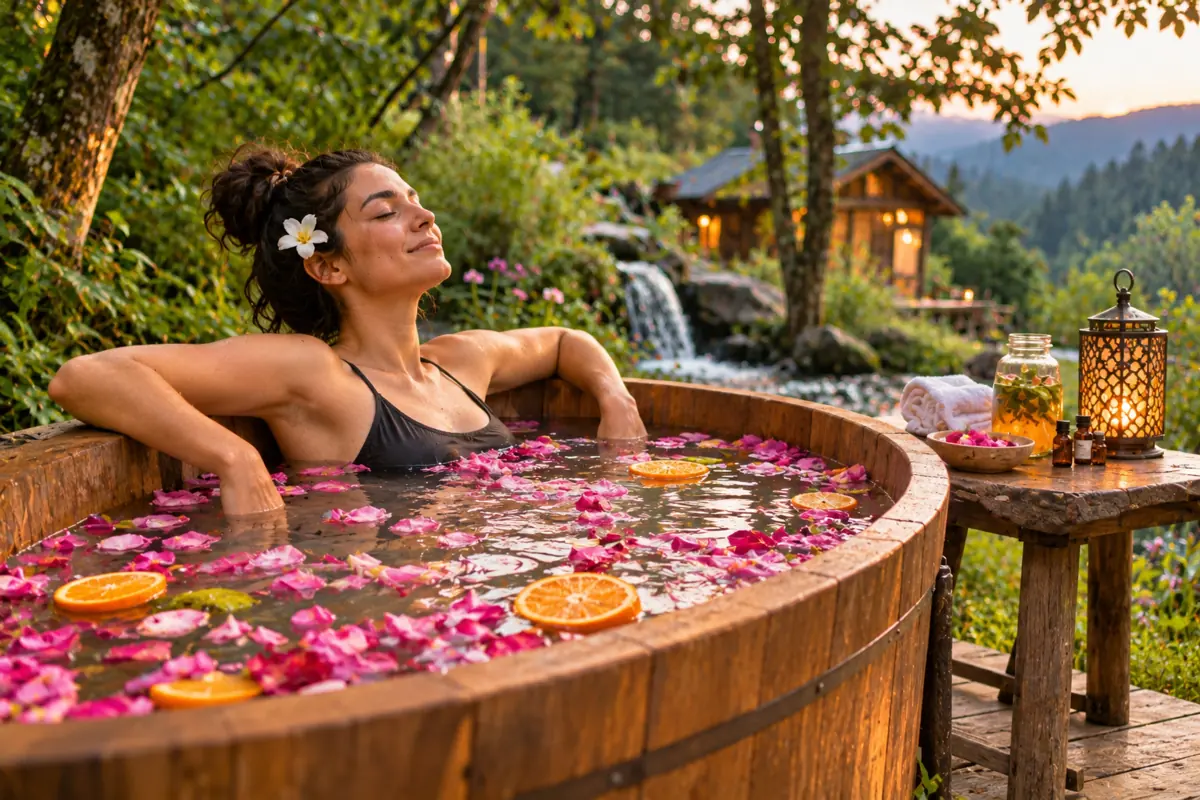
Kerala Tourism describes Rasayana Chikitsa as a traditional revitalisation therapy. In practice, "rejuvenation" is the name given to a range of programmes that usually combine consultation, massage and oil-based therapies, diet, rest and a daily routine. Many guests simply enjoy the unhurried rhythm, the calm surroundings and the chance to switch off.
What is included differs between centres, so ask for the day-by-day plan so you know exactly what to expect.
How it differs from Panchakarma
Panchakarma, as outlined by the National Institute of Ayurveda, is a sequence of preparation, main cleansing procedures and recovery. Rejuvenation programmes are generally gentler and are often built around rest and restorative therapies instead. That can make them an inviting choice for many guests, although the labels overlap and some packages blend the two.
Ask whether any of the main procedures (vamana, virechana, basti, nasya) are planned for you, and how you will be screened. See Panchakarma packages and costs and who should not undergo Panchakarma.
Who may enjoy a rejuvenation stay
People often look to rejuvenation when they want a structured break, a calmer routine or a better rhythm for sleep and rest, sometimes alongside ongoing care from their own doctor. It is not a treatment for any disease, and persistent tiredness, low mood or poor sleep should be assessed by your own doctor. See stress and insomnia.
If you are pregnant, frail, or take blood thinners, insulin or immunosuppressants, take medical advice before you book.
Season and timing
Kerala Tourism describes the Malayalam month of Karkidakam, around July and August, as traditionally favourable for rejuvenation, and many guests enjoy the green, quiet monsoon months. Choose dates around your health, work, visa and flights. See the best time to travel.
Questions to ask a centre
- What exactly is in the programme, day by day?
- Are any main Panchakarma procedures included, and how will I be screened?
- Who is the treating physician, with what qualifications and registration?
- What medicines or supplements will I be given, and how are they sourced and tested?
- What is in the itemised, dated quote, and what are the refund terms?
Planning your budget
Compare quotes for the same dates, room type and inclusions, and add visa, flights, insurance, transfers, a companion and payment fees. Programme names such as "rejuvenation package" vary, so the itemised plan is the best guide. See the cost guide.
Travelling with confidence, and how MyVaidyam can help
- Continue any prescribed medicines and tell your own doctor about your plans.
- Ask for ingredient lists for any medicine or supplement, and avoid unlabelled products.
- Choose centres that describe the programme honestly, with named physicians and a written plan.
- Share your full health history with the physician on arrival.
MyVaidyam can arrange a free online pre-consultation to discuss whether a rejuvenation stay suits you, then request day-by-day plans and itemised quotes from centres to compare. Contact MyVaidyam to book your free online consultation.