This guide explains what "classical" can reasonably mean, how the sequence unfolds, and a simple checklist to help you choose a programme with confidence. Ayurveda is offered as a complementary, supportive approach alongside your own doctor's care, never a replacement for it.
Quick Facts - Classical Panchakarma for International Patients in India
| Topic | Summary |
|---|---|
| Five therapies | Vamana, virechana, nasya, anuvasana vasti, niruha vasti (Charaka school, per Kerala Tourism) |
| Sushruta school | Combines the two enemas and adds raktamokshana |
| Sequence | Preparation, main procedures, recovery with graded diet (NIA) |
| Setting | Usually residential |
| Who decides | A named Ayurveda physician after examination |
| Cost | Compare itemised, dated quotes like for like |
What "classical" means
Kerala Tourism lists the five Panchakarma therapies as vamana (emesis), virechana (purgation), nasya (nasal therapy), anuvasana vasti (medicated oil enema) and niruha vasti (herbal decoction enema), attributing them to the Charaka school. It notes that the Sushruta school combined the two enema techniques and added raktamokshana. Within the tradition there are therefore different classical lists, and a good centre can tell you which one it follows.
A reasonable meaning of "classical" is therefore a programme that names its procedures, follows the full sequence and is led by a qualified physician.
The classical sequence
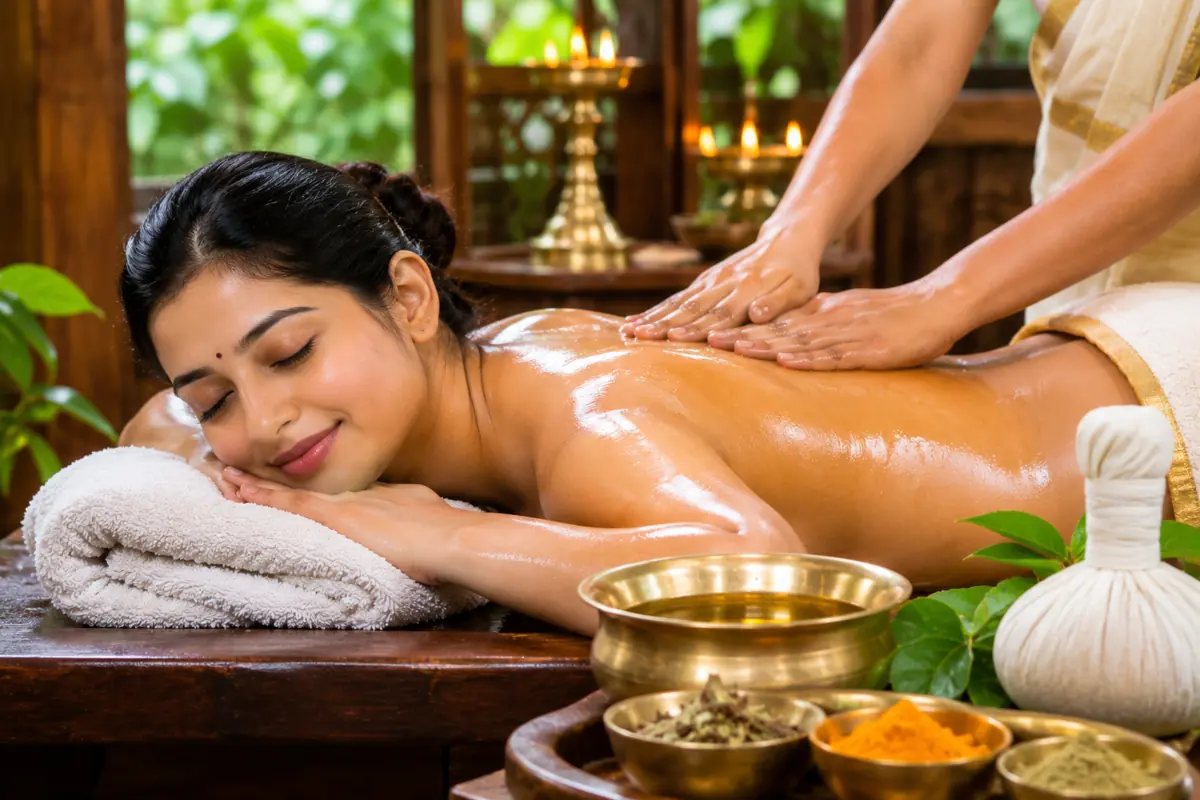
The National Institute of Ayurveda's protocol outline describes Panchakarma as a sequence: preparatory steps such as oil application, the main procedures chosen for the person, and a recovery phase with graded dietary steps after vamana, virechana and basti. The order matters, and it is part of what makes the programme feel so complete: preparation first, then the main therapies, then a gentle return to normal food.
A programme with all three stages is following the classical pattern. See Panchakarma step by step.
Why a residential stay
The main procedures are best done with observation, rest and a settled routine, which is why classical Panchakarma is usually offered as a residential programme. Ask what registration the centre holds and which staff are present at night. See residential treatment and inpatient versus outpatient.
A simple checklist for an authentic programme
- Does the centre name its procedures and the classical list it follows?
- Does the plan show preparation, main procedures and recovery, with dates?
- Is it supervised by a named physician with a recognised Ayurveda degree, as Kerala Tourism's brochure expects of approved centres?
- Is there screening, and will the physician modify procedures if needed?
- Are recovery diet and aftercare explained?
- Do medicines have ingredient lists, and how are they sourced?
See verifying a doctor.
Who it suits, and gentler alternatives
Stronger procedures are not suited to everyone, including pregnant women, frail people and people with certain conditions; see who should not undergo Panchakarma. For many guests a gentler programme is a lovely choice, and your physician will advise which suits you best.
Cost and choosing a centre
A multi-stage programme involves more care than a massage package, so compare quotes like for like and ask for itemised, dated written quotes. See Panchakarma costs and Panchakarma centres .
Travelling with confidence, and how MyVaidyam can help
- Share the plan with your own doctor and continue prescribed medicines.
- Ask how medicines are sourced and tested, and request ingredient lists.
- Look for centres that put the plan, medicines and price in writing.
- Tell the physician your full history so the programme can be adapted to you.
MyVaidyam can arrange a free online pre-consultation, then put these questions to centres and bring back written answers about procedures, sequence and supervision. Contact MyVaidyam to book your free online consultation.