This guide explains what peripheral neuropathy is, why finding the cause comes first, and how to choose a centre with confidence. Ayurveda is offered as a complementary, supportive approach alongside your own doctor's care, never a replacement for it.
Quick Facts - Ayurveda Programmes for Peripheral Neuropathy Support for International Patients in India
| Topic | Summary |
|---|---|
| What it is | Nerve damage, usually affecting hands, feet and arms (NHS) |
| Common symptoms | Numbness, tingling, burning pain, balance problems, weakness |
| Common cause (UK) | Diabetes, among other causes (NHS) |
| Key step | Diagnose the cause, including blood sugar testing |
| Evidence | NCCIH: research on Ayurveda is limited |
| Cost | Compare itemised, dated quotes |
Understanding peripheral neuropathy
The NHS describes peripheral neuropathy as damage to nerves outside the brain and spinal cord, usually in the hands, feet and arms. Symptoms include numbness and tingling, burning or shooting pain, loss of balance and coordination, and muscle weakness, especially in the feet. The NHS lists diabetes as the most common cause in the UK, with injury, viral infections such as shingles, certain medicines and heavy alcohol use among others.
Why the cause comes first
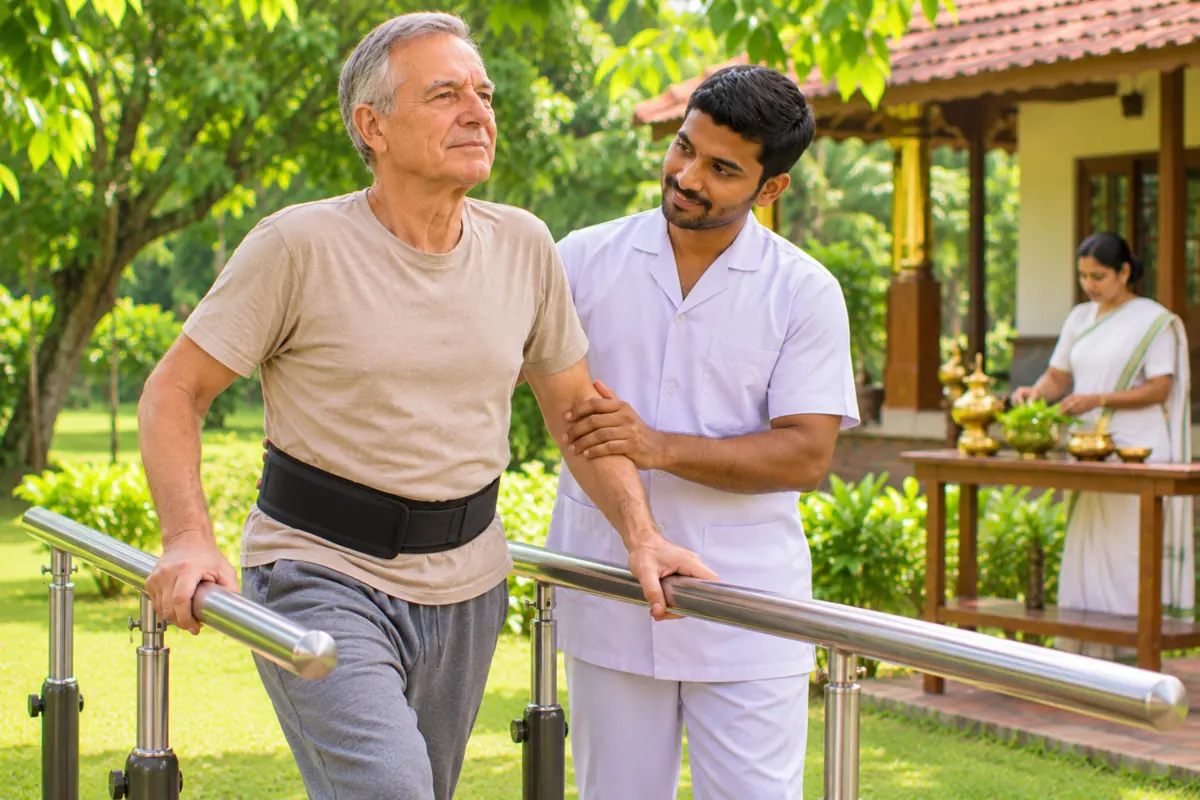
The NHS says treatment depends on the symptoms and cause. For diabetes, better blood sugar control can help, and stopping smoking and cutting down on alcohol are recommended. Nerve pain may be treated with specific nerve-pain medicines, and weakness may be helped by physiotherapy and walking aids. Some cases improve when the cause is treated.
A good programme begins with your diagnosis and works alongside your doctor.
Looking after your feet
The NHS advises seeing a doctor for tingling, loss of sensation, balance problems or a foot wound that is not healing. If sensation is reduced, hot oils, heat and massage can cause burns or skin injury that you may not feel. Tell any practitioner about reduced sensation, and check your feet daily. With these simple habits, you can enjoy your therapies safely.
What the evidence says
NCCIH says research on Ayurveda is limited and often small or poorly designed, and that some preparations have been found to contain lead, mercury or arsenic. Because heavy metals can themselves affect nerves, always ask for ingredient lists. Choose a stay for the comfort, care and routine it offers. See is Ayurveda scientifically proven?
What a programme may involve
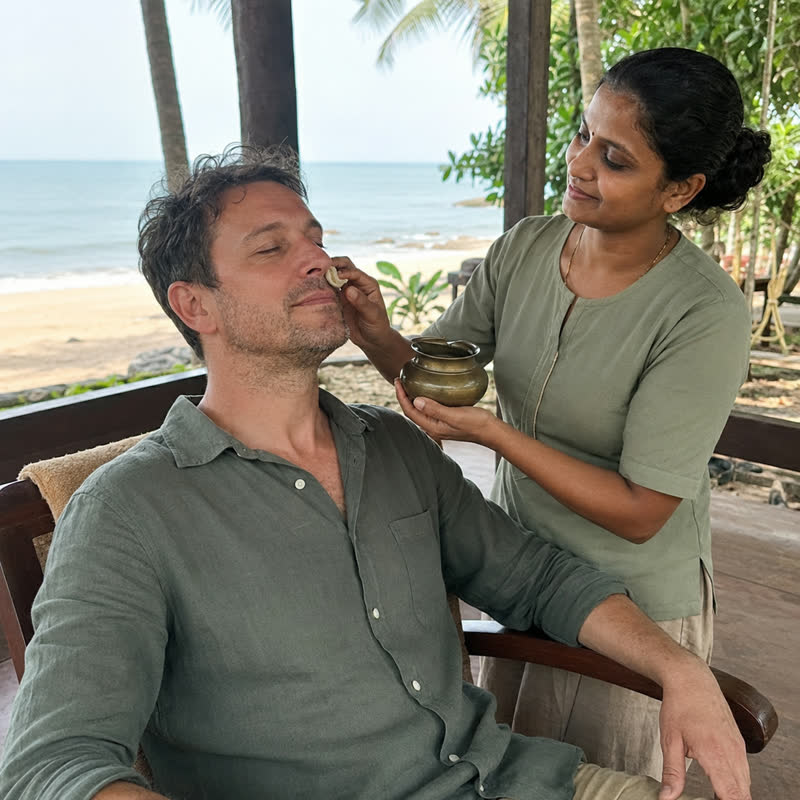
Programmes for neuropathy symptoms often combine a consultation, gentle oil-based therapies, dietary guidance, light movement and rest, and sometimes herbal medicines by mouth. These vary by physician and centre. If you have diabetes, the programme needs to account for blood sugar, medicines and foot care. See diabetes and Ayurveda.
Choosing a centre and budget
Look for named, qualified physicians, willingness to work with your doctor, ingredient lists, and foot and blood sugar monitoring. Ask for an itemised, dated quote. See the cost guide, neurological rehabilitation centres and verifying a doctor.
Travelling with confidence, and how MyVaidyam can help
- Get a diagnosis of the cause, including blood sugar testing, before you travel.
- Continue prescribed medicines, including diabetes medicines.
- Ask for mild warmth only on numb skin, and inspect your feet daily.
- Ask for ingredient lists, and avoid products with unknown contents.
- Seek prompt care for a wound that is not healing or rapidly worsening symptoms.
MyVaidyam can arrange a free online pre-consultation, have your reports reviewed by an Ayurvedic physician and help you put these questions to centres. Contact MyVaidyam to book your free online consultation.