This guide explains in plain language what functional bloating and gas may mean, why a medical check comes first, how supportive Ayurvedic care approaches digestion through food, routine, warmth and calm, what a residential programme may include, which everyday habits help and how to continue at home. And throughout, it shows how MyVaidyam can walk beside you as your friend and guide.
Ayurveda is offered here as a complementary, supportive approach that works alongside your own doctor's care, never as a replacement for it. It does not promise to cure any digestive condition.
Quick Facts - Ayurveda Support for Functional Bloating and Gas for International Patients
| Topic | Summary |
|---|---|
| What it is | Bloating, gas and fullness without a visible cause |
| First step | Assessment by your doctor |
| Ayurvedic support | Warm, light food, routine, calm, gentle therapies |
| Helpful | Regular meal times, slow eating |
| Keep | Prescribed medicines and your doctor's advice |
| Not | A promise of curing a digestive condition |
| Visa | e-Medical visa: 60 days from first arrival, triple entry, non-extendable |
| Your companion | MyVaidyam: planning, coordination and support before, during and after |
When the belly will not settle
Bloating can come after meals, build through the day or appear without any clear pattern. It may come with wind, belching, rumbling, mild cramping or a feeling of heaviness. People often worry about what it means, and the worry itself can make the gut more sensitive. Understanding that these symptoms are common, and often respond to simple changes, is the first comfort.
Common triggers and gentle responses
| Eating in a hurry | Sit down, chew well, eat slowly |
|---|---|
| Irregular meal times | Fixed times, largest meal at midday |
| Cold, raw or heavy foods | Warm, freshly cooked, lighter meals |
| Stress and rushing | Breathing before meals, calm eating |
| Late, heavy suppers | Light early supper, short walk |
The pattern of eating often matters as much as the food itself.
Assess first
Please have persistent bloating checked by your doctor, especially if it is new, getting worse, or comes with weight loss, blood in the stool, persistent vomiting, difficulty swallowing, anaemia, night-time symptoms, or a family history of bowel conditions. Ask whether any tests are advisable and whether you are fit to travel. Share the findings with the centre.
How Ayurveda looks at digestion
Ayurveda places digestion at the centre of health, and speaks of digestive fire, or agni, that may be strong, weak or irregular. Gas and bloating are associated with an irregular digestion and an excess of air-like qualities: lightness, dryness, movement. Its traditional response is regularity, warmth and nourishment, and calming a restless mind, which is closely tied to the gut.
Food that is easier to digest
- Warm, freshly cooked meals, with soups, rice, lentils and cooked vegetables.
- Fewer raw salads, cold drinks, and very heavy or fried foods.
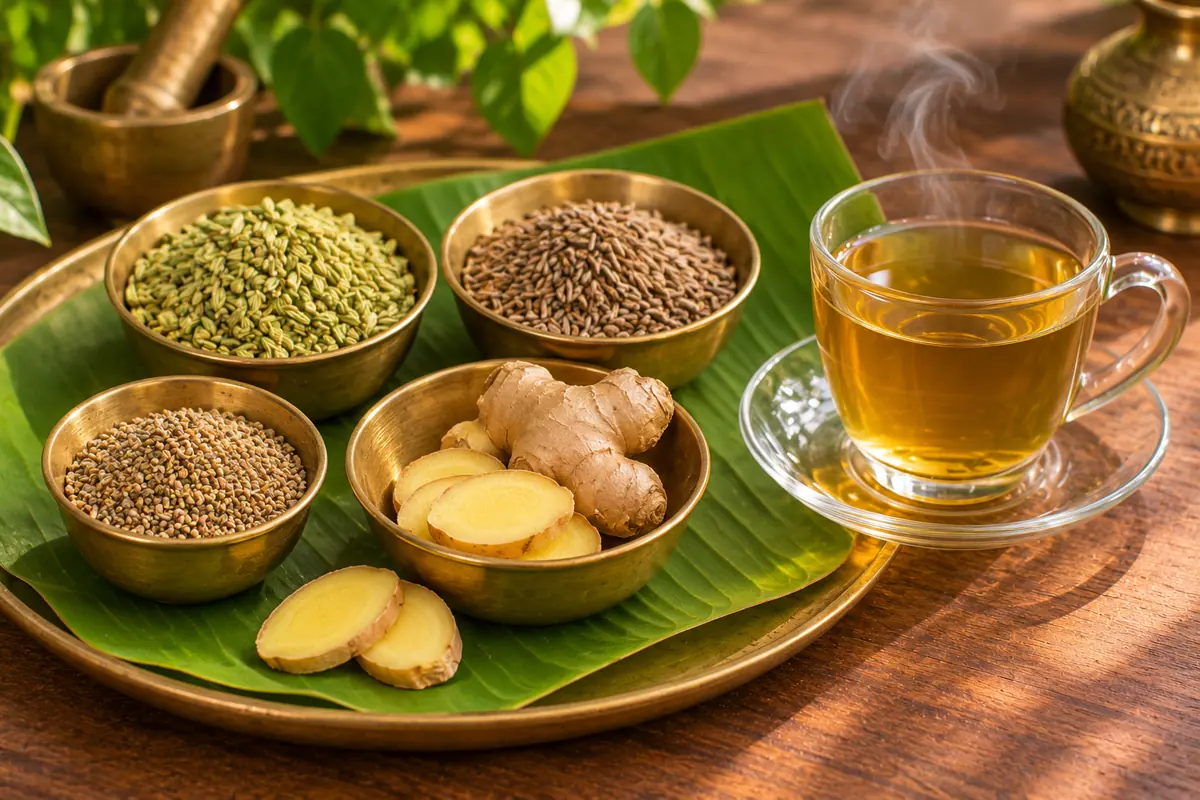
- Gentle spices such as cumin, coriander, fennel and ginger, used in cooking.
- Small, regular meals, with the largest at midday.
- Warm water through the day, sipped.
- A light, early supper.
Eating habits that matter
Sit down to eat, without screens. Chew well, and pause between mouthfuls. Eat only when hungry, and stop before feeling full. Avoid drinking large amounts during the meal. Walk for ten minutes after eating. Many people find that these habits alone reduce bloating noticeably.
Stress and the gut
The gut and the mind are in constant conversation, which is why worry so often tightens the belly. Breathing practices, gentle yoga, relaxation therapies and a calm daily rhythm are therefore part of digestive care in Ayurveda. Many guests are surprised by how much their digestion eases when they simply slow down.
Therapies that may be used
Supportive programmes may include a warm herbal oil massage of the abdomen and back, gentle warm applications to the abdomen, relaxation therapies and yoga postures that ease the belly. Your physician may suggest simple herbal preparations, chosen carefully and checked against your medicines. Strong purgative or cleansing therapies are not used for functional symptoms without careful medical thought.
A day at a residential centre
| Time | Typical activity |
|---|---|
| Early morning | Warm water, gentle breathing, light stretches |
| Morning | Warm therapy, abdominal massage if suitable |
| Late morning | Yoga for digestion, walk |
| Midday | Main meal, eaten slowly, then rest |
| Afternoon | Relaxation, quiet time |
| Evening | Light early supper, short walk, early sleep |
Keeping a food and symptom diary
A simple diary of meals, drinks, symptoms and mood helps you and your physician find patterns: perhaps a certain food, a rushed lunch or a stressful afternoon. Keep it for a couple of weeks, and review it with your doctor.
Taking it home
- Keep regular meal times, and a light supper.
- Eat warm, freshly cooked meals most days.
- Eat slowly, and walk briefly afterwards.
- Practise a few minutes of breathing daily.
- Follow up with your doctor and share the centre's summary.
Setting honest expectations
Functional symptoms tend to come and go, and no programme can promise to cure them. A residential stay can offer a calm, regular rhythm, gentle food and therapies, and habits to take home, which many guests find makes their digestion more settled and more predictable.
Working alongside your own doctors
Please keep your own doctors informed. Share your medical summary, bring your reports and keep taking whatever you have been prescribed. Please keep taking prescribed medicines, and discuss any new therapy or herbal preparation with your own doctors first. Please do not change medicines without medical advice.
Choosing a centre
Look for a qualified Ayurvedic doctor (BAMS or MD Ayurveda), registered with the appropriate board, a kitchen that cooks to your plan, trained therapists and a clear written plan. Be cautious of anyone who promises to cure digestive problems or who prescribes strong cleansing without assessing you.
Planning the journey
Apply for your e-Medical visa on India's official portal, usually with a hospital letter, a few weeks before travel. It is valid for 60 days from first arrival, allows three entries and cannot be extended. Book flights after approval, arrange travel insurance and choose an arrival time that gives you a rested first day. Check the portal for current rules before you apply.
Your friend and hand-holder in finding the right programme: MyVaidyam
A good plan starts with a good conversation, and that is where MyVaidyam comes in. We walk with you from your very first question to the day you return home, answering every question patiently and making sure that nothing is left to chance.
- An online consultation with an Ayurvedic physician to discuss your digestion and goals.
- Help preparing your health summary and test reports.
- Guidance on choosing a reputable centre with a thoughtful kitchen.
- Help understanding your written plan.
- Support with your e-Medical visa documents, flights, airport pickup and accommodation.
- A warm point of contact during your stay, and follow-up after you return home.
You are welcome to reach out at any stage. We would be delighted to help you begin.