This guide explains what NCCIH says about yoga, what a retreat can offer and the questions worth asking. Ayurveda is offered as a complementary, supportive approach alongside your own doctor's care, never a replacement for it.
Quick Facts - Ayurveda and Yoga Wellness Retreat for International Patients in India
| Topic | Summary |
|---|---|
| Possible benefits (NCCIH) | Slight benefit for low-back pain; may help neck pain, stress and sleep |
| Safety (NCCIH) | Generally safe with a qualified instructor; sprains and strains most common |
| Take extra care | Adults 65 and older, spine, joint, eye, balance or blood pressure concerns |
| Beginners | Avoid headstands, shoulder stands, lotus and forceful breathing |
| Key to results | Regular practice over months |
| Cost | Compare itemised, dated quotes |
What NCCIH says about yoga
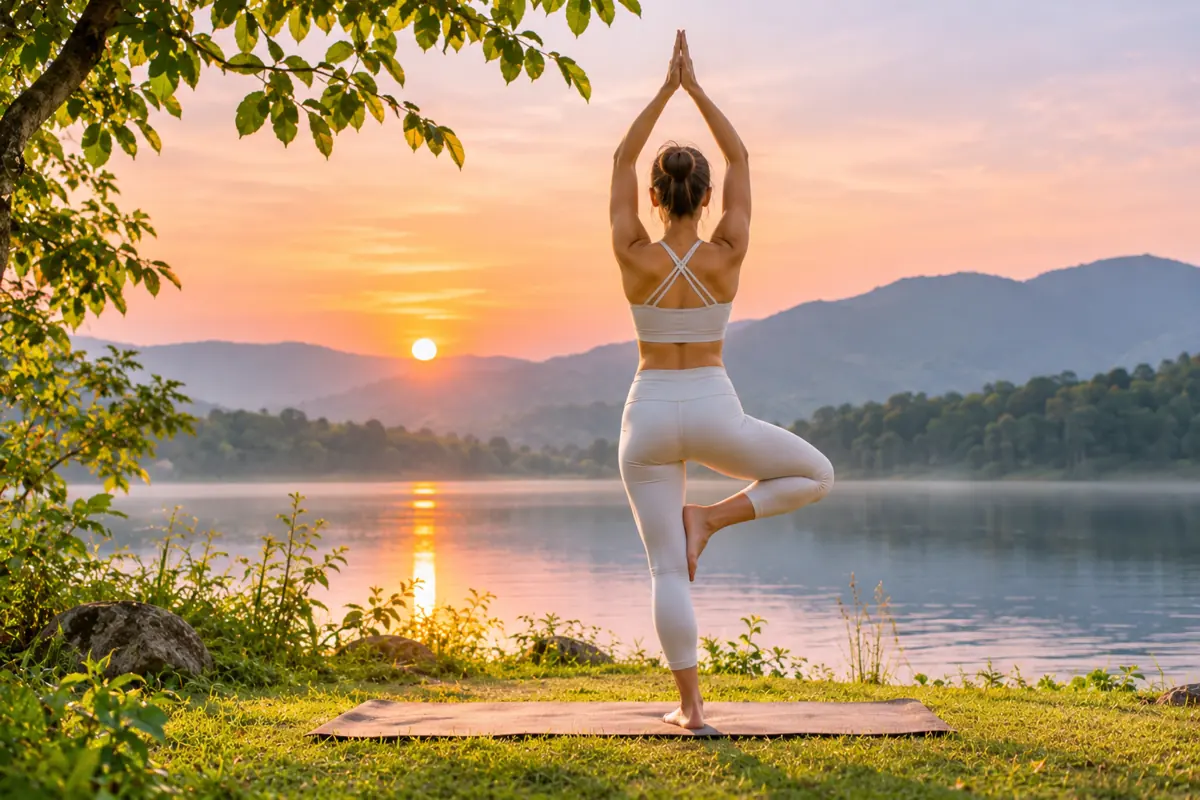
NCCIH's yoga fact sheet says yoga may give a slight benefit for low-back pain, similar to exercise and massage, and may reduce neck pain, tension headaches and knee osteoarthritis pain and stiffness. It reports benefits for perceived stress and sleep, and, for some older adults, balance. It adds that yoga-based weight-control programmes were associated with gradual, moderate weight loss, with the best results from longer-term practice.
These are encouraging reasons to start a practice, and a retreat is an ideal place to begin.
Practising safely
NCCIH says yoga is generally safe for healthy people when done properly with a qualified instructor. Sprains and strains are the most common injuries, and serious injuries are rare. Adults aged 65 and older should take extra care. Beginners should avoid headstands, shoulder stands, the lotus position and forceful breathing, and should be careful with hot yoga. A good instructor will adapt each pose to your body.
About Ayurveda alongside yoga
NCCIH says research on Ayurveda is limited and often small. The yoga evidence above applies to yoga itself, so think of the Ayurvedic therapies as a calming accompaniment. See is Ayurveda scientifically proven?
What a retreat can offer
A retreat can offer a structured start to a yoga practice with daily sessions, time to learn the basics, regular meals, sleep and rest, and gentle Ayurvedic therapies. NCCIH links benefit to regular practice over months, so ask how the retreat helps you continue at home, for example with a written routine suited to your body. See stress and rejuvenation centres .
Questions to ask about the yoga
- Who teaches, and what are their training and experience?
- How large are classes, and is there individual attention for beginners and older guests?
- Which style is taught, and is any of it hot yoga or forceful breathing?
- How are poses modified for injuries, high blood pressure or pregnancy?
- How does the retreat screen guests before they start?
- What is in the itemised, dated quote, and what are the refund terms?
Choosing a centre and budget
Look for named, qualified physicians and instructors, medical screening and a written home plan. Ask for an itemised, dated quote showing sessions, therapies, medicines, extras and refund terms. See the cost guide and verifying a doctor.
Travelling with confidence, and how MyVaidyam can help
- Tell your doctor about your plans, especially if you are over 65 or have a spine, joint, blood pressure or eye condition.
- Tell the instructor about injuries, and stop if a pose hurts.
- Begin with gentle poses rather than advanced ones or forceful breathing.
- Ask for ingredient lists for any Ayurvedic medicine, and continue prescribed medicines.
- Drink water in the heat, and avoid overheating.
MyVaidyam can arrange a free online pre-consultation to discuss your aims, then ask centres about instructors, class sizes and itemised quotes. Contact MyVaidyam to book your free online consultation.