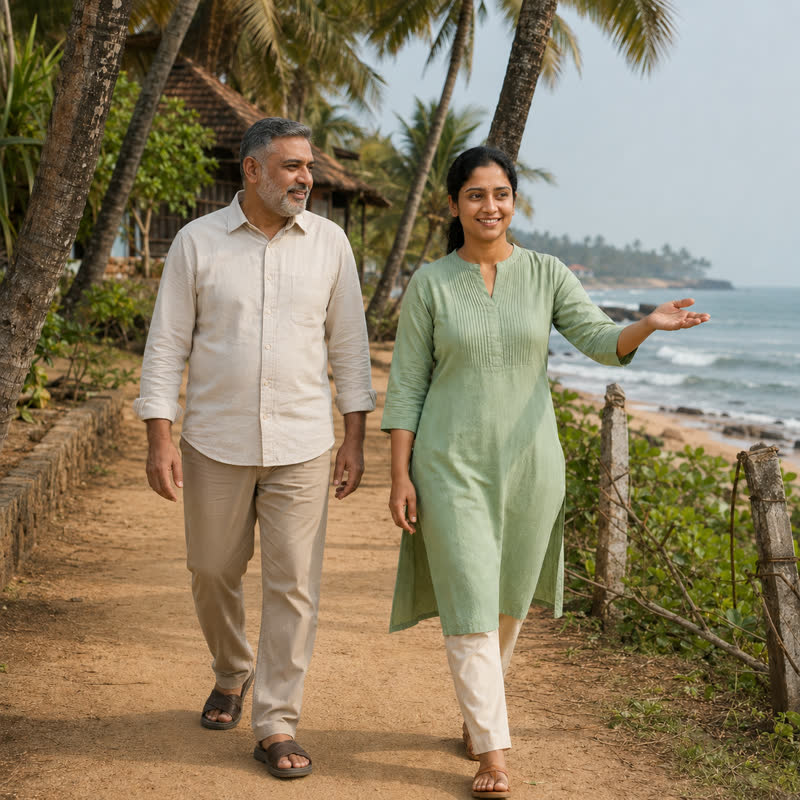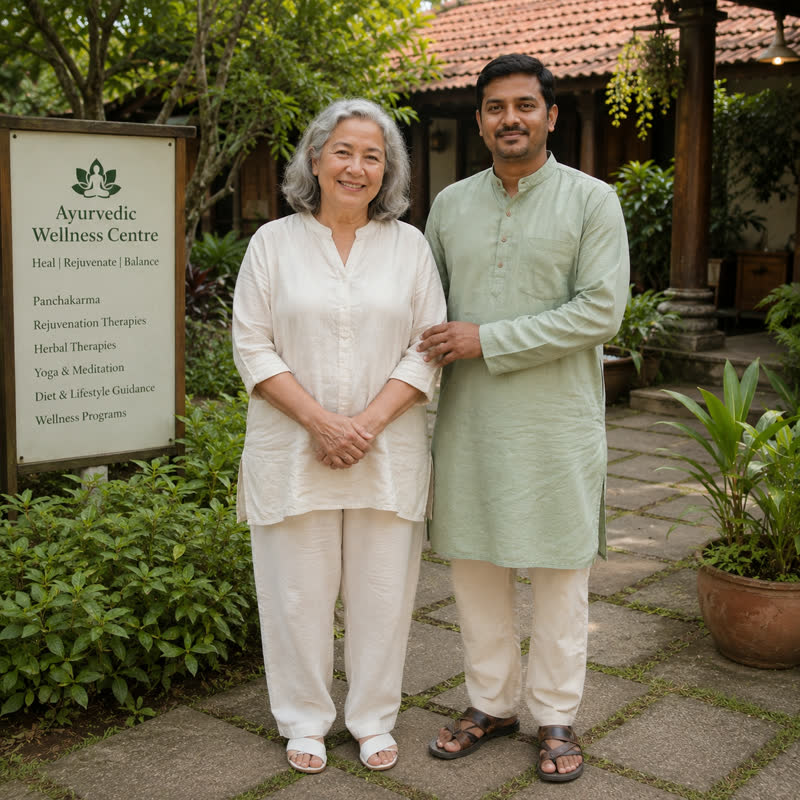
This guide walks you through ten stages: setting goals, building a shortlist, talking to a doctor, understanding the plan and quote, checking the centre, comparing options, arranging your visa, planning travel and insurance, making payments and preparing for arrival.
Quick Facts - How to Book Ayurveda Treatment in India
| Topic | Summary |
|---|---|
| Stages | Goals, shortlist, consultation, plan and quote, verification, comparison, visa, travel and insurance, payment, arrival and follow-up |
| Do first | Talk to your own doctor and get a clear diagnosis for any medical condition |
| Get in writing | The doctor's name, the treatment plan, an itemised quote and the refund terms |
| Visa | Most international guests apply for an e-Medical or Ayush visa on the official Indian government portal |
| Order matters | Settle the plan and visa before non-changeable flights or large deposits |
| Typical lead time | Several weeks from first enquiry to departure; longer if you need reports or a visa |
| First step | An online consultation before you book anything |
Stage 1: Define your goals
Start by writing down what you hope for: relief from a particular concern, better sleep, a seasonal reset or simply a restful break. Speak with your own doctor too, especially if you have a diagnosed condition, so that your plans fit with your existing care.
Stage 2: Build a shortlist
Look for centres with registered Ayurvedic doctors, recognised accreditation such as NABH or Ministry of Ayush recognition, clear information and welcoming communication. Choose two or three to speak with.
Stage 3: Have a consultation
An online consultation lets you meet the doctor and ask your questions. Share your reports beforehand and take notes. Our guides on video consultations and on medical reports explain how to prepare.
Stage 4: The treatment plan and quote
Ask for a written plan that names the doctor, describes the programme and lists what is included. Ask for an itemised quote that covers consultation, treatments, medicines, meals, room and any extras, and the terms for changes and refunds. Having it in writing helps you compare options calmly.
Stage 5: Verify the centre
- Check the doctors' qualifications and registration.
- Look for accreditation or recognition and ask to see it.
- Read detailed accounts from past international guests.
- Ask who your doctor will be throughout your stay.
Stage 6: Compare options
Compare the doctors' explanations, the clarity of the plan, the facilities, the location and the quality of communication, as well as price. The best fit is the one where you feel most understood and informed.
Stage 7: Arrange your visa
Most international guests apply for an e-Medical or Ayush visa on the official Indian government portal, using a hospital letter from the centre. Apply once your plan and dates are settled. Our complete visa guide covers the details.
Stage 8: Travel and insurance
Book flights after your visa is approved, choose an arrival airport on the e-Visa list and arrange travel insurance. Plan to arrive a day early to rest. Confirm your airport pickup with the centre.
Stage 9: Payments and deposits
It is common for centres to ask for a deposit to hold dates, with the balance paid on arrival or in stages. Ask for the amounts, the due dates and the refund terms in writing, and request itemised receipts for every payment. Pay only to the centre's registered account.
Stage 10: Arrival and follow-up
On arrival you will be welcomed, settled in and examined by your doctor. Before leaving, agree a follow-up schedule, so your care continues smoothly at home.
The order that keeps you comfortable
- Plan and quote in writing first.
- Visa approval next.
- Flights and insurance after that.
- Large payments only once the plan is settled.
Choosing your season
Kerala is warm all year. Winter is brighter and drier, while the monsoon is traditionally prized for treatment. Pick the season that suits your calendar and comfort.
Choosing your length of stay
Common programme lengths are 7, 14, 21 and 28 days. Your doctor will recommend one after reviewing your history and goals.
Questions to ask every centre
- Who will be my doctor?
- What exactly is included?
- What happens if I need to change dates?
- How do you handle emergencies?
- What follow-up do you offer?
Travelling with a companion
If a family member or friend will join you, ask about accommodation, meals and the attendant visa early in the planning.
Diet and preferences
Share dietary needs and allergies at the start so that your meals can be planned accordingly.
Preparing your home and work
Arrange cover for pets, post and work, and let colleagues know when you will be reachable. A calm departure makes for a calmer stay.
Your packing list
- Light cotton clothing and comfortable sandals.
- A light jacket for air-conditioned rooms.
- Sun protection and a hat.
- Your usual medicines in original packaging.
- Reports and documents in hand luggage.
A comfortable eight-week timeline
- Weeks 1 to 2: set goals, speak with your own doctor and shortlist centres.
- Weeks 2 to 3: online consultations, reports shared, plan and quote received.
- Weeks 3 to 4: verify and compare; choose your centre and confirm dates.
- Weeks 4 to 5: hospital letter and visa application.
- Weeks 5 to 6: visa approval, flights and insurance.
- Weeks 7 to 8: packing, pickup confirmation and a final check of documents.
Signs of a well-run centre
Good centres answer questions promptly and clearly, name the treating doctor, explain each therapy and what it is for, share written plans and itemised quotes, and welcome your own doctor's involvement. They also give you time to decide and make follow-up easy. When you notice these qualities during your enquiries, you can feel confident.
Budget planning in four parts
Think of your budget in four parts: the programme itself, flights and visa, travel insurance, and local spending including transfers and any sightseeing. Ask each centre for a written breakdown so that you can compare like with like, and keep a modest cushion for the unexpected.
Keeping your own doctor informed
Share your plan and summary with your own doctor before and after the trip.
A few words on pacing
Many guests are surprised by how much the unhurried pace helps. Treat the first few days as a time to settle in rather than to achieve anything, and let the routine of meals, rest and treatment do its quiet work.
Staying connected with home
A local SIM or an international plan makes it easy to message family and share photos. A short daily call home is often enough to keep loved ones reassured and lets you enjoy the rest of your time fully present.
Keeping a simple journal
A few lines each evening about your sleep, digestion, energy and mood help you notice changes, and they give your physician useful detail at your next review. They also make a lovely record of your stay.
Dressing for comfort
Light cotton clothing in soft colours, comfortable sandals and a thin shawl or jacket for air-conditioned rooms suit most programmes. Your centre can tell you whether treatment robes are provided.
Asking questions freely
Good care is a conversation. Ask your physician to explain each treatment, the reason for each medicine and what to expect. A caring doctor will welcome your curiosity and adjust the explanation to what is most helpful for you.
Rest is part of the treatment
Early nights, a quiet afternoon and time outdoors are not extras; they are part of the plan. Give yourself permission to rest without guilt, and let your body settle into the rhythm of the programme.
Choosing a comfortable room
When you discuss accommodation with your centre, mention any needs such as a quiet room, ground-floor access or a bathroom with a shower stool. Small details make a big difference to comfort during your stay.
Looking forward to home
Think ahead to how you will carry your routine home. Even two or three habits, such as warm morning water, a regular dinner time and a short evening walk, can keep the benefits going long after the trip.
Take your time
There is no prize for rushing. Good decisions about travel and treatment are made calmly, with the facts in front of you and your questions answered. If something feels unclear, pause and ask.
Small habits that help
Keep one folder for every document, write down your questions as they arise, and set reminders for key dates. These tiny habits turn a long to-do list into an easy routine.
Asking for things in writing
Whenever a detail matters, such as dates, inclusions or arrangements, ask for it in a short written message. It protects everyone, avoids misunderstandings and gives you a record to refer back to.
Involving your family
Share your plans with someone at home, including your itinerary and your centre's contact details. Many people find that talking the plan through with family brings both reassurance and useful questions.
Checking official sources
Rules, schedules and portals can change. A quick look at the relevant official website shortly before you act is the simplest way to keep your information current.
Trusting your instincts
If an arrangement feels rushed, vague or too good to be true, step back and ask more questions. Genuine centres welcome careful, informed guests.
Looking after yourself on the way
Stay hydrated, eat lightly, rest when you can and keep your usual medicines close. Arriving comfortably matters as much as arriving on time.
A note on expectations
Ayurveda works gently and steadily. Many guests notice improvements in sleep, digestion and energy during a stay, while deeper changes build over the weeks and months that follow at home.
How MyVaidyam can support you
MyVaidyam supports you through each of these stages so that booking feels clear and unhurried.
- An online consultation with an Ayurvedic physician.
- Help with your reports, plan and written summary.
- Guidance on selecting an accredited centre.
- Visa document support, travel advice and airport pickup coordination.
- Follow-up after you return home.
You are welcome to reach out at any stage with questions.