This guide explains what chronic urticaria is, what usual care involves and how to choose a centre with confidence. Ayurveda is offered as a complementary, supportive approach alongside your own doctor's care, never a replacement for it.
Quick Facts - Ayurveda Programmes for Chronic Urticaria (Hives) for International Patients in India
| Topic | Summary |
|---|---|
| What it is | Itchy, blotchy rash (hives), chronic if over six weeks |
| Possible triggers | Heat, cold, pressure, emotion (Leeds leaflet) |
| Usual care | Daily antihistamines; doctor may order blood tests |
| Typical course | Most people have symptoms for about six months, sometimes one to two years |
| Evidence | NCCIH: few studies on complementary approaches for skin |
| Cost | Compare itemised, dated quotes |
Understanding chronic urticaria
The Leeds Teaching Hospitals NHS Trust leaflet describes urticaria as an itchy, blotchy rash that looks like a nettle sting, sometimes with swelling of the skin, lips or around the eyes. A sudden rash lasting several days is often due to a viral infection. If it lasts more than six weeks it is called chronic urticaria. Many people with the chronic form have no obvious cause. The leaflet lists heat, cold, pressure and emotion as possible triggers.
What usual care involves
The leaflet says a doctor may order blood tests and that daily antihistamines are the main way to control the rash, with a higher dose sometimes needed. It describes the condition as long-term: most people have symptoms for about six months, though they can last one to two years. Because a leaflet is a general guide, your own doctor can advise on your care.
Where a stay can help
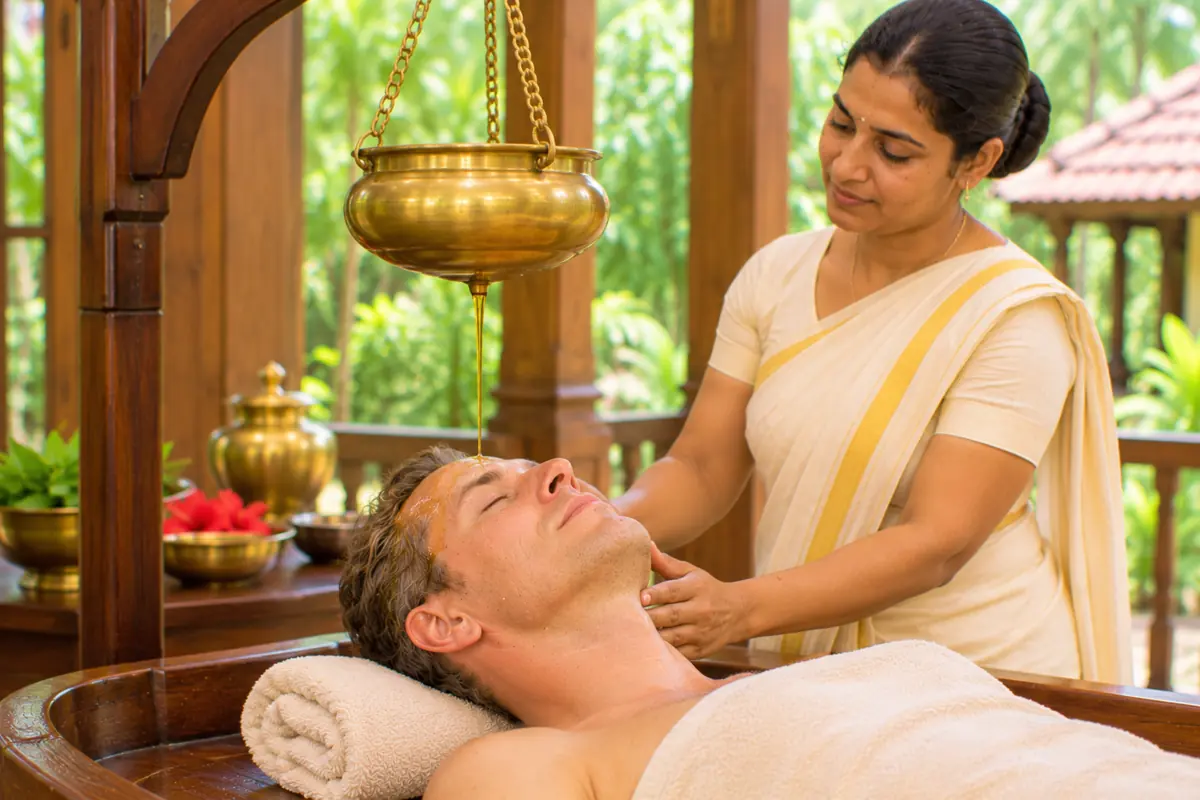
Programmes for recurrent skin complaints often combine a consultation, dietary guidance, calming routines and stress reduction, and sometimes gentle therapies. Since heat, pressure and stress can trigger hives for some people, an attentive centre will adapt: ask whether hot oils, steam or firm massage suit you, and agree what to avoid.
NCCIH says few studies exist on complementary approaches for skin conditions, so choose a stay for the calm, care and routine it offers. See is Ayurveda scientifically proven?
Choosing a centre and budget
Look for named, qualified physicians, willingness to work with your doctor, ingredient lists, and a plan for a reaction. Ask for an itemised, dated quote. See the cost guide and verifying a doctor.
Making the most of your stay
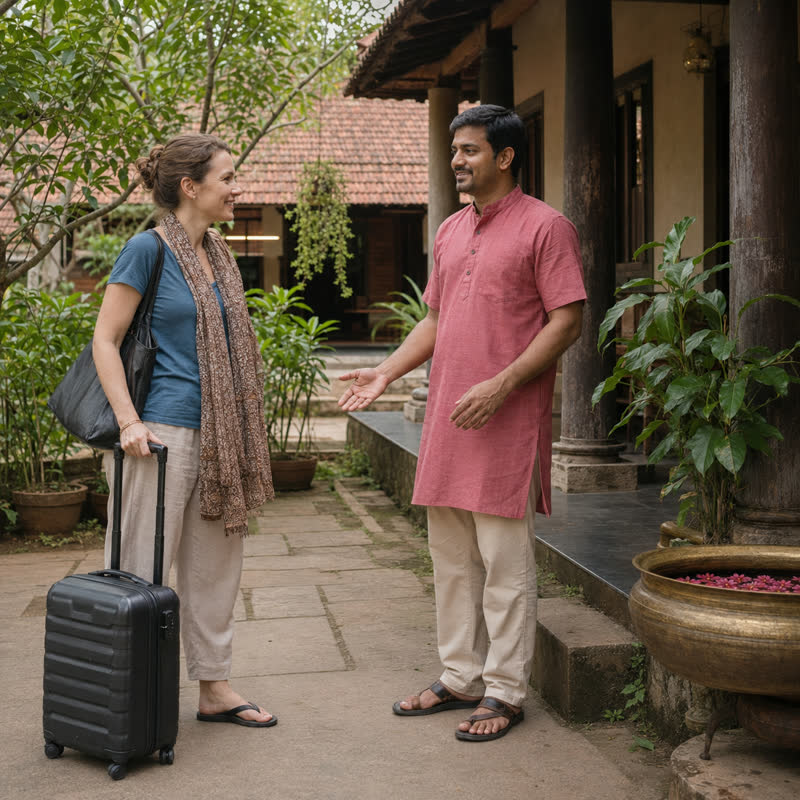
Keep a simple diary of your symptoms for a few weeks before you travel, and share it with the physician on arrival. It helps the team plan gentle, suitable therapies and a diet that works for you. Pack loose, soft cotton clothing, and ask for a quiet, comfortable room. Many guests find that unhurried days, regular meals and good rest are the most valuable parts of a stay.
Travelling with confidence, and how MyVaidyam can help
- Continue antihistamines and other prescribed medicines unless your doctor advises otherwise.
- Anyone who has had swelling of the lips, tongue or throat, or breathing difficulty, should agree an action plan with their doctor before travelling and carry any prescribed emergency medicine.
- Ask for ingredient lists, and avoid unlabelled products promising very fast clearing.
- Ask about patch testing for herbs and oils, and tell the centre your triggers.
MyVaidyam can arrange a free online pre-consultation, have your reports reviewed by an Ayurvedic physician and help you put these questions to centres. Contact MyVaidyam to book your free online consultation.