This guide, written for older adults and their families, explains in plain language what may lie behind reduced mobility, why your doctor's assessment comes first, how supportive Ayurvedic care, gentle exercise and a safe environment may help, what a residential programme for seniors may include, how to travel and how to keep the gains at home. And throughout, it shows how MyVaidyam can walk beside you as your friend and guide.
Ayurveda is offered here as a complementary, supportive approach that works alongside your own doctor's care, never as a replacement for it. It does not promise to restore mobility.
Quick Facts - Ayurveda Support for Reduced Mobility in Older Adults for International Patients
| Topic | Summary |
|---|---|
| What it covers | Slower walking, stiffness, weakness, unsteadiness, fear of falling |
| First step | Assessment by your doctor |
| Central | Gentle strengthening, balance work, safe surroundings |
| Ayurvedic support | Warm therapies, nourishing diet, routine, comfort |
| Companion | Strongly recommended |
| Not | A promise of restored mobility |
| Visa | e-Medical visa: 60 days from first arrival, triple entry, non-extendable |
| Your companion | MyVaidyam: planning, coordination and support before, during and after |
Why mobility slips
Mobility depends on many things working together: strong muscles, supple joints, steady balance, good vision, healthy feet, a steady heart and lungs, a clear mind and sometimes confidence itself. When one slips, others are affected. Arthritis, weakness, pain, medicines, past falls, illness and long spells of rest all play a part, and so does the fear of falling, which can make people move less, which in turn weakens them further.
Mobility, step by step
- 1
Safe
Clear paths, good light, rails
- 2
Supported
Aids, footwear, a helping hand
- 3
Stronger
Gentle strength and balance work
- 4
Confident
Daily walking, outings, independence
A sensible plan moves through these steps, at the person's own pace.
Assess first
Please have reduced mobility assessed by your doctor, particularly if it is sudden, one-sided, accompanied by new pain, numbness, confusion, dizziness or falls, or has changed after a medicine was started. Ask about joints, bones, heart, vision, feet and medicines, and whether you are fit to travel. Share the findings, and any physiotherapy advice, with the centre.
How Ayurveda looks at it
Ayurveda associates later life with dryness, lightness and a gradual wearing of the tissues, and its traditional response is nourishment, warmth and gentleness: warm oil massage, nourishing, easily digested food, rest, calm and regular routine. For older adults, the emphasis is on comfort and safe, steady care, with intense therapies adapted or avoided.
Gentle strengthening and balance
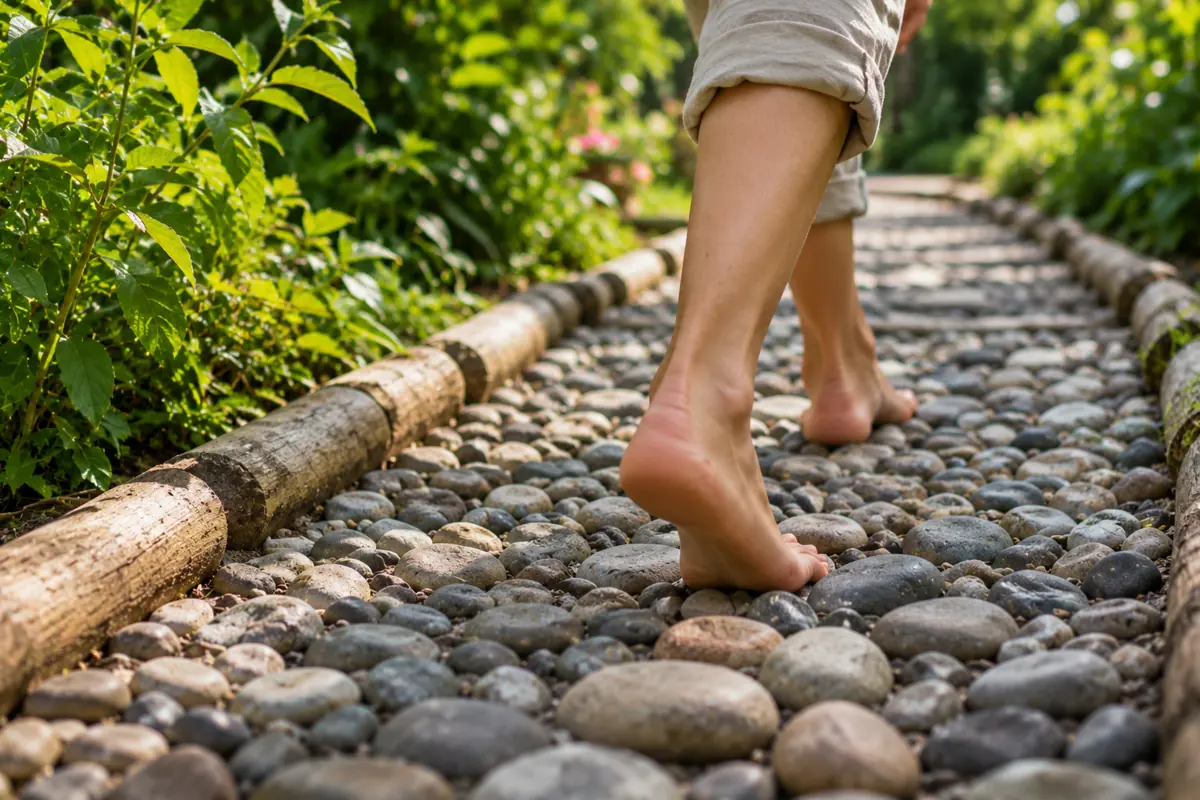
Physiotherapists can design programmes of seated and standing exercises, rising from a chair, gentle leg strengthening, supported balance work and walking practice. These improve strength and steadiness and reduce falls, and benefits are seen even in the eighties and nineties. The pace is slow, and a therapist is always close by.
Warm therapies and comfort
Warm herbal oil massage may ease stiffness and relax muscles, and many seniors enjoy it for comfort and sleep. Gentle steam is used only with care, depending on heart, blood pressure and skin. Therapists are trained to handle older guests with care, and treatments are shorter and gentler. Your physician adapts everything to your health.
Safe surroundings and falls prevention
- Good lighting, non-slip floors and rails.
- Supportive, well-fitting footwear.
- Clear paths, with no loose rugs or cables.
- A call bell, and staff close by.
- Help with stairs and bathing.
- A walking aid within reach, if used.
A day at a residential centre
| Time | Typical activity |
|---|---|
| Early morning | Warm water, gentle seated stretches |
| Morning | Gentle warm therapy |
| Late morning | Supervised strengthening, balance and walking |
| Midday | Light nourishing meal and rest |
| Afternoon | Relaxation, quiet time, short walk |
| Evening | Light supper, calm, early sleep |
Travelling with an older adult
Plan a comfortable journey: direct flights, airport assistance and wheelchair if helpful, aisle seat, regular movement, medicines in hand luggage and a rest day on arrival. A companion is strongly recommended. A medical attendant visa is typically used for the companion alongside the patient's e-Medical visa.
Taking it home
- Continue the exercises you were taught, every day.
- Keep walking, building gradually.
- Make the home safe, with rails and good lighting.
- Keep regular meals, sleep and social contact.
- Follow up with your doctor and share the centre's summary.
Setting honest expectations
Mobility can often be improved, though how much varies with the cause, and no programme can promise to restore it. A residential stay can offer supervised exercise, comfort, good food and encouragement, and a set of habits to carry home. Many older adults and their families value most the renewed confidence.
Mind, mood and company
Mobility is not only physical. Loneliness, low mood and loss of confidence can keep people at home, and activity with others, such as group walks and gentle classes, lifts both. Many older guests say that the company at a residential centre was as helpful as the exercises.
Working alongside your own doctors
Please keep your own doctors informed. Share your medical summary, bring your reports and keep taking whatever you have been prescribed. Please keep taking prescribed medicines, and discuss any new programme with your own doctors first. Please do not change medicines without medical advice.
Choosing a centre
Look for a qualified Ayurvedic doctor (BAMS or MD Ayurveda), registered with the appropriate board, a physiotherapist experienced with seniors, nursing support, accessibility, a hospital nearby and a clear written plan. Be cautious of anyone who promises to get an older adult walking quickly.
Planning the journey
Apply for your e-Medical visa on India's official portal, usually with a hospital letter, a few weeks before travel. It is valid for 60 days from first arrival, allows three entries and cannot be extended. Book flights after approval, arrange travel insurance and choose an arrival time that gives you a rested first day. Check the portal for current rules before you apply.
Your friend and hand-holder in finding the right programme: MyVaidyam
A good plan starts with a good conversation, and that is where MyVaidyam comes in. We walk with you from your very first question to the day you return home, answering every question patiently and making sure that nothing is left to chance.
- An online consultation with an Ayurvedic physician, with the family if you wish.
- Help preparing the health summary, reports and your doctor's advice.
- Guidance on choosing a reputable, accessible centre with physiotherapy.
- Help planning comfortable travel for the patient and companion.
- Support with e-Medical visa and companion visa documents, flights, airport pickup and accommodation.
- A warm point of contact during your stay, and follow-up after you return home.
You are welcome to reach out at any stage. We would be delighted to help you begin.