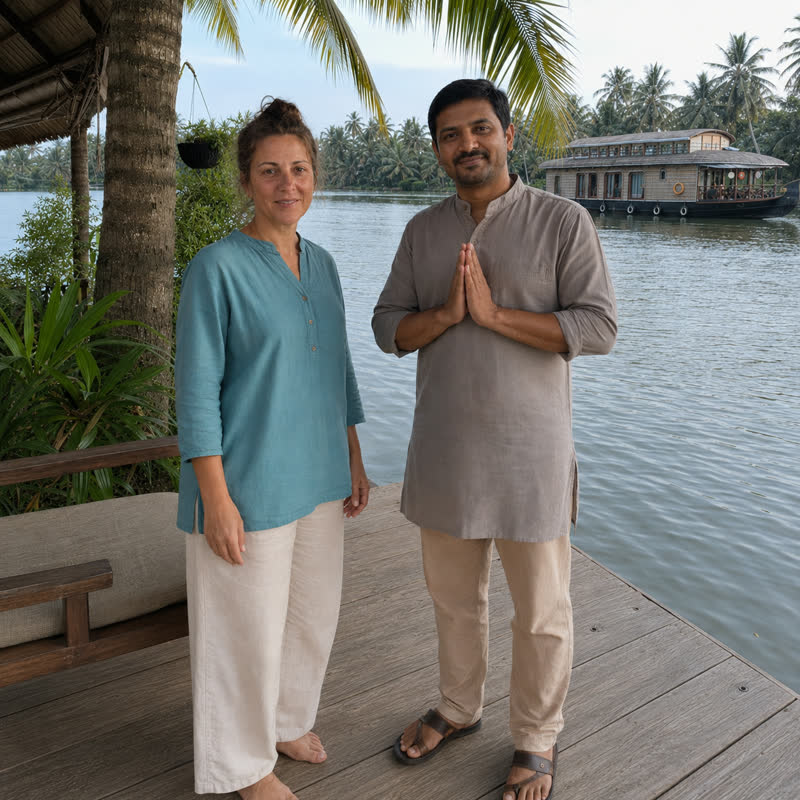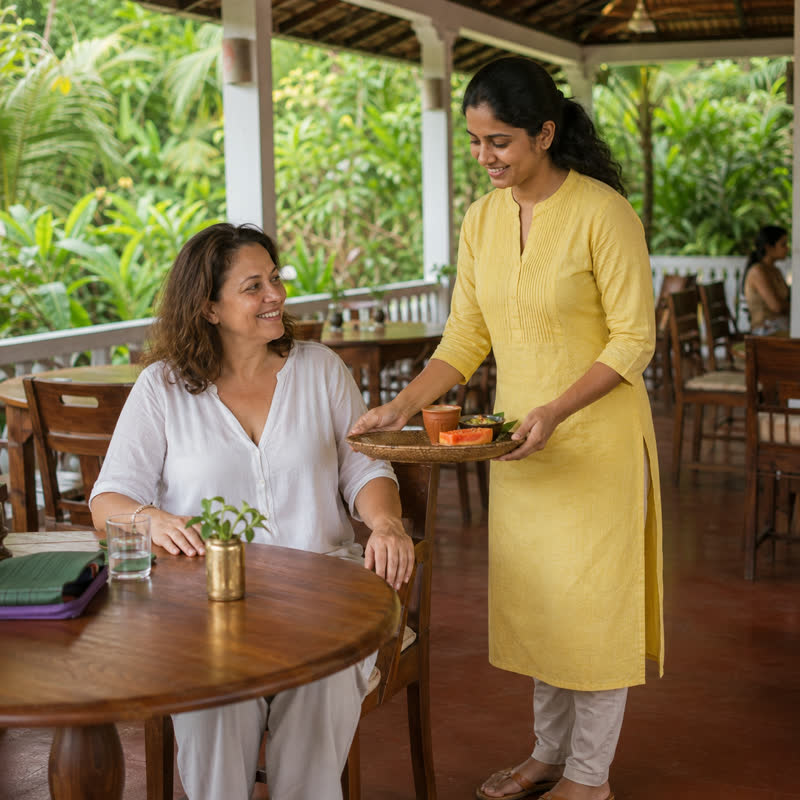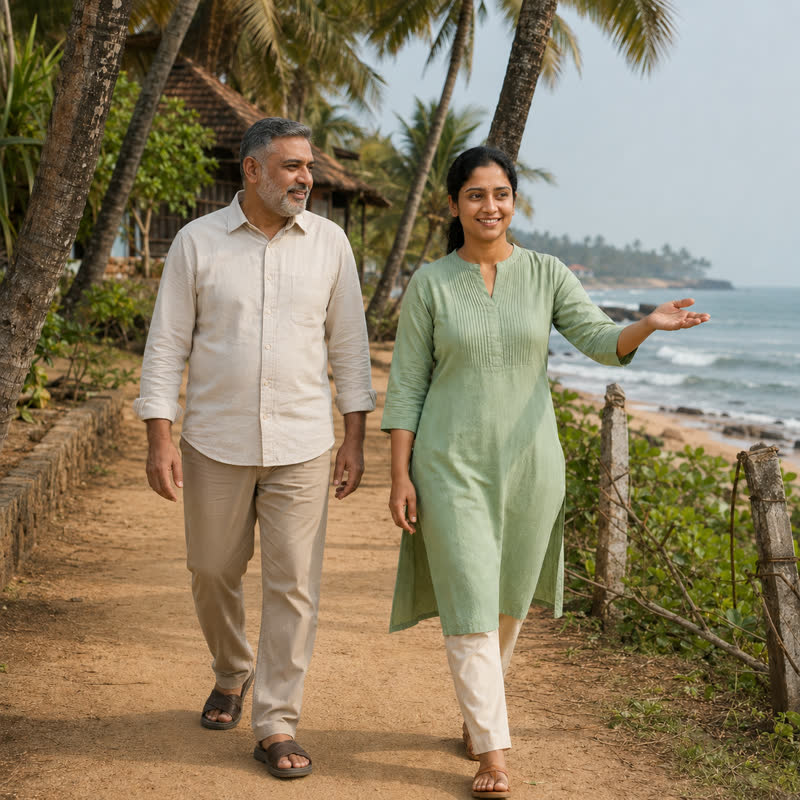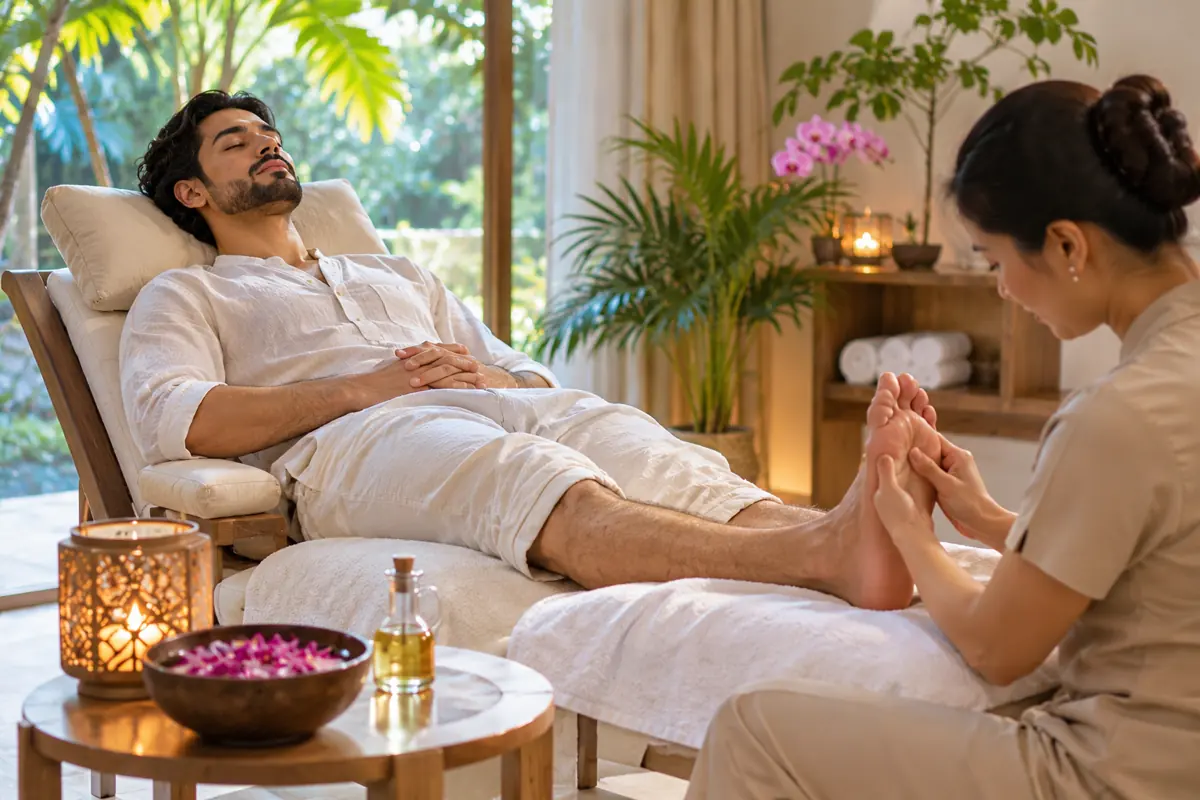
Gentle, nourishing and unhurried care is not a compromise, but the traditional approach.
This guide explains in plain language how Ayurvedic programmes are modified for guests with low strength: why the person's own doctors lead, how the physician judges strength, what changes in therapies, food, pace and monitoring, how Panchakarma can be adapted for patients with low strength, how families can help, what a residential day looks like and how to carry the care home. And throughout, it shows how MyVaidyam can walk beside you as your friend and guide.
Ayurveda is offered here as a complementary, supportive approach that works alongside your own doctor's care, never as a replacement for it. It makes no promises about outcomes.
Quick Facts - How Ayurveda Programs Are Modified for Frail or Low-Strength Patients
| Topic | Summary |
|---|---|
| Question | How programmes adapt for low strength or frailty |
| First step | Clearance from the person's own doctors |
| Key changes | Gentler therapies, nourishing food, more rest, closer checks |
| Companion | Strongly advisable |
| Guided by | The person's strength, not the standard package |
| Not | A promise of any outcome |
| Visa | e-Medical visa: 60 days from first arrival, triple entry, non-extendable |
| Your companion | MyVaidyam: planning, coordination and support before, during and after |
Strength first, therapy second
Ayurveda holds that treatment should never exceed the strength of the person receiving it. A therapy that would be pleasant for a robust person might be tiring or unwise for someone frail. For low-strength guests, building and protecting strength comes first, and every other element of the programme is arranged around that goal.
What changes for a frail or low-strength guest
Gentler therapies
Light massage, shorter sessions
Nourishing food
Soft, warm, easily digested meals
More rest
Naps, quiet time, unhurried days
Closer monitoring
Frequent checks and nursing support
Together, these changes make for a programme that feels like care and not a challenge.
Start with your doctors
Please speak first to the doctors who look after your health, including specialists for the heart, kidneys, lungs or other conditions, and ask whether travel and a residential programme are suitable. Take a clear summary of diagnoses, medicines, recent results and any recent hospital stay. Continue every prescribed medicine, and let your doctors decide on any changes.
How the physician judges strength
Ayurvedic physicians assess bala, or strength, through the person's build, appetite, digestion, energy, sleep, weight changes and ability to cope with activity, as well as through the pulse and general examination. They ask how you manage walking, stairs, meals and the day. This careful assessment decides which therapies are suitable and which are best avoided.
What a supportive programme may include
- A thorough, unhurried consultation, with your companion.
- Soft, warm, nourishing food, in small, frequent portions.
- Gentle oil massage with light pressure and short sessions.
- Rest periods, daytime naps and a slow daily rhythm.
- Gentle breathing, relaxation and very light movement.
- Regular checks of blood pressure, pulse, fluids and weight.
Can Panchakarma be adapted for low strength?
Strong cleansing procedures place real demands on the body, and in people with low strength, they are usually postponed, greatly softened or avoided altogether. Where any cleansing is considered, it follows a long preparation with oil, food and rest, uses mild methods with close monitoring, and is stopped at once if the person tires. The nourishing side of Ayurveda, known as brimhana, is often the focus instead.
Food that builds strength
Soft, warm, easily digested food such as porridges, lentil soups, vegetable stews, ghee in suitable amounts, milk-based preparations where tolerated, nuts, dates and cooked fruit are traditional. Meals are small and frequent, and appetite is respected. If you have diabetes, kidney or other dietary needs, the plan is built around your doctors' advice.
Safety and comfort
Ask about ground-floor rooms, handrails, non-slip bathrooms, seating in the treatment area, wheelchair access, call bells and night-time support. A calm room, unhurried staff and short distances make a great difference. Bring walking aids, supportive footwear, spectacles and copies of your prescriptions.
A day at a residential centre
| Time | Typical activity |
|---|---|
| Early morning | Warm water, gentle breathing |
| Morning | Gentle oil therapy, then rest |
| Late morning | Light movement or a short walk |
| Midday | Soft, nourishing main meal, then a long rest |
| Afternoon | Relaxation, quiet time |
| Evening | Light early supper, calm, early sleep |
Role of family and caregivers
A companion is of great value for a low-strength guest, helping with medicines, meals, mobility and company, and learning simple massage and food techniques to continue at home. Tell the centre about hearing, vision, memory or mobility needs. Many families say that the shared quiet days brought them closer.
Taking it home
- Keep the nourishing, warm food, in small portions.
- Keep daily rest and a gentle walk.
- Continue prescribed medicines and doctor visits.
- Practise the breathing and relaxation you learned.
- Share the centre's written summary with your doctor.
Setting honest expectations
Strength returns slowly, and no programme can promise to restore it. A residential stay can offer rest, nourishment, gentle care and supervision, and a set of habits for the family to carry home, working alongside your doctors.
Working alongside your own doctors
Please keep your own doctors informed. Share your medical summary, bring your reports and keep taking whatever you have been prescribed. Please keep taking prescribed medicines, and discuss any therapy with your own doctors before you begin. Please do not change medicines without medical advice.
Choosing a centre
Look for a qualified Ayurvedic doctor (BAMS or MD Ayurveda), registered with the appropriate board, nursing support, a nearby hospital, accessible rooms, and a clear written plan. Be cautious of anyone who offers the same intensive package to every guest, or who promises to restore strength quickly.
Planning the journey
Apply for your e-Medical visa on India's official portal, usually with a hospital letter, a few weeks before travel. It is valid for 60 days from first arrival, allows three entries and cannot be extended. Book flights after approval, arrange travel insurance and choose an arrival time that gives you a rested first day. Check the portal for current rules before you apply.
Your friend and hand-holder in making a careful, comfortable plan:
MyVaidyam
A good plan starts with a good conversation, and that is where MyVaidyam comes in. We walk with you from your very first question to the day you return home, answering every question patiently and making sure that nothing is left to chance.
- An online consultation with an Ayurvedic physician, with your companion, to discuss strength and goals.
- Help preparing your health summary and your doctors' clearance.
- Guidance on choosing a reputable centre with nursing support and accessible rooms.
- Help understanding your written plan and each proposed therapy.
- Support with your e-Medical visa documents, flights, airport pickup and accommodation, including for your companion.
- A warm point of contact during your stay, and follow-up after you return home.
You are welcome to reach out at any stage. We would be delighted to help you begin.