This guide explains in plain language how older adults and their families can think about intensive Ayurvedic therapies: why the person's own doctors lead, how physicians in Ayurveda judge strength and suitability, which therapies are usually gentle and which are more demanding, how a programme can be adapted, what the daily rhythm may look like, how family and caregivers can help and how to carry the benefits home. And throughout, it shows how MyVaidyam can walk beside you as your friend and guide.
Ayurveda is offered here as a complementary, supportive approach that works alongside your own doctor's care, never as a replacement for it. It makes no promises about outcomes, and it covers the question of customising Panchakarma for older adults as well.
Quick Facts - Can Older Adults Undergo Intensive Ayurveda Therapies?
| Topic | Summary |
|---|---|
| Question | Whether older adults can undergo intensive therapies |
| Deciding factors | Overall health, strength, medicines, hydration, digestion |
| First step | Clearance from the person's own doctors |
| Common approach | Gentle, graded, supervised programme |
| Companion | Often advisable for older travellers |
| Not | A promise of any outcome |
| Visa | e-Medical visa: 60 days from first arrival, triple entry, non-extendable |
| Your companion | MyVaidyam: planning, coordination and support before, during and after |
Age is a number, strength is the question
Two people of seventy can be very different: one walks daily and manages her own affairs, another is frail, takes many medicines and tires easily. Ayurvedic physicians look at the person, not the birth year. Their question is whether the body has the strength and reserve to take on a particular therapy comfortably, and if not, what gentler support would suit better.
Adapting intensity to the person
Gentle
Rest, light food, gentle massage, breathing
Moderate
Regular oil therapies, yoga, supervised routine
Intensive
Cleansing procedures, only if the doctors agree
Most older guests start at the gentle end, and move on only if the doctors agree.
Start with your doctors
Before any plan is made, please see your own doctors, including specialists who look after your heart, blood pressure, sugar, kidneys or other conditions. Ask whether travel is fine, and whether a residential programme is suitable. Obtain a clear summary of diagnoses, medicines and recent results. Continue every prescribed medicine, and have any changes decided only by your own doctors.
How Ayurveda judges suitability
Ayurvedic physicians assess bala, the strength of the person, as well as digestion, appetite, sleep, bowel habit, mood and the nature of any illness. Older age is described as a time of dryness and fragility, when nourishment and gentleness are valued. For that reason, traditional texts advise caution with strong, depleting procedures in the elderly and the weak, and favour mild, nourishing care.
Gentle therapies commonly used
- Warm herbal oil massage, adapted in pressure and duration.
- Gentle sweating treatments, only if suited and carefully supervised.
- Oil applied to the head and soothing relaxation therapies.
- Light, warm, nourishing, easily digested food.
- Gentle yoga, breathing and short walks.
- Meditation, rest and early sleep.
More demanding procedures
Panchakarma includes cleansing procedures such as therapeutic purgation, medicated enemas and others, which place more demand on the body and fluids. Some are considered only after careful assessment, and may be modified or avoided altogether in older adults, particularly with heart, kidney, blood pressure, diabetes or frailty concerns. A responsible centre explains clearly what is proposed and why, and welcomes questions from you and your doctors.
Customising Panchakarma for older adults
When cleansing is considered, customisation is everything. It may mean longer preparation with oil and diet, shorter or milder sessions, close monitoring of fluids, blood pressure and energy, rest days between procedures and an easy exit if the person feels unwell. A programme designed for a fit forty-year-old is not simply shortened for a seventy-five-year-old; it is redesigned.
Medicines, fluids and monitoring
Older adults often take several medicines, and some interact with herbs or are sensitive to dehydration. Provide the physician with the full list, including supplements. Good centres check blood pressure and pulse regularly, watch fluids and bowel function, and keep an open line to a nearby hospital. Do not stop or change any prescribed medicine yourself.
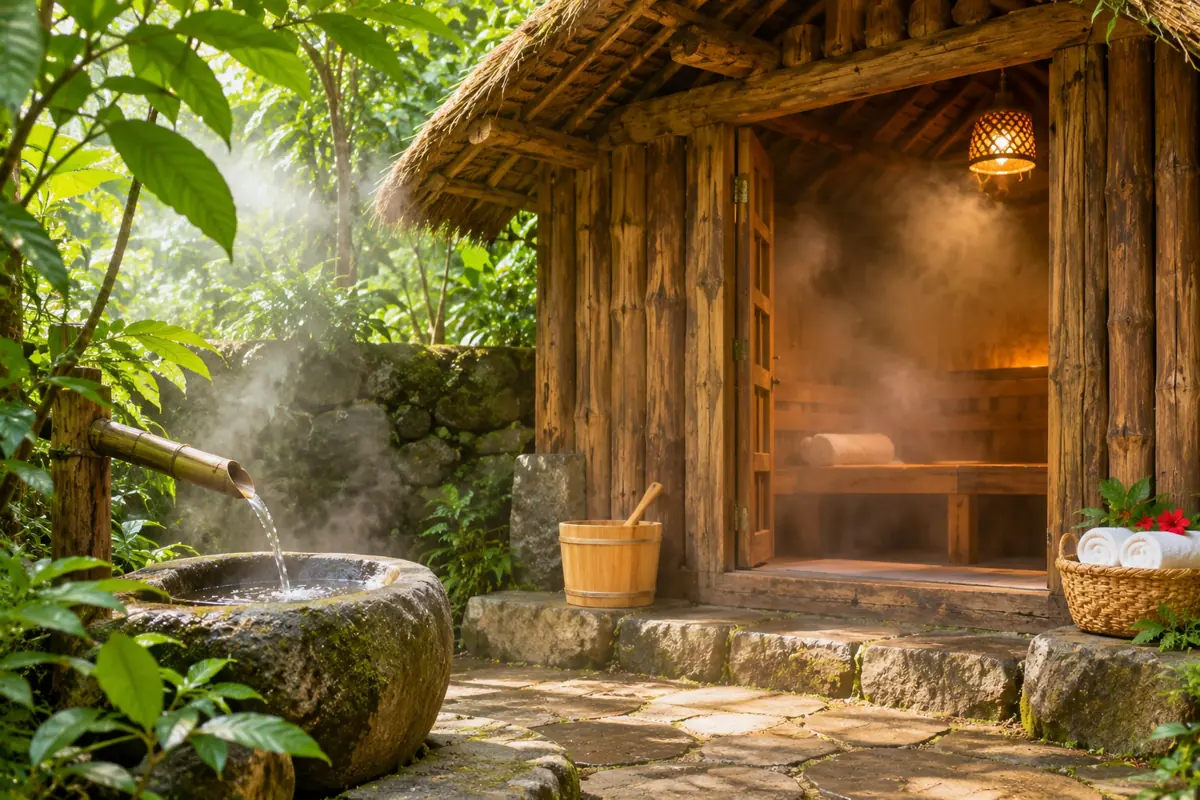
A day at a residential centre
| Time | Typical activity |
|---|---|
| Early morning | Warm water, gentle breathing, light stretches |
| Morning | Gentle oil therapy, rest afterwards |
| Late morning | Gentle yoga or a short walk |
| Midday | Light, warm, nourishing main meal, then rest |
| Afternoon | Relaxation, quiet time, optional meditation |
| Evening | Light early supper, calm, early sleep |
Role of family and caregivers
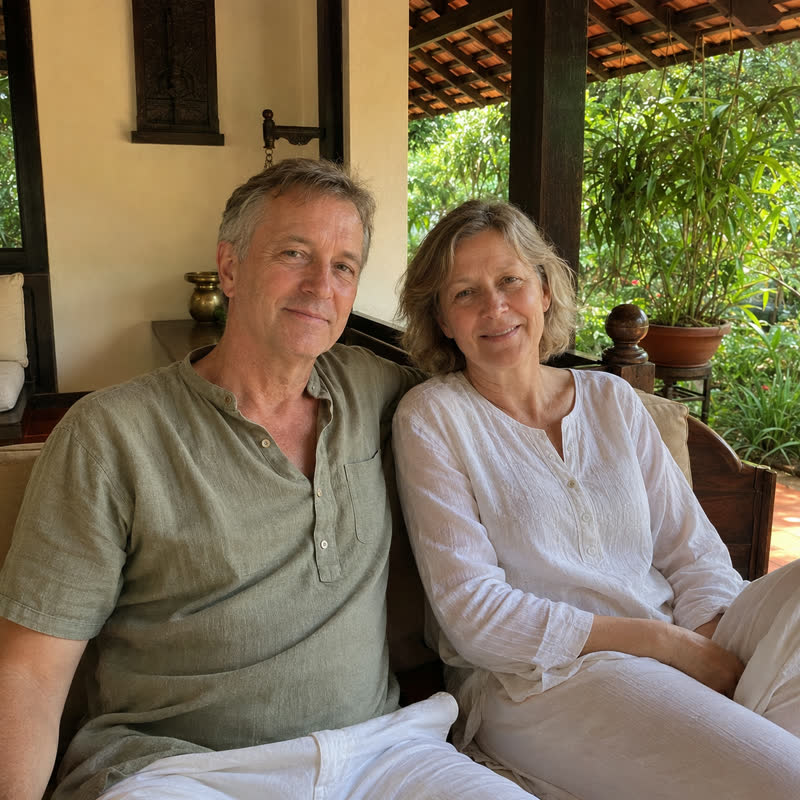
Travelling with a companion is often wise for older guests, giving practical help, company and reassurance. A companion can help with documents, medicines, meals and mobility, and can learn simple massage and food techniques to continue at home. Tell the centre about hearing, vision, mobility or memory needs so that they can adjust the programme and the room.
Comfort, mobility and safety
Ask about ground-floor rooms, handrails, non-slip bathrooms, seating, wheelchair access and the distance between the room, the treatment area and the dining hall. A calm environment and unhurried schedule make a great difference. Pack comfortable clothing, supportive footwear, any walking aids, spectacles and a copy of your prescriptions.
Taking it home
- Keep the gentle routine: warm food, daily walk, regular sleep.
- Continue prescribed medicines, and keep up your regular doctor visits.
- Practise the breathing and relaxation you learned.
- Ask the centre for a written summary, and share it with your doctor.
- Consider a companion who learned the massage or food techniques.
Setting honest expectations
Older adults often value rest, nourishment, gentle touch and a calm routine, and many feel pleasantly refreshed. No programme can promise to reverse ageing or treat any condition. A residential stay offers time, supervision and care, and a set of habits to carry home, working alongside your doctors.
Preparing for the journey
A long flight is itself a demand on an older body. Plan a rest day on arrival, keep to regular meals and fluids, move around on the flight, and carry medicines in hand luggage with copies of the prescriptions. Ask your doctor about travel advice, such as for circulation and blood pressure, and arrive with a few days in hand before the programme begins.
Rest is part of the treatment
Older guests often benefit as much from unhurried rest as from the therapies themselves. Afternoon naps, quiet gardens, easy conversation and early nights are all part of the programme.
Questions to ask before you book
- Who will assess me, and how often will I be reviewed?
- Which therapies are proposed, and which will be avoided for me?
- How are blood pressure, sugar and fluids monitored?
- What is the plan if I feel unwell, and where is the nearest hospital?
- Can my own doctor speak with the centre's physician?
Working alongside your own doctors
Please keep your own doctors informed. Share your medical summary, bring your reports and keep taking whatever you have been prescribed. Please keep taking prescribed medicines, and discuss any intensive therapy with your own doctors before you begin. Please do not change medicines without medical advice.
Choosing a centre
Look for a qualified Ayurvedic doctor (BAMS or MD Ayurveda), registered with the appropriate board, experience with older guests, nursing support, a nearby hospital, accessible rooms and a clear written plan. Be cautious of anyone who offers the same intensive package to every guest, or who promises to reverse ageing or cure chronic conditions.
Planning the journey
Apply for your e-Medical visa on India's official portal, usually with a hospital letter, a few weeks before travel. It is valid for 60 days from first arrival, allows three entries and cannot be extended. Book flights after approval, arrange travel insurance and choose an arrival time that gives you a rested first day. Check the portal for current rules before you apply.
Your friend and hand-holder in making a careful, comfortable plan:
MyVaidyam
A good plan starts with a good conversation, and that is where MyVaidyam comes in. We walk with you from your very first question to the day you return home, answering every question patiently and making sure that nothing is left to chance.
- An online consultation with an Ayurvedic physician, with your companion, to discuss health and goals.
- Help preparing your health summary and your doctors' clearance.
- Guidance on choosing a reputable centre experienced with older guests and accessible rooms.
- Help understanding your written plan and each proposed therapy.
- Support with your e-Medical visa documents, flights, airport pickup and accommodation, including for your companion.
- A warm point of contact during your stay, and follow-up after you return home.
You are welcome to reach out at any stage. We would be delighted to help you begin.