This guide explains the Ayurvedic view, what a stay typically includes and how to plan with confidence. Ayurveda is offered as a complementary, supportive approach alongside your own doctor's care, never a replacement for it.
Quick Facts - What to Expect During Panchakarma
| Topic | Summary |
|---|---|
| Commonly described | Tiredness, drowsiness, loose stools, mild nausea, body aches, appetite changes, emotional release |
| Tell the doctor promptly | Persistent vomiting or diarrhoea, fainting, chest pain, breathlessness, bleeding, severe pain, fever or an allergic reaction |
| More attention | Older adults, people with heart, kidney, liver or diabetic conditions, and those on certain medicines |
| Good habit | Report every symptom, medicine and change, early |
| Emergency | India's national emergency number is 112 |
| Evidence | Safety information is limited; this page is general |
Understanding the body's response to rest and routine
When daily routines change, the body notices. Earlier nights, simpler meals, oil massage and the absence of caffeine and alcohol can cause a few days of adjustment, much as they might on any retreat. A good centre explains this in advance.
What Panchakarma involves, in brief
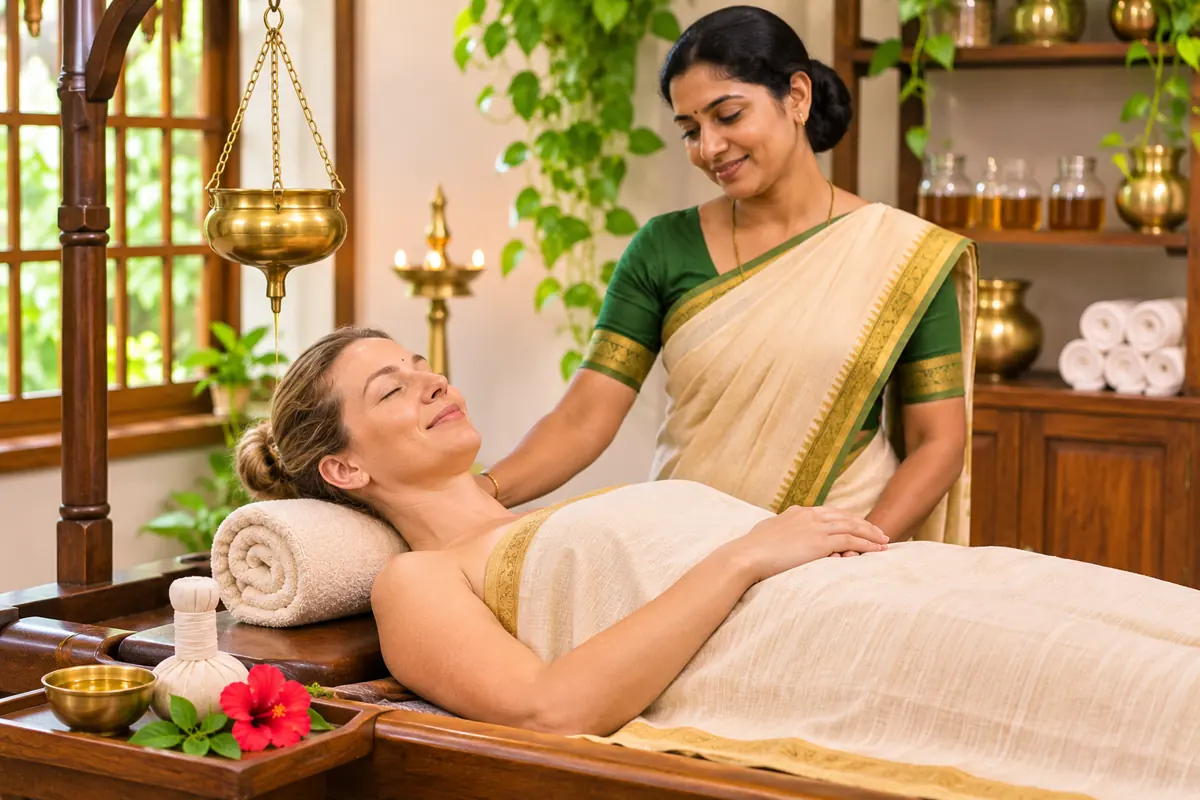
Panchakarma combines oil massage, steam, simple meals and, for some guests, specific procedures. Because it works gently on digestion, hydration and rest, you may notice changes in energy, appetite and sleep. These are discussed daily with the doctor.
Effects commonly described
- Tiredness or drowsiness, especially after therapies.
- Loose stools after some preparations.
- Mild nausea or a change in appetite.
- Body aches that ease with rest.
- Emotional release, such as tearfulness or a sense of lightness.
When to tell the doctor straight away
Speak up promptly about persistent vomiting or diarrhoea, fainting, chest pain, breathlessness, bleeding, severe pain, fever or an allergic reaction. Reporting early is simply good practice, and a good centre responds quickly. In an emergency, call 112, India's national emergency number.
Who benefits from extra attention
Older adults, people with heart, kidney, liver or diabetic conditions, pregnant guests and those on certain medicines receive extra monitoring and tailored plans. Share these details early so that your programme is designed around them.
Hydration, salt balance and blood sugar
Drink warm water as advised, follow the meal plan and let the team know if you feel dizzy, thirsty or unusually weak. If you have diabetes, keep checking your blood sugar and share the readings.
Skin and oils
Tell the therapist about skin sensitivities, and ask for a patch test of new oils. Mild warmth or redness usually settles, and the therapist adjusts oils and temperature to suit you.
What a responsible centre does
A responsible centre checks you daily, explains each therapy, records your symptoms, adjusts the plan, has a doctor or nurse available and knows where the nearest hospital is. Ask about these at booking.
Emotional and mental effects
Some guests feel tearful, reflective or unusually calm during a stay. This is a common response to rest and attention, and the team is glad to talk. Keep a journal, take quiet walks and speak to the doctor whenever you wish.
Medicines, herbs and interactions
Tell the doctor about everything you take, because medicines and herbs can interact. Never stop prescribed medicines on your own, and report any change in how you feel after a new medicine is added.
After you return home
Return to normal food and routine gradually, keep up gentle movement and rest, and share the discharge summary with your own doctor. Some tiredness for a few days is common, and your doctor can advise on anything lingering.
Common misunderstandings
Normal does not mean every symptom should be ignored. Feeling unwell is not proof that a treatment is working, and a quick word with the doctor is always better than waiting.
Keeping a simple diary
A small notebook is one of the most useful things to bring. Each evening, jot down how you feel, your sleep, your energy and anything you would like to ask. After a week or two the pattern often becomes clear, and you and the physician can fine-tune the plan. A few notes each evening help both your doctors. The same notes give your own doctor a helpful picture when you return.
Travelling comfortably
A little planning makes the journey smoother. Book an aisle seat so you can stand and stretch, keep your medicines and reports in your hand luggage, and choose a flight that arrives at a comfortable hour. Carry your medicines and a doctor's letter in your hand luggage, and keep your documents together. Ask the centre to arrange the transfer and a restful first day. Our guide to the attendant visa explains how a family member can travel with you.
Conversations to have before you travel
A short chat with your own doctor makes the stay smoother. Many guests ask:
- Are my medicines and plans up to date for the trip?
- How should I continue in the weeks after I return?
- Is there anything you would like the Ayurveda team to know?
- When would you like to see me after I return?
Sharing the answers with the Ayurveda physician helps the two teams work in step, and leaves you feeling confident and well supported.
Travelling with family or a companion
Many guests travel with a spouse, a friend or an adult child, and a companion can make the whole experience easier. Ask each centre whether companions can share your room or stay nearby, whether they can join meals, yoga and walks, and whether there is a pleasant place for them to relax while you have therapies. A companion can help with logistics, share the quiet days and keep your family informed. Our guide to the attendant visa explains the paperwork.
After you return
Many guests keep up a simple diet, an earlier bedtime and gentle daily movement for several weeks, and review their health with their own doctor. Ask the centre for a written summary of your programme, your diet and your exercises, and share it with your own doctor at your next visit. A follow-up video call with the physician a few weeks later is a good way to review how you are feeling. Our guide to continuing Ayurveda at home explains how to keep the benefits going.
Common questions
Do I keep my medicines? Yes, unless your own doctor advises otherwise. Can I ask for a written plan? Yes, and you should. Can a companion join me? Many centres allow it. How long should I stay? Your physician advises after a consultation.
Choosing a centre
Rather than looking for a ranking, compare what matters to you: a qualified Ayurveda physician, a clear assessment, a written day-by-day plan, hygiene standards, accessible rooms and good access to a hospital. Ask each centre the same questions:
- Who will be my physician, and what are their qualifications?
- Which parts of my plan have I discussed with my own doctor?
- How will you coordinate with my home doctor?
- How are herbal medicines sourced, and can I see the ingredient list?
- What does the quote include, and what is extra?
Sleep and energy
Sleep often deepens during a stay, and tiredness in the early days usually gives way to steadier energy. Keep your evenings quiet, drink warm water and nap if you need to. Share any sleep difficulty with the doctor, who can adapt the evening routine.
Listening to your body
You know your body best. If something feels unfamiliar, say so, and trust the team to respond. Good centres treat early reports as a courtesy and use them to refine your plan.
Gentle ways to feel your best
Warm water, regular meals, rest after therapies, light clothing and a short walk each day help most guests feel their best. If something is bothering you, a simple word with the nurse or doctor is the quickest fix, and small adjustments often make a big difference.
Questions to ask your doctor at the first review
Ask what effects are likely with your programme, how you should tell the team, what to do between reviews and how your medicines will be handled. Writing the answers in your notebook gives you a reference for the whole stay.
A calm approach
Most guests move through the programme with only mild effects and good support. Staying hydrated, resting, eating as advised and speaking up early keep things smooth.
Preparing for your stay
Bring your medicines, keep a simple symptom diary and tell the team early about anything unusual. Never stop a prescribed medicine on your own.
Planning your budget
Cost depends on room, length, therapies, physician time and medicines. Ask each centre for an itemised, dated quote for the same dates and inclusions, and add visa, flights, insurance and transfers. See the cost guide and verifying a doctor.
Travelling with confidence, and how MyVaidyam can help
- Share your reports and current medicines with the Ayurveda physician before you travel.
- Continue your prescribed medicines, and let your own doctor know your plans.
- Ask for ingredient lists for any herbal medicine, and choose labelled preparations.
- Plan rest after the flight so you can begin your stay comfortably.
- Report every symptom early, and never ignore something because it is called normal.
MyVaidyam can arrange a free online pre-consultation, have your reports reviewed by an Ayurvedic physician and request day-by-day plans and itemised quotes from centres so you can compare them calmly. Contact MyVaidyam to book your free online consultation.