This stage, after the bone has united but before full function has returned, is where steady rehabilitation matters most.
This guide explains how mobility and strength return after a fracture has healed, why your surgeon and physiotherapist lead this stage, how supportive Ayurvedic care may sit alongside, what a gentle programme can include, how to build up safely and how to plan travel. And throughout, it shows how MyVaidyam can walk beside you as your friend and guide.
Ayurveda is offered here as a complementary, supportive approach that works alongside your own doctor's care, never as a replacement for it. Your surgeon and physiotherapist lead your recovery.
Quick Facts - Ayurveda Support After Fracture Healing for International Patients
| Topic | Summary |
|---|---|
| Typical issues | Joint stiffness, muscle weakness, swelling, low confidence |
| First step | Confirmation of healing by your surgeon |
| Central | Physiotherapy: movement and strength |
| Ayurvedic support | Warm therapies, nourishing diet, routine |
| Typical length | Two to four weeks |
| Not | A promise of faster healing or full recovery |
| Visa | e-Medical visa: 60 days from first arrival, triple entry, non-extendable |
| Your companion | MyVaidyam: planning, coordination and support before, during and after |
Why stiffness and weakness follow a fracture
While a bone heals, the limb is protected and moves little. Muscles lose bulk, nearby joints stiffen, swelling lingers and the brain becomes cautious about using the limb. None of this is unusual. With graded, regular activity, most people regain much of their movement and strength over weeks to months, and the timing depends on the bone involved, the injury and the person.
After the bone has healed
Healed bone
Confirmed by your surgeon
Regain movement
Gentle range of motion
Rebuild strength
Graded exercises
Restore function
Walking, lifting, daily tasks
Return to life
Work, hobbies, confidence
Each step builds on the last, and your physiotherapist sets the pace.
Confirm healing and limits first
Before planning a stay, ask your surgeon whether the bone has healed and what limits remain: how much weight you may bear, which movements to avoid and whether any hardware or brace is still in place. Ask about travel and about signs to watch for, such as increasing pain, swelling or warmth. Share these answers, and your scans if possible, with the centre.
Physiotherapy: the heart of the programme
A physiotherapist can assess your range of movement, strength and walking, and set a graded plan: gentle mobility exercises, progressive strengthening, balance work and a return to everyday activities. Progress is measured, and exercises are increased only as you are ready. In a residential programme, daily supervised practice makes it easier to keep going.
How Ayurveda may support
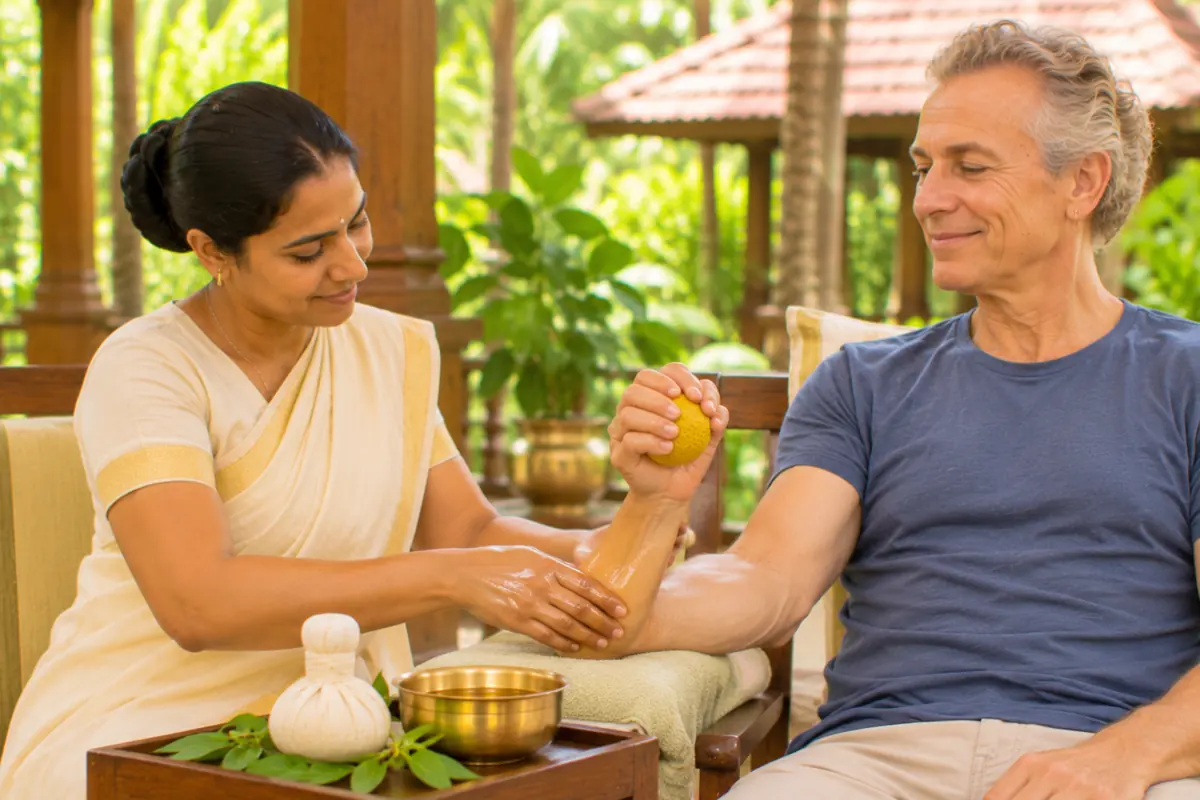
Ayurveda traditionally speaks of nourishing and strengthening the body after injury, with attention to digestion, food, sleep and calm. A physician may offer warm herbal oil massage to the limb, once your surgeon agrees, gentle steam, a warm, nourishing diet and a calm daily rhythm. These are traditionally described as soothing, and relaxed tissues often move more easily. Supportive care sits alongside physiotherapy, never in place of it.
Warmth before movement
Many guests find a simple rhythm helpful: warmth first, then movement. A warm therapy relaxes stiff tissue, and the physiotherapist then works on movement while the limb is supple. Ask how the two are timed at the centre, so that you are relaxed, not tired, when you begin to practise.
Food that supports the bones and muscles
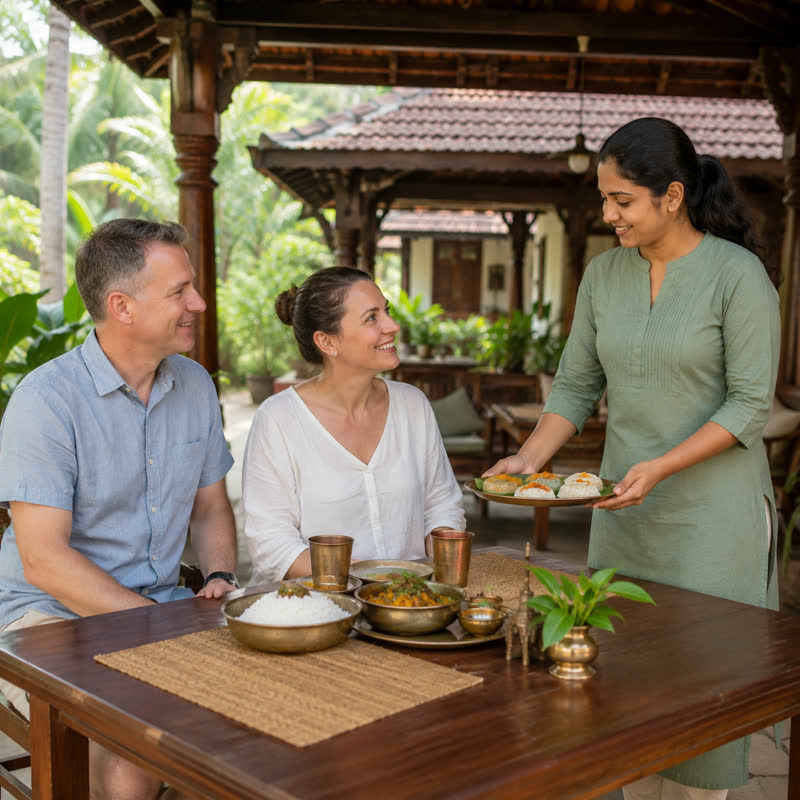
Healing and rebuilding need good nutrition. Meals at a residential centre are usually vegetarian, warm and freshly cooked, with lentils, grains, vegetables and dairy as suited to you. Your doctor may advise on calcium, vitamin D or protein, and you should follow that advice. Do not start new supplements without discussing them with your doctors.
Safety and scar care
Do not allow forceful stretching, manipulation or strong pressure over the healed area by anyone other than your physiotherapist. If you have a surgical scar, hardware or a recent wound, follow your surgeon's advice about oils and massage. Report increasing pain, swelling, warmth, redness or a sense of instability promptly.
A day at a residential centre
| Time | Typical activity |
|---|---|
| Early morning | Warm water, gentle mobility |
| Morning | Warm therapy for the limb and body |
| Late morning | Physiotherapy: movement and strength |
| Midday | Nourishing meal and rest |
| Afternoon | Walk or light activity |
| Evening | Light supper, calm, early sleep |
Taking it home
- Continue your exercises daily, increasing gradually.
- Walk regularly, on safe ground.
- Eat regular, nourishing meals.
- Keep a calm routine and sleep well.
- Follow up with your surgeon and share the centre's summary.
Setting honest expectations
Recovery after a fracture varies, and no programme can promise full return of movement or to speed healing. A residential stay can offer structure, practice, comfort and encouragement, and a thoughtful physician will say plainly what to expect.
Planning around your visa
The e-Medical visa is valid for 60 days from first arrival, with triple entry and no extension. Plan dates with your surgeon and the centre, and leave a few spare days at the end for rest before your flight home.
Working alongside your own doctors
Please keep your own doctors informed. Share your medical summary, bring your reports and keep taking whatever you have been prescribed. Please follow your surgeon's instructions throughout, and tell them about every Ayurvedic therapy and product you plan to use. Please do not change medicines without medical advice.
Choosing a centre
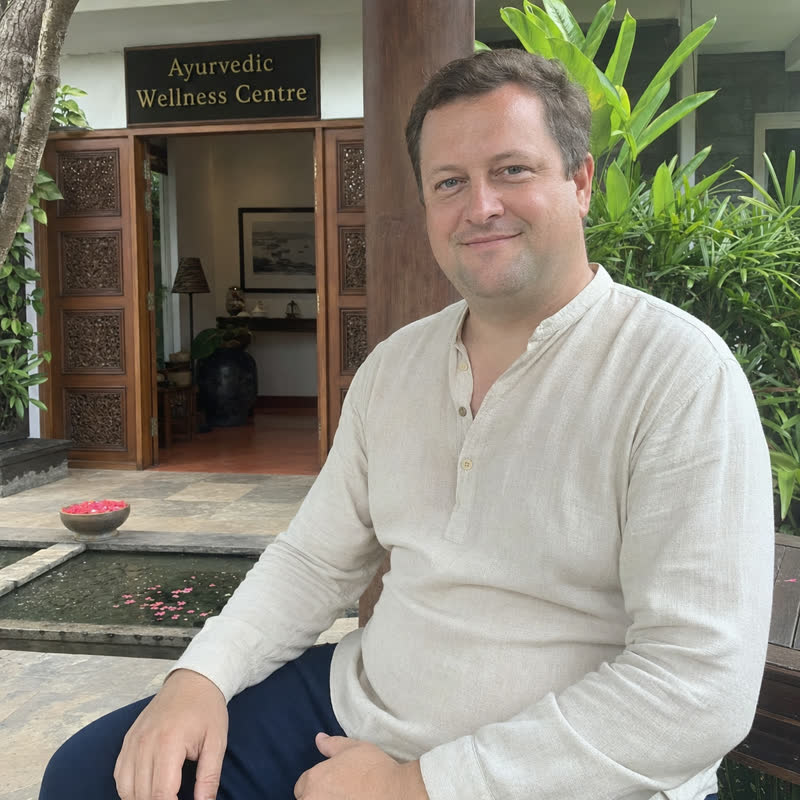
Look for a qualified Ayurvedic doctor (BAMS or MD Ayurveda), registered with the appropriate board, a qualified physiotherapist on the team, experience of post-injury guests, a hospital nearby and a clear written plan. Be cautious of anyone who promises faster healing or offers forceful manipulation.
Planning the journey
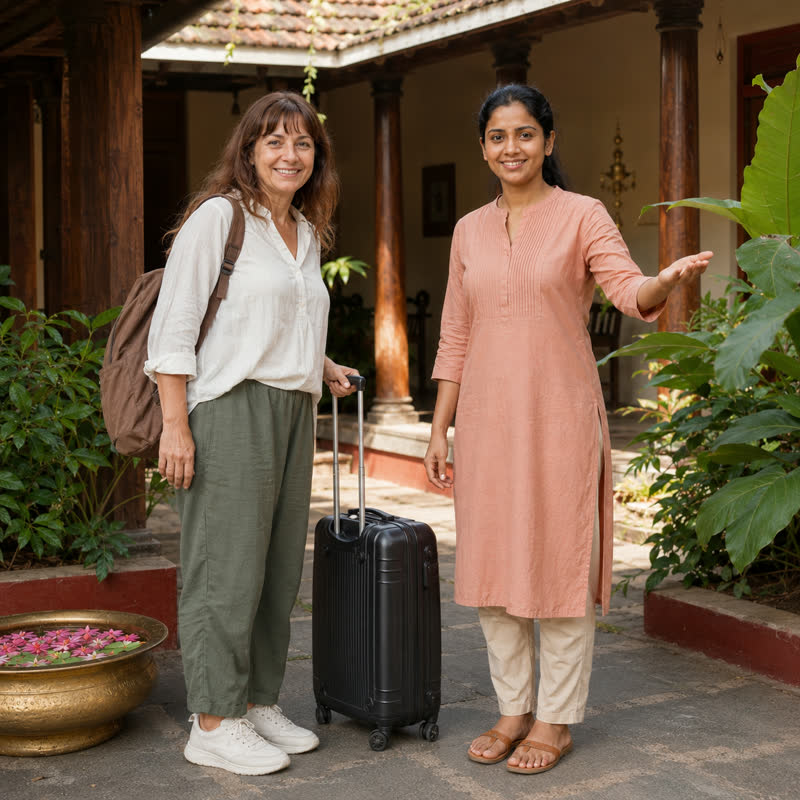
Apply for your e-Medical visa on India's official portal, usually with a hospital letter, a few weeks before travel. It is valid for 60 days from first arrival, allows three entries and cannot be extended. Book flights after approval, arrange travel insurance and choose an arrival time that gives you a rested first day. Check the portal for current rules before you apply.
Your friend and hand-holder through your recovery: MyVaidyam
Rebuilding is easier with a friend beside you, and that is where MyVaidyam comes in. We walk with you from your very first question to the day you return home, answering every question patiently and making sure that nothing is left to chance.
- An online consultation with an Ayurvedic physician to discuss your recovery, with your surgeon's advice in hand.
- Help preparing your health summary, scans and medicine list.
- Guidance on choosing a reputable centre with physiotherapy and medical backup.
- Help planning comfortable travel for you and a companion.
- Support with your e-Medical visa documents, flights, airport pickup and accommodation.
- A warm point of contact during your stay, and follow-up after you return home.
You are welcome to reach out at any stage. We would be delighted to help you begin.