This guide explains in plain language what facet-related back pain means, how supportive Ayurvedic care may be offered alongside your doctor's advice, what a programme can include, who should see their doctor first and how to plan a stay. And throughout, it shows how MyVaidyam can walk beside you as your friend and guide.
Ayurveda is offered here as a complementary, supportive approach that works alongside your own doctor's care, never as a replacement for it. It does not promise to remove pain, and the diagnosis should come from your own doctor.
Quick Facts - Ayurveda Support for Facet-Joint Related Back Pain for International Patients
| Topic | Summary |
|---|---|
| What they are | Small paired joints along the back of the spine |
| Diagnosis | By your own doctor, with examination and, if needed, imaging |
| Ayurvedic support | Warm external therapies, diet, routine |
| Movement | Physiotherapy and gentle yoga |
| Typical length | Often two to three weeks |
| Not | A promise of pain relief |
| Visa | e-Medical visa: 60 days from first arrival, triple entry, non-extendable |
| Your companion | MyVaidyam: planning, coordination and support before, during and after |
What are facet joints?
Each segment of the spine has a pair of small joints at the back, called the facet joints. They guide how the spine bends and twists, and they share the load with the discs between the vertebrae. Over years of use, or after strain, they can become stiff or irritated. This is a common and well-recognised source of back pain, and many people with it find that suitable movement and care make a real difference to their comfort.
See your doctor first
Back pain has many possible causes, and it is wise to have it assessed before you plan a stay. Ask your doctor whether facet joints are likely involved, whether any movements should be avoided and whether you are fit to travel. If you have numbness, weakness, pain after injury or any other symptoms your doctor has flagged, follow their advice first. A short letter from your doctor is useful for the centre.
How Ayurveda approaches it
Ayurveda looks at the person as a whole: your constitution, digestion, sleep, activity and stresses, as well as the area of discomfort. The back is often described as a region where stiffness may gather, and the traditional response is warmth, oil, rest and a gentler rhythm. A physician examines you, reads your reports and shapes a plan accordingly.
Warm external therapies
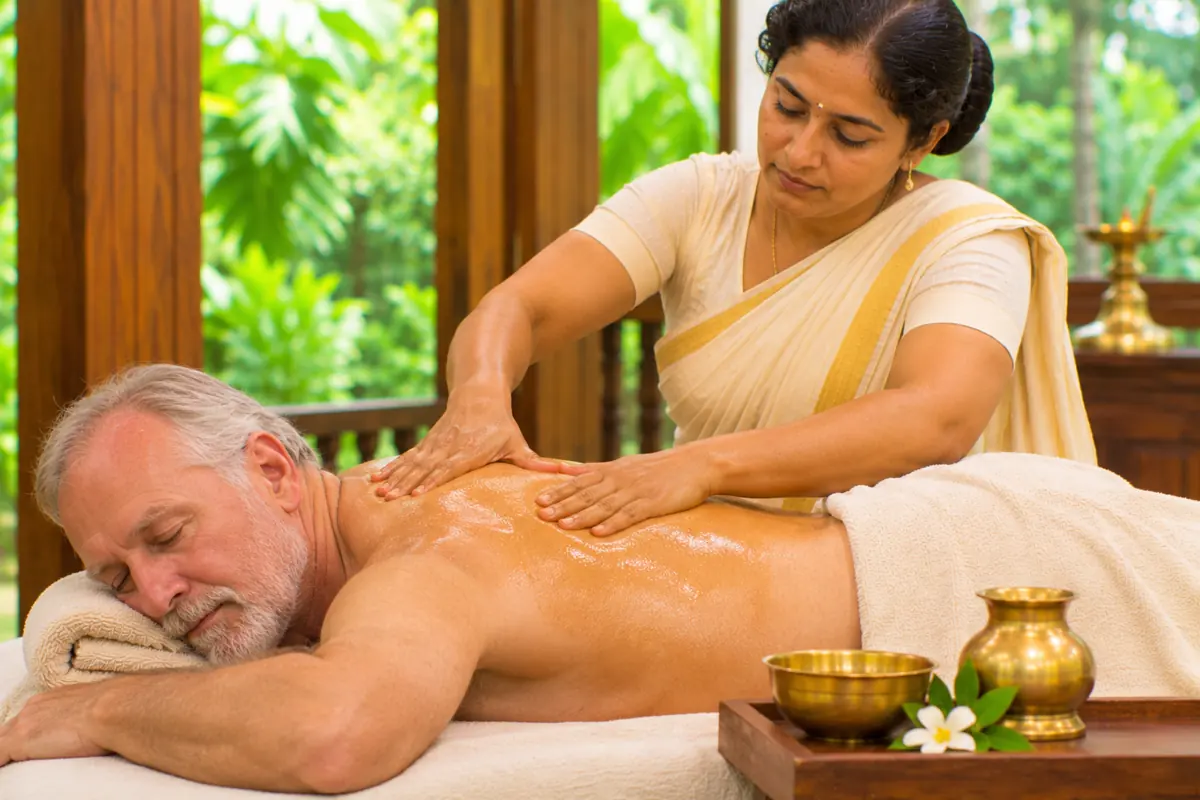
Commonly used therapies include abhyanga, a warm herbal oil massage, and kati basti, where warm medicated oil is held on the lower back within a small ring of dough. Steam and warm herbal poultices may also be used. These are traditionally described as soothing, and many guests find them deeply relaxing. Your physician chooses what suits you, and explains why.
Movement and posture
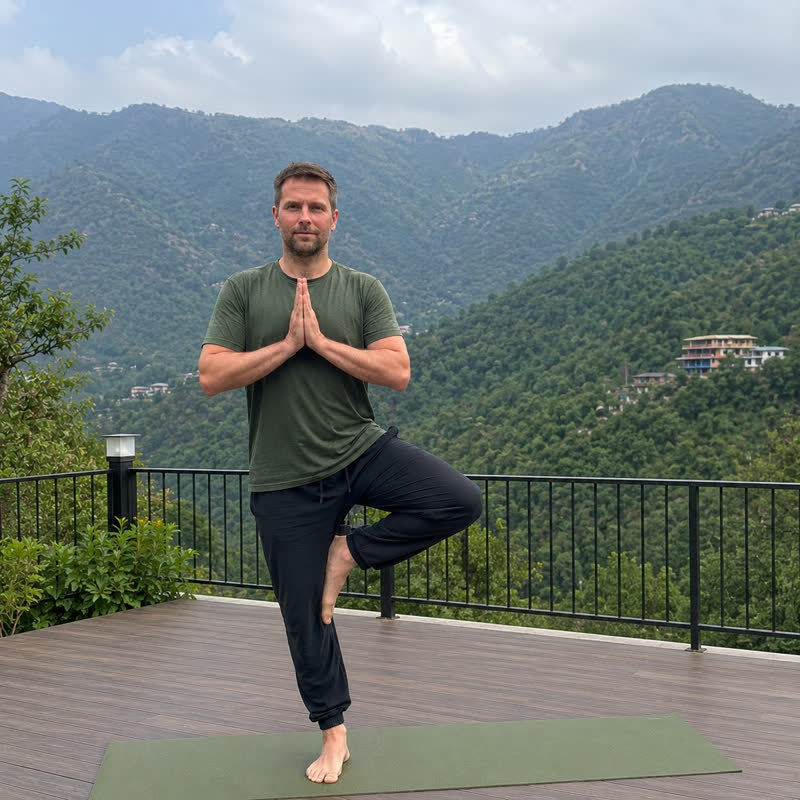
For facet-related pain, the way you move matters a great deal. A physiotherapist can assess posture, show you how to avoid positions that provoke the pain and teach exercises to strengthen the core and improve flexibility. Gentle, adapted yoga adds breath and mindfulness. Many guests say that learning how to move comfortably is the most lasting gift of a stay.
Diet, sleep and daily rhythm
Meals in a residential programme are usually simple, warm and freshly cooked, with regular times and a lighter supper. Sleep is protected with early nights and quiet evenings. Regular rhythm often improves energy and mood, which in turn help the back. These habits are among the easiest to take home.
Habits to take home
- Change position often and avoid long periods of sitting.
- Keep up the exercises your physiotherapist teaches.
- Avoid sustained arching or twisting if they provoke pain.
- Sleep with good support and a regular bedtime.
- Eat simple, regular meals and drink warm water.
- Plan follow-up with your own doctors.
Setting honest expectations
People respond differently to supportive care. A kind physician speaks of comfort, movement and healthier habits, and will not promise relief. The most lasting changes often come from what you continue at home, which is why a written routine and follow-up are valuable parts of any programme.
Questions to bring to your first consultation
- What do my scans and reports show, and how will they guide the plan?
- Which therapies do you recommend, and why?
- How will physiotherapy and yoga be included?
- How will you know if the plan is suiting me?
- What should I do at home afterwards?
Working alongside your own doctors
Please keep your own doctors informed. Share your medical summary, bring your reports and keep taking whatever you have been prescribed. Please see your own doctor about back pain before you travel, and keep taking prescribed medicines as advised. Please do not change medicines without medical advice.
Choosing a centre
Look for a qualified Ayurvedic doctor (BAMS or MD Ayurveda), registered with the appropriate board, a physiotherapist or yoga teacher on the team, trained therapists and a clear written plan. Be cautious of anyone who promises to cure back pain quickly, or who ignores your own doctor's advice.
Planning the journey
Apply for your e-Medical visa on India's official portal, usually with a hospital letter, a few weeks before travel. It is valid for 60 days from first arrival, allows three entries and cannot be extended. Book flights after approval, arrange travel insurance and choose an arrival time that gives you a rested first day. Check the portal for current rules before you apply.
Your friend and hand-holder in finding the right back-care programme:
MyVaidyam
A good plan starts with a good conversation, and that is where MyVaidyam comes in. We walk with you from your very first question to the day you return home, answering every question patiently and making sure that nothing is left to chance.
- An online consultation with an Ayurvedic physician to discuss your back and goals.
- Help preparing your health summary, scans and reports.
- Guidance on choosing a reputable centre with physiotherapy and yoga.
- Help understanding your written plan.
- Support with your e-Medical visa documents, flights, airport pickup and accommodation.
- A warm point of contact during your stay, and follow-up after you return home.
You are welcome to reach out at any stage. We would be delighted to help you begin.