This guide explains the Ayurvedic view, what a stay typically includes and how to plan with confidence. Ayurveda is offered as a complementary, supportive approach alongside your own doctor's care, never a replacement for it.
Quick Facts - Panchakarma Step by Step
| Topic | Summary |
|---|---|
| Three stages | Purvakarma, pradhanakarma, paschatkarma |
| Preparation | Typically oil-based treatments (snehana), sweating (swedana) and diet guidance |
| Main procedures | Often vamana, virechana, basti and nasya; the choice is individual |
| Recovery | Graded return to normal diet and routine, rest and follow-up advice |
| Variation | Order and duration differ between centres and practitioners |
| Aim | Support, comfort and wellbeing, alongside your doctor's care |
Understanding the three-stage idea
The three-stage structure is the heart of the programme: preparation to settle and soften, procedures chosen for you, and recovery to rebuild. Seeing the stages laid out in a written plan is a good sign of an organised centre, and it lets you compare programmes on a like-for-like basis.
The big picture
The National Institute of Ayurveda (Ministry of Ayush) outlines Panchakarma as a set of procedures taught as a sequence, and your physician decides which elements, in which order and for how long. A good programme feels unhurried: preparation lets the body settle, the main procedures are given with care, and recovery lets you return to normal food and routine gently.
Stage 1: Purvakarma, the preparation
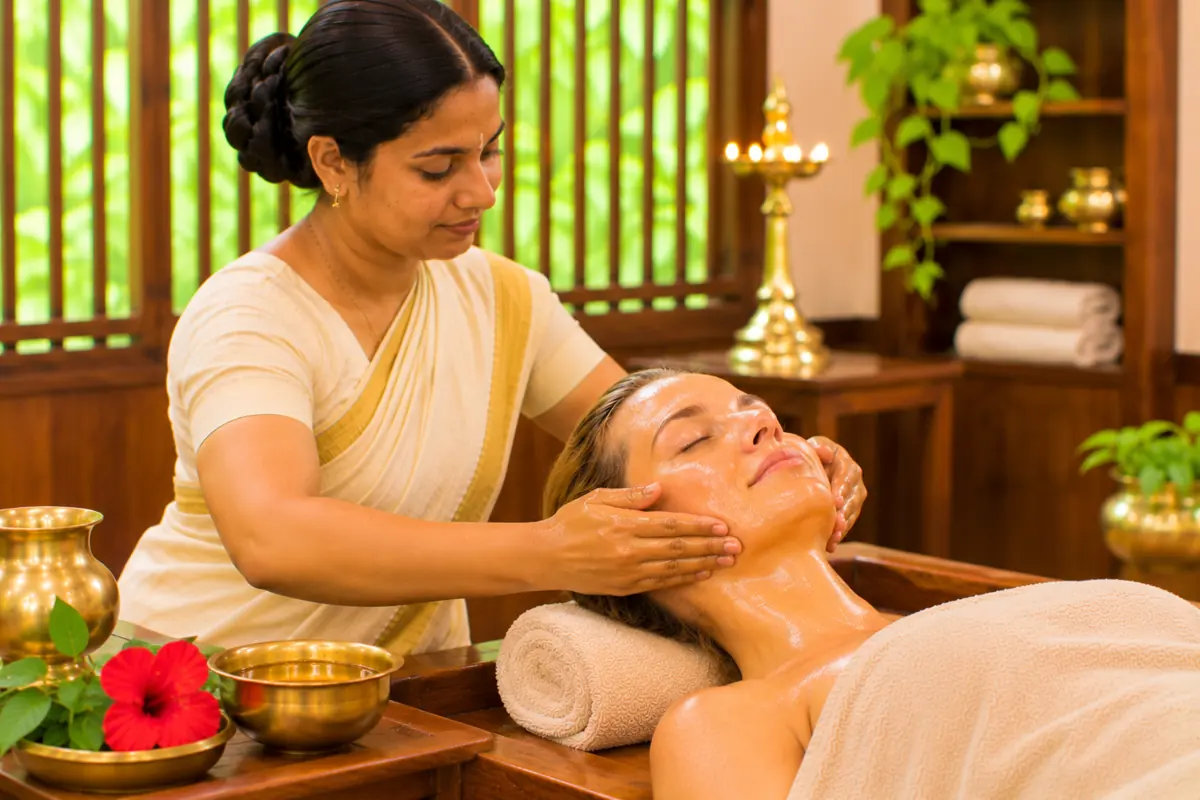
Preparation typically uses oil-based treatments (snehana) and sweating (swedana), together with diet guidance. Many guests find this the most relaxing stage: warm-oil massage, comfortable steam and simple meals. The physician reviews you daily and adjusts the plan to how you feel.
Stage 2: Pradhanakarma, the main procedures
The main procedures are often described as vamana, virechana, basti and nasya, and some lists add raktamokshana. Your physician chooses among them, if any, after assessing you, and plans their timing with rest between steps. Not every guest needs every procedure, and some programmes focus on preparation and recovery alone.
Stage 3: Paschatkarma, the recovery
Recovery is a graded return to normal food and routine, with rest and follow-up advice. Meals begin light and simple, then broaden over several days. This stage is as important as the others, and a good centre gives you written guidance for the weeks after you return home.
Why the order matters
The stages are designed to follow one another: preparation readies you, the main procedures build on it, and recovery consolidates. Skipping the first or last stage is not how the programme is intended to be experienced, so ask any centre to show you all three in your day-by-day plan.
What a programme may feel like
| Element | What it generally involves |
|---|---|
| Preparation | Warm, soothing, restful |
| Main procedures | Supervised, with rest and care between steps |
| Recovery | Light, simple, increasingly lively |
| Overall | Unhurried days, early nights, simple meals |
How long does it take?
Durations vary between centres and practitioners. Many programmes run from about one to three weeks, with the physician advising after a consultation. A longer stay is not automatically better, so ask for the reasoning behind any length proposed.
Preparation in detail
Preparation typically begins with a consultation, then daily warm-oil massage and gentle sweating, with simple meals and rest. Some programmes add a short period of medicated ghee, taken as your physician advises. The physician observes how you respond and decides when you are ready for the next stage.
The main procedures, explained simply
- Vamana: a therapeutic procedure planned only for selected guests after careful preparation.
- Virechana: a supervised therapeutic purgation, taken after oil preparation and with a day of rest.
- Basti: a medicated enema, usually in a planned series.
- Nasya: medicated nasal drops given after a gentle facial massage.
- Raktamokshana: mentioned in some lists, and offered only by specially qualified practitioners.
A sample programme rhythm
Every programme is individual, and this outline is only an illustration of how a stay can unfold.
- Days 1 to 3, preparation: arrival rest, a full consultation, oil massage, gentle steam and light meals.
- Days 4 to 8, main procedures: the procedures chosen for you, with rest, warm food and daily review.
- Days 9 to 14, recovery: a graded return to normal food, gentle yoga and a written plan for home.
Many guests extend their stay, and the physician will advise after the first review. Ask the centre for its own day-by-day plan.
Food through the stages
Meals change with the stage: simple and warm during preparation, very light around the main procedures, and gradually richer during recovery. A kitchen that understands this progression is one of the clearest signs of an experienced centre. Share allergies and preferences before arrival.
Rest, sleep and the pace of the day
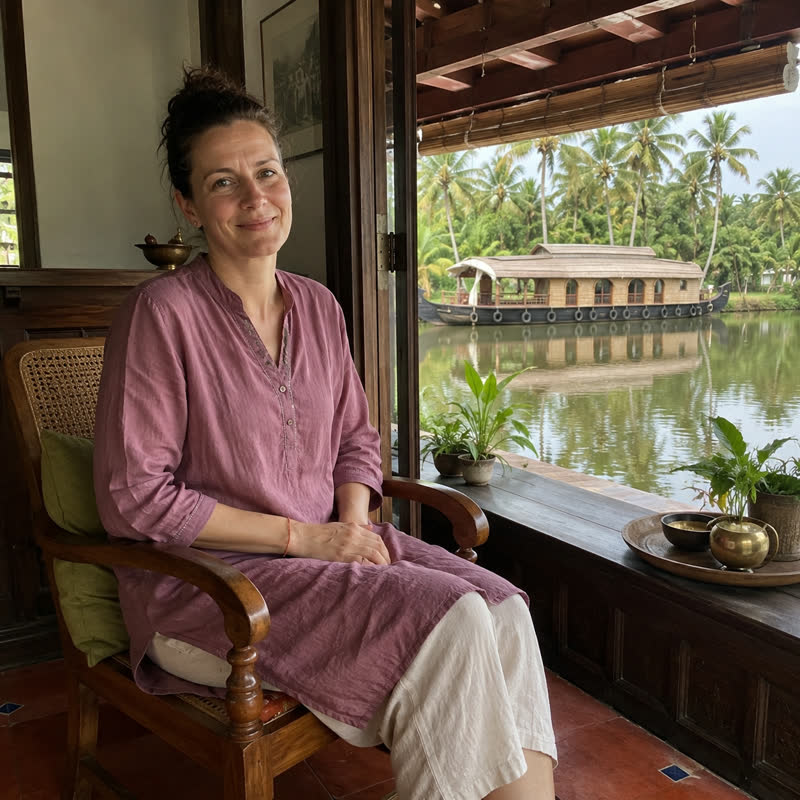
Panchakarma days are quiet by design. Early mornings, plenty of rest and early evenings are part of the treatment. Plan to switch off your phone for stretches, bring a book and enjoy being unhurried. Many guests say this rest is what they remember most.
Kerala, climate and the best season
Many Ayurveda centres are in Kerala, where the warm, humid climate is traditionally considered kind to the body and the monsoon months are popular for oil therapies. The drier months from October to March are comfortable for travel and sightseeing. For Panchakarma, ask each centre which season it recommends, and whether rooms are air-conditioned or well ventilated. Ask about the season, rooms and the calm of the surroundings. Our guide to the best time to travel compares the seasons.
Keeping a simple diary
A small notebook is one of the most useful things to bring. Each evening, jot down your sleep, digestion, energy and mood at each stage. After a week or two the pattern often becomes clear, and you and the physician can fine-tune the plan. A few notes each evening help your physician and later your own doctor. The same notes give your own doctor a helpful picture when you return.
Travelling comfortably
A little planning makes the journey smoother. Book an aisle seat so you can stand and stretch, keep your medicines and reports in your hand luggage, and choose a flight that arrives at a comfortable hour. Plan a restful journey, arrive a day early and keep your medicines in your hand luggage. Ask the centre to arrange the transfer and a restful first day. Our guide to the attendant visa explains how a family member can travel with you.
Conversations to have before you travel
A short chat with your own doctor makes the stay smoother. Many guests ask:
- Are my medicines and plans up to date for the programme?
- How should I rest and eat in the weeks after I return?
- Is there anything you would like the Ayurveda team to know?
- When would you like to see me after I return?
Sharing the answers with the Ayurveda physician helps the two teams work in step, and leaves you feeling confident and well supported.
Who tends to enjoy a stay
Guests who enjoy these programmes are often people who would like a calm, structured break, those who value an unhurried pace and anyone who would like practical routines to take home. If you are unsure whether a stay suits you, a free online consultation is a good first step, before you book anything.
Your first day
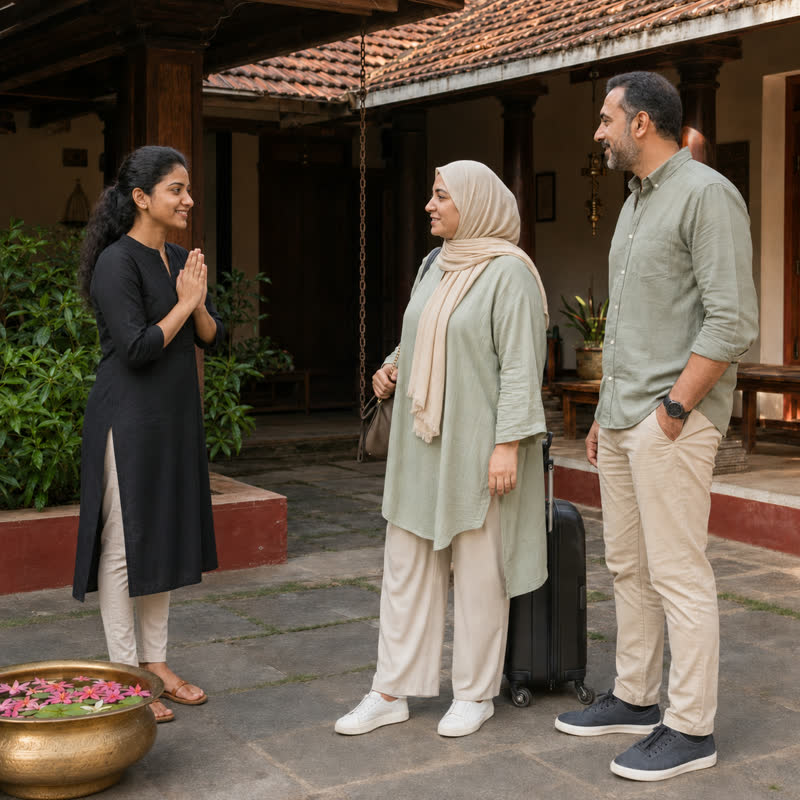
Most centres keep the first day deliberately quiet. After a warm welcome and a light meal, you rest, meet your physician for a full consultation and receive a written plan for the days ahead. Bring your reports and medicine list to that conversation, ask any questions and tell the team how you are feeling after the journey. Bring your reports and medicine list to this first meeting. Our guide to your first day at an Ayurveda centre explains what to expect.
Travelling with family or a companion
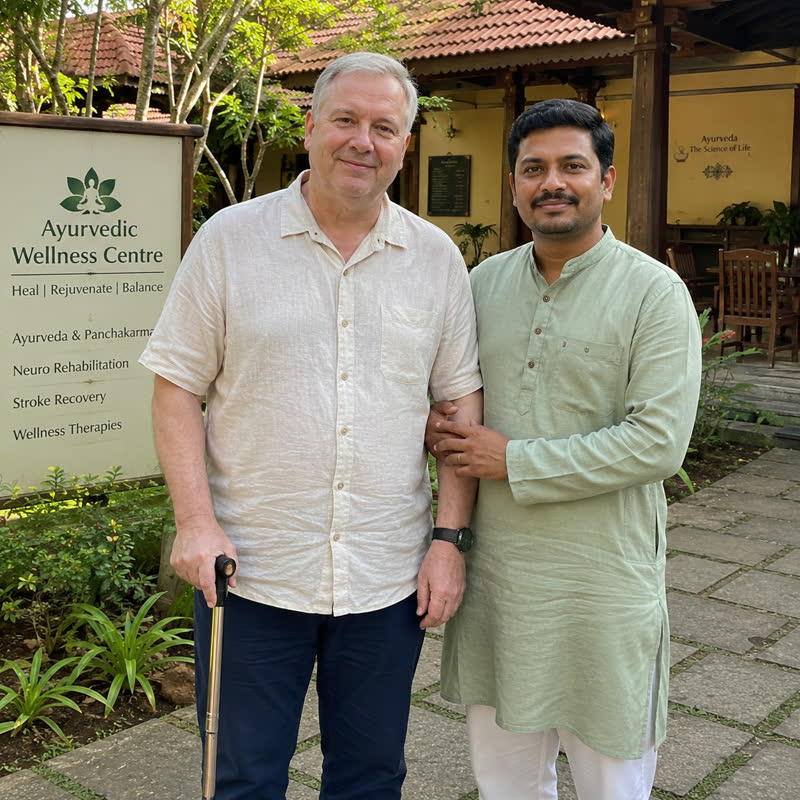
Many guests travel with a spouse, a friend or an adult child, and a companion can make the whole experience easier. Ask each centre whether companions can share your room or stay nearby, whether they can join meals, yoga and walks, and whether there is a pleasant place for them to relax while you have therapies. A companion can share the quiet days, and many centres welcome them. Our guide to the attendant visa explains the paperwork.
Making the most of your free time
Between therapies there is time to enjoy the setting: strolls in the garden, reading in the shade, listening to music, gentle conversation with other guests or a visit to a nearby temple or backwater. The team can suggest easy outings that fit your energy. Garden walks, reading and quiet time are popular. Many guests find that this unhurried time is part of what helps them relax and recover.
Common questions
Do I need every procedure? No, the physician chooses. Can I do only the preparation? Some programmes do so. Can I keep my medicines? Yes, unless your doctor advises otherwise. How long should I stay? Your physician advises after a consultation.
Questions to ask before you book
These questions help you compare centres and plan with confidence.
- Who will be my physician, and what are their qualifications?
- Can the plan work around my usual medicines and appointments?
- How is each of the three stages scheduled in my plan?
- What does the quote include, and what is extra?
Preparing for your stay
Bring your medicines, reports and a list of questions. Travel with ease, arrive a day early if possible and wear comfortable clothes. Continue your prescribed medicines unless your own doctor advises otherwise.
Planning your budget
Cost depends on room, length, therapies, physician time and medicines. Ask each centre for an itemised, dated quote for the same dates and inclusions, and add visa, flights, insurance and transfers. See the cost guide and verifying a doctor.
Travelling with confidence, and how MyVaidyam can help
- Share your reports and current medicines with the Ayurveda physician before you travel.
- Continue your prescribed medicines, and let your own doctor know your plans.
- Ask for ingredient lists for any herbal medicine, and choose labelled preparations.
- Plan rest after the flight so you can begin your stay comfortably.
- Panchakarma complements, and never replaces, your doctor's care.
MyVaidyam can arrange a free online pre-consultation, have your reports reviewed by an Ayurvedic physician and request day-by-day plans and itemised quotes from centres so you can compare them calmly. Contact MyVaidyam to book your free online consultation.
Frequently Asked Questions on Panchakarma Step by Step
References
- National Institute of Ayurveda, Jaipur (Ministry of Ayush). Panchakarma theory course outline
- NCCIH, US National Institutes of Health. Ayurvedic medicine: in depth
- NCCIH, US National Institutes of Health. Are you considering a complementary health approach?
- Ministry of Ayush, Government of India. Official website