This guide explains in plain language how warm and cold foods are understood in Ayurvedic diet planning: what warming and cooling qualities mean, why temperature of serving matters for digestion, how plans differ by person and season, why your doctor's dietary advice comes first, what a residential kitchen does and how to apply the idea at home. And throughout, it shows how MyVaidyam can walk beside you as your friend and guide.
Ayurveda is offered here as a complementary, supportive approach that works alongside your own doctor's care, never as a replacement for it. It does not promise any health outcome.
Quick Facts - Warm vs Cold Foods in Ayurvedic Diet Planning
| Topic | Summary |
|---|---|
| Concept | Warming and cooling qualities of food |
| Two ideas | Inherent quality, and serving temperature |
| General approach | Warm, fresh meals favoured for digestion |
| Adjusted for | Constitution, season, digestion, medical needs |
| First step | Follow your doctor's dietary advice |
| Not | A promise of any health outcome |
| Visa | e-Medical visa: 60 days from first arrival, triple entry, non-extendable |
| Your companion | MyVaidyam: planning, coordination and support before, during and after |
More than a thermometer
In Ayurveda, a food is described as warming or cooling by its effect on the body, not by how hot it is on the plate. Ginger, for instance, is considered warming even when eaten cold, while cucumber is considered cooling even when lightly cooked.
Warm and cool, in everyday food
Warming and warm
- Freshly cooked meals
- Ginger, pepper, cumin
- Soups and stews
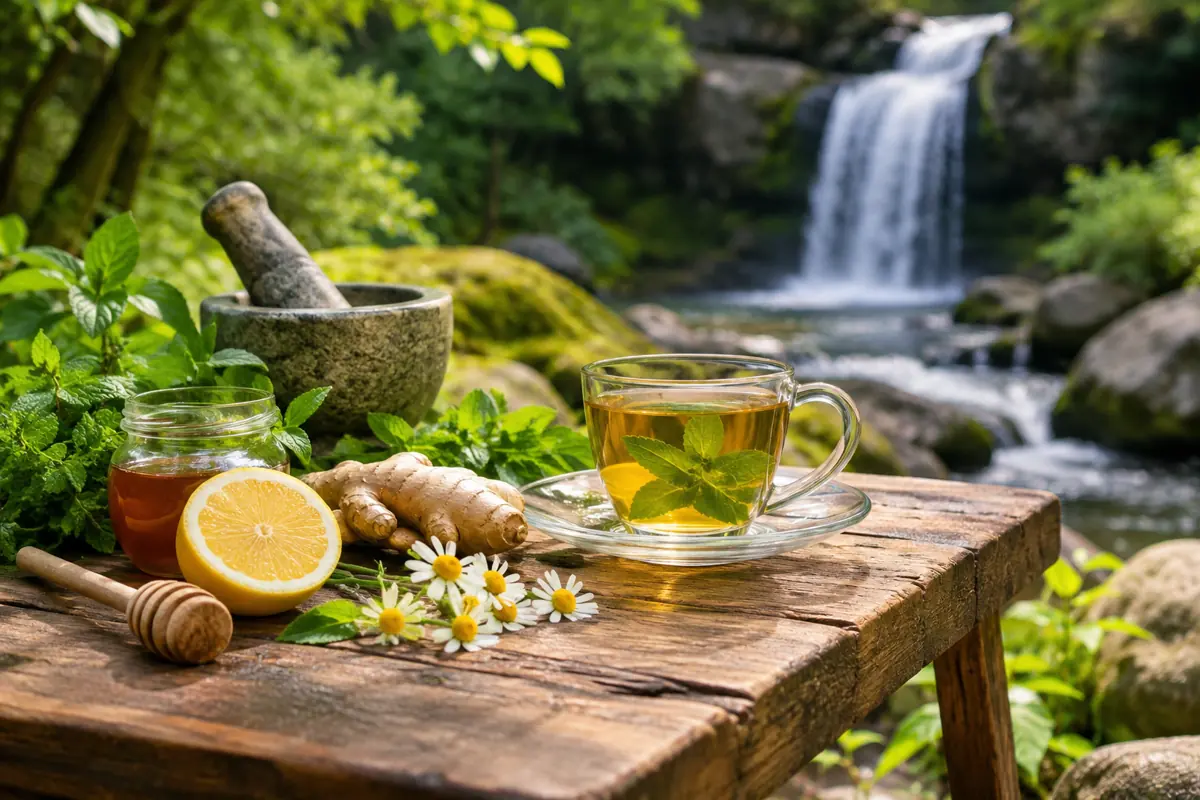
- Warm water and herbal teas
- Often favoured in cold, damp weather
Cooling and cool
- Cucumber, coconut, melon
- Coriander, mint, fennel
- Milk and sweet fruits
- Lightly cooked greens
- Often favoured in heat
Most meals combine both, and a physician helps to find the balance for you.
Start with your doctor
Please follow any dietary advice from your doctor or dietitian, especially for diabetes, kidney, heart, liver or blood pressure conditions, allergies and intolerances. Continue prescribed medicines.
Why serving temperature matters
Ayurveda holds that warm, freshly cooked food is easier for the digestive fire to process, while very cold food and iced drinks can slow digestion and cause heaviness in some people.
Individuals and seasons
The balance is personal. Someone who feels hot, reddened or acidic may be advised more cooling foods, while someone who feels cold, heavy or slow may be advised more warming ones. Seasons count too: warming foods in winter, cooling in summer.
A day at a residential centre
| Time | Typical activity |
|---|---|
| Early morning | Warm water, perhaps with ginger or cumin |
| Morning | Warm, light breakfast |
| Late morning | Yoga or a walk |
| Midday | Freshly cooked main meal, served warm |
| Afternoon | Warm herbal infusion or buttermilk, rest |
| Evening | Light, warm early supper, calm, early sleep |
Taking it home
- Prefer warm, freshly cooked meals.
- Swap iced drinks for warm or room-temperature water.
- Adjust warming and cooling foods with the season.
- Follow your doctor's dietary advice.
- Share the centre's summary with your doctor.
Setting honest expectations
Warm and cool planning is a framework for understanding food, and no framework can promise a health outcome. A residential stay can offer tailored meals and teaching, and many guests find the simple switch to warm, fresh food the easiest and most lasting change.
Working alongside your own doctors
Please keep your own doctors informed. Share your medical summary, bring your reports and keep taking whatever you have been prescribed. Please keep taking prescribed medicines, and discuss any dietary change with your own doctors first. Please do not change medicines without medical advice.
Choosing a centre
Look for a qualified Ayurvedic doctor (BAMS or MD Ayurveda), registered with the appropriate board, a dietitian, a kitchen that cooks to your plan and a clear written plan. Be cautious of anyone who makes strong claims for particular foods.
Planning the journey
Apply for your e-Medical visa on India's official portal, usually with a hospital letter, a few weeks before travel. It is valid for 60 days from first arrival, allows three entries and cannot be extended. Book flights after approval, arrange travel insurance and choose an arrival time that gives you a rested first day. Check the portal for current rules before you apply.
Your friend and hand-holder in finding the right programme: MyVaidyam
A good plan starts with a good conversation, and that is where MyVaidyam comes in. We walk with you from your very first question to the day you return home, answering every question patiently and making sure that nothing is left to chance.
- An online consultation with an Ayurvedic physician to discuss your food and goals.
- Help preparing your health summary and dietary notes.
- Guidance on choosing a reputable centre with a skilled kitchen.
- Help understanding your written plan.
- Support with your e-Medical visa documents, flights, airport pickup and accommodation.
- A warm point of contact during your stay, and follow-up after you return home.
You are welcome to reach out at any stage. We would be delighted to help you begin.