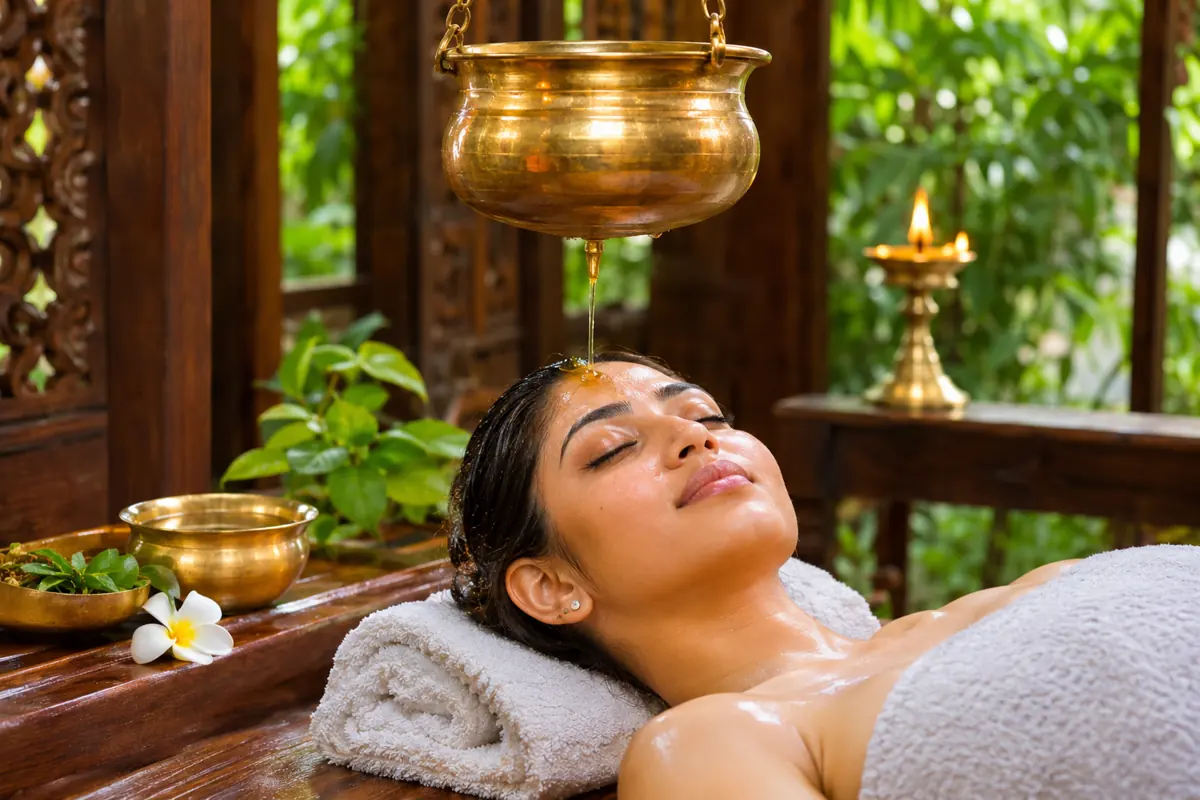
A residential Ayurveda stay in India offers simple wholesome meals, plenty of water, warm herbal therapies, gentle movement and time to rest, guided by a physician who reviews your blood tests and understands your routine.
This guide explains the Ayurvedic view, what a stay typically includes and how to plan with confidence. Ayurveda is offered as a complementary, supportive approach alongside your own doctor's care, never a replacement for it.
Quick Facts - Ayurveda Programmes for Gout and High Uric Acid for International Patients in India
| Topic | Summary |
|---|---|
| What it is (NHS 111 Wales) | Arthritis with sudden joint pain, linked to excess uric acid |
| Usual care | Medicines for attacks; uric-acid-lowering medicine taken regularly |
| Lifestyle | Healthy weight, fluids, less alcohol and sugary drinks |
| Ayurvedic view | Discussed as a vata and blood-related imbalance of the joints |
| Typical stay | Often two to three weeks, set by the physician |
| Aim | Comfort and healthy habits |
| Cost | Compare itemised, dated quotes |
Understanding gout and high uric acid
NHS 111 Wales describes gout as a form of arthritis that causes sudden, severe pain in a joint, linked to too much uric acid in the blood. Uric acid can form tiny crystals in a joint, which is why an attack can feel hot, swollen and tender. Attacks are usually treated with anti-inflammatory medicines, and many people are also prescribed a uric-acid-lowering medicine that works best when taken regularly, even between attacks.
Everyday habits matter too. A healthy weight reached gradually rather than through crash diets, plenty of fluids, and less alcohol and fewer sugary drinks all help. Dehydration, heavy meals, alcohol and illness are common triggers. The good news is that these are habits a residential stay can help you practise, with the guidance of people who do this every day.
How Ayurveda looks at gout
Ayurveda describes painful, hot, swollen joints with discolouration in a pattern often called Vatarakta, in which vata and the blood are both involved. The tradition connects such patterns with diet, digestion, lifestyle and the season. A physician will ask about your meals, thirst, bowel habits, sleep, activity and the history of your attacks, and will review your uric acid and kidney results before suggesting a plan.
The programme that follows usually combines simple, freshly cooked food, plenty of warm water, herbal preparations, gentle therapies for comfortable joints, light activity and rest. The emphasis is on steady, sustainable habits rather than short-term measures, which is exactly what helps in a condition shaped by routine.
Working alongside your doctor
A residential stay is designed to sit beside your usual care. Keep taking your uric-acid-lowering medicine at your usual times, as your doctor advises, and bring your medicine list so that the Ayurveda physician can plan around it. Many guests ask their doctor for a recent blood test, including uric acid and kidney function, before they travel, and repeat it afterwards so that they have a clear record.
Because uric acid is a number you can measure, you and your doctor can follow your progress objectively. This makes gout one of the conditions where a well-documented stay is especially satisfying.
What the research shows
Controlled research on Ayurvedic care for gout is limited, and NCCIH notes that research on Ayurvedic medicine overall is limited. Many guests value the practical benefits of a stay instead: regular meals, steady hydration, a gradual move towards a healthy weight and time to rest. These are the very habits that gout care recommends, and they are easier to establish in a calm setting.
What a residential programme may include
| Element | What it generally involves |
|---|---|
| Assessment | History, review of uric acid and kidney results, and current medicines |
| Diet | Simple, freshly cooked meals, with fluids encouraged |
| Herbal care | Preparations chosen by the doctor and checked against your medicines |
| Joint therapies | Gentle warm applications to comfortable joints |
| Movement | Walking and gentle yoga within your comfort |
| Rest and sleep | A regular, unhurried routine |
| Home plan | A diet and hydration routine to continue |
A typical day on a gout-care programme
Days follow a gentle rhythm that is easy to enjoy.
- Early morning: a warm glass of water, a gentle walk and a light breakfast.
- Mid-morning: a physician review and supportive therapies, where planned.
- Afternoon: a simple lunch, fluids and a rest.
- Evening: breathing practice, an early light dinner and sleep.
Food and fluids
Meals in an Ayurvedic programme are simple and freshly cooked, with a steady rhythm of mealtimes and water through the day. Your physician explains which foods suit you and why, and many centres offer a short cooking or menu session so that you can repeat the recipes at home. Ask for a written copy of your menus, the reasoning behind them and a list of drinks to favour.
NHS 111 Wales also highlights keeping alcohol and sugary drinks modest and reaching a healthy weight gradually. A stay is a good moment to reset these habits, with no need for crash diets.
Movement and rest
Walking, stretching and gentle yoga keep the body moving without strain. The programme includes rest between activities, and joints that feel tender are simply left alone. Many guests are pleasantly surprised by how much easier the day feels when exercise, meals and sleep follow a steady pattern.
Kerala, climate and hydration
Kerala is warm and humid for much of the year, so staying well hydrated is part of the routine. Centres typically serve warm water and herbal drinks through the day, and your physician will advise how much suits you. Ask about air-conditioned or well-ventilated rooms, and which season the centre recommends. Our guide to the best time to travel compares the seasons.
Keeping a trigger diary
A small notebook is one of the most useful things to bring. Each evening, jot down what you ate and drank, how much water you had, how your joints felt and how you slept. After a week or two, patterns often become clear, and you and the physician can fine-tune the plan. The same notes give your own doctor a helpful picture when you return.
Travelling comfortably
A little planning makes the journey smoother. Book an aisle seat so you can stand and stretch, carry a water bottle and keep your medicines and reports in your hand luggage. Choose a flight that arrives at a comfortable hour and ask the centre to arrange the transfer and a restful first day.
Who tends to enjoy a stay
Guests who enjoy these programmes are often people with recurring attacks who want a structured reset, those whose work and travel make regular meals and hydration hard, and anyone who would like a calm place to learn practical food and routine habits with expert guidance. If you are unsure whether a stay suits you, a free online consultation is a good first step, before you book anything.
Choosing a centre
Rather than looking for a ranking, compare what matters to you: a qualified physician, a clear assessment, a written day-by-day plan, hygiene standards and good access to a hospital. Ask each centre the same questions:
- Who will be my physician, and what are their qualifications?
- How are meals and fluids planned for people with high uric acid?
- Can the plan work around my usual medicines and appointments?
- What does the quote include, and what is extra?
Preparing for your stay
Bring recent uric acid and kidney results, your medicines in their original packaging and a short note of past attacks and what seemed to trigger them. Pack comfortable footwear, a refillable water bottle and loose clothing. Share your food preferences in advance, plan an easy first day after the flight and keep drinking water on the journey.
After you return
Ask the centre for a written summary of your programme and menus, repeat your blood test with your own doctor and keep the routines that suited you: regular meals, steady fluids, an evening walk and an earlier dinner. A follow-up video call with the physician a few weeks later is a nice way to review your progress.
Planning your budget
Cost depends on room, length, therapies, physician time and medicines. Ask each centre for an itemised, dated quote for the same dates and inclusions, and add visa, flights, insurance and transfers. See the cost guide and verifying a doctor.
Travelling with confidence, and how MyVaidyam can help
- Share your reports and current medicines with the Ayurveda physician before you travel.
- Continue your prescribed medicines, and let your own doctor know your plans.
- Ask for ingredient lists for any herbal medicine, and choose labelled preparations.
- Plan rest after the flight so you can begin your stay comfortably.
- Keep taking your prescribed medicine, and repeat your uric acid test with your own doctor after the stay.
MyVaidyam can arrange a free online pre-consultation, have your reports reviewed by an Ayurvedic physician and request day-by-day plans and itemised quotes from centres so you can compare them calmly. Contact MyVaidyam to book your free online consultation.