That is why classical teachers and modern practitioners alike agree on one point: Panchakarma is best undertaken under the care of a qualified physician.
This guide explains, in a friendly way, what medical supervision adds, how it works at each stage, why Panchakarma is not a do-it-yourself or spa-menu therapy, what to look for in a centre and how MyVaidyam can help you find proper care. And throughout, it shows how MyVaidyam can walk beside you as your friend and guide.
Ayurveda is offered here as a complementary, supportive approach that works alongside your own doctor's care, never as a replacement for it.
Quick Facts - Why Panchakarma Should Be Medically Supervised
| Topic | Summary |
|---|---|
| Why supervision | Panchakarma is individual, and needs a trained eye at every stage |
| Who supervises | A qualified Ayurvedic physician, with trained nursing and therapists |
| What it covers | Assessment, a personal plan, daily review, safe care and recovery |
| Your part | Share your history honestly and say how you feel each day |
| Not | A do-it-yourself kit or a menu of treatments |
| Where to look | A centre with a registered physician and medical backup |
| Visa | e-Medical visa: 60 days from first arrival, triple entry, non-extendable |
| Your companion | MyVaidyam: planning, coordination and support before, during and after |
Why supervision matters
Panchakarma works with the body's own rhythms, using warm oils, steam, herbal preparations and, in some programmes, the classical cleansing procedures. The same programme can feel very different in two different people, because no two bodies are alike. A physician who knows you, sees you daily and adjusts the plan is the surest way to ensure that the programme is comfortable and suited to you.
Five checkpoints of careful supervision
- 1
Assessment
Your history, reports and goals
- 2
Personal plan
Therapies and amounts shaped for you
- 3
Daily review
How you feel, every day
- 4
Safe care
Trained nursing and therapists
- 5
Recovery
Graded food, rest and follow-up
Each checkpoint is simple, and each makes the next one smoother.
Before you begin: assessment
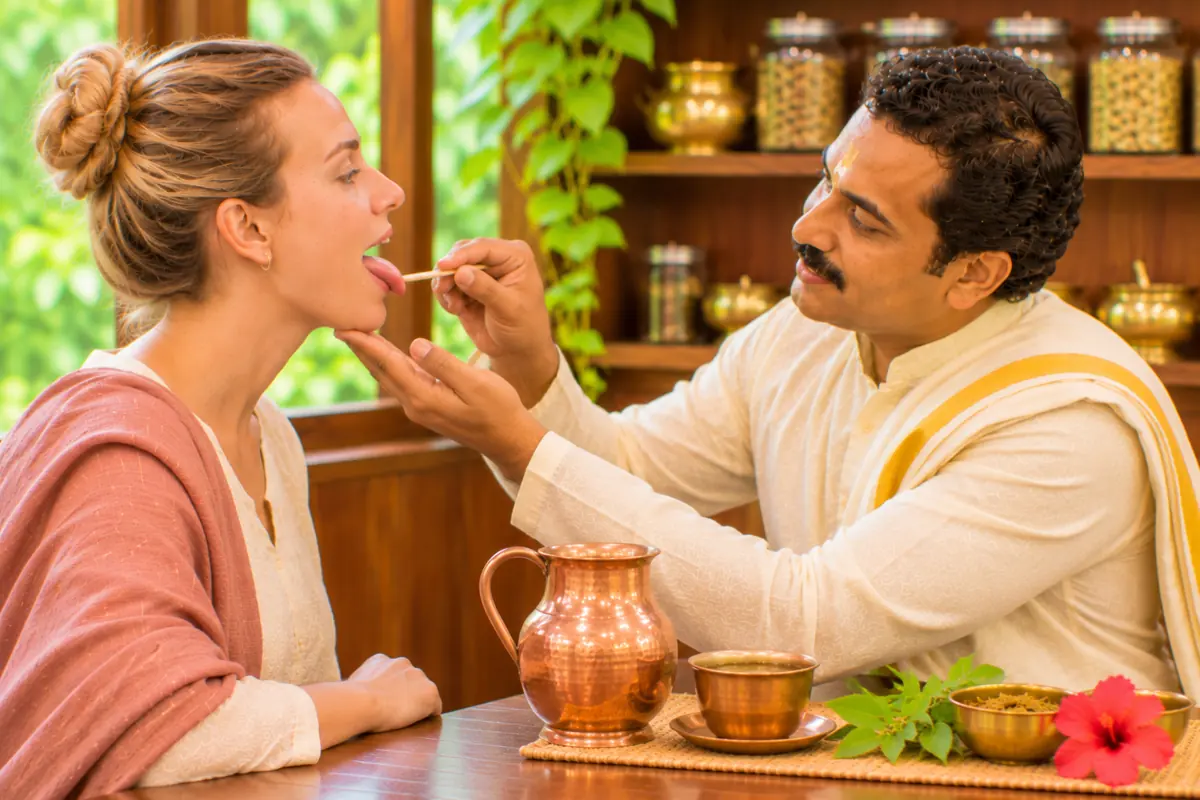
Supervision starts before your first therapy. The physician takes your history, reads your reports and medicines, examines you and asks about your goals. This assessment decides whether Panchakarma suits you, and in what form, as described in our guide to how physicians decide. It is the foundation for everything that follows.
A plan made for you
Based on the assessment, the physician designs your plan: which therapies, how gentle or full, the amounts of oils and herbal preparations, the diet and the number of days. These details matter, and they are chosen individually, which is why a ready-made menu cannot take their place.
Daily review: the heart of supervision
In a residential centre, the physician sees you every day. They ask how you slept, how you digested, how your energy is and what you noticed after your therapy, and they adjust the plan accordingly: lighter one day, longer another, a therapy paused or changed. This daily conversation is one of the greatest strengths of residential care, and it is only possible when a qualified physician is part of the team.
Trained hands and a ready team
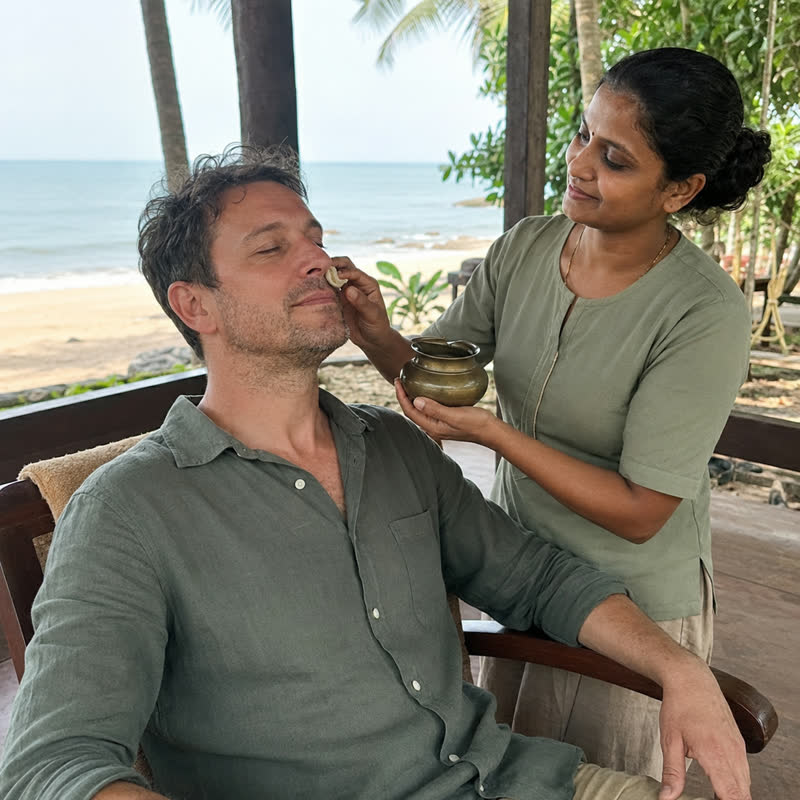
Supervision is also practical. Trained therapists give your massage and steam, nurses help with procedures and recovery, and the kitchen follows the physician's diet. The team knows whom to call if anything unexpected happens, and a hospital is within reach.
Recovery and follow-up
Supervision does not stop when the main therapies end. The recovery stage, with its graded return to food and gentle routine, is guided by the physician. Before you leave, you should receive a written summary and advice for home, and the physician should be available for follow-up questions.
What you can expect from good supervision
In a well-run centre you can expect to:
- meet your physician personally, at the start and every day;
- receive a plan you understand, in writing;
- have your questions answered patiently;
- be looked after by trained nursing and therapists;
- be free to pause or ask for a change at any time;
- leave with a clear summary and follow-up.
Working alongside your own doctors
Please keep your own doctors informed. Share your medical summary, bring your reports and keep taking whatever you have been prescribed. Ask your physician to write down any herbal preparations so that you can show them at home. Please do not change medicines without medical advice.
Choosing a centre with proper supervision
Look for a qualified Ayurvedic doctor (BAMS or MD Ayurveda), registered with the appropriate board, who sees you personally, a clear written plan, trained nursing support and a nearby hospital. Be cautious of any centre that offers Panchakarma to everyone, or that is unable to say who will be responsible for your care.
Planning the journey
Apply for your e-Medical visa on India's official portal, usually with a hospital letter, a few weeks before travel. It is valid for 60 days from first arrival, allows three entries and cannot be extended. Book flights after approval, arrange travel insurance and choose an arrival time that gives you a rested first day. Check the portal for current rules before you apply.
Your friend and hand-holder in finding properly supervised care:
MyVaidyam
Knowing that you will be properly looked after is the best start to any stay, and that is where MyVaidyam comes in. We walk with you from your very first question to the day you return home, answering every question patiently and making sure that nothing is left to chance.
- An online consultation with an Ayurvedic physician to discuss Panchakarma and what supervision looks like.
- Help preparing your health summary and organising your reports and medicines.
- Guidance on choosing a reputable centre with a registered physician, trained nursing and medical backup.
- Help checking your written plan, including what is included and what is arranged separately.
- Support with your e-Medical visa documents, flights, airport pickup and accommodation.
- A warm point of contact during your stay, and follow-up after you return home.
You are welcome to reach out at any stage. We would be delighted to help you find the right care.